

You might have seen bedding made from recycled bedding polyester fabric. This fabric is created from old PET bottles and used textiles. It feels soft and strong, just like regular polyester. Making it uses less energy and water than conventional polyester. Studies say it can save up to 75% energy and 90% water.
Metric | Recycled Bedding Polyester Fabric | بوليستر تقليدي |
|---|---|---|
Energy Savings | Up to 75% | لا شيء |
CO2 Emissions Reduction | 75% | لا شيء |
Water Usage Savings | Up to 90% | لا شيء |
Choosing this recycled bedding polyester fabric helps the planet stay clean. You also get bedding that lasts and performs well.
أهم النقاط
Recycled polyester bedding comes from old plastic bottles and textiles. This helps cut down on waste and saves resources.
Picking recycled polyester can use up to 75% less energy. It also uses 90% less water than regular polyester. This makes it a good choice for the environment.
Check for trusted certifications like GRS and OEKO-TEX®. These show your bedding is safe and really made from recycled materials.
Recycled polyester bedding is strong, keeps away moisture, and does not wrinkle easily. It gives comfort for a long time and is simple to care for.
Watch out for microplastic shedding when you wash recycled polyester. Using special washing bags can help lower harm to the environment.
What Is Recycled Bedding Polyester Fabric
الميزات الرئيسية
If you pick recycled bedding polyester fabric, you are making a smart choice. This fabric is made from old plastic bottles and leftover textiles. It does not use new petroleum. Using it helps save resources and cuts down on waste.
Here are some main things you will notice:
الاستدامة: This fabric uses plastic bottles and polyester waste. It helps lower the need for new petroleum.
متانة: Recycled polyester fabric is strong and does not stretch or shrink easily. Your bedding will last for years.
طارد للرطوبة: It moves sweat away from your skin. You stay dry and comfortable.
مقاومة التجعد: You do not need to iron it. The fabric stays smooth.
Lightweight and Quick-Drying: Your bedding is easy to carry and dries fast after washing.
احتفاظ باللون: The fabric keeps its color well. Your bedding stays bright.
Versatility: Makers often mix recycled polyester fabric with cotton or other fibers. This makes it more comfy and useful.
Thermoplasticity: The fabric can melt and change shape. This lets people use it in many ways.
Reduced Carbon Footprint: Making recycled bedding polyester fabric uses less energy. It also makes less greenhouse gas.
Pilling Resistance: If woven tight or treated, it does not pill much. It can last longer than many natural fibers.
Recyclability: You can recycle this fabric again. This helps keep textiles in use longer.
نصيحة: If you want bedding that is tough, simple to care for, and good for the earth, recycled polyester fabric is a great pick.
Here is a table that lists the main physical and chemical properties of recycled bedding polyester fabric:
عقار | وصف |
|---|---|
الاستدامة | Uses bottles and waste, so it needs less new petroleum. |
متانة | Strong and tough, does not stretch, shrink, or wear out fast. |
طارد للرطوبة | Moves sweat away from your skin to keep you dry. |
مقاومة التجعد | Stays smooth without needing to iron. |
خفيف الوزن | Feels light and is good for daily use. |
تجفيف سريع | Dries quickly after you wash it. |
احتفاظ باللون | Keeps colors bright and does not fade easily. |
Versatility | Mixes well with other fibers for better comfort and use. |
Thermoplasticity | Can melt and change shape for different uses. |
Reduced Carbon Footprint | Uses less energy and makes fewer greenhouse gases. |
Pilling Resistance | Does not pill much if woven tight or treated. |
Recyclability | Can be recycled again to help the textile cycle. |
Differences from Regular Polyester
You might wonder how recycled bedding polyester fabric is different from regular polyester. Both look and feel almost the same, but they are made in different ways.
جانب | Recycled Polyester (rPET) | Virgin Polyester |
|---|---|---|
Source | Made from plastic bottles and old textiles | Made from petroleum-based materials |
الأثر البيئي | Higher carbon footprint, uses fossil fuels | |
Performance | Durable and strong, but hand feel may vary | Consistent quality and smoothness |
تكلفة | Sometimes costs more due to recycling steps | Often cheaper with large-scale production |
الاستدامة | High eco-value, often certified | Limited sustainability credentials |
Recycled polyester fabric is just as tough as regular polyester. Both types do not stretch or shrink much. Both keep sweat away from your skin, so you stay dry. Recycled bedding polyester fabric can feel almost as soft as regular polyester. Sometimes, you might feel a small difference in texture.
When you pick recycled bedding polyester fabric, you help the planet. You cut down on landfill waste and lower greenhouse gases. You also support using recycled stuff in the textile world.
ملاحظة: Recycled polyester fabric often has labels like GRS or OEKO-TEX®. These show the fabric meets strict safety and environmental rules.
How Recycled Polyester Is Made
Sources of Recycled Polyester Fabric
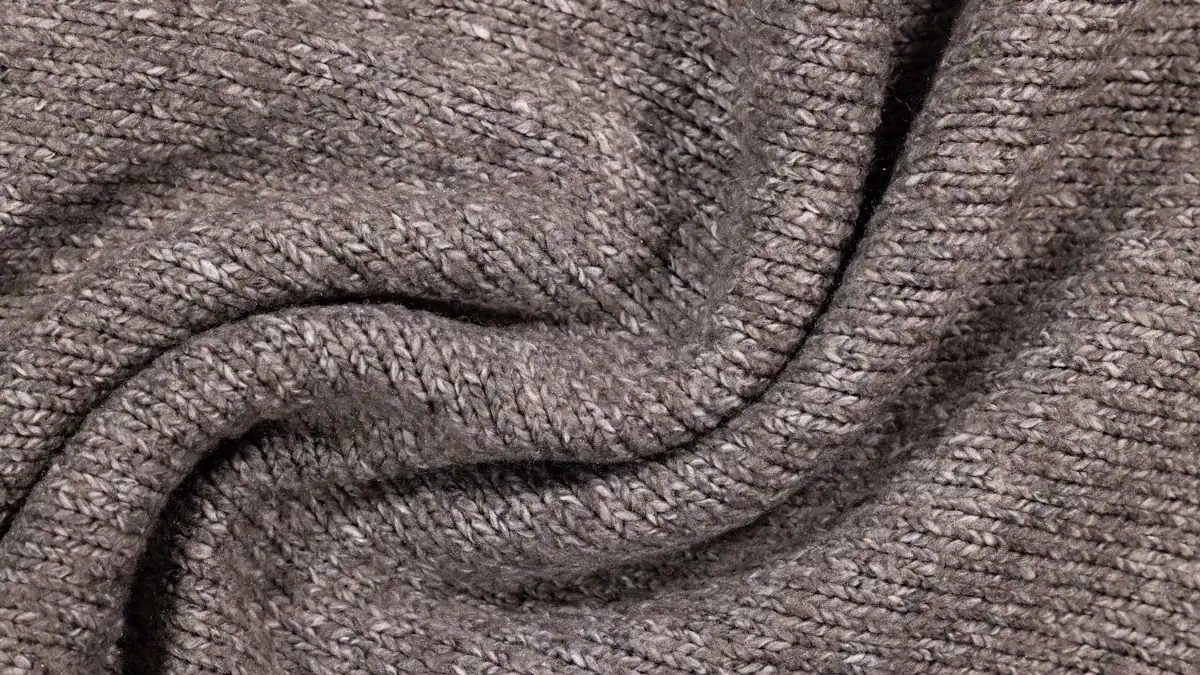
Have you ever wondered where recycled polyester comes from? Most of it starts as plastic bottles, food jars, and old textiles. These things would usually go to landfills. But they can get a new life as bedding fabric.
Here is a table that shows the main sources:
Source Type | وصف | Application in Bedding Fabrics |
|---|---|---|
Post-Consumer Waste | Includes recycled materials from products like plastic bottles and jars. | Used in bed linens and upholstery |
Post-Industrial Waste | Includes leftover materials from manufacturing processes. | Used in various textile products |
Recycled polyester fabric can come from water bottles, soda bottles, and food jars. Factories also use leftover pieces from making clothes and other textiles. Using these sources helps cut down on waste and keeps the planet cleaner.
Collection and Sorting
The journey of recycled polyester bedding fabric starts with collecting used PET bottles and textiles. You help when you recycle your plastic bottles at home or work. Waste centers pick up these items from homes and businesses.
Next, workers and machines sort the PET bottles from other plastics and materials. This step is important because only some plastics can become recycled polyester. After sorting, the bottles are cleaned and washed to get rid of dirt and sticky stuff.
Labels and caps are taken off next. This keeps the recycled material pure. The bottles are then shredded into small PET flakes. These flakes are easier to handle and process. Factories wash the flakes again to remove anything left over. Special sorting methods make sure only the best PET flakes move forward.
The flakes are dried to get rid of moisture. Dry flakes melt better and make stronger fibers. After drying, the flakes are ready for the next step in recycling.
Here are the main steps in order:
Collect used PET bottles from homes, businesses, and waste centers.
Sort PET bottles from other materials.
Clean and wash to remove dirt and sticky stuff.
Remove labels and caps to keep things pure.
Shred bottles into PET flakes.
Wash the flakes again.
Sort and separate flakes for purity.
Dry the flakes.
Melt and turn flakes into strands or pellets.
Make new products from the recycled material.
Recycling Methods
You might wonder how factories turn PET flakes and old textiles into new fibers. There are two main ways: mechanical recycling and chemical recycling.
Mechanical recycling means shredding PET bottles or fabrics into new fibers. This works best for things made from one kind of plastic. Sometimes, factories mix these fibers with new ones to make them stronger. Mechanical recycling is simple and common, but it does not work well with blended fabrics or those with elastane. The fibers from this method are usually weaker and cannot be recycled again without adding new material.
Chemical recycling uses special chemicals to break down textiles into their basic parts. This method can handle mixed fabrics and even remove cotton from polycotton blends. Chemical recycling makes fibers that are as strong and good as new polyester. You can recycle these fibers many times. This method is not everywhere yet, but it is growing. Chemically recycled polyester can lower CO₂ emissions by over 40% compared to new polyester. Some processes even recycle up to 99% of the chemicals used.
New recycling technology makes the process faster and better. For example, a new polyester-dissolving process uses a solvent and microwave energy. This method breaks down polyester in just 15 minutes and works on mixed-fiber clothing without sorting. It also lowers the carbon footprint by using less energy. Some researchers have found ways to remove cotton from polycotton textiles using hydrochloric acid. They turn the cotton into glucose for biobased products and recycle the polyester fibers.
Factories now design textiles so they are easier to recycle later. This helps make recycling bedding fabrics simpler in the future.
Fiber Spinning and Fabric Creation
After recycling, the clean PET flakes or chemical parts are ready to become new fibers. Factories melt the PET flakes or use the chemicals to make a thick liquid. They push this liquid through tiny holes in a spinneret machine. The liquid cools and turns into long, thin fibers.
Workers stretch and twist these fibers to make them strong. The fibers are spun into yarn. This yarn can be woven or knitted into fabric. You get bedding that feels soft, looks bright, and lasts a long time.
Modern technology helps make high-quality recycled polyester that works as well as new polyester. You can find this fabric in bed sheets, pillowcases, and comforters. When you choose bedding made from recycled polyester, you help keep the world cleaner and get strong, easy-care products.
نصيحة: If you buy bedding made from recycled polyester, you help cut down on plastic waste and support new recycling ideas.
Recycled Polyester Fabric Benefits
الأثر البيئي
If you pick bedding made from recycled polyester, you help the earth. This fabric uses old plastic bottles and textiles. It does not use new petroleum. You save energy and make less greenhouse gas.
Making recycled polyester uses about half the energy of new polyester.
It needs up to 50% less energy than making virgin polyester.
You also help keep trash out of landfills. The good effects happen at every step. The table below shows how much CO2 drops when you use recycled polyester instead of new polyester:
Stage of Processing | Reduction in CO2eq Emissions |
|---|---|
Material Level | ~60% |
Fabric Stage | ~10% |
Clothing Units | Significant but less than 10% |
Recycled polyester bedding fabric helps keep the planet clean. Every time you choose recycled bedding, you help the environment.
Durability and Performance
Recycled polyester bedding fabric is strong and lasts a long time. You can wash your sheets many times. They do not wear out fast. Both new and recycled polyester are tough. Your bedding will not stretch, shrink, or pill.
New polyester is tough and used in sports gear.
Recycled polyester can be just as strong if recycled well.
Your bedding keeps its shape and color. Recycled polyester stands up to daily use and washing. You do not need to worry about it wearing out soon.
Tip: If you want bedding that lasts, recycled polyester is a smart pick.
Safety and Comfort
You want bedding that feels safe and comfy. Recycled polyester bedding fabric meets strict safety rules. Many products have labels that show they are tested for bad chemicals.
شهادة | وصف |
|---|---|
جي آر إس | Makes sure the fabric does not have BPA or PFAS. |
OEKO TEX | Checks for over 100 harmful chemicals. It is safe for people, even with sensitive skin. |
MADE SAFE | Shows the product is made without bad chemicals. |
OEKO-TEX® Standard 100 checks all parts for harmful stuff. It makes sure your bedding is safe for sensitive skin.
GRS shows the fabric does not have BPA or PFAS.
MADE SAFE means the product is free from toxic chemicals.
You get bedding that is gentle and does not cause allergies. Recycled polyester bedding fabric helps you sleep better and worry less about safety.
Drawbacks and Considerations
Environmental Concerns
When you pick recycled polyester bedding, you help cut waste. But there are some problems for the environment. One big problem is microplastic shedding. When you wash this bedding, tiny fibers can break off. These small pieces go into the water system.
Studies show one synthetic item can shed up to 1.7 grams of microfibers each wash. This means both washing and wearing add to pollution.
Research found textiles make 35% of ocean microplastic pollution. About 2.2 million tons of microfibers enter the ocean every year. This shows how much textiles add to plastic pollution in the world.
Microplastics in the ocean hurt sea animals. They mess up the food chain. Small creatures eat the plastic, then bigger animals eat them.
Wildlife can eat microplastics by mistake. This can hurt them, make them starve, or even cause death. Microplastics can also soak up bad chemicals from water. These chemicals can harm animals that eat the plastic.
You can use special washing bags to catch microfibers. Washing bedding less often also helps. But microplastics are still a big problem for all synthetic fabrics.
راحة وقابلية للتهوية
Recycled polyester bedding can feel different than natural fibers. Cotton lets air move through and feels more comfy. It also soaks up sweat well. Recycled polyester pulls sweat away from your skin. But it does not let air pass as well as cotton. This can make you feel hot or sweaty in warm weather.
Cotton lets air flow and feels soft.
Polyester moves sweat away but is less airy.
Recycled polyester helps with sweat but is not as breathable as cotton.
Some people with sensitive skin may feel itchy or uncomfortable. You should check for safety labels to make sure your bedding is safe.
End-of-Life Issues
Recycling programs for recycled polyester bedding are still growing. Not all bedding can be recycled again. Some bedding mixes recycled polyester with other fibers. This makes recycling harder. Here is a table that shows the main recycling processes and how well they work:
Recycling Process | وصف | Effectiveness |
|---|---|---|
Closed-loop | Makes new PET for textiles without losing quality. | Keeps material strong, but has trouble with color and cleaning. |
Open-loop | Makes different materials, often not recycled again. | Saves raw materials but creates waste at the end. |
Mechanical Recycling | Cuts and shreds fabric for other uses. | Used a lot, but the process can still hurt the environment. |
Chemical Recycling | Uses chemicals to recover PET. | New ideas are making it better, but there are still problems. |
If you want to recycle your bedding again, pick 100% recycled polyester. Recycling is getting better, but it is still hard to recycle all bedding.
Certification and Choosing Products
Certification Standards
When you buy recycled polyester bedding, you want it to be real. Certification standards help you trust what you buy. These rules check if the bedding is safe and uses recycled content. You should look for labels from trusted groups. The most common ones are GRS and OEKO-TEX®. These groups test recycled polyester and recycled PET for safety and quality.
معيار الشهادة | Guarantees |
|---|---|
جي آر إس | Checks recycled content and tracks it from start to finish. It makes sure the bedding meets environmental and social rules. |
OEKO-TEX® | Tests bedding for harmful substances. It checks for illegal and regulated chemicals. It makes sure the bedding is safe for people. |
Groups like المعيار العالمي للمحتوى المعاد تدويره (GRS) and SCS Global Services check recycled claims. They follow recycled materials through the supply chain. Bedding with these certifications is trustworthy. These standards make sure recycled polyester is safe and good for the planet.
Tips for Buying
You want to pick recycled polyester bedding that is really sustainable. Here are some tips to help you find the best products:
Look for clear labels like GRS or OEKO-TEX®. These show the bedding uses recycled polyester and is safe.
Pick bedding made from recycled PET. This helps cut plastic waste and supports the planet.
Read product details. Make sure the bedding has a high amount of recycled polyester.
Watch out for greenwashing. Some brands say their bedding is recycled but only use a little recycled material. Some use bottles instead of old textiles, which makes future recycling harder.
Choose brands that share honest information. Look for reports and stories about how the bedding is made.
Pick bedding with eco-friendly packaging. This shows the brand cares about the earth.
Use QR codes on packaging to learn more about recycled content and how it is made.
Support brands that recycle old bedding and use recycled polyester again.
Give feedback and share your thoughts. Brands that listen to customers often make better products.
Tip: If you want bedding that helps the planet, always check for trusted labels and honest details. This helps you avoid fake claims and pick real recycled polyester bedding.
Misleading Claim/Tactic | شرح |
|---|---|
Recycled polyester as a miracle solution | Brands say rPET is perfect and hide its problems. |
Downcycling instead of recycling | Most rPET comes from bottles, not old textiles, so it is harder to recycle again. |
Selective transparency in marketing | Brands talk about small rPET amounts but use mostly new polyester. |
Use of green labels and sustainable collections | Fast fashion brands sell “green” bedding but do not fix bigger problems. |
You can make smart choices by learning about recycled polyester and sustainable products. Honest brands help you find bedding that is safe, comfy, and good for the earth.
You now know recycled bedding polyester fabric is made from PET bottles and old textiles. This fabric helps the planet by cutting down on plastic waste and saving energy. When you pick bedding made from recycled polyester, you help the earth. The process uses less energy, which is good for the textile industry. By choosing products made from waste, you help save resources. This choice also lowers greenhouse gas emissions. You help the earth by supporting a circular economy. Recycled polyester bedding fabric has many good points, but there are some problems. Tiny microplastics from these fibers can hurt the environment. The fabric does not break down in nature, which is a problem. Most recycled polyester comes from bottles, not old clothes, so it is not perfect. Only a small amount of old textiles get recycled, so there are still challenges. Some brands may say their bedding is greener than it really is, so always check for trusted labels. You can help by picking bedding with clear certifications. Look for GRS or OEKO-TEX® labels to make sure it is real. Your choices help the planet and make it cleaner. Try to think about the earth when you shop for bedding.
Remember: Every time you pick recycled polyester bedding, you help the planet and make the world healthier.
Pick bedding with trusted labels for real benefits.
Buy from brands that care about the earth and are honest.
Learn more so you can help the bedding industry get better.
أسئلة شائعة
What is the main difference between recycled and regular polyester bedding?
Recycled polyester bedding is made from old bottles or textiles. Regular polyester bedding uses new petroleum. Both types feel almost the same. Recycled polyester bedding helps cut waste and saves energy.
Can you wash recycled polyester bedding in a washing machine?
You can wash recycled polyester bedding in your washing machine. Use cold or warm water for washing. Do not use high heat to dry it. This helps your bedding stay nice and last longer.
Does recycled polyester bedding feel soft?
Recycled polyester bedding feels soft and smooth to touch. It may feel a little different than cotton. Most people think it is comfy for sleeping.
Is recycled polyester bedding safe for sensitive skin?
Bedding with OEKO-TEX® or GRS labels is tested for safety. These labels mean it does not have harmful chemicals. Most people with sensitive skin can use it without problems.
انظر أيضاً
مقارنة الطباعة اللوحية والرقمية لأغطية السرير المصنوعة من البوليستر في عام 2025
 Arabic
 English
 Spanish
 French
 Italian
 Portuguese
 Vietnamese