
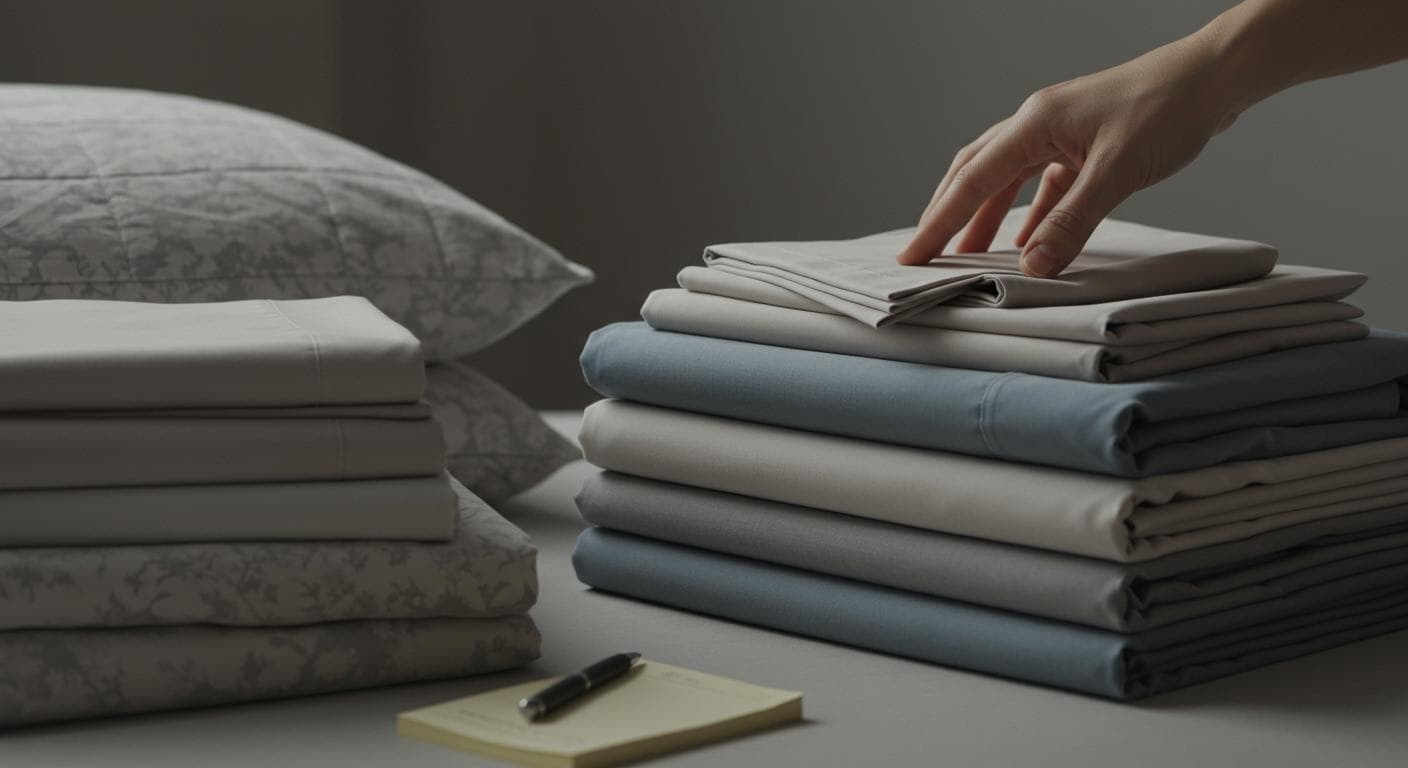
You want your business to stand out with quality products. Picking the right wholesale bedding fabric can make a huge difference for your customers. The bedding market keeps growing fast.
The global home bedding market reached $104.64 billion in 2023.
Experts expect it to hit $172.36 billion by 2030, with a 7.4% yearly growth rate.
When you make smart choices now, you set your business up for happy customers and long-term success.
أهم النقاط
Find out who will buy your bedding. Pick bedding that fits what they need. Hotels and families like different materials.
Ask for fabric samples before you buy a lot. Samples help you check the quality. They also show if the fabric is right for your buyers.
اختر good materials with a thread count from 200 to 400. This number gives both comfort and strength.
Think about using eco-friendly fabrics like organic cotton or bamboo. These fabrics are good for people who care about the environment.
Make good connections with suppliers you can trust. Good suppliers give you quality products. They also help your business grow.
Know Your Needs
Target Market
You want to make sure your bedding fits your customers. Start by thinking about who will use your products. Are you selling to hotels, college students, families, or luxury homes? Each group has different needs. For example, hospitality businesses often look for cotton because it feels soft and breathes well. They also like cotton-polyester blends for less wrinkling and easy care. Microfiber works great for durability and simple cleaning.
Tip: Match your bedding to your market’s lifestyle. Young professionals and families want easy-to-care-for and tough materials. College students pick affordable and simple options. Older customers care more about comfort and long-lasting textiles. High-income homes go for premium bedding, while others choose what fits their budget.
Location matters too. People in warm places prefer lightweight bedding, while those in cold areas want heavier fabrics. Seasonal trends also play a role. In summer, breathable materials like cotton and linen help keep cool. In winter, flannel and microfiber add warmth.
Usage & Volume
Think about how much bedding you need and how it will be used. Hotels and busy rentals need bedding that stands up to lots of washing and heavy use. You should look for textiles that are durable, comfortable, and easy to maintain. If you buy too much fabric without a plan, you might waste money and space. Some businesses spend too much time searching for the perfect material, which can slow things down.
Plan for re-orders so you don’t run out of stock.
Always check the quality of your fabric before buying in bulk.
Make sure the sample matches the production batch to avoid surprises.
If you know your needs, you can pick the right wholesale bedding fabric and avoid common mistakes. This helps your business run smoothly and keeps your customers happy.
Choose Wholesale Bedding Fabric
أنواع المواد
When you pick wholesale bedding fabric, start with the right material. Your choice changes how comfy, strong, and easy to clean your bedding is. The most common materials in wholesale textiles are:
قطن
كتان
بوليستر
فانيلا
حرير
تينسل
خيزران
رايون
Cotton is soft and lets air pass through. Polyester is strong and does not wrinkle easily, so it works well for busy places. Linen feels cool and fresh, which is good for summer. Flannel keeps you warm in cold weather. Silk makes bedding feel fancy. Tencel and bamboo are good for the planet and gentle on skin. Rayon feels smooth.
Tip: Pick the material that fits what your customers want. Hotels usually like cotton or blends because they are comfy and simple to care for. Families might choose polyester since it lasts a long time.
Weave & Thread Count
The weave and thread count change how bedding feels and how long it lasts. You should pick a weave that matches your market. Percale feels crisp. Sateen is smooth and shiny. Twill is tough and does not wear out fast.
Thread count is important too. Most experts say between 200 and 400 is best. If the number is too low, bedding feels rough and wears out quickly. If it is too high, bedding might not let air through. Textile studies show a luxury bedding supplier in Italy switched from 120-thread-count linen to 160-thread-count. This cut customer complaints about fraying by 30%. Another company found that 180 thread count gave the best mix of softness and strength after many washes.
Strong stitching keeps bedding together. Experts say polyester threads last longer. You want about 6 stitches in each centimeter for strong seams. Lock stitches are better than overlock, especially when there are more stitches. Heavy-duty seams help bedding last longer.
Stitch Feature | Industry Standard |
|---|---|
Thread Choice | Polyester threads for durability |
Stitch Density | About 6 stitches/cm for strong seams |
Lock Stitches | Preferred for strength, especially at higher densities |
Heavy-duty Seams | Boost longevity and resist wear |
Picking the right material, weave, and stitching helps you make bedding that lasts and feels good.
Request Samples
Quality Check
You need to make sure your bedding fabric is good before buying a lot. Ask for samples so you can touch and see the material yourself. When you get a sample, look for any problems or weak spots. Use bright light to check for stains, holes, or color issues. There are easy ways to test if the fabric is high quality. People use these common methods to check bedding fabric:
Method | وصف |
|---|---|
Visual Fabric Inspection | Inspectors look at the fabric for stains, color problems, and holes using good lighting. |
The 4-Point System | Defects get points based on size, which helps decide if the fabric is usable. |
Shading or Color Matching | Checks if fabric rolls have the same color by looking at them under normal lighting. |
Fabric Weight and Density Check | Checks how heavy and thick the fabric is to see if it meets standards. |
Fabric Width and Shrinkage Test | Measures the width and checks if the fabric shrinks after use. |
You can ask your supplier how they check their fabric. If they use these ways, they care about quality. Always look at samples from different suppliers. This helps you see which fabric is stronger and looks better.
Tip: Always ask for a sample. It helps you avoid mistakes and keeps your customers happy.
Suitability
After you check the sample’s quality, think about if it fits your needs. Does the fabric feel right for your customers? Hotels need bedding that can handle lots of washing. Families want soft and easy-to-clean bedding. Wash the sample at home to see how it does. Watch for fading, shrinking, or roughness. If the sample does well, you can trust the big order will be good.
Check if the sample matches your brand’s look. The right color, pattern, and finish help your products stand out. Good fabric helps your business look great. When you find a sample that works, you know you made a smart choice for your bedding fabric.
Assess Quality
متانة
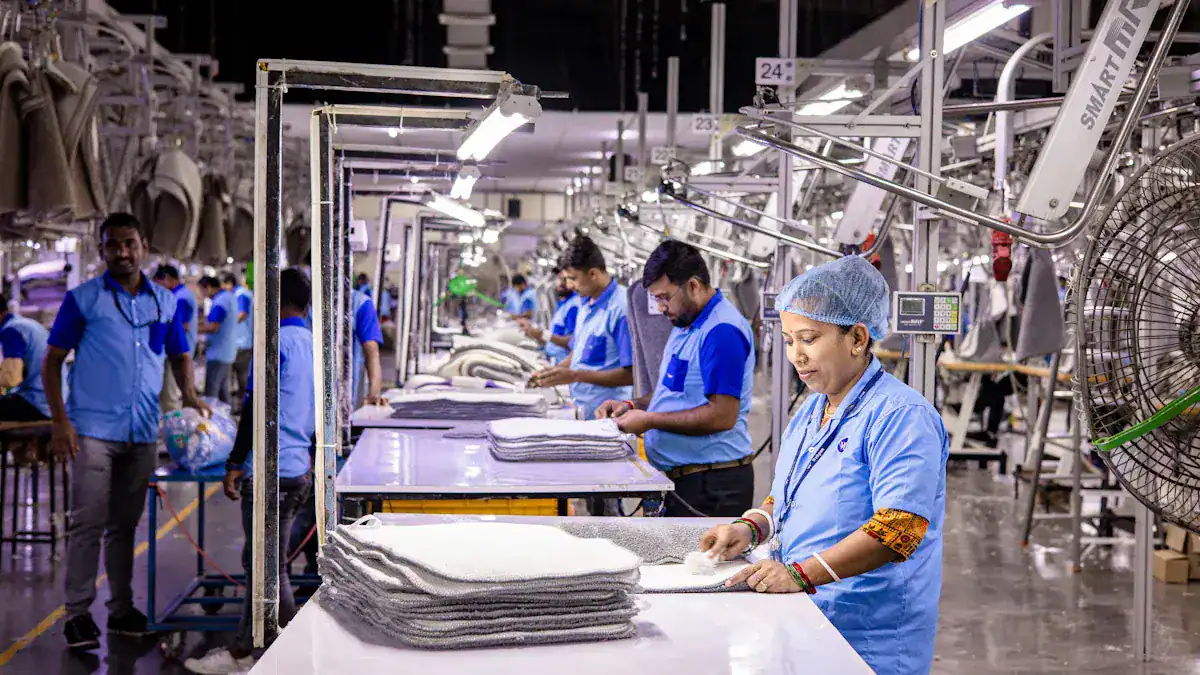
You want bedding that lasts. When you check wholesale bedding fabric, always test for strength. Pull the fabric gently. It should not tear or stretch out of shape. Rub the surface with your hand. Good textiles will not pill or fuzz easily. If you hold the fabric up to the light, you should not see thin spots. These weak areas can wear out fast.
Hotels and busy homes wash bedding often. High-quality fabrics keep their color and shape after many washes. You can do a simple wash test at home. Wash a small piece of fabric a few times. Look for fading, shrinking, or roughness. If the fabric stays soft and strong, you know it is a good choice.
Tip: Always ask your supplier about the fabric’s durability. Some suppliers in wholesale textiles offer test results or certificates. This helps you trust their products.
Finish
The finish of your bedding fabric changes how it looks and feels. It also helps bedding last longer. Some finishes make the fabric softer. Others protect against germs or add bright colors and patterns. You can see the impact of different finishes in الجدول التالي:
Type of Finish | Impact on Longevity and Appearance |
|---|---|
Softening | Enhances comfort and drape, making fabrics more pleasant to the touch and suitable for bedding. |
Antimicrobial | Reduces odors and enhances hygiene, maintaining a hygienic environment for bedding products. |
Aesthetic | Improves visual appeal through dyeing, printing, and embossing, making bedding more attractive and diverse in design. |
You want bedding that feels nice and looks great. Softening finishes make sheets cozy. Antimicrobial finishes help keep bedding fresh. Aesthetic finishes give you more design choices. When you choose bedding with the right finish, your customers will notice the difference.
Evaluate Supplier Reputation
Picking the right supplier is very important for your bedding business. A good supplier helps your business do well. You want someone who always gives you good products. Here are some ways to see if a supplier is honest.
Reviews & Testimonials
First, read what other buyers say about the supplier. Reviews and testimonials tell you how the supplier treats people. Look for comments about how good the products are. Check if deliveries are fast and if customer service is helpful. Lots of good reviews mean the supplier is probably good. If you see many complaints or slow replies, be careful. These problems can cause trouble later.
Here is a simple guide for what to check:
معايير | وصف |
|---|---|
جودة المنتج | Make sure the supplier has high standards and certifications. |
Customer Service | See if they answer questions fast and fix problems. |
Pricing | Check if prices are fair and clear. |
Delivery Times | Ask how fast they ship and if they are on time. |
Industry Reputation | Read reviews to see if they are trusted in textiles. |
Tip: Talk to other business owners who used the supplier. They can tell you what it was like and help you not make mistakes.
شهادات
Certifications show the supplier cares about safety and quality. Trusted labels mean the bedding fabric follows strict rules. Some important certifications in this business are:
Certification Name | غرض | Required Certification Level |
|---|---|---|
غوتس | Checks for organic materials and fair work. | Needs at least 70% organic fibers and checks the whole supply chain. |
Masters of Linen™ | Shows linen comes from trusted places in Europe. | For European makers using pure linen or at least 50% linen. |
IVN Best Naturtextil | Needs 100% organic materials and eco-friendly ways to make it. | Checks every step, makes sure workers are treated well and the earth is safe. |
When you choose suppliers with these certifications, you show customers you care about quality and nature. This helps people trust you and makes your business special.
Remember: A good supplier helps you feel calm. You get good products, fewer problems, and happy customers.
تخصيص
Options
You want your bedding to stand out. Customization gives you the power to make products that fit your business and your customers. Many bedding wholesalers offer choices like custom labeling, special sizes, unique packaging, or different fabric options. You can pick colors, patterns, and even add your logo. This helps you create bedding that matches your brand and meets your market’s needs.
Custom labeling
Special sizing
Unique packaging
Fabric choices
Tip: Ask your supplier what customization options they offer. You might find new ways to make your bedding more appealing.
When you choose custom features, you show your customers that you care about their experience. You can offer bedding that fits their style or solves their problems. This makes your products more valuable and helps you stand out in the crowded textiles market.
Branding
Branding turns simple bedding into a powerful tool for your business. When you add your logo or design, you build trust and make your products easy to recognize. High-quality linens with your brand show professionalism and give guests a sense of luxury and comfort. People remember how they feel when they use your bedding. If they enjoy it, they want to come back.
Hotels often use branded bedding to create a strong connection with guests. When guests see your brand on bedding, they think of their stay and the good service they received. Some hotels even sell their bedding for home use. This keeps your brand in customers’ minds and reminds them of their hotel experience every day.
Note: Branding is not just about looks. It helps you build loyalty and encourages repeat business. Your bedding becomes part of your customer’s life, both at home and during their travels.
Branding and customization work together to help you grow your business and keep customers coming back.
Compare Pricing
Bulk Discounts
You want to get the best deal when you buy bedding fabric. Comparing prices helps you save money and get more value for your business. Many suppliers offer bulk discounts, so the more you order, the less you pay for each yard. If you buy a large amount, you can lower your costs and boost your profit. Bulk pricing makes a big difference, especially when you need lots of textiles for hotels or stores.
إلقاء نظرة سريعة على average price ranges for linen bedding fabric:
نوع المادة | Price Range (per yard) | Price Range (per meter) |
|---|---|---|
Wholesale Linen | $1.82 | $2.00 – $2.25 |
Premium Organic Linen | $2.90 – $3.85 | $3.20 – $4.20 |
You see that buying in bulk can help you get competitive pricing. If you order more, you pay less per yard. This helps you offer better deals to your customers and stay ahead of other businesses.
Tip: Always ask your supplier about bulk discounts before you place a big order. You might find special offers that make your purchase even smarter.
Negotiate Terms
You can get even better deals if you know how to negotiate. Suppliers want your business, so they often listen to your requests. Try these strategies to secure competitive pricing and good terms:
Learn what you want and check what other suppliers charge.
Make a low counteroffer to see if the supplier will lower the price.
Stay calm and avoid showing too much excitement.
Ask questions and request extras, like free shipping or samples.
Be ready to walk away if the deal does not work for you.
Build strong relationships with suppliers. This helps you get better deals in the future.
Prepare by researching rates and knowing what you want.
Be clear about your needs and listen to the supplier’s side.
Talk about payment terms that help both you and the supplier.
Note: Good negotiation skills help you get the best value for your money. You can save on bulk orders and make sure your business gets high-quality textiles at the right price.
Sustainability in Wholesale Textiles
Eco-Friendly Choices
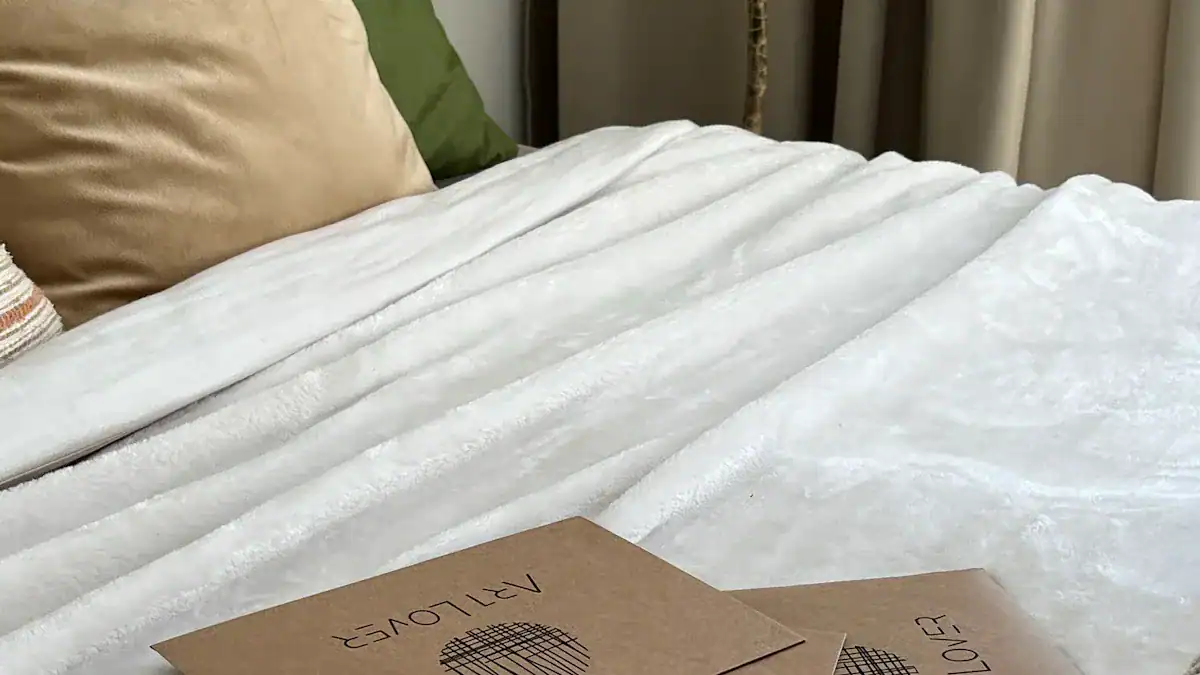
You can help the planet by picking eco-friendly bedding fabrics. Many companies want materials that are good for nature. When you choose these fabrics, you show customers you care. Some popular eco-friendly bedding materials are:
خيزران
قطن
قطن عضوي
Hemp
كتان
تينسل
Modal
Ecovero viscose
Soy
Wool blends
These materials come from nature and break down faster than synthetic ones. Organic cotton and bamboo use less water and fewer chemicals. Linen and hemp grow fast and need little pesticide help. Tencel and Modal are made from wood pulp with green methods. Picking these fabrics helps cut pollution and saves resources.
Tip: Check for labels that prove bedding meets green standards. Certifications like Organic Content Standard (OCS), Better Cotton Initiative (BCI), and Forest Stewardship Council (FSC) show products are truly sustainable.
Supplier Practices
What your supplier does is just as important as the fabric. Some suppliers use organic or recycled materials and treat workers fairly. Others use renewable energy or save water when dyeing fabrics. These actions lower pollution and keep air and water clean.
Here are things to ask about when choosing a supplier:
Do they offer organic or recycled materials?
Do they use natural fibers that break down easily?
Are they certified by groups like Global Recycled Standard (GRS) or Responsible Wool Standard (RWS)?
Do they use renewable energy or waterless dyeing?
Do they treat workers fairly?
Working with suppliers who care about the earth helps protect nature and supports fair jobs. Customers will see you care about quality and doing what’s right. Picking sustainable textiles is smart for your brand and the planet.
Care Instructions
Laundering
You want your bedding to last and look great. The way you wash and care for your sheets makes a big difference. Follow these simple steps to keep your wholesale bedding fabric in top shape:
Use only a quarter cup of detergent. Too much soap can wear out your sheets.
Skip the bleach. Bleach breaks down delicate fibers and shortens the life of your bedding.
Wash dark colors separately. This stops color bleeding and keeps your sheets bright.
Choose a gentle spin or tumble setting. Don’t overload the washing machine.
Hang your sheets in a shaded spot with good airflow to dry. Air drying helps prevent shrinking and keeps fabric strong.
Store your sheets in a breathable fabric bag. Avoid zipped storage so your bedding stays fresh.
Treat stains right away. Dab with a clean, damp cloth and use a gentle, enzyme-based stain remover.
You can also sort laundry by fabric type. This helps you wash delicate bedding with care. Washing in cold water protects fibers and keeps colors from fading. Low heat or air drying stops damage from high temperatures, which can shrink or weaken your bedding.
Tip: Good care habits help your bedding last longer and keep customers happy.
Performance
You want bedding that stays strong and soft, even after many washes. How you care for your textiles affects their performance over time. Here’s what happens when you wash bedding often:
Most microfibers come out during the first wash. Later washes release much less.
Sorting bedding by fabric type reduces wear and tear, especially for delicate materials.
Cold water washing helps prevent shrinking and fading, which is important for cotton and TENCEL™.
Low heat drying keeps fabrics from getting weak or losing shape.
Experts use special tests to check bedding performance. They look at mechanical strength after many washes. They also measure how much the fabric breaks down by checking the degree of polymerization. These tests show that good care keeps bedding strong and looking new.
Note: When you follow the right care steps, your bedding will last longer and perform better for your customers.
You should make smart choices when you pick wholesale bedding fabric. Focus on quality, not just price. This helps your customers stay happy. It also keeps your business strong. Here are some easy tips from experts:
Pick natural fibers like cotton or linen. These are comfy and last long.
Look for thread counts between 200 and 400.
Choose eco-friendly fabrics like organic cotton or bamboo.
Always ask for samples before you buy a lot.
Build strong relationships with your suppliers.
A simple checklist can help you remember what matters:
Key Considerations | وصف |
|---|---|
جودة | High-quality fabrics make your products reliable. |
Reliability | Good suppliers keep your stock steady. |
الاستدامة | Eco-friendly choices are important to customers. |
Total Value | Think about more than just the price. |
Innovation | Work with suppliers who have new ideas. |
Follow these steps every time you buy fabric. You will get better results. Your customers will be happier.
أسئلة شائعة
How do you know if linens are high quality?
You can check the feel and weight. Good linens feel soft and smooth. They should not have loose threads or thin spots. Always ask for a sample before you buy.
Can you mix different linens in one order?
Yes! Many suppliers let you mix colors, sizes, or styles. This helps you test what your customers like best. Just ask your supplier about their options.
What is the best way to store linens?
Keep linens in a cool, dry place. Use a fabric bag instead of plastic. This keeps them fresh and stops mildew. Fold them neatly so they stay smooth.
How often should you replace bedding in hotels?
You should replace bedding every one to two years. If you see stains or wear, change it sooner. Fresh linens help guests feel comfortable and happy.
Do all linens need special washing?
Most linens need gentle washing. Use mild soap and cold water. Avoid bleach. Always check the care label. This keeps your linens looking new and feeling soft.
انظر أيضاً
مقارنة الطباعة بالطلاء والطباعة الرقمية لأغطية السرير المصنوعة من البوليستر
 Arabic
 English
 Spanish
 French
 Italian
 Portuguese
 Vietnamese