
You will find several types of linen used in daily life. These include damask, plain-woven, loosely-woven, sheeting, Belgian, Irish, towel, upholstery, and handkerchief linen. Each type offers a unique texture and purpose. For example, damask linen features detailed designs and a smooth finish, while towel linen excels in absorbency. The table below shows how common each type is:
Type of Linen Fabric | |
|---|---|
Damask Linen Fabric | 130,000 |
Plain-Woven Linen Fabric | 280,000 |
Loosely Woven Linen | 95,000 |
Sheeting Linen | 160,000 |
Toweling | 85,000 |
You will learn how to select the best types of linen for your needs by understanding their features and uses.
أهم النقاط
Linen is a natural fabric made from flax fibers, known for its strength, breathability, and unique texture.
Different types of linen, such as damask, plain-woven, and loosely-woven, serve various purposes, from formal dining to everyday use.
Linen is eco-friendly and biodegradable, making it a sustainable choice compared to synthetic fabrics.
When selecting linen, consider its properties like absorbency, durability, and comfort to match your specific needs.
Linen blends, such as linen-cotton and linen-silk, offer additional benefits like softness and reduced wrinkling for everyday use.
What Is Linen
Definition
Linen is a natural fabric made from the fibers of the flax plant. You will notice that linen stands out because of its smooth texture and subtle shine. The fibers used to make linen are much longer than those in cotton. Linen fibers usually measure between 12 and 24 inches, while cotton fibers are only 1 to 2 inches long. This length gives linen its strength and unique spinning quality. You can see a semi-transparent look and a natural luster in linen, which makes it different from other fabrics. Linen does not have the hollow and twisted structure that you find in cotton. Instead, it has nodes along the fibers, which add to its character.
Tip: If you want a fabric that feels crisp at first but softens with use, linen is a great choice.
Key Properties
When you choose linen, you benefit from several important features. Linen is highly breathable, so you stay cool in warm weather. The fabric wicks moisture away from your skin, which helps you feel dry and comfortable. Linen is also hypoallergenic, making it a good option for people with sensitive skin. You will find that linen is durable and lasts a long time, even with frequent use. The crisp texture of linen softens over time, which increases comfort.
Here are some key properties that set linen apart from other natural fibers:
Long fibers (12–24 inches) give linen strength and durability.
Smooth, semi-transparent appearance with a natural shine.
Breathable and moisture-wicking, ideal for summer clothing and bedding.
Hypoallergenic and gentle on sensitive skin.
Biodegradable and eco-friendly, requiring fewer chemicals than cotton.
Linen softens with each wash, making it more comfortable over time.
You can use different types of linen for clothing, home textiles, and specialty products. Linen’s superior breathability also makes it better than polyester, which tends to trap heat. If you care about sustainability, linen is a smart choice because it breaks down naturally and uses fewer pesticides.
Main Types of Linen Fabric
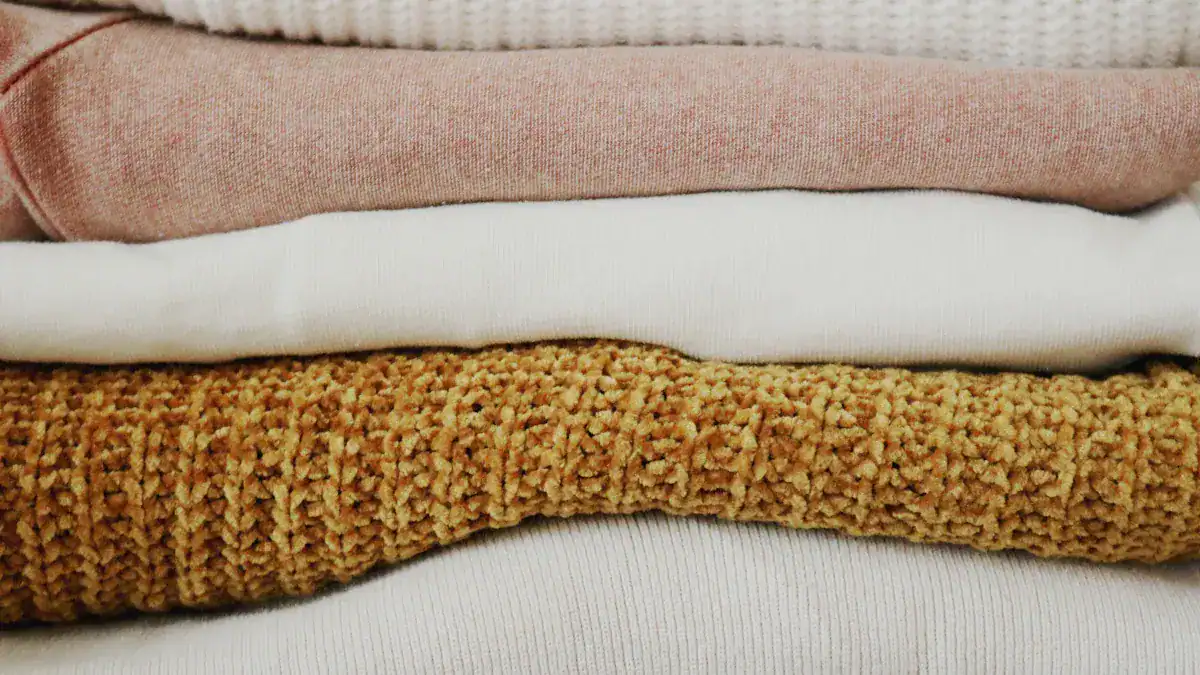
You will find four main weaving-based types of linen. Each type has a unique weave structure, texture, and best use. The table below shows how the weave patterns differ:
نوع النسيج | وصف |
|---|---|
Plain | The weft alternates over and under the warp in a crisscross pattern. This creates a durable fabric. |
تويل | The weft passes over and under the warp threads in a diagonal pattern. You see a distinctive rib. |
Herringbone Twill | The weave forms a V-shaped pattern. This creates a textured fabric with a herringbone design. |
Dobby | The weave uses a mechanism to create intricate patterns. You get complex designs and textured effects. |
Damask Linen
You will notice damask linen by its elegant patterns and smooth finish. The weave uses a combination of satin and plain techniques, which creates reversible designs. Damask linen feels soft and becomes even softer after each wash. You can use damask linen for tablecloths, napkins, and window treatments. The tight weave resists stains and spills, so your table linens last longer. Damask linen also works well for upholstery because it withstands daily wear and hides stains with two-tone patterns.
Tip: Damask linen is a smart choice for formal dining rooms. The patterns look beautiful and resist fading, even after many washes.
Here is a comparison of damask linen’s uses and features:
Use Case | Characteristics of Damask Linen | Comparison to Other Linen Types |
|---|---|---|
Table Linens | Woven patterns resist fading. Tight weave resists stains. Reversible design. Softens with use. | More durable than printed tablecloths. |
Window Treatments | Natural weight creates structured folds. Patterns change with light. Breathable. Reversible. | More structured than loosely-woven linen. |
تنجيد | Tight weave withstands wear. Two-tone patterns hide stains. Breathable. | Superior durability compared to plain-woven linen. |
فراش | Regulates temperature. Softens with each wash. Moisture-wicking. Hypoallergenic. | More comfortable than sheeting linen. |
Fashion & Accessories | Used in structured garments. Less common for clothing. | Not as versatile as loosely-woven linen for draped styles. |
Plain-Woven Linen
Plain-woven linen is the most common type you will see. The weave uses a simple crisscross pattern, which makes the fabric strong and durable. You can use plain-woven linen for dish towels, hand towels, and everyday tablecloths. The texture balances sturdiness and softness, so you get a fabric that feels pleasant and lasts a long time.
Type of Linen | Texture Characteristics | خصائص المتانة |
|---|---|---|
Plain-Woven Linen | Strong and durable. Balances sturdiness and softness. | Suitable for everyday items. Long-lasting quality. |
Note: If you want linen for frequent use, plain-woven linen is a reliable choice. It holds up well to washing and daily wear.
Loosely-Woven Linen
Loosely-woven linen feels soft and breathable. The weave leaves more space between threads, which increases absorbency. You will find this type in towels and lightweight summer clothing. Loosely-woven linen dries quickly and keeps your skin comfortable. The fabric can absorb up to 20% of its weight in water, but it does not feel damp because air circulates easily.
Loosely-woven linen dries fast, so you stay dry.
The fabric remains comfortable even after absorbing water.
Excellent air circulation makes it ideal for hot weather.
Type of Linen | Texture Characteristics | خصائص المتانة |
|---|---|---|
Loosely-Woven Linen | High absorbency. Soft. Breathable. | Ideal for lightweight clothing. Quick-drying. |
Tip: Choose loosely-woven linen for towels or summer shirts. You will enjoy the cool, airy feel.
Sheeting Linen
Sheeting linen has a soft surface and drapes well. The weave is looser, which increases breathability and comfort. You will find sheeting linen in bed sheets and pillowcases. The heavier weight adds durability, so your bedding lasts longer. Sheeting linen regulates temperature and feels gentle against your skin.
خاصية | وصف |
|---|---|
وزن | Heavier weight. Provides comfort and durability. |
نسج | Looser weave. Enhances breathability and comfort. |
Recommended Use | Ideal for bed linens. Softness and temperature regulation. |
Type of Linen | Texture Characteristics | خصائص المتانة |
|---|---|---|
Sheeting Linen | Soft surface. Drapes well. | Durable. Maintains breathability. Ideal for bedding. |
Note: If you want bedding that feels cool and lasts, sheeting linen is a top choice.
You can select from these types of linen based on your needs. Damask linen works best for formal settings. Plain-woven linen suits everyday use. Loosely-woven linen is perfect for towels and summer clothes. Sheeting linen gives you comfort and durability for bedding.
Specialty and Regional Types of Linen
You will find several specialty and regional types of linen that offer unique qualities for different uses. Each type stands out for its texture, durability, and best applications.
Belgian Linen
Belgian linen is famous for its high quality and durability. You will notice a natural sheen and textured surface that feels soft and luxurious. Belgian linen is also eco-friendly and hypoallergenic, which makes it a smart choice for sensitive skin. You can choose from different fabric weights depending on your needs:
وزن القماش | Typical Use | فوائد |
|---|---|---|
Lightweight (100–150 g/m²) | Shirts, blouses, summer dresses | High breathability, soft drape, ideal for warm weather |
Medium Weight (150–220 g/m²) | Trousers, skirts, light upholstery | Balanced structure and comfort, holds shape well |
Heavyweight (220–350 g/m²) | Home textiles, tablecloths, curtains, outerwear | Durable, wrinkle-resistant, excellent for structured designs |
Tip: Belgian linen works well for both clothing and home décor because it combines strength with a beautiful finish.
Irish Linen
Irish linen has a strong reputation for quality. You will find that Ireland’s climate helps produce excellent flax, which is the main material for linen. Farmers often weave linen during slow farming seasons, which keeps costs low and quality high. The arrival of skilled weavers and advanced looms in Ireland improved the scale and quality of production. Irish linen is known for its smooth texture and crisp feel, making it ideal for fine tablecloths and formal shirts.
Towel Linen
Towel linen is designed for maximum absorbency and quick drying. You will benefit from these features:
Ultra-absorbent, holds up to 20% of its weight in moisture before feeling wet
Dries quickly, which helps prevent odors and bacteria
Durable for repeated use in bathrooms
Eco-friendly and sustainable
Breathable for added comfort
You can use towel linen for bath towels, kitchen towels, and spa accessories.
Upholstery Linen
Upholstery linen is made for strength and durability. You will see it used in sofas, chairs, and cushions. The fabric resists wear and keeps its shape over time. Upholstery linen often features a heavier weight, which adds structure and longevity to furniture.
Handkerchief Linen
Handkerchief linen is lightweight and airy. You will find it perfect for delicate items like handkerchiefs and lightweight scarves. Its softness and breathability make it a favorite for warm-weather accessories and fine details.
Note: When you explore different types of linen, you can match each specialty to your needs, from absorbent towels to elegant tablecloths.
Linen Blends
You will find that linen blends offer a mix of comfort, durability, and style. When you choose a linen blend, you get the benefits of linen along with the features of other fibers. These blends suit many needs, from clothing to home textiles.
Linen-Cotton
Linen-cotton blends combine the breathability of linen with the softness of cotton. You will notice that these fabrics feel gentle against your skin and regulate temperature well. Many people prefer linen-cotton for summer wear and bedding because it stays cool and comfortable. The blend also makes the fabric easier to care for and less likely to wrinkle.
المزايا | سلبيات |
|---|---|
Reduced durability compared to pure linen | |
Soft texture, gentle against the skin | Low stain resistance |
Excellent temperature regulation | Possibility of pilling or fraying |
Improved wear and tear resistance | Requires more care and maintenance |
Tip: If you want a fabric that feels soft and cool, linen-cotton blends are a smart choice for everyday use.
Linen-Silk
Linen-silk blends bring together the crispness of linen and the sheen of silk. You will see a graceful drape and a refined look in these fabrics. Linen-silk works well for elegant garments, scarves, and curtains. The silk adds a luxurious shine, while linen keeps the fabric breathable and comfortable.
Silk adds a natural sheen and smooth texture.
Linen provides structure and breathability.
The blend creates a sophisticated appearance with a gentle flow.
Note: Linen-silk blends are perfect for special occasions or when you want a touch of luxury.
Other Blends
You will find linen blended with other fibers like viscose and polyester. Each blend offers unique benefits:
Linen and viscose: Adds fluidity, sheen, and drape. Ideal for stylish dresses and blouses.
Linen and polyester: Increases durability and reduces wrinkling. Great for active wear and easy-care home textiles.
Linen and cotton: Combines softness and breathability. Perfect for summer clothing and bedding.
Linen blends keep you comfortable in warm weather and hold up well with frequent use. You can choose a blend based on your need for softness, durability, or easy care.
عقار | 100% Linen | Linen Blends |
|---|---|---|
تكوين | Made entirely from flax fibers | Mixed with materials like cotton or polyester |
متانة | Superior durability | Varies, generally less durable than pure linen |
قابلية التنفس | May be less breathable depending on the blend | |
نعومة | Gets softer over time | Often softer initially, but may not improve with age |
تكلفة | More expensive due to flax fiber | Generally less expensive due to lower linen content |
عناية | Requires more care, wrinkles easily | Easier to care for, less wrinkling |
Eco-friendliness | Highly eco-friendly | Varies based on blend materials |
Suitability | Best for maximum cooling properties | Suitable for those preferring softness and ease of care |
Choosing the right linen blend helps you match comfort, style, and practicality for any occasion.
Types of Linen Uses
ملابس
You can choose from several types of linen for clothing. Sheeting linen works well for shirts and dresses because it feels soft and has a close weave. Loosely-woven linen is best for items that need high absorbency, such as reusable diapers or napkins. Damask linen is more decorative and suits accessories or special garments. The weight of linen also matters. Light linen feels airy and works for summer blouses, tunics, and pajamas. Medium linen balances softness and structure, making it ideal for pants, dresses, and jackets. Heavy linen holds its shape and fits structured coats or blazers.
وصف | استخدامات شائعة | |
|---|---|---|
Sheeting linen | Soft surface, close weave | Shirts, dresses, everyday apparel |
Loosely-woven linen | Highly absorbent, least durable | Diapers, napkins |
Damask linen | Ornate, delicate, decorative | Accessories, special garments |
Tip: Choose lighter linen for summer clothes and heavier linen for jackets or coats.
منسوجات منزلية
You will find linen in many home products. Stonewashed linen and washed linen are popular for bedding and curtains. These types of linen feel soft and relaxed, and they resist fading. Eco-friendly linen supports sustainable living and works well for everyday use. Washed linen is breathable and moisture-wicking, which keeps you comfortable in warm climates.
خصائص | فوائد | |
|---|---|---|
Stonewashed linen | Soft, durable, relaxed look | Easy care, less fading |
Washed linen | Comfortable, timeless style | قابل للتنفس، ماص للرطوبة |
Eco-friendly linen | Sustainable, biodegradable | Reduces ecological impact |
Note: Washed linen bedding helps you sleep cool and dry.
Specialty Uses
You can use linen for many specialty items. Towels and handkerchiefs need loosely-woven linen for absorbency. Upholstery linen is heavier and adds durability to furniture. Very heavy linen suits jackets, handbags, aprons, and tablecloths. Linen weight affects its use. Light linen fits scarves and children’s clothing. Medium linen works for everyday wear. Heavy and very heavy linen are best for structured garments and home décor.
Linen Weight | وصف | Suitable Uses |
|---|---|---|
Light linen | Soft, airy, translucent | Blouses, scarves, pajamas |
Medium linen | Balanced, breathable | Pants, dresses, jackets |
Heavy linen | Structured, holds shape | Coats, blazers, durable pants |
Very heavy linen | Dense, rustic | Handbags, aprons, tablecloths, curtains |
You can match the types of linen and their weight to your needs for clothing, bedding, towels, or upholstery.
الإيجابيات والسلبيات
المزايا
You will find many reasons to choose linen fabric for your clothes and home. Linen stands out for its breathability and comfort. You stay cool in warm weather because linen lets air flow easily. This makes it a great choice for summer clothing and bedding.
Linen is biodegradable and environmentally friendly. Unlike synthetic fabrics, it does not add to pollution.
The flax plant, which makes linen, needs very little water. You help save water when you pick linen over cotton.
Flax grows well in many places and does not need much irrigation. This helps lower energy use.
Farmers use fewer pesticides and fertilizers for flax. You support sustainable farming when you choose linen.
Linen breaks down quickly in nature and leaves no harmful waste.
The process to turn flax into linen uses less energy and fewer chemicals. This means a smaller carbon footprint.
Linen does not shed microplastics when you wash it. You help keep oceans cleaner.
Linen wicks moisture and keeps you dry. You feel comfortable all day.
The fabric lasts a long time. Linen is stronger than cotton and can last for decades.
Tip: Linen’s durability means you can pass down linen items as family treasures.
سلبيات
Linen has some drawbacks you should know before you buy. The fabric wrinkles easily, so you may need to iron it often if you want a smooth look. Linen also costs more at first than many other fabrics.
عيب | وصف |
|---|---|
Tendency to wrinkle easily | Linen needs careful storage and frequent ironing to look neat. |
Higher initial cost | You pay more for linen than for cotton or synthetics. |
Lack of stain resistance | Linen stains easily, which can be a problem in homes with kids or pets. |
Weakens in direct sunlight | Sunlight can make linen fibers weaker, so avoid using it in bright rooms. |
Linen may not hold up well to heavy, everyday use in busy homes.
The fabric is not very stain-resistant, so spills can leave marks.
Direct sunlight can damage linen over time.
Note: If you want a fabric that is easy to care for and less likely to wrinkle, you may want to consider other options.
You can choose from many linen types, each with standout features. The table below shows how weave styles affect durability and comfort:
نوع النسيج | فوائد |
|---|---|
Plain Weave | Everyday use, strong and versatile |
Twill Weave | Stylish, durable, elegant |
Satin Weave | Soft, smooth, luxurious feel |
Specialty Weaves | Unique texture, visual appeal |
When you select linen, look for these qualities:
Breathability and absorbency for comfort
Durability for long-lasting use
Natural luster for style
Think about your needs and match linen features to your application. Linen works well for clothing, bedding, and home décor. 🌱
أسئلة شائعة
What is the best type of linen for summer clothing?
You should choose loosely-woven linen for summer clothes. This fabric feels light and lets air flow easily. You stay cool and comfortable in hot weather.
How do you care for linen fabric?
Wash linen in cool water with mild detergent. Air dry or tumble dry on low. Iron while damp for a smooth look. You avoid bleach to keep the fibers strong.
Does linen wrinkle easily?
Yes, linen wrinkles more than other fabrics. You see creases after wearing or washing. Ironing helps, but many people like the natural, relaxed look.
Can you use linen for upholstery?
You can use upholstery linen for sofas and chairs. This type feels strong and resists wear. Choose heavier linen for furniture to get the best results.
انظر أيضاً
الاختيار بين أغطية سرير من الألياف الدقيقة والبوليستر من أجل الراحة
 Arabic
 English
 Spanish
 French
 Italian
 Portuguese
 Vietnamese