
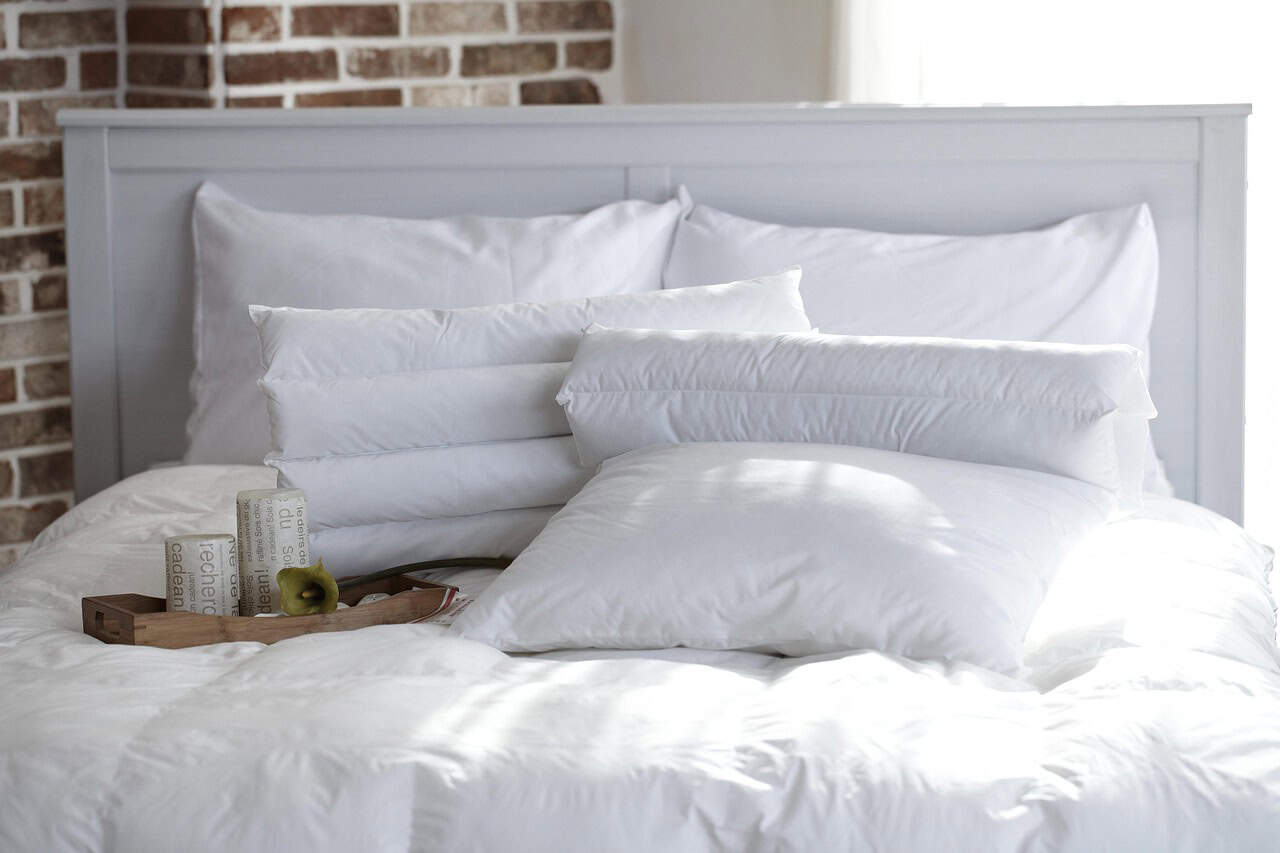
Microfiber bedding fabric uses ultra-fine synthetic fibers to create a soft and smooth material for your sheets and pillowcases. You will notice how strong and durable these sheets feel. Many people choose microfiber for bedding because it resists wrinkles, dries quickly, and stays lightweight. You can enjoy comfort in every season. The fabric mimics silk’s texture, giving you a cozy sleep, and you often find it costs less than high-quality cotton.
Soft and lightweight for comfort
Resists wrinkles and dries fast
Durable with high thread count
Feels smooth like silk
Suitable for all climates
More affordable than cotton
أهم النقاط
Microfiber bedding is soft, lightweight, and mimics silk, providing comfort for a cozy sleep experience.
This fabric resists wrinkles and dries quickly, making it easy to care for and ideal for busy households.
Microfiber is more affordable than cotton, offering great value without sacrificing comfort or style.
Consider breathability when choosing microfiber; it retains heat, which may not be suitable for hot sleepers.
To maintain microfiber bedding, wash with mild detergent and avoid fabric softeners to extend its lifespan.
Microfiber Bedding Fabric Explained

What is Microfiber Bedding Fabric
You may wonder what makes microfiber bedding fabric different from other materials. This fabric uses ultra-fine synthetic fibers, usually made from polyester and nylon. These fibers are much thinner than a strand of silk. In fact, each fiber has a diameter of less than 1 denier, which means it is even finer than silk fibers. Manufacturers blend these fibers to create a soft, smooth, and lightweight fabric for your bedding.
Here is a simple breakdown of the typical composition:
تكوين | خصائص |
|---|---|
80% Polyester | Soft and absorbent |
20% Nylon | Stain-resistant and moisture-repellent properties |
Additional fibers | May include acrylic or rayon |
You get a fabric that feels gentle on your skin and offers practical benefits for everyday use.
الخصائص الرئيسية
Microfiber bedding fabric stands out for its unique qualities. You will notice how soft and lightweight it feels. The fabric is also very durable, so you can use it often without worrying about wear and tear. It resists stains and wrinkles, making it easy to care for at home. The table below highlights the main features:
خاصية | وصف |
|---|---|
نعومة | Extremely soft and gentle to the touch, providing comfort for bedding use. |
Absorbency | Highly absorbent, can hold up to seven times its weight in water, effective for cleaning products. |
خفيف الوزن | Very lightweight, making it easy to handle and use. |
متانة | Extremely durable, can withstand wear and tear, ideal for frequent use. |
Stain resistance | Naturally resistant to stains, easy to clean with a damp cloth. |
قابلية التنفس | Allows air circulation, keeping the user cool and comfortable. |
Water-repellency | Naturally water-repellent, suitable for outdoor use. |
Resistant to wrinkles and fading | Maintains appearance over time, popular for bedding and upholstery. |
نصيحة: You can enjoy bedding that stays smooth and fresh-looking with minimal effort.
الألياف الدقيقة مقابل الأقمشة الأخرى
عندما تقارن microfiber bedding fabric to other popular bedding materials, you will see some clear differences. Microfiber fibers are much finer than those in cotton or linen. This gives the fabric a silk-like feel. However, the way it handles moisture and heat is different from natural fibers.
Cotton is highly breathable and wicks away moisture well. This makes it a good choice for hot weather.
Microfiber tends to trap heat and moisture, which can feel less comfortable if you sleep hot.
Linen is also breathable and durable, so it works well for summer bedding.
Durability is another important factor. Microfiber bedding fabric feels soft but is less durable than bamboo or high-quality cotton. Bamboo sheets last for years and resist pilling. Cotton durability depends on the quality, but good cotton sheets can also last a long time. Microfiber may wear thin or develop pilling faster than these natural options.
Here is a quick comparison:
نوع القماش | Durability Description | Pilling Risk |
|---|---|---|
مايكروفايبر | Less durable, prone to wearing thin and developing holes. | High, more prone to pilling. |
خيزران | Extremely resilient, lasts for years with repeated washing. | Low, very durable. |
قطن | Varies based on quality; high-quality cotton is generally durable. | Moderate, depends on quality. |
Caring for microfiber bedding fabric is simple. You can wash it monthly with standard detergent. It dries quickly and does not shrink. Cotton, on the other hand, needs more careful washing and takes longer to dry. Cotton may also wrinkle and shrink, so you might need to iron or steam it.
Microfiber is wrinkle-resistant and easy to maintain.
Cotton may need ironing to stay smooth.
Microfiber does not shrink, while cotton can shrink in the wash.
You can choose the fabric that fits your needs best by thinking about comfort, durability, and care.
How Microfiber Bedding Fabric is Made
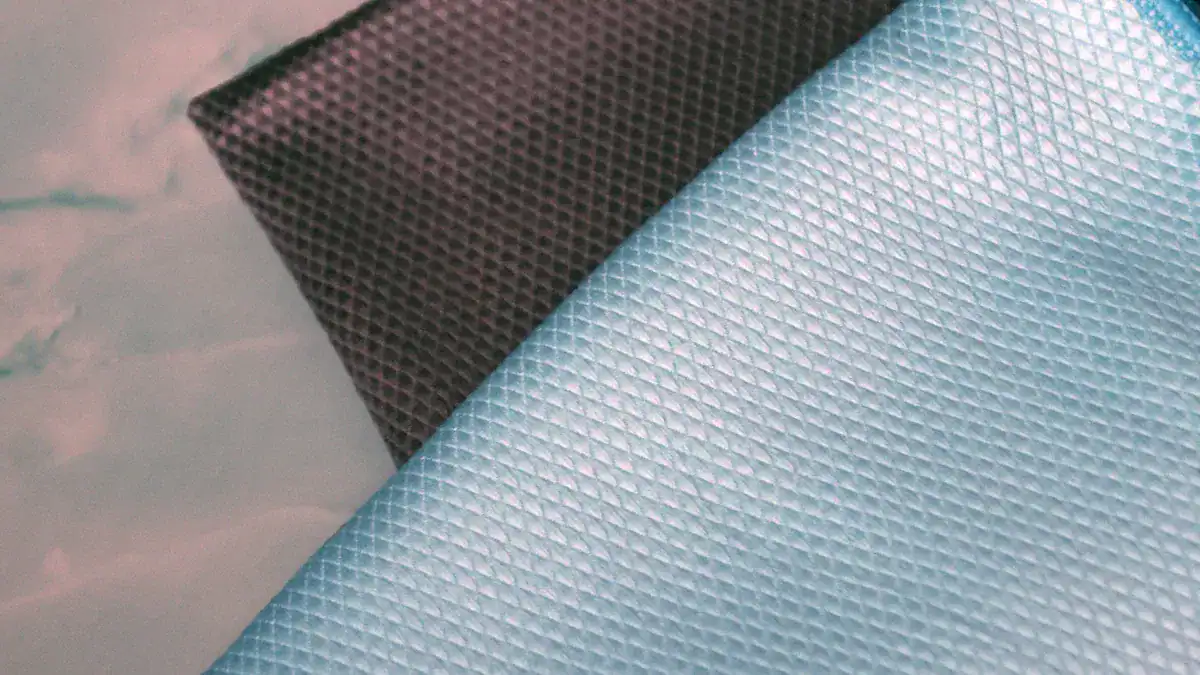
Materials Used
You will find that microfiber bedding fabric starts with synthetic materials. Manufacturers use these fibers because they create a soft and durable fabric for your bedding. The main raw materials include:
Polyamide (nylon)
Sometimes polypropylene
Polyester gives the fabric strength and softness. Polyamide, also known as nylon, adds stain resistance and helps repel moisture. Some producers add polypropylene to improve the fabric’s flexibility and reduce weight. These materials work together to make microfiber bedding fabric comfortable and practical for everyday use.
نصيحة: Synthetic fibers help your bedding resist wrinkles and dry quickly.
Production Process
You can follow several steps to see how manufacturers turn raw materials into finished microfiber bedding fabric. Each step uses special machines and techniques to create the fine texture you enjoy.
خطوة | وصف |
|---|---|
Workers mix polyester and polyamide, then heat them until they melt. Machines push the melted mixture through tiny holes to form ultra-fine yarn. | |
حياكة | Weaving machines take the yarn and create fabric. Operators adjust the machines to control softness, thickness, and durability. |
Microfiber Splitting | Large drums increase the pH level to split the fibers. This process makes the surface area larger, which improves absorbency and softness. |
Dyeing | Pressurized vessels add color to the fabric. The dyeing process uses pigments, then rinses the fabric to remove extra dye. |
Drying and Tensioning | The fabric dries while machines keep it stretched. This step helps the fabric keep its shape and size. |
Cutting | Vertical blades cut many layers of fabric at once. Some factories use automated systems to speed up cutting and sewing. |
Sewing | Workers surge and sew the pieces together. Labels show the brand and care instructions. |
Final Inspection | Inspectors check each piece for defects. They remove any items that do not meet quality standards. |
Needle Detection | Machines scan for broken needles or foreign objects to keep your bedding safe. |
تعبئة وتغليف | Finished products go into polybags or boxes. This packaging protects your bedding during shipping and storage. |
Modern factories use advanced technology to improve efficiency and quality. You will notice that automation and digital printing allow for faster production and more customization. Eco-friendly manufacturing methods, such as waterless dyeing and recycled fiber production, help reduce environmental impact and lower costs. Nanotechnology adds special coatings that make your bedding stain-resistant, water-repellent, and antimicrobial. These innovations help you get bedding that lasts longer and stays cleaner.
Technological Advancement | وصف |
|---|---|
Advanced Fiber Blending | Combines microfibers with natural fibers or other synthetics to improve feel, breathability, and durability. |
Smart Textiles | Integrates sensors for temperature regulation and moisture control, enhancing consumer value. |
Includes waterless dyeing and recycled fiber production, reducing environmental impact and costs. | |
Automation and Digital Printing | Enables customization and faster production, reducing waste and aligning with consumer trends. |
Nanotechnology Application | فوائد |
|---|---|
Stain and Water-Resistant Coatings | Reduces washing frequency, conserving water and energy. |
Antimicrobial Finishes | Provides natural odor control and enhances hygiene. |
Increased Breathability | Improves airflow and temperature regulation through nanostructures. |
Improved Durability | Extends fabric lifespan, lowering waste and enhancing sustainability. |
Weaving and Finishing
You will see that weaving plays a big role in the final feel and function of microfiber bedding fabric. Factories use different weaving techniques to create unique textures and properties. The most common weaves include:
نوع النسيج | وصف | Applications |
|---|---|---|
Un-clipped, looped piles that absorb large amounts of liquids. | Ideal for dusting and drying. | |
Waffle Weave | Features a ‘waffle’ texture for increased surface area and airflow. | Excellent for drying dishes. |
Shaggy Weave | Long pile yarn that is soft and relaxed, ideal for uneven surfaces. | Great for dusting hard-to-reach areas. |
Chenille Weave | Soft pile yarns that are flexible and comfortable for walking barefoot. | Used for detailing mitts and bath mats. |
After weaving, manufacturers finish the fabric by adding special treatments. These treatments can make your bedding softer, more breathable, or resistant to stains and odors. Some factories use antimicrobial finishes to help control odors and keep your bedding fresh. Others use water-repellent coatings to make cleaning easier. You benefit from these finishing steps because they improve comfort and extend the life of your microfiber bedding fabric.
ملاحظة: The weaving and finishing process determines how your bedding feels and performs. You can choose bedding with the weave and finish that best fits your needs.
Benefits of Microfiber Bedding
Softness and Comfort
You will notice that microfiber bedding fabric feels soft and smooth against your skin. The ultra-fine fibers create a gentle surface, which many people find cozy for sleeping. Sleep studies show that microfiber bedding is moderately soft and smooth compared to other synthetic materials. However, it does not breathe as well as cotton. Microfiber tends to retain heat, so you may feel warmer at night. This makes it a good choice for cooler climates. Cotton offers better breathability and temperature control, which can help you sleep comfortably in warmer weather.
Microfiber bedding feels soft and smooth.
It retains heat, making it suitable for cooler rooms.
Cotton provides better airflow and comfort in hot climates.
If you want a bedding option that feels gentle and keeps you warm, microfiber can be a good fit.
Durability and Care
Microfiber bedding fabric stands out for its easy care and reasonable durability. You can expect it to last for a few years with proper maintenance. The table below compares the average lifespan of popular bedding materials:
Bedding Material | متوسط العمر |
|---|---|
مايكروفايبر | 2-3 سنوات |
قطن | 3-5 years |
كتان | Several years |
To keep your sheets in good condition, follow these care tips:
Wash separately first to flush out loose fibers.
Use baking soda and vinegar occasionally to refresh sheets.
Avoid fabric softeners to prevent residue.
Rotate sets to reduce wear.
Store sheets in a cool, dry place.
Use a gentle cycle with cold or warm water.
Choose mild liquid detergent and avoid bleach.
Do not overstuff the washing machine.
Tumble dry on low heat or air fluff.
Iron on the lowest heat setting if needed.
You can keep your bedding looking fresh and lasting longer by following these simple steps.
القدرة على تحمل التكاليف والقيمة
Microfiber bedding fabric offers great value for budget-conscious shoppers. You will find it costs less than high-thread-count cotton or linen. The chart below shows how microfiber compares to other fabrics in price:
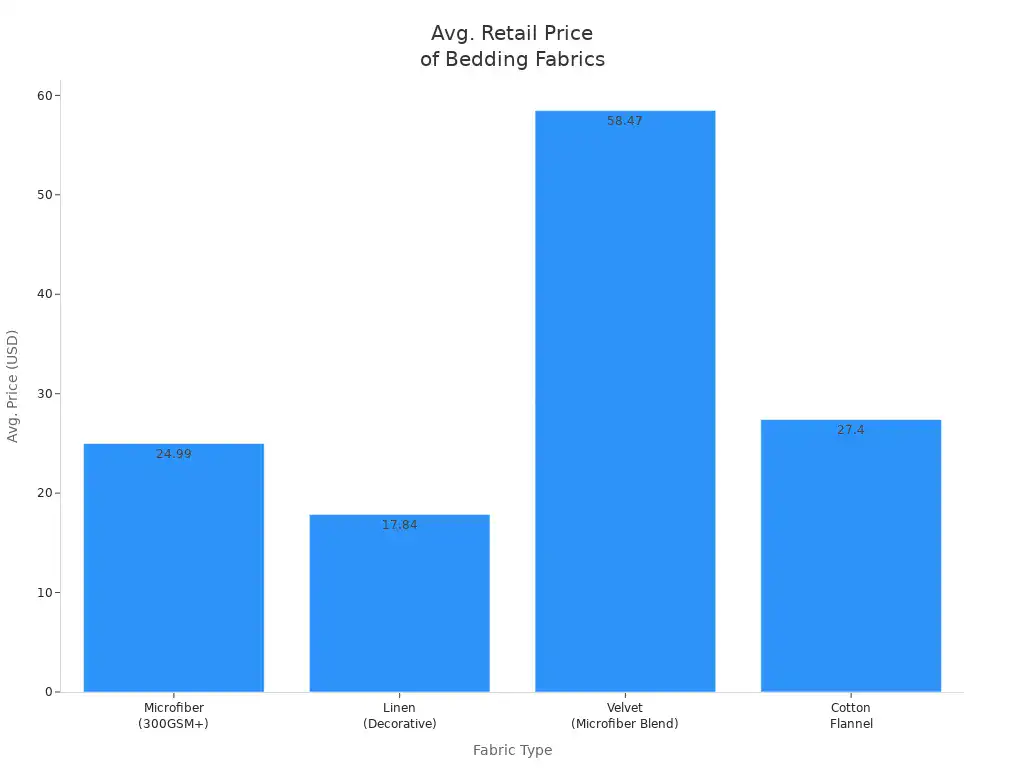
The table highlights price and popularity:
نوع القماش | Avg. Price (Retail) | Monthly Sales Volume | Consumer Rating | Reorder Rate |
|---|---|---|---|---|
Microfiber (300GSM+) | $24.99 | 35,772 | 4.6 | 0.38 |
Linen (Decorative) | $17.84 | 12,999 | 4.5 | 0.29 |
Velvet (Microfiber Blend) | $58.47 | 1,211 | 4.5 | 0.42 |
Cotton Flannel | $27.40 | 720 | 4.2 | 0.18 |
Satin Stripe | $0.55/yd | 3,927 | لا شيء | 0.667 |
You will see microfiber bedding in many stores and online shops. Its wrinkle-resistant and quick-drying features make it popular for busy households and hotels. Tightly woven microfiber can also help reduce dust mites, which is helpful if you have allergies.
Microfiber bedding costs less than cotton or linen.
It is easy to find in stores and online.
Wrinkle resistance and quick drying save you time.
Allergy sufferers may benefit from its tight weave.
You can enjoy comfort and savings with microfiber bedding, making it a smart choice for many families.
Types of Microfiber in Bedding
Polyester Microfiber
You will often find polyester microfiber in bedding. This type uses ultra-fine polyester fibers that feel soft and smooth. Many people choose polyester microfiber because it stays comfortable and looks neat with little effort. You can wash these sheets in the machine, and they dry quickly. Polyester microfiber resists wrinkles and keeps its color after many washes. The fibers are so thin that your bedding feels almost like silk.
Here are some key features:
Softer feel due to thinner fibers, enhancing comfort.
Retains softness and comfort over time with proper care.
Ideal for beddings and pillowcases, providing a luxurious experience.
ميزة | وصف |
|---|---|
نعومة | Polyester microfiber is extremely soft, providing a comfortable feel for bedding. |
Absorbency | It has low absorbency, which allows it to dry quickly after washing. |
سهولة العناية | Machine washable and wrinkle-resistant, maintaining a neat appearance with minimal effort. |
متانة | Resistant to shrinking and stretching, ensuring longevity and practicality in bedding use. |
Tip: Polyester microfiber bedding works well if you want easy care and a soft touch.
Nylon Microfiber
Nylon microfiber gives you a smooth, peach-like texture. This fabric feels gentle on your skin and holds up well over time. You may notice that nylon microfiber bedding is less likely to cause allergies, making it a good choice for sensitive skin. It also costs less than many natural fiber sheets. You can wash and dry nylon microfiber easily, and it keeps its color and shape.
عقار | وصف |
|---|---|
نعومة | Provides a smooth, peach-like texture against the skin. |
متانة | Resistant to wear and tear, maintaining appearance over time. |
مضاد للحساسية | Less likely to cause allergic reactions, suitable for sensitive skin. |
القدرة على تحمل التكاليف | Generally more cost-effective compared to natural fiber sheets. |
سهولة الصيانة | Easy to clean and maintain, retaining color and texture after many washes. |
Note: Nylon microfiber bedding is a smart pick if you want durability and easy maintenance.
Blended Microfiber
Blended microfiber combines polyester and nylon to give you the best of both worlds. You get the softness of polyester and the strength of nylon. This blend makes your bedding comfortable, long-lasting, and easy to care for. Many people with allergies prefer blended microfiber because it is hypoallergenic.
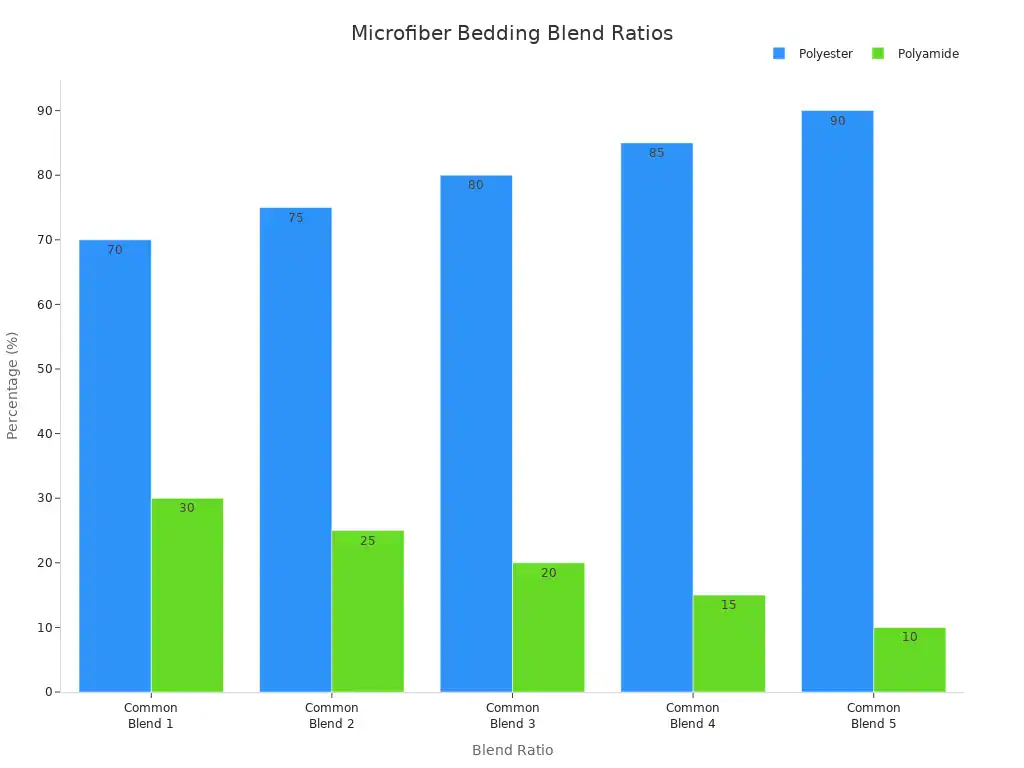
Common blend ratios include:
Blend Ratio | Polyester (%) | Polyamide (%) |
|---|---|---|
70/30 | 70 | 30 |
75/25 | 75 | 25 |
80/20 | 80 | 20 |
85/15 | 85 | 15 |
90/10 | 90 | 10 |
Blended microfiber bedding fabric feels soft and smooth.
The fabric lasts longer and resists wear.
It is easy to wash and dries fast.
Hypoallergenic properties help reduce allergy symptoms.
You can choose the type of microfiber that fits your needs best. Each option offers unique benefits for comfort, care, and durability.
Considerations and Concerns
قابلية التنفس
You may notice that microfiber bedding feels warm and cozy. The fabric traps heat, which can make you feel hot during the night. Cotton sheets allow air to move freely, so you stay cooler. Microfiber does not let air circulate as well. If you sleep hot or live in a warm climate, cotton may suit you better.
Here is a quick comparison:
ميزة | أغطية قطنية | شرشف مايكروفايبر |
|---|---|---|
Excellent, natural airflow | معتدل، يمكن أن يحبس الحرارة | |
تنظيم درجة الحرارة | بارد، يمتص الرطوبة | دافئ، محتفظ بالحرارة |
Cotton sheets provide exceptional breathability.
Microfiber sheets tend to trap heat, leading to a warmer sleeping environment.
Cotton works well for hot sleepers or those in warm climates.
Tip: If you want a cooler sleep, choose bedding with higher breathability.
الأثر البيئي
You should consider how microfiber bedding affects the environment. Manufacturers use synthetic polymers from fossil fuels to make microfiber. This process creates greenhouse gases and chemical waste. Factories use a lot of energy and chemicals, which can pollute water and air. When you wash microfiber sheets, tiny fibers can escape into water systems. These microfibers reach rivers and oceans, harming fish and other wildlife.
Microfiber production relies on fossil fuels, causing emissions and waste.
The manufacturing process uses much energy and releases chemicals.
Washing microfiber bedding sends microfibers into water, which can harm aquatic life.
Note: Choosing bedding made from recycled materials or natural fibers can help reduce your environmental impact.
Potential Drawbacks
You may find some downsides to microfiber bedding. Some people think the sheets feel too slick or slippery. The fabric does not breathe well, so you might feel too warm. Microfiber sheets can pill after several washes and lose their softness. If you have sensitive skin, synthetic fibers may cause irritation. Stains can be hard to remove, and odors may linger after washing.
Texture feels slick or slippery to some users.
Microfiber lacks airflow, which can cause heat retention.
Sheets may pill and lose softness over time.
Synthetic fibers can irritate sensitive skin.
Stains and odors may be difficult to remove.
If you value breathability, durability, and easy care, compare microfiber with other bedding options before you buy.
You now know that microfiber bedding fabric uses ultra-fine synthetic fibers to create soft, durable sheets. You enjoy benefits like easy care, affordability, and a smooth feel. Before you buy, consider these factors:
Choose brushed or double brushed microfiber for softness and higher GSM for durability.
Check fit and sizing, especially for deep mattresses.
Look for a wide range of colors and patterns.
Select cooling or moisture-wicking options if you sleep warm.
Weigh the pros and cons to find bedding that matches your comfort and lifestyle needs.
أسئلة شائعة
What is the best way to wash microfiber bedding?
You should use cold or warm water with mild detergent. Avoid bleach and fabric softeners. Tumble dry on low heat or air dry. This keeps your sheets soft and prevents damage.
Does microfiber bedding cause allergies?
Microfiber bedding resists dust mites and allergens. You may find it helpful if you have allergies. The tight weave blocks most particles. Always check for hypoallergenic labels before buying.
هل يمكن استخدام ملاءات المايكروفايبر طوال العام؟
You can use microfiber sheets in any season. The fabric feels warm in winter and light in summer. If you sleep hot, choose cooling or moisture-wicking options for better comfort.
How do you prevent pilling on microfiber bedding?
Wash your sheets separately and avoid high heat. Use gentle cycles and mild detergent. Rotate sets often. These steps help reduce pilling and keep your bedding smooth.
Is microfiber bedding eco-friendly?
Microfiber bedding uses synthetic fibers from fossil fuels. The production process creates waste and emissions. Some brands offer recycled options. You can choose these for a lower environmental impact.
انظر أيضاً
الاختيار بين أغطية سرير من الألياف الدقيقة والبوليستر من أجل الراحة
 Arabic
 English
 Spanish
 French
 Italian
 Portuguese
 Vietnamese