

Satin bedding fabric stands out for its smooth, glossy surface and luxurious touch. You might notice how the fabric feels soft and looks shiny. This unique finish comes from a special weaving method, not from a single type of fiber. Manufacturers can create satin using silk, polyester, or other materials. Many people choose satin bedding because it feels fancy and soft, helps reduce hair frizz, keeps skin smooth, and often works well for those with allergies. Understanding what makes this fabric special can help you enjoy better sleep and keep your bedding in top shape.
أهم النقاط
Satin bedding fabric features a smooth, glossy surface created through a special weaving technique, not a specific fiber type.
Different materials like silk, polyester, and cotton can be used to make satin, each offering unique benefits and price points.
Satin helps reduce hair frizz and keeps skin smooth, making it a great choice for a luxurious sleep experience.
Care for satin bedding requires gentle washing and air drying to maintain its softness and shine, ensuring it lasts longer.
Satin is hypoallergenic and can be a good option for those with allergies, as it collects fewer dust mites and allergens.
Satin Bedding Fabric
What Is Satin
You might wonder what makes satin different from other fabrics you find in bedding. Satin is not a type of fiber. Instead, it is a weaving technique that creates a smooth, shiny surface. Manufacturers use long filament fibers like silk, polyester, or nylon to make satin. The weave allows the threads to float over each other, which gives the fabric its glossy look and soft feel.
Satin bedding fabric stands out because of its unique weave. The front side looks shiny and feels slippery, while the back side appears dull. You can find satin made from many materials, including silk, polyester, rayon, acetate, and cotton. Each type offers a different feel and price point.
Here are some of the most popular types of satin bedding fabric you might see in stores:
Silk Satin: Offers a luxurious and soft touch.
Polyester Satin: Gives you a glossy look at a lower price.
Acetate Satin: Feels lightweight and elegant.
Nylon Satin: Provides strength and durability.
Rayon Satin: Feels soft and comes from natural cellulose fibers.
Cotton Satin: Combines satin’s smoothness with cotton’s comfort.
Charmeuse Satin: Lightweight and versatile.
Crepe Back Satin: Smooth on one side, textured on the other.
Duchess Satin: Heavyweight with a rich appearance.
Tip: When you shop for satin bedding fabric, check the label for the fiber type. This helps you choose the right option for your comfort and budget.
الميزات الرئيسية
Satin bedding fabric has several features that set it apart from other bedding materials. You will notice the difference when you touch or see it. The fabric feels cool and slippery, and the surface shines under light. Satin can help reduce hair frizz and keep your skin smooth while you sleep.
Let’s compare satin and sateen to help you understand their differences:
خاصية | أطلس | ساتان |
|---|---|---|
نوع الألياف | Long filament fibers | Short, staple fibers |
متانة | أقل متانة | أكثر متانة |
صيانة | Hand wash or dry clean only | Can be dyed, bleached, machine-washed |
تجعد | Wrinkles easily | Wrinkles less |
تكلفة | Generally more expensive | Less expensive |
You can see that satin bedding fabric usually costs more and needs gentle care. Sateen, made from cotton, is easier to wash and lasts longer. Satin’s glossy finish makes it popular for luxury bedding, but you need to handle it with care.
Another way to look at satin is by comparing its weave to other common bedding fabrics:
ميزة | ساتان | أطلس |
|---|---|---|
مادة | قطن | Silk, polyester, or nylon |
مظهر | Soft sheen, matte glow | High gloss, reflective shine |
شعور | Smooth, weightier | Slippery, cool to the touch |
متانة | Strong, resists pilling | Delicate (silk), wrinkle-resistant (polyester) |
عناية | Machine wash, dry clean | Gentle clean, air-dry |
Best Uses | Everyday bedding | Formal decor, luxury bedding |
سعر | معتدل | Wide range |
You will find that satin bedding fabric works best when you want a luxurious look and feel. If you want easy care and durability, sateen might suit you better.
Materials
When you shop for satin bedding fabric, you will notice several types of materials. Each one has its own feel, look, and care needs. Here is a quick overview of the most common materials:
مادة | Lustre | نعومة | قابلية التنفس | متطلبات الرعاية |
|---|---|---|---|---|
حرير | Strong | ناعم جداً | معتدل | Dry clean |
بوليستر | معتدل | ناعم | منخفض | Machine wash |
قطن | Slight sheen | ناعم | عالي | Machine wash |
رايون | معتدل | ناعم | معتدل | Gentle wash |
أسيتات | معتدل | أملس | معتدل | Dry clean |
Note: The type of fiber affects how your bedding feels, how long it lasts, and how much care it needs.
حرير
Silk satin gives you a rich, glossy look and a very soft touch. You will find that silk feels cool and smooth against your skin. This natural fiber comes from silkworms and is known for its strong lustre. Silk satin bedding fabric often costs the most because making it takes a lot of time and skill. Silk is delicate, so you need to handle it with care. Dry cleaning works best for silk, and sunlight can damage the fibers over time.
Polyester and Synthetics
Polyester satin is a popular choice if you want something affordable and easy to care for. This synthetic fiber resists wrinkles and can go in the washing machine. Polyester satin bedding fabric feels soft and looks shiny, but it does not breathe as well as natural fibers. Other synthetics, like acetate and nylon, also create smooth, glossy bedding. These materials last longer and need less special care than silk. However, they can feel warmer and may not be as gentle on sensitive skin.
Cotton and Rayon
Cotton satin, sometimes called sateen, gives you a soft feel and a slight sheen. Cotton breathes well, so it keeps you comfortable all night. You can wash cotton satin in the machine, which makes it easy to care for. Rayon is another option that comes from natural cellulose. It feels soft and smooth, much like silk, but costs less. Rayon satin bedding fabric offers a good balance between comfort and price, but you should wash it gently to keep it looking nice.
If you want bedding that is gentle on the environment, natural fibers like silk and cotton break down over time. Synthetic fibers, such as polyester, last longer but can shed microplastics and do not biodegrade.
How Satin Bedding Fabric Is Made
Satin Weave
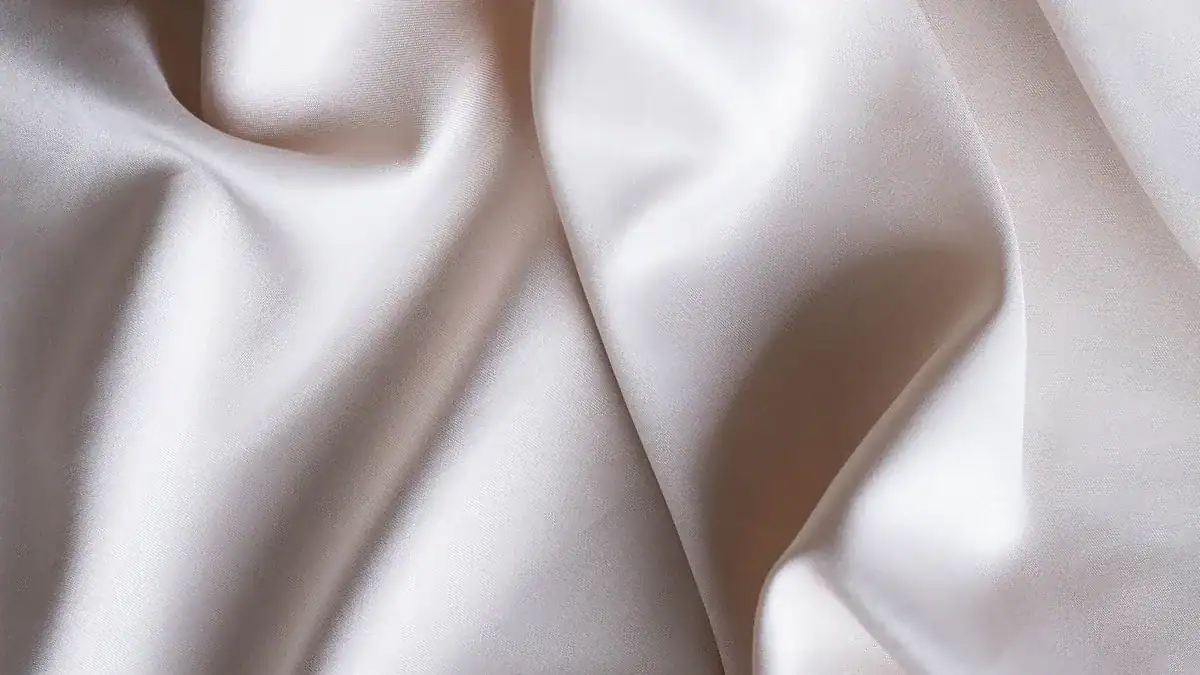
You might wonder why satin bedding fabric feels so smooth and looks so shiny. The answer lies in the satin weave. This weaving method uses a special pattern that lets threads float over each other. The long floats on the surface help light bounce off the fabric, giving it a glossy finish.
Here is a table that shows how the satin weave works:
Weaving Technique | وصف |
|---|---|
Satin Weave | A type of fabric weave that produces a glossy, smooth material with a glossy top surface and a dull back. |
Float Arrangement | Four or more fill yarns float over a warp yarn, and four warp yarns float over a single weft yarn, creating long floats that enhance light reflection. |
انعكاس الضوء | The arrangement minimizes light scattering, resulting in a stronger reflection and a high lustre. |
The satin weave creates a fabric with two different sides. The front side shines and feels slippery. The back side looks dull and feels less smooth. You get this effect because the weave lets more threads stay on the surface, which catches the light. This is why satin bedding fabric stands out in your bedroom.
The satin weave technique involves floating yarns to create a smooth surface.
Long floats in the weave allow for even light reflection.
This results in the characteristic glossy appearance of satin fabric.
Note: The unique weave makes satin bedding fabric look and feel luxurious, but it also means the fabric can snag or wear out faster than other weaves.
Manufacturing Steps
Making satin bedding fabric takes several careful steps. Each step helps create the soft, shiny sheets you enjoy at home. Here is a table that breaks down the main steps in the process:
خطوة | غرض | نقطة مراقبة الجودة |
|---|---|---|
اختيار المواد الخام | Ensuring high-quality fibers | Rejecting subpar materials |
تكنولوجيا النسيج | Creating satin weave | Monitoring pattern consistency |
الفحص الأولي | Detecting defects | فحص السطح |
إنهاء | Enhancing appearance | التحقق من الملمس |
اختيار المواد الخام
You start with the right fibers. Factories choose silk, polyester, cotton, or rayon based on the type of satin bedding fabric they want to make. High-quality fibers lead to a better final product.تكنولوجيا النسيج
Next, machines weave the fibers using the satin weave pattern. Workers watch for even floats and a smooth surface. This step gives the fabric its shine and soft feel.الفحص الأولي
After weaving, workers check the fabric for flaws. They look for snags, uneven spots, or loose threads. Only fabric that passes inspection moves to the next step.إنهاء
The last step adds the final touches. Workers may wash, dye, or treat the fabric to improve its look and feel. They check the texture to make sure it meets quality standards.
Tip: The satin weave makes the fabric delicate. You should wash satin bedding fabric by hand or use a gentle cycle with cold water. Avoid harsh detergents and high heat to keep the fabric looking new.
Satin bedding fabric feels soft and looks beautiful because of the way it is made. The special weave and careful manufacturing steps give you sheets that stand out for their shine and comfort. However, the same features that make satin bedding fabric attractive also mean you need to care for it gently.
Satin vs Silk vs Sateen
اختلافات مادية
When you shop for bedding, you will see many labels. You might wonder what makes satin, silk, and sateen different. Each fabric uses a unique material and weaving style. Here is a table that shows the main differences:
نوع القماش | تركيبة المواد | خصائص |
|---|---|---|
Silk Satin | Pure silk | Soft, breathable, luxurious, delicate |
أطلس | Synthetic fibers (polyester, nylon) | Smooth, shiny, budget-friendly, less breathable |
ساتان | 100% cotton (woven in satin pattern) | Soft, smooth, durable, moderately breathable |
Silk satin uses pure silk. You get a buttery soft and hypoallergenic sheet.
Satin bedding fabric often uses synthetic fibers like polyester or nylon. You see a shiny surface and feel a smooth texture.
Sateen comes from 100% cotton. You feel gentle softness and see a mild shine. Sateen lasts longer than silk.
Tip: If you want a natural option, silk and cotton sateen are good choices. Synthetic satin is more affordable and easier to care for.
Feel and Durability
You will notice how each fabric feels when you touch it. The texture and warmth can change your sleep experience. Here is a table to help you compare:
قماش | قوام | دفء | قابلية التنفس |
|---|---|---|---|
ساتان | Soft, silky handfeel | Warmer, denser | جيد التهوية |
أطلس | Silky on one side, matte on the other | Traps heat more | أقل نفاذية للهواء |
حرير | Soft, silky natural | Moderate warmth | جيدة التهوية جدًا |
Sateen feels soft and silky. You stay comfortable because it breathes well and keeps you warm.
Satin feels slippery and cool on one side. It traps heat and does not breathe as well.
Silk feels smooth and light. You get moderate warmth and excellent breathability.
Durability matters when you use bedding every night. Sateen stands up to regular washing and use. Satin may snag or wear out faster, especially if you choose delicate fibers. Silk offers premium quality and can last a long time with gentle care.
Note: If you want bedding for everyday use, sateen is a strong choice. Silk and satin bedding fabric work best when you want luxury and do not mind extra care.
Benefits, Drawbacks, and Care
المزايا
You will find many reasons to choose satin bedding fabric for your bedroom. The smooth surface feels gentle on your skin and hair. Many people enjoy the cool touch, especially during warm nights. Satin also helps keep your skin hydrated and can reduce hair frizz. The fabric looks elegant and adds a touch of luxury to any room.
Here is a table that shows the most common benefits:
فائدة | وصف |
|---|---|
Great for skin | Satin keeps moisture in your skin and helps skincare products stay on your face. |
Allergy-friendly | Satin collects fewer dust mites and particles, making it a good choice for allergies. |
Luxurious feel | The fabric feels smooth and silky, giving you a fancy sleeping experience. |
Non-stick | Your skin will not stick to satin sheets, so you stay comfortable all night. |
Hygienic | Satin’s hypoallergenic nature helps keep your bedding cleaner. |
Cooling | Satin feels cool, which is perfect for hot summer nights. |
سلبيات
You should also know about the possible downsides. Some people find that satin bedding fabric does not breathe as well as cotton or silk. This can make you feel too warm or cause skin irritation, especially if you have sensitive skin.
Satin can be bad for the skin. Polyester and other synthetic fibers do not allow the skin to breathe. That means the skin is easily irritated due to the heat and moisture because it does not regulate body temperature.
Other common drawbacks include:
High-density satin can block airflow and affect how your body cools down.
Comfort depends on your personal preference.
نصائح العناية
You can keep your satin bedding fabric looking new by following a few simple steps:
Place your sheets in a mesh laundry bag before washing.
Wash in cold water to protect color and prevent shrinking.
Do not overload the washing machine so the sheets move freely.
Air dry your sheets to keep them soft and shiny.
Hang sheets on a padded hanger or clothesline to avoid wrinkles.
If you need to iron, use the lowest heat setting and turn the sheets inside out.
Tip: Gentle care helps your satin bedding last longer and keeps it feeling smooth and luxurious.
You now know satin bedding fabric uses a special weave to create a smooth, glossy surface. Manufacturers use silk, polyester, cotton, or rayon to make it. The process involves careful weaving and finishing. Satin feels luxurious and cool, but it can be expensive and harder to clean.
المزايا | سلبيات |
|---|---|
Non-absorbent | Too cold in winter |
Great for allergies | Harder to clean |
Smooth and luxurious | More expensive |
مضاد للحساسية | |
Cooling for summer |
When you choose satin bedding, look for a thread count between 300 and 600 and a genuine satin weave. Wash gently and air dry to keep your sheets soft and shiny. Satin works well for sensitive skin and adds elegance to your bedroom.
أسئلة شائعة
What is the best way to wash satin bedding?
You should use cold water and a gentle cycle. Place your sheets in a mesh laundry bag. Avoid bleach and harsh detergents. Air dry your bedding to keep it smooth and shiny.
Does satin bedding help with hair and skin?
Yes! Satin bedding reduces friction. Your hair stays smooth and less frizzy. Your skin feels softer because satin does not absorb moisture like cotton. Many people notice fewer sleep lines and less breakage.
Can you use satin bedding all year round?
You can use satin bedding in any season. Satin feels cool in summer. In winter, you may want to add a blanket because satin does not trap heat as well as cotton or flannel.
Is satin bedding good for people with allergies?
Satin bedding resists dust mites and pet dander. You may find it easier to keep clean. If you have allergies, satin can help you sleep better by reducing common triggers.
How do you tell if your bedding is real satin?
Check the label for the fiber type and weave. Real satin uses a satin weave and feels smooth on one side, dull on the other. If the label says “sateen,” it is cotton with a different weave.
انظر أيضاً
مقارنة الطباعة بالطلاء والطباعة الرقمية لأغطية السرير المصنوعة من البوليستر
اختيار الأقمشة الدقيقة مقابل البوليستر النقي لمفروشات السرير
 Arabic
 English
 Spanish
 French
 Italian
 Portuguese
 Vietnamese