
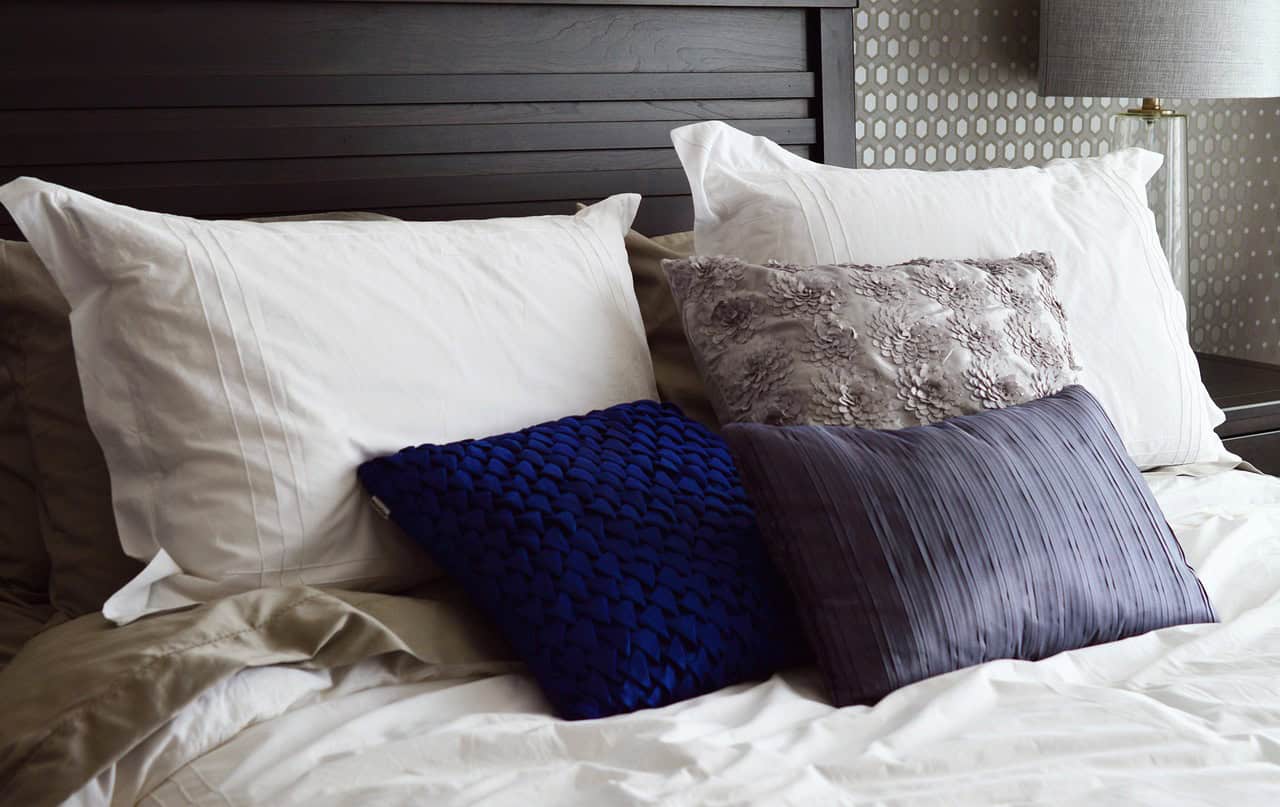
You might wonder, are microfiber sheets good for skin if you have sensitivities. The answer is yes, many people with sensitive skin prefer them. Microfiber sheets feel soft and smooth when you touch them. They keep dust mites away with their tight weave. You will also notice how they pull moisture away from your skin, which helps prevent irritation. Plus, you can usually find microfiber sheets at a lower price than silk or high-quality cotton.
Key Takeaways
Microfiber sheets are soft and smooth, making them a popular choice for people with sensitive skin.
These sheets block dust mites and allergens, helping to create a safer sleeping environment.
Microfiber sheets are easy to care for, resisting wrinkles and stains, which saves time on laundry.
Some individuals with very sensitive skin may experience irritation from synthetic fibers, so testing a small area is recommended.
For those who prefer natural materials, organic cotton or silk sheets may be gentler and less irritating.
Are Microfiber Sheets Good for Skin
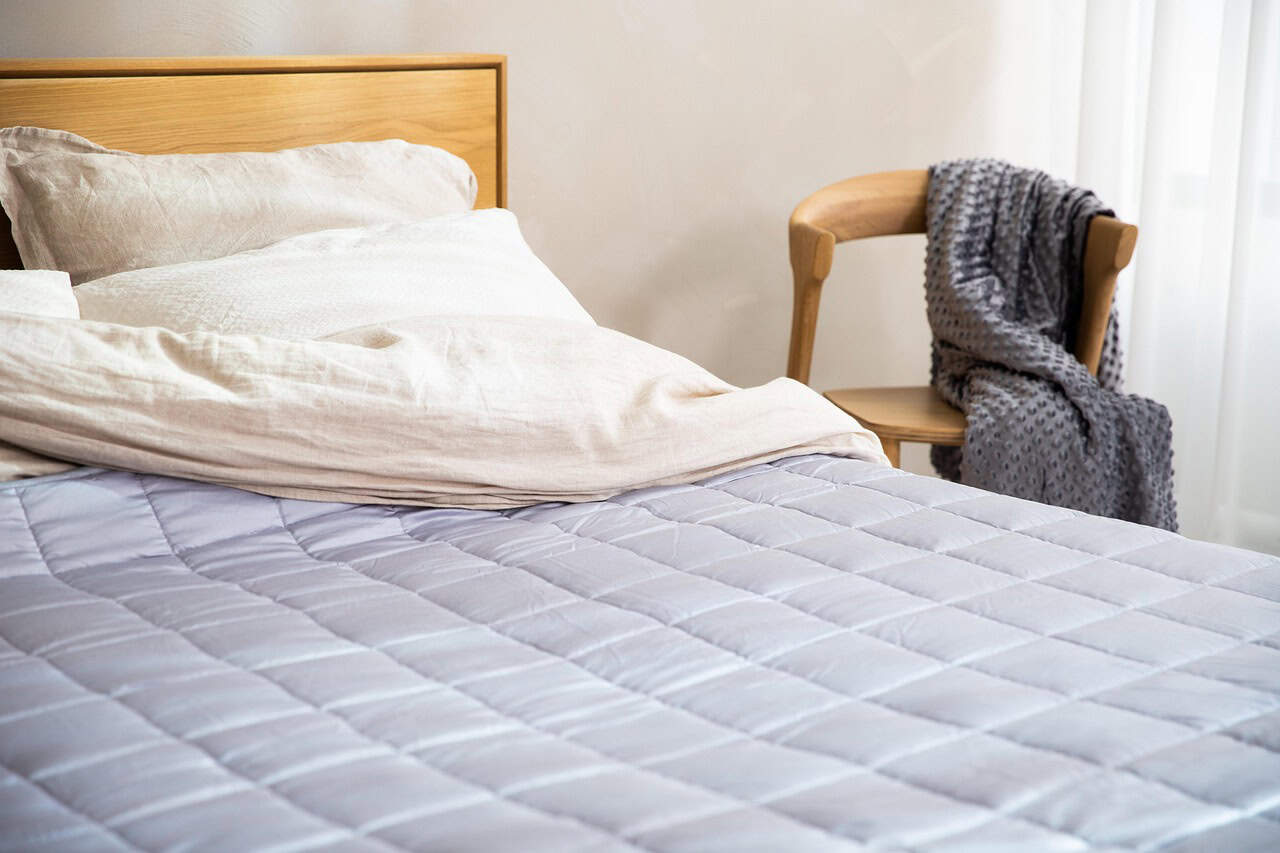
If you have sensitive skin, you probably ask yourself, are microfiber sheets good for skin? Many people choose microfiber because it feels soft and smooth. You might notice that these sheets can help keep your skin calm and comfortable. Let’s look at why microfiber sheets work well for sensitive skin and what you should know before buying them.
Hypoallergenic and Allergen Blocking
You want your bed to be a safe place, especially if you have allergies or sensitive skin. Microfiber sheets have a tight weave that blocks dust mites and pet dander. This means fewer allergens touch your skin at night. Here’s a quick look at how the tight weave helps:
Feature | Importance |
|---|---|
Tight Weave | Prevents dust mites from penetrating fabric |
You also get extra protection because the fabric’s pore size is very small. This keeps even tiny allergens away from your skin.
Microfiber bedding is hypoallergenic, effectively blocking dust mites and pet dander.
It can improve breathing and skin health for individuals with allergies or asthma.
Fabrics with a pore size less than 10 μm effectively block mite allergens, even with airflow.
The tight weave from modern manufacturing makes this possible.
So, are microfiber sheets good for skin if you have allergies? For most people, the answer is yes.
Smoothness and Comfort for Sensitive Skin
You want your sheets to feel gentle. Microfiber sheets feel soft and smooth, which can help prevent irritation. Many users say they like the way microfiber feels against their skin. The fabric glides over your body and does not scratch or rub.
But, you should know that some people with very sensitive skin or skin conditions like eczema or psoriasis may notice irritation from synthetic fibers.
Microfiber, being a man-made fiber, can cause irritation for those with skin conditions like eczema or psoriasis, so natural materials like cotton may be better for them.
Microfiber sheets are often considered soft and comfortable, but they may not be ideal for individuals with sensitive skin due to the chemical processes involved in their production.
Some users with sensitive skin have reported irritation from synthetic fibers found in microfiber sheets.
If you have very sensitive skin, you may want to test a small area first or look for sheets labeled as chemical-free. Still, for most people, are microfiber sheets good for skin? Yes, especially if you want a soft and smooth feel.
Durability and Easy Care
You probably want sheets that last and are easy to clean. Microfiber sheets are known for being strong and simple to care for. They resist wrinkles and stains, so you spend less time worrying about laundry. Here’s a quick comparison of how long different sheets last:
Sheet Type | Average Lifespan |
|---|---|
Microfiber Sheets | |
Cotton Sheets | 3-5 years |
Microfiber sheets wick away moisture, which helps prevent sweat and moisture buildup. This is important because too much moisture can irritate sensitive skin.
Microfiber sheets excel in moisture wicking, preventing moisture buildup that can irritate sensitive skin.
Their dense structure acts as a barrier against dust mites, reducing allergens that can make skin problems worse.
You can wash microfiber sheets in a regular machine, and they dry quickly. This makes them a good choice if you want something low-maintenance. So, are microfiber sheets good for skin when you want easy care? Most people would say yes.
Microfiber vs. Cotton and Silk
Comfort and Texture Differences
When you touch different sheets, you notice right away that each fabric feels unique. Cotton sheets usually feel crisp or smooth, and they get even softer every time you wash them. Many people with sensitive skin love this gentle touch. Microfiber sheets feel silky and lightweight, almost like silk, but they can feel slippery. Silk sheets offer a cool, smooth surface that feels luxurious but can be expensive.
Here’s a quick table to help you compare:
Feature | Cotton Sheets | Microfiber Sheets | Silk Sheets |
|---|---|---|---|
Feel | Crisp, softens with washing | Silky, lightweight | Smooth, luxurious |
Comfort for Skin | Gentle, soft | Smooth, may trap heat | Very gentle |
Cost | $50-$200+ | Affordable | Expensive |
Most people with sensitive skin say cotton feels best. Microfiber can feel nice at first, but some find it less comfortable over time, especially if you get hot at night.
Breathability and Temperature
You want your bed to stay cool and comfortable. Cotton sheets let air flow easily, so you stay cool and dry. Microfiber sheets trap more heat and can make you feel warm, which might bother you if you sweat at night. Silk sheets also help keep you cool, but they need special care.
Tip: If you get hot while sleeping, cotton or silk sheets may help you stay cooler than microfiber.
Microfiber’s lower breathability can lead to heat and moisture building up. This can make your skin feel itchy or irritated, especially if you have sensitive skin. Changing your sheets often helps keep your bed fresh and your skin happy.
Allergen and Irritation Risks
You want to avoid anything that might make your skin itch or break out. Microfiber sheets can sometimes hold onto moisture, which lets bacteria grow. This can cause skin problems for some people. Cotton and silk are less likely to irritate your skin. They also have fewer chemicals, so you worry less about allergies.
Microfiber bedding can cause skin problems because it holds moisture.
Cotton and bamboo sheets are less likely to irritate your skin.
Microfiber can release chemicals that may make asthma or allergies worse.
Studies show people using microfiber sheets have higher levels of certain chemicals in their bodies.
Tiny particles from microfiber can be breathed in, which may cause health problems.
So, are microfiber sheets good for skin compared to cotton and silk? For some, yes, but if you have very sensitive skin or allergies, cotton or silk might be a better choice.
Drawbacks of Microfiber Sheets
Synthetic Material Concerns
You might like how soft microfiber sheets feel, but you should know about some concerns with synthetic materials. Many people with sensitive skin prefer natural fibers like cotton or silk. They say these fabrics feel more authentic and less irritating. Even though microfiber technology keeps improving, some people still worry about possible irritants in synthetic sheets.
Some people choose cotton or silk because they believe natural fibers are gentler on sensitive skin.
Microfiber can feel soft and manage moisture well, but it is still a synthetic material.
You may notice that natural fabrics feel more authentic and comfortable.
Microfiber sheets block dust mites, which helps reduce allergens, but some users still report irritation.
If you have very sensitive skin, you might want to test microfiber sheets before using them every night.
Chemical Treatments
Microfiber sheets often go through chemical treatments during production. These chemicals can sometimes trigger skin irritation or allergic reactions. You may not notice anything at first, but over time, your skin could react to these substances. Here’s a quick look at some common irritants:
Irritant | Description |
|---|---|
Synthetic Chemicals | Used in production, can irritate sensitive skin. |
Dyes and Finishes | Colorants and treatments may cause allergic reactions. |
Residual Detergents | Leftover cleaning agents can trigger sensitivities. |
Fabric Softener | Added for softness, but can irritate delicate skin. |
Microfiber Friction | Texture might cause minor abrasions on sensitive skin. |
Tip: If you have sensitive skin, wash new sheets before using them. Avoid fabric softeners and strong detergents.
Environmental Impact
Microfiber sheets can affect the environment in ways you might not expect. When you wash them, they shed tiny fibers called microplastics. These microfibers can escape water treatment plants and end up in rivers and oceans. Marine life can eat these particles, which harms the ecosystem.
Microfiber sheets shed microfibers during washing, adding to microplastic pollution.
These microfibers can reach oceans and affect fish and other animals.
Microfiber can trap moisture and bacteria, which may lead to skin irritation or acne.
If you care about the environment, you might want to look for sheets made from natural fibers or recycled materials. You can also use a laundry bag designed to catch microfibers when you wash your sheets.
Tips for Sensitive Skin Sheet Care
Choosing the Right Microfiber Sheets
You want sheets that feel gentle and safe for your skin. Look for microfiber sheets labeled as hypoallergenic or chemical-free. These options usually have fewer harsh treatments, so your skin stays calm. You might notice that higher-quality microfiber sheets feel softer and last longer. If you see labels like “Oeko-Tex certified,” that means the sheets meet safety standards for chemicals. You can also check reviews from other people with sensitive skin. Their feedback helps you find sheets that work best for you.
Tip: Try touching the fabric before you buy. If it feels smooth and doesn’t irritate your hand, it’s likely a good choice for your bed.
Washing and Maintenance
You want to keep your sheets clean without making your skin itchy. The way you wash microfiber sheets matters a lot. Here are some easy steps you can follow:
Pick a mild detergent.
Skip bleach and fabric softeners to prevent irritation.
Add ½ cup of white vinegar to the rinse cycle to soften fabrics naturally.
These steps help remove dirt and allergens while keeping the fabric gentle. You should wash your sheets every week if you have sensitive skin. Clean sheets help you sleep better and keep your skin happy.
When to Try Alternatives
Sometimes, microfiber sheets might not work for you. If you notice redness, itching, or breakouts, you may want to switch to another material. You have several good options:
Organic cotton sheets feel soft and smooth. They don’t have rough textures that bother your skin.
Cotton sheets without harsh finishes avoid chemicals like formaldehyde or synthetic softeners.
Hypoallergenic and moisture-wicking cotton sheets help keep allergens away and create a cleaner sleep space.
Regenerative organic wool duvets offer breathability and comfort without chemicals.
You can try these alternatives if your skin needs extra care. Your comfort matters most, so don’t be afraid to test different fabrics until you find the right fit.
You now know that microfiber sheets offer softness, easy care, and allergen blocking. Some drawbacks include heat retention and possible irritation from chemicals. Your skin might prefer natural fibers like organic cotton, silk, or wool, which experts say help reduce irritation. If you want more info, check out studies on how bedding materials affect sleep quality. You can explore reviews about wool, linen, and cotton sheets for sensitive skin.
Natural fibers like organic cotton, silk, and wool are gentle and hypoallergenic.
Research highlights how bedding choices impact sleep and comfort for sensitive skin.
FAQ
Are microfiber sheets safe for babies with sensitive skin?
You can use microfiber sheets for babies, but many parents choose organic cotton. Cotton feels gentle and does not trap heat. Always check for labels like “hypoallergenic” and wash new sheets before use.
How often should you wash microfiber sheets if you have sensitive skin?
You should wash your sheets once a week. Clean sheets help prevent skin irritation and keep allergens away. Use mild detergent and skip fabric softeners for best results.
Do microfiber sheets cause night sweats?
Microfiber sheets can trap heat. If you get hot at night, you might sweat more. Cotton or bamboo sheets breathe better and help you stay cool.
Can you reduce chemical exposure from microfiber sheets?
Yes! Wash new sheets before using them. Choose brands with Oeko-Tex or similar certifications. These brands use fewer harsh chemicals. Avoid strong detergents and fabric softeners.
What is the best alternative to microfiber for sensitive skin?
You might like organic cotton or silk sheets. Both feel soft and gentle. They rarely cause irritation. Look for “hypoallergenic” on the label for extra peace of mind.
See Also
Choosing Between Microfiber And Polyester Sheets For Comfort
 English
 Arabic
 Spanish
 French
 Italian
 Portuguese
 Vietnamese