
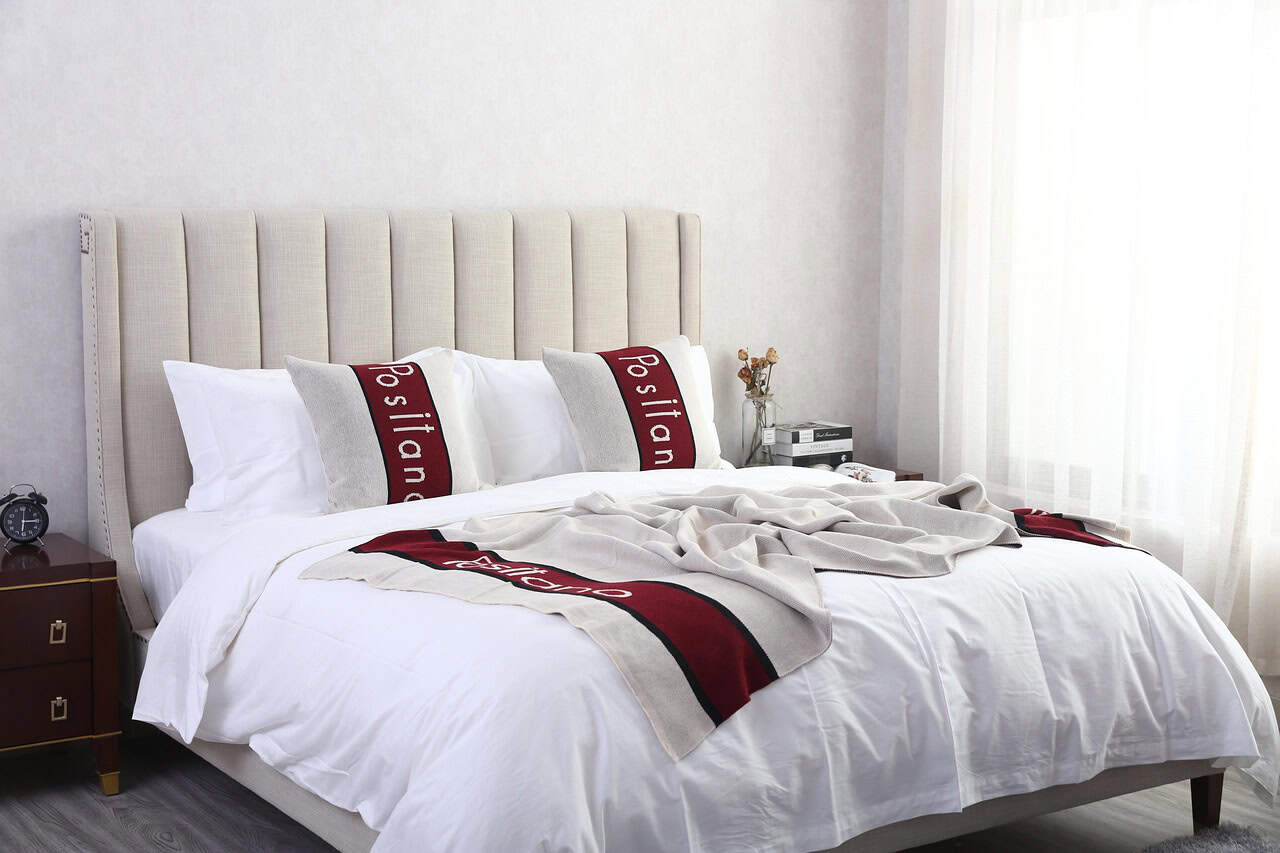
Choosing the right bedding fabric can make a big difference in your sleep. In 2025, top choices include cotton, linen, lyocell (TENCEL™), bamboo viscose, hemp, flannel, velvet, and chunky knits. These fabrics stand out for comfort, breathability, and sustainability. Many people now look for homtextile fabrics for bedding that are soft, eco-friendly, and easy to care for. As you read, think about what matters most to you, like your local climate, allergies, or budget.
Description | |
|---|---|
Cotton | Popular for its softness and breathability. |
Linen | Known for its durability and moisture-wicking properties. |
Silk | Valued for its luxurious feel and hypoallergenic qualities. |
Polyester | Appreciated for its affordability and wrinkle resistance. |
Bamboo | Gaining popularity due to its sustainability and antibacterial properties. |
Key Takeaways
Choose natural fibers like cotton, linen, and bamboo for comfort and breathability. These fabrics help you sleep better by keeping you cool and dry.
Look for eco-friendly options such as organic cotton and TENCEL™. These materials are sustainable and reduce your environmental impact.
Consider your local climate when selecting bedding. Lightweight fabrics work well in hot weather, while warmer options like flannel are best for cold climates.
If you have allergies, opt for hypoallergenic fabrics like TENCEL™ or bamboo. These materials resist dust mites and allergens, promoting better sleep.
Check care instructions before washing your bedding. Proper care helps maintain the quality and longevity of your fabrics.
Top Fabrics
Cotton
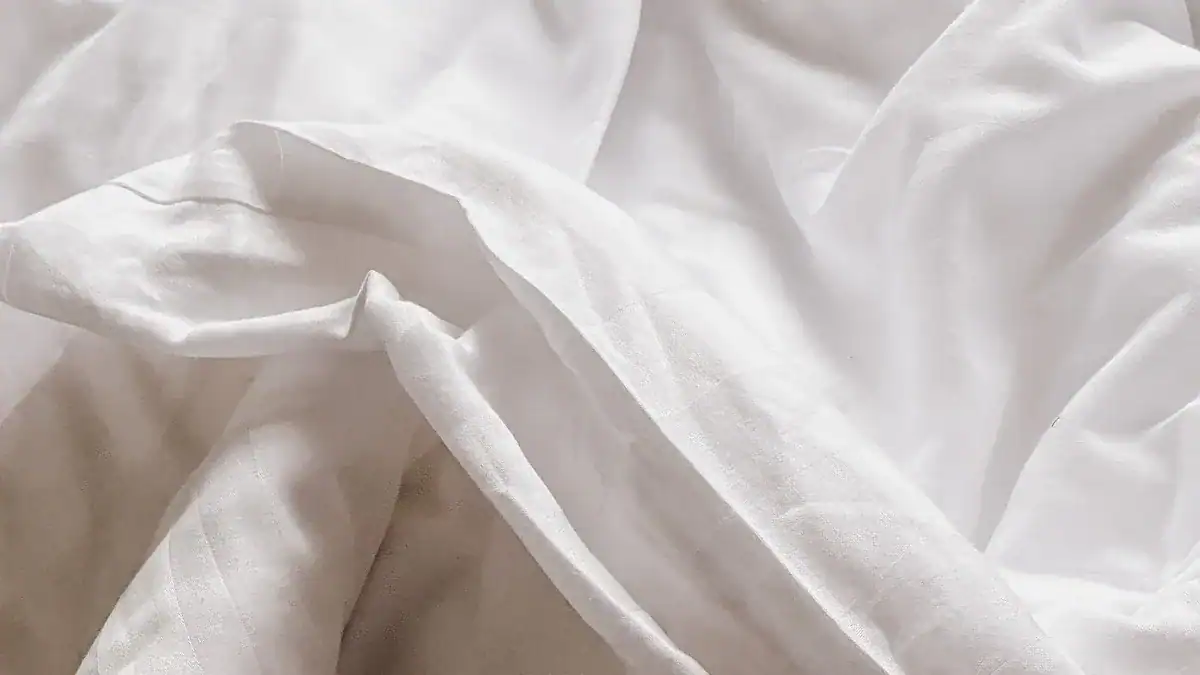
Cotton remains a favorite for bedding in 2025. You will find it soft, breathable, and comfortable for all seasons. Cotton absorbs moisture well and helps regulate your body temperature at night. Many brands now use smart textiles, like sheets with micro-sensors that track your sleep. Some cotton bedding uses RESTech COTTON™ technology, which dries faster and feels softer. You can also find eco-friendly cotton made with less water and fewer pesticides.
Disadvantages of Cotton Bedding | |
|---|---|
Good moisture absorption | Little resistance to UV rays |
Breathability | Material wrinkles heavily |
Thermoregulation | Subject to deformation during washing |
Environmentally friendly | Takes a long time to dry |
Long service life | |
Various price categories | |
Variety of patterns and designs |
Tip: Cotton bedding comes in many price ranges and styles, so you can find something that fits your budget and taste.
Linen
Linen bedding stands out for its breathability and durability. You will notice that linen feels cool in summer and warm in winter. It wicks away moisture and helps you sleep comfortably. Linen comes from flax, a fast-growing plant that needs little water and no synthetic fertilizers. This makes linen one of the most sustainable homtextile fabrics for bedding.
Drawbacks | |
|---|---|
Highly breathable and comfortable | Tends to wrinkle easily |
Durable and long-lasting | Higher initial cost |
Eco-friendly attributes | Requires careful maintenance |
Feature | Linen | Synthetic Fabrics |
|---|---|---|
Sustainability | Made from fast-growing flax, requires no synthetic fertilizers or pesticides, uses little water, and produces minimal waste. | Derived from petroleum, manufacturing can emit harmful chemicals and is resource-intensive. |
Comfort | Breathable, temperature regulating, contributes to better sleep quality. | Less breathable, can emit harmful chemicals. |
Note: Linen bedding may wrinkle, but many people love its relaxed look and natural feel.
Lyocell (TENCEL™)
Lyocell, often sold as TENCEL™, is a modern bedding fabric you might want to try. It feels silky-smooth and works well for people with sensitive skin. Lyocell bedding is hypoallergenic and resists dust mites. It is also strong and lasts through many washes. The production process uses a closed-loop system, recycling water and solvents to reduce waste.
Feature | Description |
|---|---|
Sustainability | Lyocell is produced using a closed-loop system, recycling water and solvents, minimizing waste. |
Comfort | Offers a silky-smooth feel, comparable to high-thread-count cotton. |
Breathability | Breathable and moisture-wicking, ideal for hot sleepers. |
Hypoallergenic | Naturally resistant to dust mites, making it suitable for sensitive individuals. |
Durability | Strong tensile strength, suitable for commercial laundering cycles. |
Brand Positioning | Aligns with luxury and eco-conscious branding for hotels and retailers. |
Lyocell uses much less water than cotton. For example, TENCEL uses about 1,000 liters of water per kilogram, while cotton uses about 20,000 liters. Lyocell comes from renewable wood sources like eucalyptus and beech trees. It is biodegradable and compostable, so it helps reduce textile waste.
Bamboo Viscose
Bamboo viscose bedding is soft, stretchy, and cool to the touch. You will enjoy its temperature regulation and hypoallergenic properties. Bamboo grows quickly without pesticides, making it a popular eco-friendly choice. However, some people worry about the chemicals used in processing bamboo into fabric.
Pros of Bamboo Viscose Duvet Covers | Cons of Bamboo Viscose Duvet Covers |
|---|---|
Incredible Softness | Price Point |
Temperature Regulation | Wrinkling |
Hypoallergenic Properties | Care Requirements |
Sustainability | Environmental Debate Around Processing |
Durability | N/A |
Bamboo bedding uses 95% less water than traditional cotton. It does not need harmful chemicals to grow. Bamboo also helps restore soil health and lowers the carbon footprint compared to regular cotton farming.
Tip: Bamboo bedding feels extra soft and cool, but you may need to follow special care instructions to keep it in top shape.
Hemp
Hemp bedding is gaining attention for its eco-friendly qualities. You will find hemp sheets strong and long-lasting. Hemp has three to four times the tensile strength of cotton, so your bedding will last longer. It also resists abrasion better than most fabrics. Hemp grows with half the water needed for cotton and does not require heavy pesticides.
Hemp bedding supports sustainability and durability. Many hotels and eco-conscious homes now choose hemp for its natural look and long life. Some people find hemp a bit coarse at first, but it softens with each wash.
Note: Hemp bedding is a smart choice if you want something that lasts and supports the environment.
Flannel
Flannel bedding is perfect if you want warmth and coziness. Flannel sheets feel soft and fuzzy, especially after several washes. High-quality flannel uses long-staple cotton and is napped on both sides for extra warmth. You will notice less shedding and pilling with good flannel sheets.
Characteristic | Description |
|---|---|
Warmth | Flannel sheets are designed to be warm and inviting, essential for comfort during cold mornings. High-quality flannels that are napped on both sides provide superior warmth compared to budget options. |
Softness | The best flannel sheets maintain a soft and fuzzy feel even after multiple washes, with long-staple cotton being the softest and strongest material. |
Washability | Quality flannel sheets experience minimal shedding and pilling after several washes, ensuring longevity and continued comfort. |
Tip: Choose flannel if you live in a cold climate or want extra comfort during winter.
Velvet & Chunky Knits
Velvet and chunky knit bedding bring a touch of luxury and style to your bedroom. Velvet feels plush and smooth, making your bed look elegant. Chunky knits add texture and warmth, perfect for layering in cooler months. You might use these fabrics for decorative throws or accent pieces rather than full bedding sets.
Velvet and chunky knits may require special care, such as gentle washing or dry cleaning. They work best if you want to create a cozy, stylish space.
Note: Use velvet and chunky knits to add personality and comfort to your bedding, especially if you enjoy changing up your bedroom decor.
Pros & Cons
Comfort
When you choose bedding, comfort matters most. You want sheets that feel soft and cozy. The top comfort factors include:
Softness for a gentle touch
Breathability for a cool sleep
Moisture control to keep you dry
Temperature control for warmth or coolness
Texture and weight for the right feel
Sustainability for peace of mind
Cotton and bamboo offer excellent softness. Linen and TENCEL™ provide breathability and moisture control. Velvet and chunky knits add warmth and texture, perfect for colder nights.
Tip: If you have sensitive skin, look for hypoallergenic fabrics like TENCEL™ or bamboo.
Durability
You want bedding that lasts. Recent studies show synthetic sheets resist wrinkling and shrinking better than cotton. Cotton feels soft but may lose shape after many washes. Thread count does not always mean better durability. Focus on how well the fabric holds up over time. Hemp and linen are strong and long-lasting. Flannel stays soft after many washes if you choose high-quality options.
Breathability
Hot sleepers need breathable sheets. Cotton percale, linen, TENCEL™, and bamboo help cool your body. These fabrics wick away sweat and let air flow. Cotton percale stands out for its loose weave and lightweight feel. Linen and bamboo keep you cool and dry, making them ideal for warm climates.
Sustainability
Eco-friendly bedding is important in 2025. Many homtextile fabrics for bedding now meet strict standards. Look for these certifications:
Certification/Standard | Description |
|---|---|
OEKO-TEX Standard 100 | Free from harmful substances |
Global Recycled Standard | Verifies recycled content |
USDA Organic Certification | Meets organic farming standards |
Fair Trade Certification | Supports ethical practices |
Linen, hemp, bamboo, and TENCEL™ are top choices for sustainability.
Care
Easy care saves you time. Microfiber bedding needs cool water and gentle detergent. Cotton bedding works best with warm water and mild cycles. Both should avoid bleach. Dry on low heat or hang dry. Iron cotton on low if needed. Velvet and chunky knits may need special care, like gentle washing or dry cleaning.
Note: Always check the care label before washing your bedding.
Homtextile Fabrics for Bedding
Natural Fibers
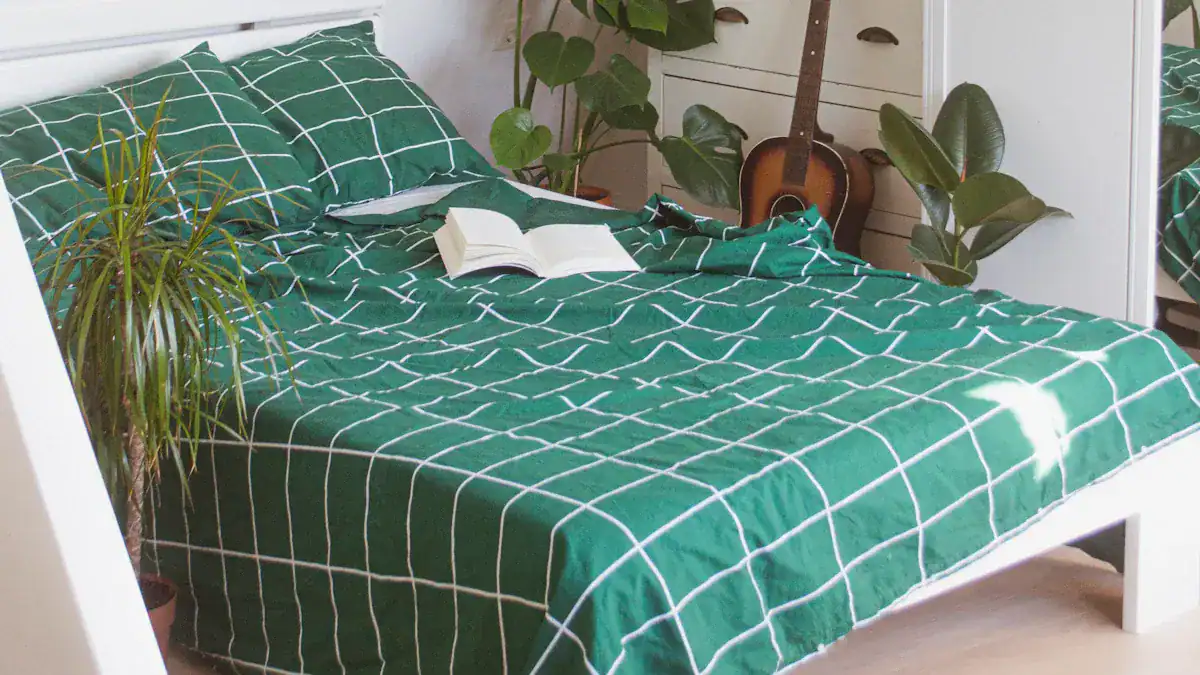
You see more people choosing natural fibers for their bedding in 2025. These materials come from plants and are better for the environment. When you pick homtextile fabrics for bedding made from natural fibers, you help reduce pollution and waste. Many people like organic cotton and bamboo because they are soft and comfortable. These fabrics also let your skin breathe and help manage moisture while you sleep.
Natural fiber bedding, like organic cotton and bamboo, is biodegradable and produced in a sustainable way.
You get high comfort, breathability, and moisture control with these fabrics.
Organic options are popular because they have a lower impact on the environment than synthetic fabrics.
Conventional cotton uses a lot of water and pesticides, which can harm the planet. For example, making one cotton T-shirt needs about 2,700 liters of water.
Choosing organic cotton helps lower the environmental footprint of the textile industry.
Tip: If you want bedding that feels good and is good for the earth, look for natural fiber options.
Eco-Friendly Options
Eco-friendly bedding choices are growing fast. You can find many homtextile fabrics for bedding that use less water and fewer chemicals. These options are safe for your skin and better for the planet. Here are some of the most popular eco-friendly bedding fabrics in 2025:
Linen: Soft, breathable, and gets softer with each wash. Perfect for warm nights.
Hemp: Very strong and becomes softer over time. It gives your bed a unique, textured look.
Organic Cotton: Soft and breathable, free from harmful pesticides, and comes in many colors.
Bamboo: Smooth, moisture-wicking, and gentle on your skin.
Tencel: Made from wood pulp that comes from sustainable forests. It feels soft and drapes nicely.
You help protect the environment when you choose these fabrics. Many brands now offer bedding with certifications that show they meet high eco-friendly standards.
Note: Eco-friendly bedding is not just a trend. It is a smart choice for your health and the planet.
Choosing Fabric
Selecting the right bedding fabric depends on your needs. You want to feel comfortable, sleep well, and make choices that fit your lifestyle. Here is a practical guide to help you decide.
Climate
Your local climate affects which bedding works best for you. In hot or humid places, you need sheets that let air flow and wick away sweat. Cold climates call for fabrics that keep you warm. The table below shows what to look for:
Factor | Description |
|---|---|
Breathability | Lets air move, keeps you cool in hot weather. |
Moisture-wicking | Pulls sweat away, good for humid nights. |
Insulation | Holds in warmth, important for cold areas. |
UV Protection | Shields you from sun, helpful in sunny spots. |
Environmental Sustainability | Eco-friendly materials matter more each year. |
Cotton, linen, and bamboo work well for hot sleepers. Flannel and velvet keep you cozy in winter.
Allergies
If you have allergies or sensitive skin, you need bedding that blocks dust and allergens. Some fabrics help you sleep better by keeping irritants away:
Cozy Earth’s Down Alternative Comforter uses a recycled polyester blend. It is machine-washable and gentle for sensitive skin.
Aller-Ease Pillow has a 100% cotton cover with tight weave. It stops dust mites and pet dander.
Brooklinen’s Percale Bed Sheets use organic cotton with a tight-knit weave. They help prevent dust mite buildup.
You can also look for homtextile fabrics for bedding made from natural fibers. These often feel soft and reduce irritation.
Budget
You do not have to spend a lot to get good bedding. Many types fit different budgets:
Cotton, sateen, linen, and flannel sheets come in a range of prices.
Brands like Quince offer affordable bedding made from natural materials such as linen and cotton.
You can find beautiful, comfortable sheets without breaking the bank.
Care Preferences
Think about how much time you want to spend caring for your bedding. Some fabrics need special washing or ironing. Cotton and bamboo are easy to wash and dry. Linen may wrinkle but gets softer over time. Velvet and chunky knits often need gentle care or dry cleaning.
Tip: Always check the care label before washing your sheets. This helps them last longer and stay comfortable.
You have many great options for bedding fabrics in 2025. Cotton, linen, bamboo, and TENCEL™ offer comfort and breathability. Hemp and flannel give you durability and warmth. Eco-friendly choices like organic cotton and bamboo help protect the planet. Use this table to guide your decision:
Key Aspect | Recommendation |
|---|---|
Comfort | Pick natural fibers like cotton or linen for softness and strength. |
Thread Count | Look for 200–400 for the best feel and durability. |
Sustainability | Choose organic cotton or bamboo for a greener choice. |
Care | Ask for fabric samples to check quality before buying. |
Tip: Match your bedding to your needs. Prioritize comfort, sustainability, and easy care for the best sleep.
FAQ
What is the softest bedding fabric for sensitive skin?
You will find TENCEL™ and bamboo viscose very soft. These fabrics feel smooth and gentle. They work well for sensitive skin. You can also try high-quality cotton for a soft touch.
Are any bedding fabrics naturally hypoallergenic?
Yes, you can choose TENCEL™, bamboo viscose, or silk. These fabrics resist dust mites and allergens. They help you sleep better if you have allergies.
Which bedding fabric is best for hot sleepers?
You should look for linen, cotton percale, or bamboo. These fabrics breathe well and wick away moisture. You will stay cool and dry at night.
How do I care for eco-friendly bedding fabrics?
Always check the care label. Most eco-friendly fabrics, like organic cotton or bamboo, need gentle washing. Use mild detergent and cold water. Air dry when possible to keep your bedding in good shape.
Is sustainable bedding more expensive?
You may pay more for sustainable bedding at first. Over time, these fabrics last longer and feel better. You save money because you replace them less often.
 English
 Arabic
 Spanish
 French
 Italian
 Portuguese
 Vietnamese