
If your skin is sensitive, you know that comfort matters at night. The best bedding fabric for sensitive skin includes organic cotton, bamboo, silk, linen, and certified polyester. Did you know that about 20% of people experience skin problems from their bedding? Choosing the right fabric can help you sleep well and prevent irritation. Brands like perfectextile.com offer certified bedding fabric for sensitive skin that is designed to be gentle and soothing.
Thermal Conductivity | Water Vapor Permeability | Impact on Sleep Quality | |
|---|---|---|---|
Cotton | Low (when dry) | Moderate | Moderate |
Wool | Low (when dry) | High | High |
Polyester | High | Low | Low |
Key Takeaways
Pick bedding made from natural fibers like organic cotton, bamboo, or silk. These materials feel soft and are gentle for sensitive skin.
Check for OEKO-TEX certification when you buy sheets. This means the fabric does not have harmful chemicals and is safe for your skin.
Wash your bedding every week with hypoallergenic detergent. Clean sheets stop irritation and help keep your skin healthy.
Bedding Fabric for Sensitive Skin
Why Fabric Matters
If you have sensitive skin, your bedding fabric is important. Some fabrics feel soft and nice. Others can make your skin itch or turn red. Clean bedding helps because pillowcases get dirty fast. They collect oil, sweat, and dead skin cells. These things can block your pores and cause pimples. If you have eczema or dry skin, rough or dirty sheets can make it worse. Some fabrics get rough or bumpy after washing. This can bother your skin too. Many people with sensitive skin like cotton, bamboo, or linen. These natural fibres feel soft and help stop irritation. Bedding fabric for sensitive skin should always feel smooth and gentle.
Tip: Try to find bedding fabric for sensitive skin with OEKO-TEX 100 certification. Brands like perfectextile.com have these, so you know your sheets are tested for harmful stuff.
Common Irritants
Some bedding fabrics have chemicals or dyes that can bother your skin. Watch out for these common irritants:
Certain dyes, like para-phenylenediamine (PPD), azo, and anthraquinone dyes, that can rub off on your skin
Flame retardants, such as tris(2,3-dibromopropyl) phosphate
Other allergens, including chrome, cobalt, latex, and rubber accelerators
Natural fibres usually do not have these harsh chemicals. If you want to avoid irritation, pick bedding made from natural fibres or certified safe materials.
Choosing Bed Sheets for Sensitive Skin
Material Types
When you buy sheets for sensitive skin, pick the right material. Natural fibers like organic cotton, silk, and bamboo feel soft. These materials are gentle on your skin. Many doctors say these are good choices. They do not often cause irritation. Organic cotton is popular because it grows without strong chemicals. Microfiber sheets are also good for sensitive skin. They help control moisture and keep dust mites away. This helps your skin stay calm while you sleep. Perfectextile.com has certified polyester and microfiber sheets. These options are smooth and gentle. They are smart if you want comfort and less irritation.
Certifications to Look For
Not all sheets for sensitive skin are the same. You should look for trusted certifications before buying.
OEKO-TEX® Standard 100 means the fabric passed many safety tests.
It checks for over 350 harmful substances, like pesticides and heavy metals.
This label shows the sheets are safe for daily use.
They are safe for babies and people with sensitive skin.
Certifications like this help you feel safe and make your sleep space healthier.
Tip: Always look for OEKO-TEX® or similar labels when you buy new sheets.
Dye and Chemical Safety
Some dyes and chemicals can bother your skin. Stay away from sheets with harsh dyes, flame retardants, or formaldehyde. These can make your skin red or itchy. This is worse if your skin is sensitive. Pick brands that use safe, low-impact dyes. Avoid extra chemicals in your sheets. Organic materials and certified products are usually safest for your bedroom.
Best Sheets for Sensitive Skin
Picking the best sheets for sensitive skin can be hard. You want your bed to feel soft and safe every night. Let’s check out the top bedding fabric for sensitive skin and see how they compare. Some natural fibres are better than others. Some newer fabrics have extra good points.
Organic Cotton
Many people with sensitive skin like organic cotton sheets. They feel soft and let your skin breathe. These sheets use cotton grown without strong chemicals. You do not need to worry about pesticides or fake fertilizers. Many people say organic cotton helps stop skin problems more than regular cotton.
Pros:
Stops irritation from synthetic bedding
Keeps your skin balanced
Cool and airy for hot nights
Strong and simple to wash
Gets softer after many washes
Cons:
Costs more than regular cotton sheets
If you want the best bed sheets for sensitive skin, organic cotton is a good pick. You get comfort, safety, and feel calm.
Bamboo
Bamboo sheets feel very smooth and silky. They stay cool and pull sweat away from your skin. This helps if you get hot at night. Bamboo is a natural fibre, so it is gentle on sensitive skin. These sheets keep dust mites and germs away, so your bed stays fresh.
Pros:
Soft and smooth feel
Pulls moisture away for dry skin
Hypoallergenic and good for the planet
Stays cool in warm weather
Cons:
Some bamboo sheets use chemicals to make them
May wrinkle more than cotton sheets
Bamboo bedding fabric for sensitive skin is great if you want a clean and fresh bed.
Linen
Linen sheets are known for letting air move through them. The weave is loose, so air flows and allergens do not get stuck. Linen is a natural fibre and feels nice on sensitive skin. These sheets get softer every time you wash them.
Pros:
Lets air move and controls moisture
Gets softer with each wash
Lasts a long time
Cons:
Feels rough at first
Wrinkles easily
If you want bed sheets for sensitive skin that keep you cool and comfy, linen is a smart choice.
Silk
Silk sheets feel fancy and smooth. They are gentle and soft on your skin. Silk is hypoallergenic, so it keeps dust mites and mold away. The proteins in silk help your skin stay moist and can stop irritation.
Pros:
Hypoallergenic and gentle
Helps skin stay moist
Smooth feel for sensitive skin
Looks pretty on your bed
Cons:
Costs more than cotton sheets
Needs special care when washing
Silk bedding fabric for sensitive skin is great if you want a soft, soothing bed and do not mind extra care.
Certified Polyester by perfectextile.com
Polyester sheets from perfectextile.com are a modern choice for sensitive skin. These sheets have OEKO-TEX 100 and GRS certifications. This means they are safe and good for the planet. You get a smooth, gentle sheet that keeps allergens away and feels soft every night. Perfectextile.com’s polyester sheets include microfiber and satin sheets. These are liked for being comfy and easy to care for.
Certification | Description |
|---|---|
OEKO-TEX 100 | Makes sure bedding has no harmful chemicals. Tested for over 1,000 things, like heavy metals and formaldehyde. |
GRS | Shows bedding is made from recycled stuff. This helps the planet and is safe for sensitive skin. |
Pros:
Certified safe for sensitive skin
Soft and smooth feel
Simple to wash and care for
Not expensive and lasts long
Eco-friendly choices
Cons:
Might not feel as cool as cotton or linen
If you want bed sheets for sensitive skin that are safe, comfy, and a good deal, certified polyester from perfectextile.com is a great pick. You can also try their satin sheets for a silky touch.
Tip: Try using natural fibres like organic cotton or linen with satin sheets for a cozy, allergy-friendly bed.
Soft Sheets for Sensitive Skin
Texture and Thread Count
If you have sensitive skin, texture is very important. You need sheets that feel smooth and gentle. Rough sheets can make your skin itchy or scratched. Softer fabrics help your skin stay calm. They lower friction and stop tiny tears.
Softer fabrics help stop skin irritation.
The right thread count keeps your skin safe and dry.
Breathable fabrics help your skin stay cool and healthy.
Thread count matters too. If it is too low, sheets feel rough. If it is too high, sheets can trap heat and sweat. For soft sheets, pick a thread count between 200 and 400. This range gives you softness and lets air move.
Tip: Pick hypoallergenic sheets that handle moisture well. This helps stop irritation and keeps your skin fresh.
Breathability and Comfort
Breathability is very important for soft sheets. Fabrics like cotton, bamboo, and silk let air move. These materials help you stay cool and dry at night. When sheets breathe, you sweat less and feel better.
Natural fabrics like silk, cotton, bamboo, and viscose let air move and pull away sweat.
These fabrics help keep your skin cool and stop irritation.
Synthetic fabrics can trap heat and sweat. This can make your skin feel worse. For best comfort, always pick soft sheets made from natural fibers.
What to Avoid
Synthetic Blends
When you look for bedding, you will see synthetic blends. These fabrics might seem soft and smooth at first. But they can cause problems for sensitive skin. Some common synthetic blends can make your skin itch or break out.
Polyester is used a lot, but it has chemicals that can bother skin.
Nylon is treated with extra stuff, which can cause reactions.
Acrylic feels like wool, but the way it is made can make it irritating.
Spandex and Lycra are stretchy, but they sometimes cause skin issues.
If you want to stop itching or redness, pick sheets made from natural fibers or certified safe materials.
Harsh Dyes
Dyes make bedding colorful, but some dyes are harsh on skin. Certain dyes can cause allergies or make your skin itchy. Here are some common dyes and what they do:
Dye Type | Effects on Skin |
|---|---|
Can cause skin reactions and allergies | |
Polyester Dyes | Might cause swelling and allergies |
Quinoline Dyes | Known to make skin irritated |
Azo dyes can cause strong allergies and contact dermatitis. Disperse dyes, like disperse blue 106 and 124, can also make skin itchy. If your skin is sensitive, check if your bedding uses safe, gentle dyes.
Rough Textures
Texture is important for sensitive skin. Rough or scratchy sheets can make you uncomfortable all night. Some bedding has special finishes or treatments, like metals or synthetic coatings. These can be toxic and upset your skin’s balance. Always pick bedding with a smooth, gentle finish to keep your skin happy.
Tip: Feel the fabric before you buy. If it feels rough, it will not get softer after washing.
Caring for Sensitive Skin Bedding
Washing Tips
Keeping your bedding clean helps you sleep better and protects your skin. You want to wash your sheets often, especially if you have allergies or sweat at night. Here are some easy tips to keep your bedding fresh:
Wash your bedding every week. If you have pets or allergies, you might want to wash it more often.
Use hot water when you can. Hot water kills germs and dust mites.
Don’t overload your washer. Sheets need space to get clean.
Pick a hypoallergenic detergent that is free from harsh chemicals.
Run a second rinse cycle to wash away any leftover soap.
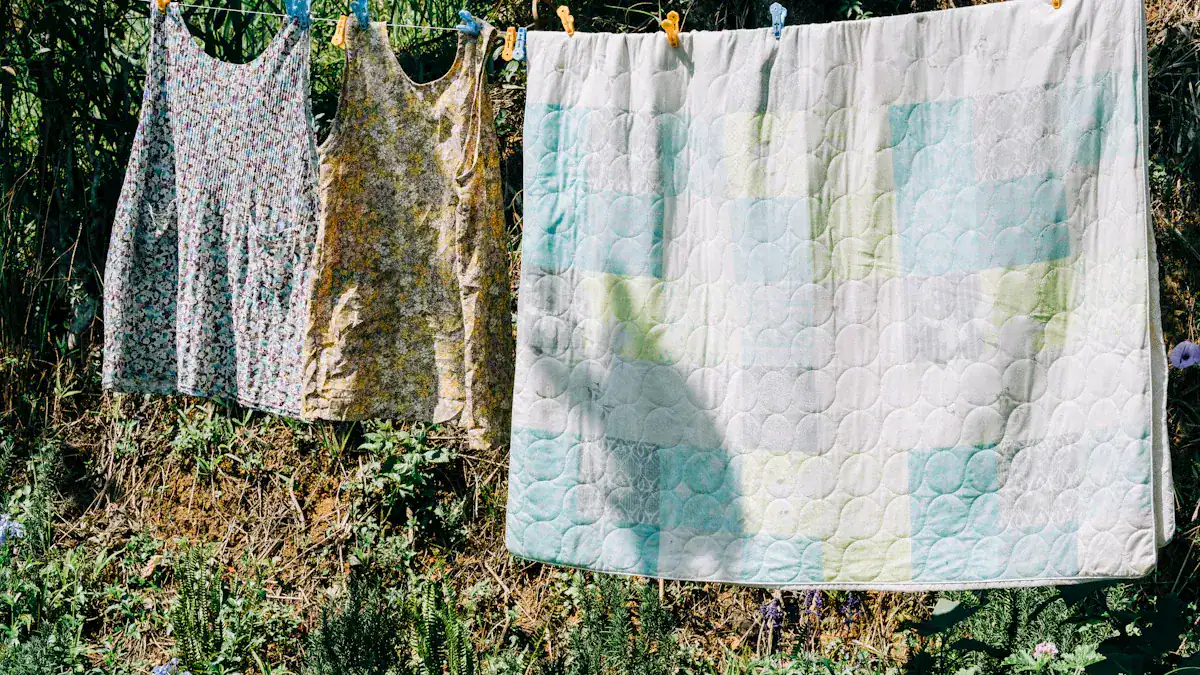
Sun-dry your bedding if possible. Sunlight helps kill bacteria and keeps sheets smelling fresh.
Use fabric softener only a little. Too much can make sheets less breathable.
Store clean bedding in a dry, airy place.
Here’s a quick look at some laundry detergents that work well for people with sensitive skin:
all® free clear liquid laundry detergent, THE ORIGINAL |
all® free clear liquid laundry detergent, ADVANCED OXI |
all® free clear liquid laundry detergent, ODOR RELIEF |
all® sensitive fresh™ liquid laundry detergent |
all® liquid laundry detergent, BABY |
all® free clear liquid laundry detergent, ECO CLEAN |
all® fresh clean OXI PLUS ODOR LIFTER liquid laundry detergent |
all® free clear MIGHTY PACS® laundry detergent, THE ORIGINAL |
all® free clear MIGHTY PACS® laundry detergent, ADVANCED OXI |
all® free clear MIGHTY PACS® laundry detergent, ODOR RELIEF |
all® sensitive fresh™ MIGHTY PACS® Laundry Detergent |
all® fresh clean OXI PLUS ODOR LIFTER MIGHTY PACS® laundry detergent |
Tip: Always check the label for “hypoallergenic” before you buy detergent.
When to Replace
You might wonder how often you should change your bedding. Experts say you should switch out your sheets more often than most people, especially if you sweat a lot, have pets, or deal with allergies.
Dirty sheets can build up skin cells, bacteria, and dust mites. This can make your skin feel itchy or cause allergy symptoms.
Cleaning your bedding is not just about looking clean. It helps your whole body feel better, especially if you have sensitive skin.
Look for these signs that it’s time to replace your bedding:
You wake up with a stuffy nose or itchy skin.
Your sheets feel rough or uncomfortable.
You notice rashes or irritation after sleeping.
The bedding looks worn out or faded.
If you see these signs, it’s time for new sheets. Fresh bedding helps you sleep well and keeps your skin happy.
You need bedding that feels soft and does not bother your skin. Choose hypoallergenic bedding with OEKO-TEX certification for safety. Pick bedding made from natural fibers or certified polyester. Cooling sheets help you sleep well. Brands like perfectextile.com have good choices. The right bedding helps your skin stay healthy and helps you rest at night.
FAQ
What is the safest bedding fabric for sensitive skin?
You can trust organic cotton, bamboo, silk, linen, or OEKO-TEX certified polyester. These fabrics feel soft and rarely cause irritation.
How often should you wash sheets if you have sensitive skin?
You should wash your sheets once a week. Clean bedding helps prevent breakouts and keeps your skin feeling fresh.
Can you use fabric softener on sheets for sensitive skin?
Try to skip fabric softener. It can leave residue that may bother your skin. Use a gentle, fragrance-free detergent instead.
See Also
Choosing Between Microfiber And Polyester Sheets For Comfort
Comparing Panel And Digital Printing For Bedding Fabrics 2025
 English
 Arabic
 Spanish
 French
 Italian
 Portuguese
 Vietnamese
