
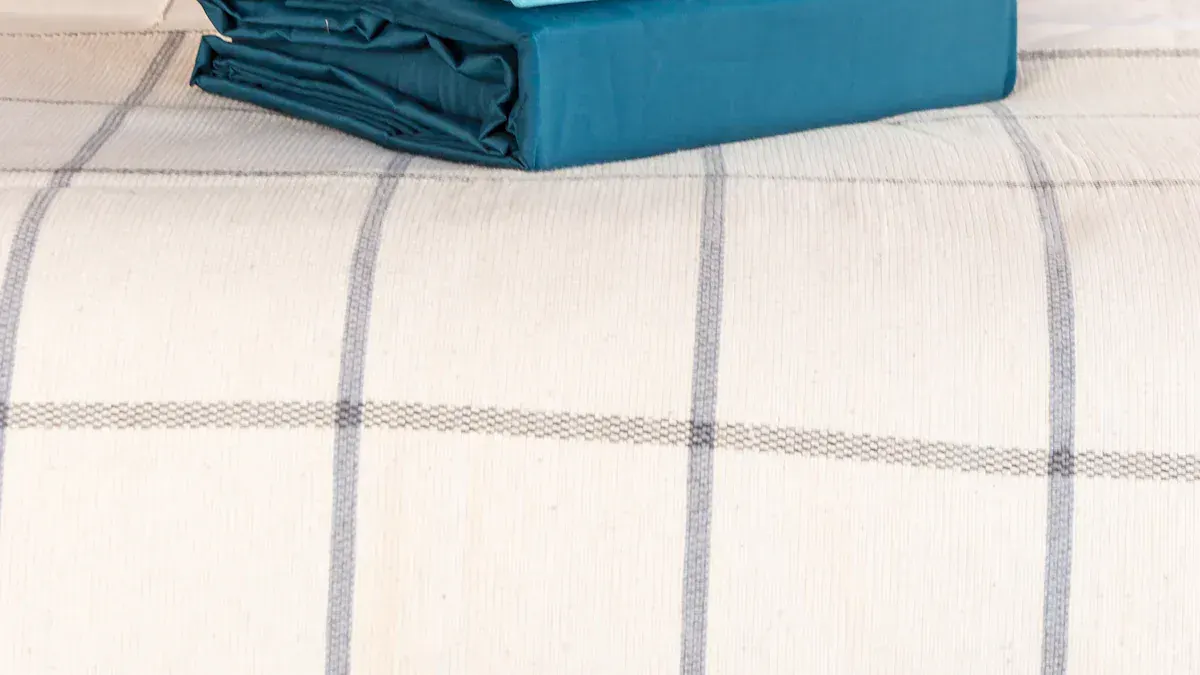
What matters most when you pick bulk bed sheets for hotels and rentals? Sheet quality can make or break guest comfort. When you invest in durable linens, you cut down on laundry costs and keep guests happier. You want to focus on these key criteria:
Material
Thread count
Comfort
Cost
Supplier reliability
Maintenance
If you source bulk bed sheets B2B, you need advice that fits 2026 trends and standards.
Key Takeaways
Choose high-quality materials like Egyptian or Pima cotton for luxury and comfort. Microfiber is a budget-friendly option.
Aim for a thread count between 300 and 500 for the best balance of softness and durability. Avoid chasing higher numbers.
Select suppliers who offer reliable service and eco-friendly options. Quality sheets save money in the long run.
Consider hypoallergenic sheets to enhance guest comfort and satisfaction. Materials like TENCEL™ and organic cotton are great choices.
Plan your par levels wisely to ensure you have enough sheets for busy times. This helps maintain guest satisfaction and smooth operations.
Material Choices
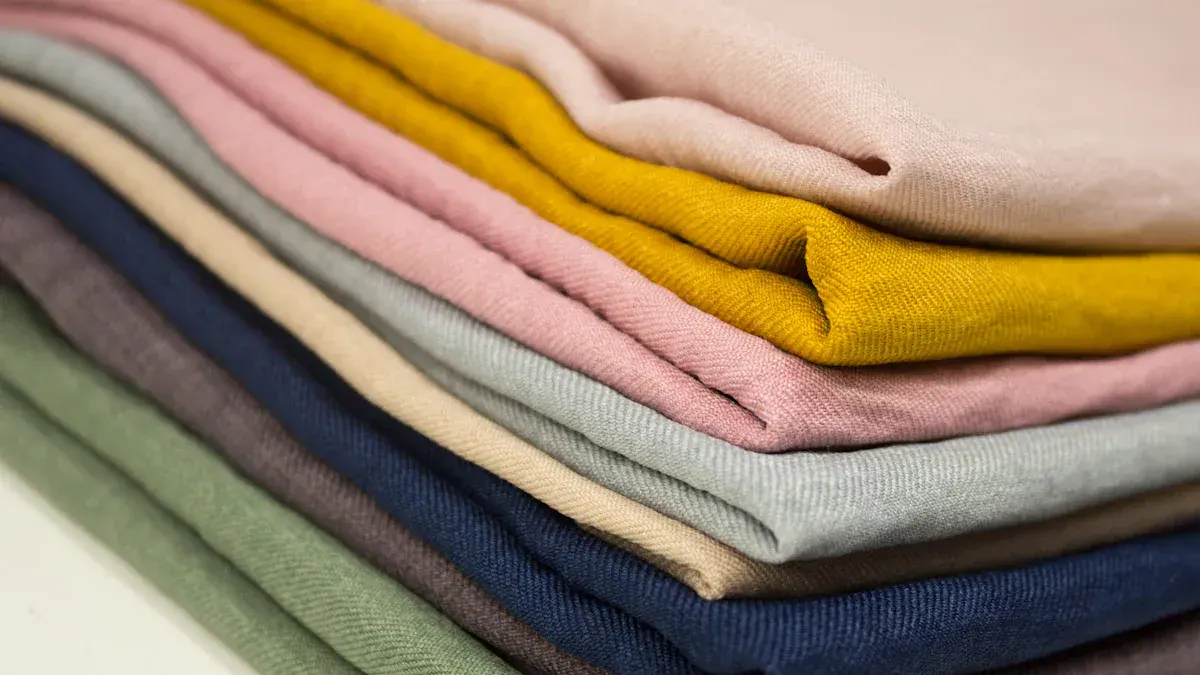
When you shop for bulk bed sheets, the material matters more than you might think. The right fabric can boost guest comfort, cut down on laundry headaches, and even help your property stand out. Let’s break down your main options.
Cotton Types: Egyptian, Pima, Long-Staple
You’ll see cotton everywhere in the hospitality world. Egyptian and Pima cotton are the stars, but long-staple cotton also gets plenty of attention. Here’s how they stack up:
Cotton Type | Durability | Comfort | Price Range (Bulk) |
|---|---|---|---|
Egyptian Cotton | Strong, resists stress and pilling | Softens with each wash, luxurious | $50–$100+ per set |
Pima Cotton | Similar durability, secondary to Egyptian | Silky smooth, absorbs color better | $8–$12 per set |
Long-Staple | Good strength, softer than short-staple | Comfortable, not as luxurious | Varies |
Egyptian cotton uses long-staple fibers. These fibers make sheets strong and soft. Pima cotton shares many qualities with Egyptian, but you’ll notice it feels a bit less fancy. If you want luxury, Egyptian cotton is your best bet. Pima cotton gives you comfort at a lower price. Long-staple cotton offers a nice balance for mid-range properties.
Tip: If you run a luxury hotel, Egyptian cotton sheets will impress your guests. For budget-friendly comfort, Pima cotton is a smart choice.
Percale vs. Sateen Weave
The weave changes how sheets feel and perform. Percale and sateen are the two main styles you’ll find.
Feature | Percale | Sateen |
|---|---|---|
Breathability | Excellent airflow, keeps cool | Less airy, may feel warm |
Maintenance | Wrinkles easily, needs ironing | Wrinkle-resistant, smooth finish |
Percale sheets feel crisp and cool. They breathe well, so guests won’t get too hot at night. Sateen sheets feel smoother and heavier. They resist wrinkles, which saves you time in the laundry room. If you want easy care, sateen is a winner. If you want a fresh, hotel-like feel, go with percale.
Microfiber and Linen Options
Not every property needs cotton. Microfiber and linen offer unique benefits, especially for rentals and busy hotels.
Type | Pros | Cons |
|---|---|---|
Microfiber | – Durable, resists pilling and tearing | – Less breathable, can trap heat |
– Stain-resistant, stays looking new | – Feels less luxurious to some guests | |
– Dries 30-50% faster than cotton | – Synthetic feel | |
– Cheaper than cotton | ||
Linen | – Extremely durable, lasts decades | – High initial cost |
– Gets softer with each wash | – Wrinkles easily, needs careful handling | |
– Breathable, wicks moisture | – Feels rough until broken in | |
– Casual luxury look |
Microfiber sheets work well for high-turnover rentals. They dry fast and resist stains, so you spend less time on laundry. Linen sheets last for years and get softer over time. They look stylish and feel cool, but they wrinkle easily and cost more upfront.
Note: Microfiber sheets cost 30-50% less than cotton. Linen sheets need gentle washing, but they can last decades if you treat them right.
What’s Trending in 2026?
Hotels and rentals now look for sheets that are kind to the planet. You’ll see more properties choosing organic, recycled, and biodegradable materials. Suppliers focus on sustainable sourcing and eco-friendly manufacturing. Many hotels recycle old linens to cut down on waste. If you want to attract eco-conscious guests, ask your supplier about their environmental practices.
Description | |
|---|---|
T180 & T200 | Poly/cotton blends for durability and industrial laundry cycles |
T250 & T300 | Suitable for mid-scale and boutique upgrades |
100% Cotton (T300–T400) | Preferred for luxury properties seeking natural softness |
You can match your sheet choice to your property’s needs. Poly/cotton blends work well for busy hotels. Higher thread count cotton sheets fit boutique and luxury spaces. If you want to stand out, consider organic or recycled options.
Choosing the right material means happier guests, easier laundry days, and a better reputation for your property.
Thread Count & Durability
Ideal Thread Count Range (300-500)
When you shop for bulk bed sheets, you might wonder if a higher thread count always means better quality. It’s a common myth. For hotels and rentals, you want sheets that feel soft but also last through many washes. The sweet spot for thread count sits between 300 and 500. This range gives you a nice balance of comfort, durability, and cost.
Here’s a quick guide:
Description | |
|---|---|
200-300 TC | Great for percale weave, crisp and cool feel |
300-600 TC | Best for sateen weave, softer and smoother touch |
250 TC | Feels luxurious, especially with Egyptian cotton |
If you pick sheets in this range, you get fabric that feels good and holds up well. You also avoid paying extra for numbers that don’t add real value.
Tip: Don’t chase the highest thread count. Focus on quality and comfort instead.
Single-Ply vs. Multi-Ply Sheets
You’ll see sheets labeled as single-ply or multi-ply. What’s the difference? Single-ply sheets use one long strand of fiber per thread. Multi-ply sheets twist two or more strands together. This changes how the sheets feel and how long they last.
Feature | Single-Ply Sheets | Multi-Ply Sheets |
|---|---|---|
Construction | One strand per thread | Two or more strands twisted together |
Durability | Usually less durable | Often more durable |
Softness | Softer and smoother | Not as soft as single-ply |
Single-ply sheets feel softer. Multi-ply sheets can handle more wear and tear. For busy hotels, multi-ply might last longer, but single-ply gives a more luxurious feel.
Laundering Efficiency & Longevity
You want sheets that survive lots of washes. High-quality hotel sheets usually last through 100 to 150 commercial laundry cycles before you need to replace them. If you pick the right thread count and construction, your sheets will stay soft and strong longer.
Many people think thread count alone means better sheets.
High thread counts can be misleading if made with multi-ply yarn.
Always check both thread count and fabric quality.
Remember, the right thread count and construction help you save money and keep guests happy. Choose wisely, and your sheets will go the distance.
Guest Comfort & Design
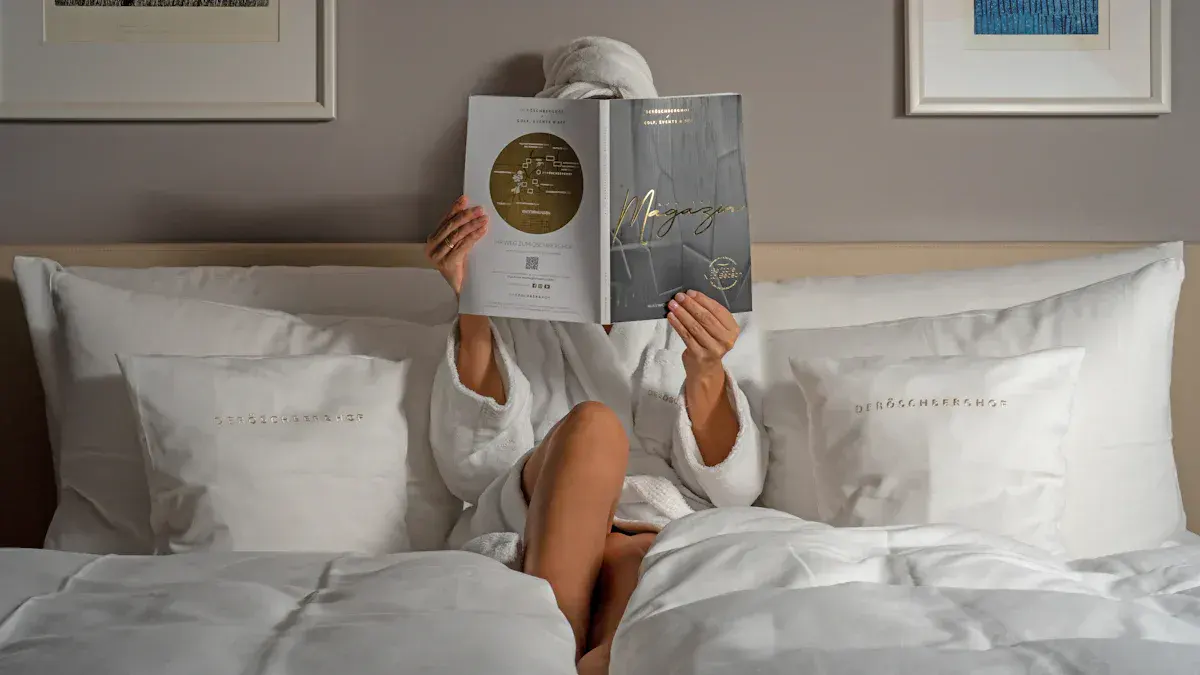
Softness and Breathability
You want your guests to feel at home the moment they slip into bed. Softness and breathability play a huge role in that first impression. When you choose sheets, think about how they feel and how well they let air flow. Here’s how popular materials compare:
Material | Softness | Breathability | Notes |
|---|---|---|---|
Percale | Crisp and cool | High | Great for warm weather and heavy use |
Sateen | Smooth and silky | Moderate | Feels warmer, can snag more easily |
Egyptian Cotton | Gentle on skin | High | Gets softer with higher thread count |
Bamboo | Soft and breathable | Very high | Wicks moisture, perfect for sweaty sleepers |
Guests notice when sheets feel rough or trap heat. You can boost satisfaction by picking materials that stay cool and soft, even after many washes.
Cleanliness matters most to guests. High-quality, comfortable linens make a big difference in how they rate their stay.
Allergen Considerations
You never know who might have allergies. Choosing hypoallergenic sheets helps everyone sleep better. Some materials work better for sensitive guests:
Material Type | Best For | Key Benefits |
|---|---|---|
TENCEL™ Lyocell Sheets | Sensitive skin, allergies | Resists dust mites, bacteria, and feels smooth |
Organic Cotton Sheets | Breathability, chemical sensitivity | Free from pesticides, highly breathable, GOTS-certified |
Bamboo Viscose Sheets | Antimicrobial, softness | Inhibits allergens, wicks moisture, biodegradable |
Microfiber Sheets | Affordability, allergen barrier | Blocks dust mites, easy to care for, budget-friendly |
If you want to cut down on complaints, look for sheets labeled as hypoallergenic or made from natural fibers.
Color and Style Choices
Color sets the mood in every room. In 2026, you’ll see hotels moving toward warmer, nature-inspired shades. Think beige, soft browns, caramel, clay, and antique cream. These colors create a calm, welcoming vibe and help guests relax. You can also choose sheets with subtle textures or luxurious finishes to add a touch of style.
Guests love a cozy, inviting look. Warm colors and soft textures make your property stand out.
When you focus on comfort, cleanliness, and style, you give guests a reason to come back.
Bulk Bed Sheets B2B: Sourcing & Suppliers
When you buy bulk bed sheets B2B, you want to get the best value for your money. You also need sheets that last and keep guests happy. Let’s look at how you can balance cost and quality, pick the right supplier, and plan for replacements.
Cost vs. Quality in Bulk Purchases
You might think the cheapest sheets save you money. In reality, low-cost sheets often wear out faster and need replacing sooner. High-quality sheets cost more upfront, but they last longer and feel better to guests. You should compare suppliers and materials before you decide.
Here’s a quick look at how different suppliers stack up:
Supplier Name | Key Features | Pricing Considerations |
|---|---|---|
Tariq Trade | High-quality sheets, reliable service | Evaluate pricing and overall value |
Bulk Linen Supply | Sustainable practices, durable materials | Higher price may mean better quality |
DZEE Textiles | Eco-friendly options, enhances guest comfort | Long-term savings through reduced replacement costs |
Nathosp | Focus on quality and durability | Request samples before bulk orders |
Direct Textile Store | Strong supplier relationships, good communication | Fair pricing and fewer defects lead to savings |
Hotels4Humanity | Attracts environmentally conscious guests | |
Epic Linen | Prioritizes guest comfort and quality | |
HY Supplies | Offers a variety of materials and styles | |
Thomasnet | Reliable service and strong supplier relationships | |
WinFly Hotel Supply | Focus on quality and durability |
Tip: Ask for samples before you place a big order. You can check the feel and quality yourself.
If you want to save money in the long run, choose suppliers who offer durable materials and good service. Sometimes, paying a little more means fewer headaches later.
Evaluating B2B Suppliers
Picking the right supplier for bulk bed sheets B2B is more than just looking at price tags. You need to check their reliability, quality, and service. Here’s what you should look for:
Criteria | Description |
|---|---|
Quality of Materials | Comfort, durability, and certified safety |
Customization Options | Personalized designs, colors, and embroidery |
Pricing and Budget | Balance quality with cost, bulk discounts |
Reliability & Delivery | Consistent supply, strong communication, good reviews |
Eco-Friendly Practices | Organic materials, sustainable production, recyclable packaging |
You should ask about certifications like OEKO-TEX® or ISO. These show the sheets are safe and healthy for guests. Suppliers with these certifications care about quality and safety.
Note: Suppliers who offer customization can help you match your brand style. You can choose colors, patterns, or even add your logo.
Strong communication matters. You want a supplier who answers questions quickly and delivers on time. Read reviews from other hotels and rentals. If a supplier has a good reputation, you can trust them with your bulk bed sheets B2B orders.
Par Level & Replacement Cycles
You need enough sheets to keep every room ready, even when laundry is busy. The right par level helps you avoid running out or buying too many. Most hotels and rentals use 3 to 4 sets of sheets per bed.
Recommended PAR Levels | Influencing Factors |
|---|---|
2 to 4 PARs | Laundry frequency |
On-site vs. off-site laundry | |
Average occupancy | |
Turnover volume | |
Storage capacity |
Here’s how the 3-par standard works:
Keep one set clean in the guest room.
Have one set dirty in the laundry.
Store one set ready for the next day.
This system keeps your rooms ready for guests and helps your housekeeping team work smoothly. You avoid over-purchasing and save money on storage.
They improve housekeeping schedules.
You prevent over-purchasing.
Par levels support budget planning.
They reduce wear and tear on linens.
Hotels usually replace bulk bed sheets B2B every 12 to 18 months. Sheets wear out from frequent washing. If you track your laundry cycles, you’ll know when it’s time to order new sets.
Tip: Properties with on-site laundry and steady occupancy benefit most from the 3-par system. You get a buffer for delays and avoid extra costs.
When you plan your par levels and replacement cycles, you keep your operation running smoothly. You also make sure guests always get fresh, comfortable sheets.
Care & Maintenance
Washing and Handling Tips
You want your sheets to look fresh and last longer. Start by keeping your washing loads at the right size. Overloading the machine can leave sheets dirty and cause extra wear. Use fabric softeners sparingly. Too much can build up and make sheets feel stiff. Skip chlorine bleach on colored or delicate fabrics. Oxygen-based bleach works better and keeps colors bright. Air drying cotton sheets helps prevent shrinkage. If you use a dryer, stick to low or medium heat. Remove sheets as soon as the cycle ends to avoid wrinkles. Iron sheets while they are slightly damp for a crisp finish. Treat stains right away. Use cold water for protein stains and a degreaser for oily spots. Store sheets in a clean, dry space with good airflow. Avoid plastic bins, which can trap moisture and cause mildew. Rotate your sheets regularly so they age evenly.
Tip: A rotation system helps you manage inventory and keeps every set in good shape.
Extending Sheet Lifespan
You can make your sheets last longer with a few smart routines. Check out these best practices:
Maintenance Routine | Description |
|---|---|
Proper Laundering Practices | Wash with water at 140°F to 160°F and use pH-balanced detergents to protect fibers. |
Stain Pretreatment | Treat stains quickly with mild, enzyme-based products. |
Advanced Washing Techniques | Keep washer loads balanced to reduce stress on the fabric. |
Dryer Best Practices | Use moisture-sensing dryers and lower temperatures to avoid over-drying. |
Effective Storage | Store linens in climate-controlled rooms to prevent aging. |
Segregation by Use & Rotation Tags | Separate sheets by type and rotate them to avoid overuse. |
Encourage your staff to handle sheets gently. Use mattress pads to cut down on friction. Train your team to fold or shake out sheets instead of tossing them into hampers. Padded laundry carts help prevent snags and tears.
Fold or shake out sheets before collecting.
Use padded carts for transport.
Signs for Replacement
You need to know when sheets are past their prime. Watch for these signs:
Holes or tears show the sheets are worn out.
Stains and discoloration that won’t wash out mean it’s time for new ones.
Built-up detergent residue can make sheets feel sticky.
Unpleasant odors after washing suggest hidden mildew or bacteria.
Loose or shrunken sheets won’t fit well.
Pilling or bobbles are hard to fix and look bad.
Faded or thinning fabric loses its fresh look.
If you spot any of these problems, swap out the sheets. Fresh linens keep guests happy and your property looking its best.
You want to make smart choices when buying bulk bed sheets for your property. Focus on these essentials:
What to Look For | |
|---|---|
Material | Soft, strong, and easy to clean |
Thread Count | 300–500 for comfort and durability |
Cost | Quality blends that save money |
Supplier | Reliable service and quick restocks |
Use this checklist for every purchase. Review your current linens and see if they match today’s standards. Upgrading to eco-friendly, durable sheets in 2026 can boost guest satisfaction and cut costs. 👍
FAQ
What is the best sheet material for hotels in 2026?
You want cotton for luxury and comfort. Egyptian or Pima cotton feels soft and lasts long. Microfiber works well for budget properties. Linen gives a stylish touch but costs more. Always check for eco-friendly options.
How often should you replace bulk bed sheets?
Most hotels swap sheets every 12 to 18 months. Watch for stains, holes, or rough texture. If sheets look worn or guests complain, it’s time for new ones.
Can you mix different sheet colors in guest rooms?
Yes, you can! Mixing warm, earthy tones creates a cozy vibe. Neutral colors like beige or cream work best. You can add subtle patterns for style. Just keep the look consistent across rooms.
Do higher thread counts mean better quality?
Not always. You get the best balance with 300 to 500 thread count. Focus on material and weave instead of chasing high numbers. Single-ply sheets feel softer and last longer.
What certifications should you look for when buying sheets?
Look for OEKO-TEX® or GOTS labels. These show the sheets are safe and eco-friendly. Suppliers with these certifications care about guest health and the environment.
See Also
Comparing Panel And Digital Printing For Polyester Bedding Fabrics
Choosing Between Microfiber And 100 Percent Polyester Bedding Sheets
 English
 Arabic
 Spanish
 French
 Italian
 Portuguese
 Vietnamese
