
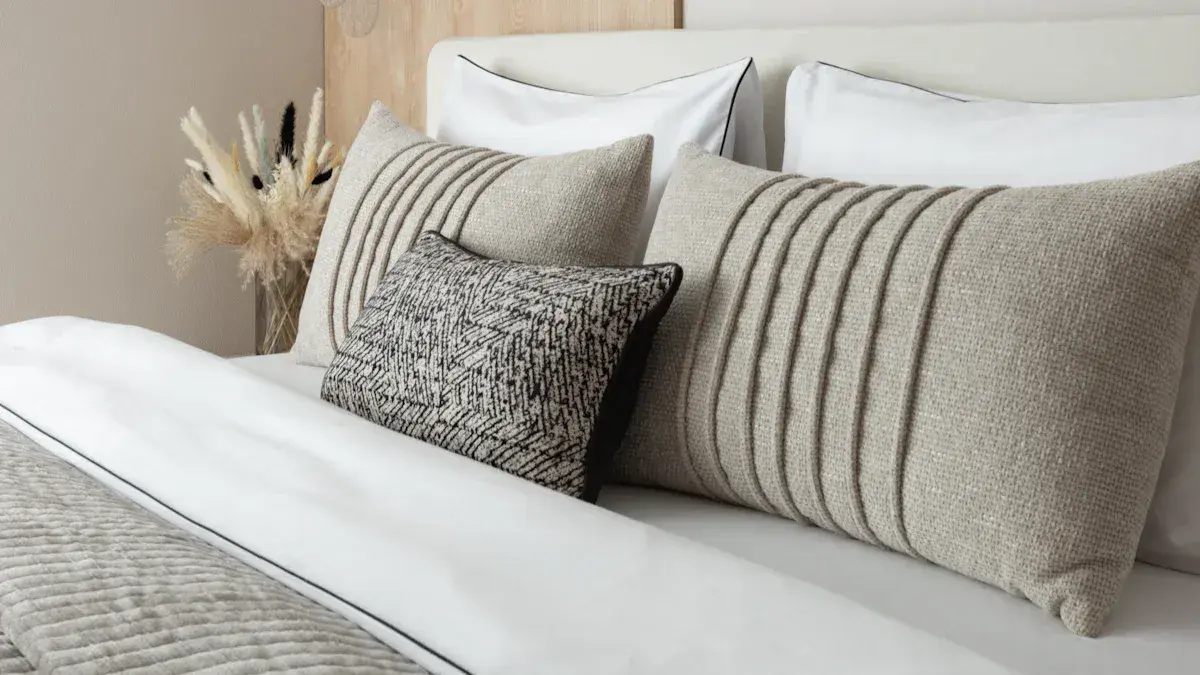
The main difference between coverlet and quilt comes from their design and purpose. You will notice that a coverlet usually feels lighter and works best as a decorative layer, while a quilt offers more warmth with its thicker, padded structure. When you understand these differences, you can easily pick the bedding that fits your comfort and style.
Key Takeaways
Coverlets are lightweight and ideal for warm weather, while quilts are thicker and provide more warmth for colder nights.
Coverlets can serve as decorative layers or light blankets, making them versatile for different styles and seasons.
Quilts consist of three layers: a decorative top, an insulating middle, and a backing, which adds to their coziness and durability.
Choosing the right bedding depends on your climate and personal comfort needs; use coverlets in summer and quilts in winter.
Layering bedding allows you to adjust warmth and style; combine a coverlet with a quilt for added comfort and visual appeal.
What Is a Coverlet?

Features and Materials
A coverlet is a lightweight bed covering that you can use for both decoration and comfort. You will notice that coverlets often have a smooth, flat surface and do not include the thick padding found in quilts. This makes them perfect for layering or for use on their own during warmer months.
Most modern coverlets use a variety of materials. You might find these common options:
Linen
Silk
Wool
Synthetic materials
Blends
Natural fibers
These materials help make coverlets breathable and soft. Cotton and linen feel cool and crisp, while silk adds a touch of luxury. Wool and blends can offer a bit more warmth, but coverlets still stay lighter than most other bedding. Many experts say that coverlets stand out because they use breathable fabrics like cotton, linen, or bamboo. This helps you stay cool at night and improves your sleep quality.
Tip: If you tend to sleep hot or live in a warm climate, a coverlet can help you avoid overheating and sleep more comfortably.
Common Uses
You can use a coverlet in several ways. Many people place it on top of their bed as a decorative layer. The simple design and wide range of colors and patterns make it easy to match your bedroom style. You might also use a coverlet as a light blanket during spring or summer.
Some people like to layer a coverlet over a sheet and under a heavier comforter or quilt. This gives you more control over your warmth and comfort. You can remove or add layers as the temperature changes. The difference between coverlet and quilt becomes clear when you want a lighter option that still looks stylish.
Coverlets work well for guest rooms, children’s beds, or any space where you want a neat, tidy look. You can easily fold or drape them at the foot of the bed for a hotel-like touch.
What Is a Quilt?
Structure and Layers
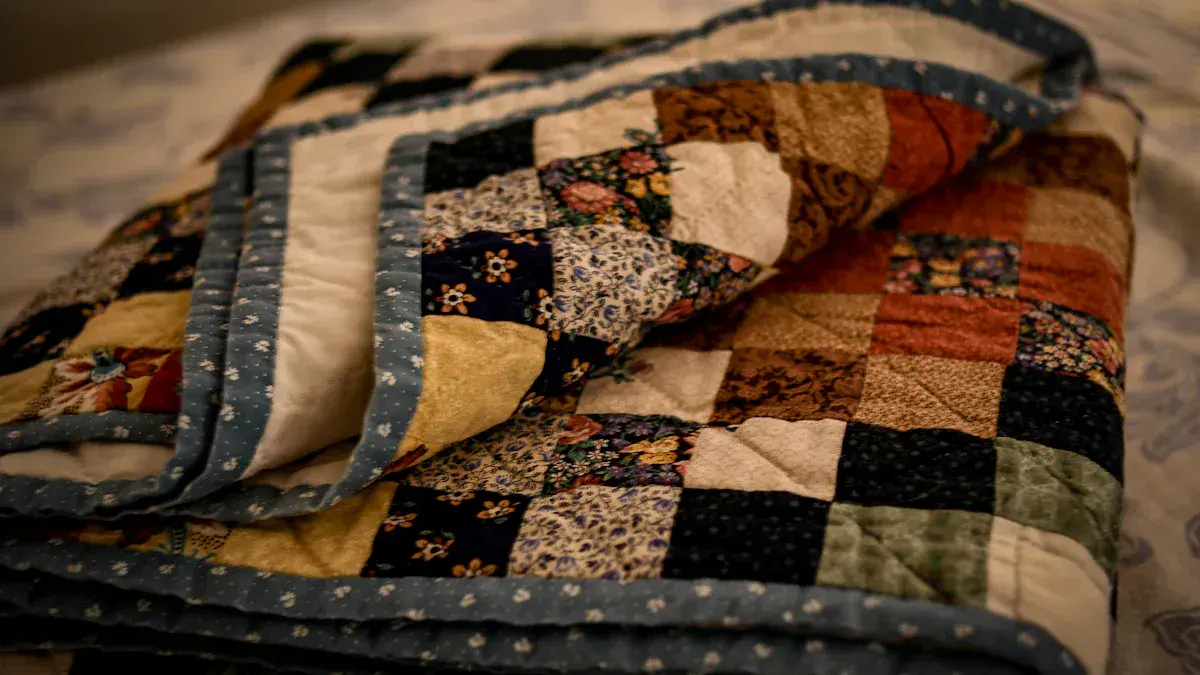
You will notice that a quilt feels thicker and warmer than a coverlet. Quilts have a unique structure that sets them apart from other bedding. Textile historians describe a quilt as having three main layers. Each layer serves a special purpose and adds to the comfort and look of the quilt.
Here is a simple table to help you understand the structure:
Structural Element | Description |
|---|---|
Quilt Top | The uppermost layer of fabric that is often decorative. |
Batting | The insulating layer that provides warmth and thickness. |
Backing | The bottom layer that holds the quilt together and can also be decorative. |
Most quilts use a quilt top made from small pieces of fabric sewn together in patterns. The batting, which sits in the middle, gives the quilt its warmth. You might find batting made from cotton, polyester, wool, or blends. The backing covers the bottom and keeps everything in place. This three-layer design makes quilts cozy and durable.
Here is another way to look at the layers and their materials:
Layer | Description |
|---|---|
Quilt top | The decorative top layer, often pieced together from smaller pieces of fabric. |
Batting | A layer of insulation (often cotton, polyester, wool, or a blend) that provides warmth and loft. |
Backing | The bottom layer of the quilt, which encases the batting and provides a finished back. |
Typical Uses
You can use a quilt in many ways around your home. Most people think of quilts as bed covers, but they do much more. You might use a quilt on your bed for warmth during cold nights. Some families use quilts in cribs for babies. You can also fold a quilt at the foot of your bed for extra comfort.
The importance of the quilt in the American home has changed. While we still use quilts for beds and cribs, we also see them as table toppers or runners, and hung as wall art, a luxury our ancestors didn’t have.
You might notice the difference between coverlet and quilt when you want something that adds both warmth and a personal touch to your room. Many people display quilts as art because of their beautiful patterns and colors. You can also use a quilt as a picnic blanket or a cozy wrap on the couch. Quilts bring comfort, style, and history to any space.
Difference Between Coverlet and Quilt
Material and Construction
You can see the difference between coverlet and quilt when you look at how each one is made. Coverlets and quilts often use similar materials like cotton, flannel, and linen. However, the way they are put together is not the same. Coverlets usually feature traditional piecing or appliqué methods. These methods focus on comfort, durability, and style. Quilts, on the other hand, often use modern long-arm quilting machines. This process highlights craftsmanship and sometimes needs special tools.
Here is a table to help you compare:
Aspect | Coverlets | Quilts |
|---|---|---|
Key Materials | Cotton, flannel, linen | Cotton, flannel, linen |
Construction Methods | Traditional piecing, appliqué | Modern long-arm quilting |
Influences | Comfort, durability, aesthetic | Craftsmanship, tooling needs |
Market Trends | Sustainability, personalization | Consumer preferences, innovation |
You will notice that coverlets often feel smoother and lighter. Quilts have a thicker, padded feel because of their three-layer structure. This is a key difference between coverlet and quilt.
Warmth and Thickness
When you choose bedding, you want to know how warm it will keep you. Coverlets are thinner and lighter. They work best in warmer weather or as a decorative layer. Quilts have three layers: a top, batting in the middle, and a backing. This makes quilts thicker and warmer.
Tip: If you need extra warmth during cold nights, a quilt will help you stay cozy. If you sleep hot or live in a warm place, a coverlet will keep you comfortable without overheating.
The difference between coverlet and quilt becomes clear when you touch them. Quilts feel plush and padded. Coverlets feel flat and light.
Size and Appearance
You might wonder if coverlets and quilts fit your bed the same way. Bedding retailers show that sizes can vary a little. For example, a queen-size coverlet usually measures 96″ x 98″, while a queen-size quilt is about 92″ x 96″. King sizes also show small differences. Coverlets often drape longer on the sides, giving your bed a neat, tailored look. Quilts may be a bit shorter but add more bulk.
Here is a quick size comparison:
Type | Size (Queen) | Size (King) |
|---|---|---|
Coverlet | 96″ x 98″ | 104″ x 98″ |
Quilt | 92″ x 96″ | 107″ x 96″ |
Interior designers point out other style differences:
Quilts have three layers, making them thicker.
You can place both between the top sheet and duvet or on top of the duvet.
Quilts often show off decorative stitching, which adds texture and visual interest.
You will see the difference between coverlet and quilt in how they look and feel on your bed. Coverlets give a smooth, modern look. Quilts add a cozy, classic touch.
Care and Maintenance
You want your bedding to last and stay fresh. The care routine for coverlets and quilts is not exactly the same. Most manufacturers suggest washing quilt covers every one to two weeks. In humid places, you should wash them more often to prevent mold. Always follow the care label. Use mild detergent and avoid bleach to keep colors bright and fabric strong. Dry your bedding by air or use a tumble dryer on low heat.
For items that do not touch your skin, like thick quilts or decorative layers, you can clean them every three months. This keeps them looking good without wearing them out too fast.
Note: Always check the label before washing. Some quilts and coverlets need special care to keep their shape and color.
Understanding the difference between coverlet and quilt in care helps you keep your bedding clean and beautiful for years.
Choosing What’s Best for Your Bed
Climate and Warmth Needs
You should think about your local climate before choosing bedding. Sleep experts say that lightweight quilts work well for summer or if you sleep hot. Medium-weight quilts fit most seasons and give you comfort all year. Heavy quilts help you stay warm during cold winter months. Coverlets suit warmer climates because they feel light and breathable. If you live where seasons change a lot, you can use both. Rotate a coverlet in summer and switch to a quilt in winter.
Lightweight quilts keep you cool in summer.
Medium-weight quilts work for spring and fall.
Heavy quilts add warmth in winter.
Coverlets stay comfortable in warm weather.
Owning both lets you adjust for each season.
Tip: If you often feel too warm at night, pick a coverlet or a lightweight quilt. If you get cold easily, choose a heavier quilt.
Style and Decor
Your bedding can change the look of your room. Recent design trends show that reversible quilts give you two styles in one. Handcrafted quilts with detailed stitching add a personal touch. Coverlets come in neutral colors for a calm look or bright colors for a bold statement. Cozy shams match comforter sets and make your bed look complete.
Reversible quilts offer flexible style.
Handcrafted quilts show off patterns and stitching.
Coverlets in neutral or bright colors match any decor.
Shams add comfort and style.
Note: Pick colors and patterns that match your room and show your personality.
Practical Tips
Bedding experts suggest you choose a coverlet if you want a lightweight, decorative layer for warmer months. Pick a quilt if you need extra warmth in cooler weather. Breathable fabrics like linen or cotton help hot sleepers stay comfortable. Medium to heavy quilts with cotton or polyester batting suit people who feel cold. You can layer bedding to get the right mix of warmth and style.
Use a coverlet for a light, stylish layer.
Choose a quilt for warmth.
Select linen or cotton for breathability.
Pick heavier quilts for cold nights.
Layer bedding for comfort and design.
Tip: Always check the care label to keep your bedding fresh and long-lasting.
Styling Tips
Layering Ideas
You can create a beautiful and comfortable bed by using smart layering techniques. Professional stylists recommend a step-by-step approach for the best results:
Place a plush mattress on your bed.
Cover the mattress with a fitted sheet.
Add a top sheet for extra softness.
Tuck a duvet around the mattress for a neat look.
Top the bed with a fluffy duvet for warmth.
Layer a textured quilt or coverlet over the duvet.
Arrange two Euro shams at the back of the bed.
Place two sleeping pillows in front of the shams.
Finish the look with a lumbar pillow in the center.
When you layer your bedding, choose a quilt or coverlet that is long enough to drape over both sides of your mattress. You can mix colors and patterns to make your bed stand out. Try gathering the quilt in the center of the bed to add fullness and a cozy feel.
Tip: Use different textures and colors to create a bed that looks inviting and stylish.
Seasonal Use
You can change your bedding with the seasons to stay comfortable all year. Coverlets work well in warm weather because they feel light and do not trap heat. Quilts have three layers, so they keep you warm during cold months.
Coverlets give you a stylish layer in spring and summer without making you too hot.
Quilts provide extra insulation in fall and winter, helping you sleep better when it is chilly.
Switching between a coverlet and a quilt lets you adjust your bed for the perfect temperature. This simple change keeps your bedroom looking fresh and helps you sleep well every night.
You can see that coverlets and quilts have different features. Coverlets feel light and work well for layering or warm weather. Quilts give you more warmth and a classic look. The table below shows key differences:
Feature | Quilt | Coverlet |
|---|---|---|
Weight | Thicker and heavier | Lightweight and thin |
Warmth | Good for cold weather | Best for mild weather |
Style | Traditional | Modern |
Think about your climate, your style, and how much warmth you need. People in North America often choose premium bedding for sleep health, while Europe prefers natural fibers. Choose what helps you sleep well and matches your room.
FAQ
What is the main difference between a coverlet and a quilt?
A coverlet feels lighter and works best as a decorative layer. A quilt has three layers and gives you more warmth. You can use a coverlet for style and a quilt for comfort.
Can you use a coverlet and a quilt together?
Yes, you can layer a coverlet over a quilt for extra style and warmth. This method lets you adjust your bedding for different seasons or looks.
How do you clean a coverlet or quilt?
Always check the care label first. Most coverlets and quilts need gentle washing with mild detergent. Air dry or use a low-heat dryer to keep them in good shape.
Which is better for hot sleepers?
You should choose a coverlet if you sleep hot. Coverlets use lightweight, breathable fabrics that help you stay cool at night. Quilts feel warmer and suit cold sleepers better.
See Also
Choosing Between Microfiber And Polyester Sheets For Comfort
 English
 Arabic
 Spanish
 French
 Italian
 Portuguese
 Vietnamese
