

You might ask what makes microfiber and polyester microfiber different in bedding. Microfiber uses very tiny fibers that feel soft and smooth. Polyester microfiber feels more fake and does not let air pass as well. This choice is important because it affects comfort, warmth, and how the bedding feels. These things can change how well you sleep. Here is a quick way to see how these materials are different:
Property | Microfiber | Polyester |
|---|---|---|
Softness | Known for being soft and comfy | Usually not as soft |
Breathability | Lets air pass, good for hot places | Does not let air pass, feels hot |
Comfort | Feels smooth like silk | Feels more fake, less comfy |
Perfectextile.com has both types, so you can find the best bedding for you.
Key Takeaways
Microfiber sheets feel softer and smoother than polyester sheets. They are good for comfort and feel fancy. Polyester microfiber costs less and lasts longer. But it is not as soft as microfiber. Both kinds of sheets are simple to take care of. Microfiber dries faster and does not wrinkle as much as polyester. Microfiber sheets help people with allergies. They keep out dust and allergens well. Think about your budget and comfort before you pick microfiber or polyester microfiber bedding.
Microfiber in Bedding
What Is Microfiber?
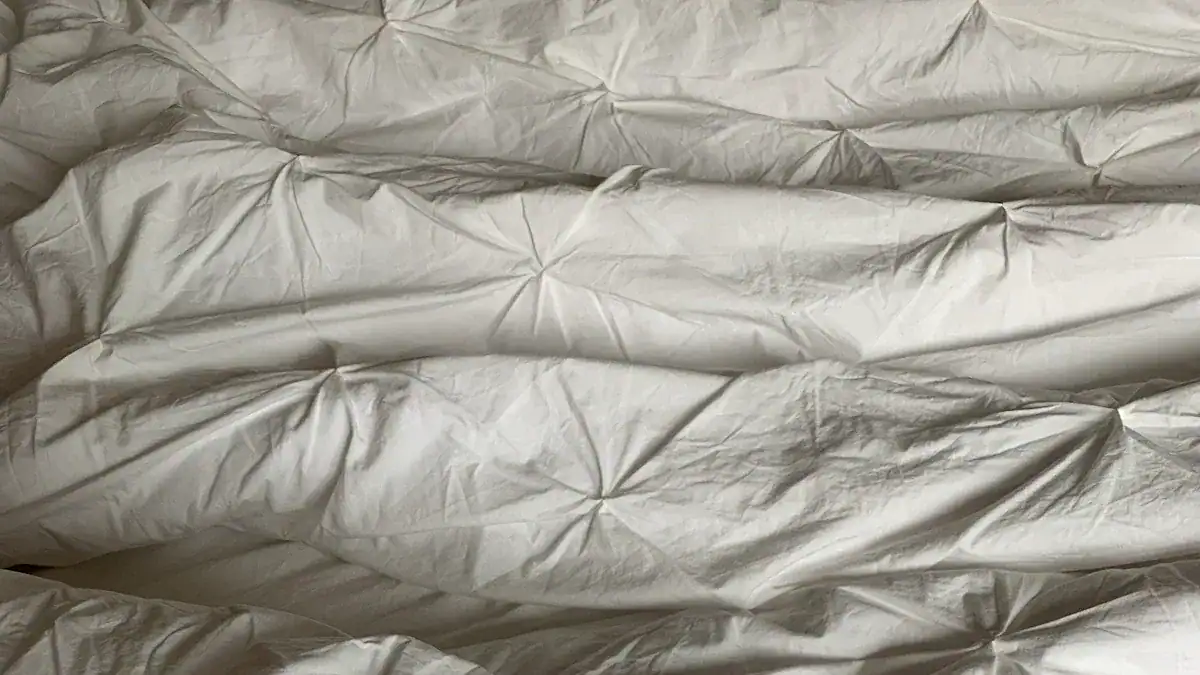
Microfiber is a man-made fiber. It is much thinner than silk. Most microfiber comes from polyester and nylon. Makers split the fibers into tiny threads. This makes the fabric dense and soft. Microfiber is much thinner than human hair. The thin threads make it smooth and light. Microfiber has a tighter weave than regular polyester. This helps it last longer and keep heat in. Polyester and nylon together make it soft and smooth on your skin.
Microfiber Sheets Features
Microfiber sheets have many good points. They are different from cotton or linen sheets. Here is a table to help you compare:
Feature | Microfiber Sheets | Cotton/Linen Sheets |
|---|---|---|
Material | Synthetic (polyester, nylon) | Natural (cotton, linen) |
Weight | Lightweight | Heavier |
Wrinkle Resistance | High | Moderate to Low |
Maintenance | Low (no fabric softeners needed) | Moderate (requires care) |
Breathability | Fairly breathable | Highly breathable |
Moisture Wicking | Excellent (repels water) | Moderate (depends on weave) |
Temperature Regulation | Maintains consistent body temperature | Varies (depends on fabric type) |
Allergy Resistance | Good (fights off dust) | Varies (depends on treatment) |
Softness | Soft and smooth | Soft (varies by thread count) |
Durability | High (especially with flat weave) | Moderate to High (depends on quality) |
Microfiber sheets are light and simple to clean. They do not wrinkle or shrink much. You do not need fabric softener for them. Microfiber sheets pull away sweat and keep you dry. The tight weave keeps out dust. This helps people with allergies. Microfiber uses GSM to show quality. Sheets under 90 GSM are thin and can rip. Sheets from 90 to 120 GSM last longer. Sheets over 120 GSM are strong and feel extra soft.
Tip: Microfiber sheets are great if you want soft bedding that dries fast and stays smooth.
Polyester Microfiber Explained
Composition
Polyester microfiber is made from very thin polyester threads. These threads are split into tiny pieces. Each piece is much thinner than a human hair. This makes the fabric feel soft and smooth. Polyester is not a natural material. It does not soak up much water. Polyester microfiber has a tighter weave than regular polyester. The tight weave keeps out dust and allergens. The fabric feels light and gentle on your skin. Many bedding items use polyester microfiber. It keeps its shape and color for a long time.
Feature | Polyester Microfiber | Regular Polyester |
|---|---|---|
Fiber Thickness | Very fine | Thicker |
Softness | Soft and smooth | Less soft |
Water Absorbency | Low | Low |
Color Retention | Excellent | Good |
Allergen Protection | High | Moderate |
Note: Polyester microfiber is a smart pick if you want bedding that feels soft and looks new for a long time.
Use in Bedding
Polyester microfiber is used in many bedding products. You can find it in sheets, pillowcases, comforters, and duvet covers. There are many good things about using microfiber bedding:
You can wash the fabric in a machine. It is easy to clean at home.
Polyester microfiber dries fast. You do not have to wait long after washing.
The material does not wrinkle much. Your bedding stays neat with little work.
The colors stay bright even after many washes.
Polyester microfiber does not shrink or stretch. Your bedding keeps its shape.
The fabric feels soft and smooth. It is good for people with sensitive skin.
Microfiber keeps out dust mites. You can sleep cooler at night.
Polyester microfiber sheets are comfy and easy to care for. You get bedding that lasts a long time and feels nice every night.
Difference Between Microfiber and Polyester
Fiber Fineness
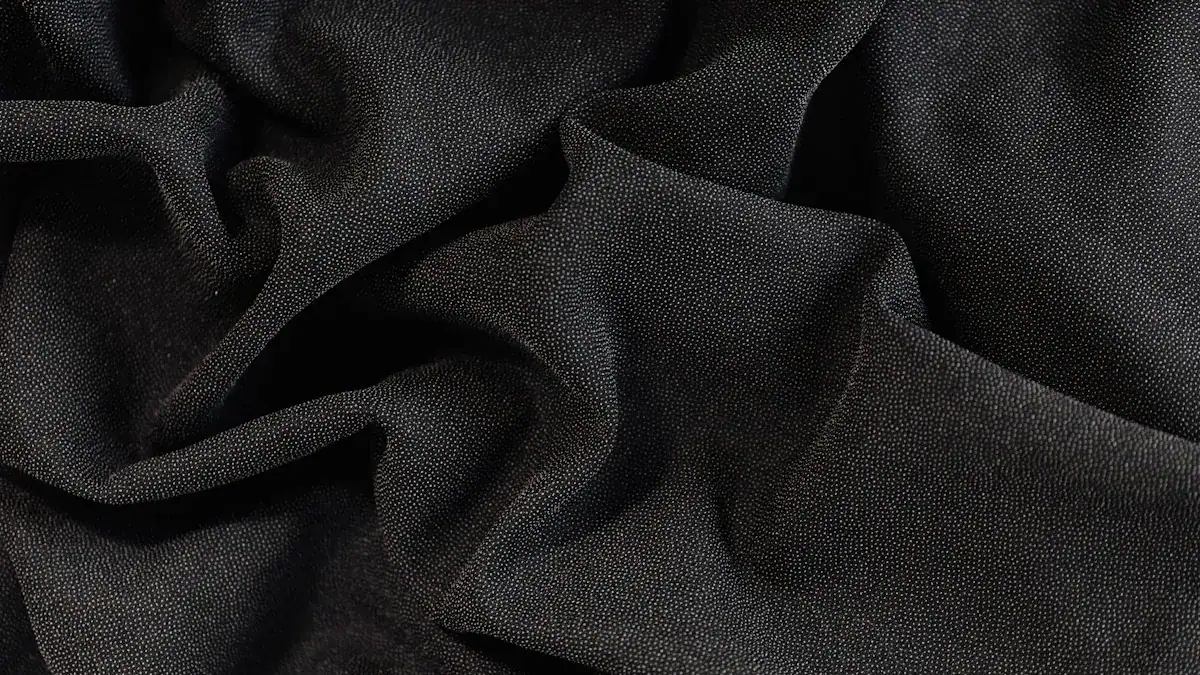
You can tell microfiber and polyester apart by fiber thickness. Microfiber uses very thin threads. These threads are thinner than silk. Polyester fibers are usually thicker in bedding. Fine polyester fibers are about three denier. Standard polyester fibers can be up to seven denier. Thinner fibers make sheets feel softer and lighter.
Here is a table that shows fiber thickness for bedding:
Fiber Type | Denier Value | Characteristics |
|---|---|---|
Ultra-fine Microfiber | 0.9D | Very soft, feels like down, keeps warmth well, light |
Fine Polyester Fiber | 3D | Soft, comfy, keeps heat, light, balanced features |
Standard Polyester | 7D | Thick, firm, keeps you warm, heavy, strong, low cost |
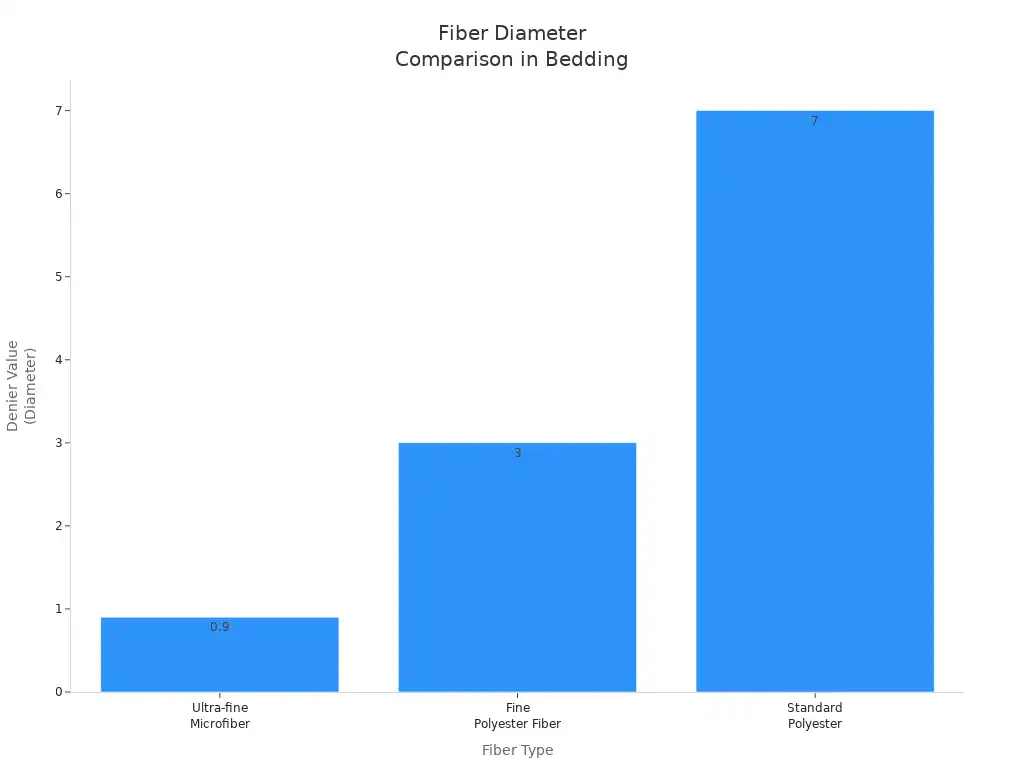
Microfiber sheets feel softer and lighter. Polyester sheets feel heavier and firmer. This difference changes how your bedding feels on your skin. Ultra-fine microfiber keeps warmth in and feels gentle. Standard polyester is stronger but not as soft.
Tip: If you want sheets that feel like silk and keep you warm, pick ultra-fine microfiber. If you want strong sheets, fine or standard polyester is a good choice.
Weave and Texture
The weave and texture of sheets affect comfort. Microfiber uses thin fibers and a loose weave. This makes sheets softer and lets air move through. You feel cooler at night. Polyester uses thick fibers and a tight weave. This makes sheets stiffer and less airy.
Microfiber bedding feels soft and lets air pass easily.
Microfiber uses thin fibers woven loosely, so it is comfy and airy.
Polyester bedding has thick fibers, so it feels stiff and less cozy.
Polyester sheets can trap heat and make you feel warmer.
Microfiber sheets can feel slick or slippery. Some people like this smooth feel. Others like the cozy feel of natural fibers. Polyester sheets often feel firm and less bendy. Both types do not wrinkle much and keep their shape after washing.
Note: Microfiber and polyester are both made from synthetic materials. They do not break down quickly. Making and throwing away these sheets can harm the environment. Both add to plastic waste and take a long time to go away.
Some people say microfiber sheets trap heat and make them sweat. Others think the slick feel is not as cozy as cotton. Sheets can pill over time, which makes them less soft. Polyester sheets may bother people with sensitive skin.
When you compare microfiber and polyester, you see microfiber is softer and lets air move better. Polyester is stronger and costs less. Think about what matters most for your bedding.
Comfort and Breathability
Microfiber Sheets Feel
Microfiber sheets feel very soft when you touch them. The fibers are smooth and almost feel like silk. Many people enjoy this soft feeling in their bedding. Microfiber is softer than polyester sheets. Polyester sheets feel rougher and not as silky. This difference can change how you sleep.
Here is a table that shows softness for each sheet:
Type of Sheet | Softness Description |
|---|---|
Microfiber | Very soft, smooth, and almost silky feel. |
Polyester | Slightly rougher texture, lacks the silky smoothness. |
You might like microfiber if you want gentle bedding. Polyester sheets are sturdy but not as soft. How your bedding feels matters for comfort. Microfiber sheets help you relax and fall asleep faster.
Microfiber blocks allergens well. The tight weave keeps out dust and pollen. Your bed stays cleaner. Polyester helps with allergies but may need extra care for dust mites. Here is a table about allergen resistance:
Material | Allergen Resistance |
|---|---|
Microfiber | Enhanced resistance due to tight weave and hypoallergenic properties |
Polyester | Basic hypoallergenic features, may need additional treatments for dust mite protection |
Tip: Microfiber sheets are good for people with allergies. They keep dust away and help you sleep better.
Airflow and Warmth
Airflow changes how warm or cool you feel at night. Microfiber sheets use fine fibers and a tight weave. The tight weave traps heat and makes the sheets warmer. Microfiber does not let air pass as easily as cotton. You stay warmer, which is nice in cold weather. In hot weather, you might get too warm.
Polyester sheets also trap heat. The fibers are thick and the weave is tight. Less air gets through, so the bedding feels warmer. If you sweat at night, both types may feel sticky. They do not soak up moisture well. You might wake up damp if your room is hot.
Here is a table that compares breathability and moisture-wicking:
Feature | Cotton Sheets | Microfiber Sheets |
|---|---|---|
Breathability | Highly breathable, ideal for hot sleepers. | |
Moisture-Wicking | Excellent at wicking away moisture, keeping you cool and dry. | Less moisture-wicking, may feel sticky in hot climates. |
Microfiber sheets do not let air pass well and can trap heat.
They do not soak up moisture much, so you may feel sticky.
Lab tests show how well bedding lets air and moisture through. You can check these test names when you shop:
Testing Method | Purpose |
|---|---|
ASTM D737 Air Permeability | Measures air flow rate through fabric under specified pressure conditions, providing quantitative breathability assessment. |
ASTM E96 Water Vapor Transmission | Evaluates moisture vapor transmission rates under controlled temperature and humidity conditions. |
ISO 11092 Thermal and Water-Vapor Resistance | Comprehensive testing method that measures both thermal insulation and moisture transmission properties. |
JIS L1096 Air Permeability Test | Japanese industrial standard for air permeability measurement, commonly used in Asian manufacturing. |
If you want bedding that keeps you cool, pick cotton sheets. Microfiber and polyester sheets keep you warmer. Choose microfiber for a soft feel and warmth. Polyester is good if you want strong sheets that last.
Note: Microfiber and polyester bedding are comfy and warm. Think about airflow and moisture before you buy.
Durability and Care
Longevity
You want your bedding to last a long time. How long it lasts depends on how you use and care for it. Microfiber sheets feel soft and light. They usually do not last as long as polyester sheets. Polyester bedding is strong and keeps its shape for many years. Look at the table below to see how long each type lasts:
Sheet Type | Average Lifespan |
|---|---|
Polyester | |
Microfiber | 2-3 years |
Polyester bedding is more durable because the fibers do not stretch or shrink much. Microfiber feels nice, but the thin fibers can wear out faster. If you want bedding that lasts longer, pick polyester. Microfiber is good if you like soft sheets and do not mind replacing them every few years.
Tip: Change and rotate your bedding every two weeks. This helps both microfiber and polyester last longer.
Maintenance Tips
You can keep your bedding fresh with the right care. Microfiber and polyester need gentle cleaning and careful handling. Try these tips to help your bedding last:
Clean small stains right away with spot cleaning.
Store bedding in a cotton bag when you are not using it.
Flip and turn your comforter every two weeks.
Get a professional cleaning once a year for deep care.
Always read the care label before washing.
Treat stains with a gentle remover for delicate fabrics.
Do not overload the washer so bedding can move around.
Use a mild liquid detergent for delicate fabrics.
Pick a gentle wash cycle with warm water, not hot.
Dry on low heat and add dryer balls to stop clumping.
Pause drying every 20-30 minutes to shake and fluff the filling.
Take bedding out when it is still a little damp to protect the fibers.
Air dry on a rack or clothesline in a place with good airflow.
Wash microfiber sheets alone to stop lint from sticking.
Use cold water and skip high heat in the dryer.
These steps help keep your bedding soft and protect the fibers. Both polyester and microfiber do well with gentle care. You can avoid damage and keep your sheets looking nice. Good care makes your bedding last longer and feel better.
Cost and Value
Price Comparison
Price matters when you buy new sheets. Microfiber bedding costs more than polyester microfiber bedding. Look at the table below to see the price difference:
Bedding Type | Price Range |
|---|---|
Microfiber Bedding | |
Polyester Microfiber Bedding | $5.36 – $41.96 |
Microfiber bedding feels soft and plush. You pay more for this comfort. Polyester microfiber bedding is cheaper. If you want to save money, pick polyester sheets. These sheets still have many good features but cost less.
Value for Bedding Buyers
You want bedding that lasts, feels nice, and is easy to clean. Microfiber and polyester sheets both give you value in different ways. Microfiber uses finer and tightly woven polyester fibers. This makes the sheets softer and keeps you warm without being heavy. Microfiber also keeps out dust mites and allergens. This is good if you have allergies.
Here is a table that shows the main benefits of each type:
Feature | Microfiber Benefits | Polyester Benefits |
|---|---|---|
Softness | Instant comfort and plush feel | Less soft feel |
Durability | Lasts longer and stays strong | Decent lifespan but may need replacing sooner |
Maintenance Ease | Easy to clean, resists stains and wrinkles | Needs extra care for stains |
Temperature Regulation | Traps warmth without feeling heavy | Moderate warmth, lets air pass better |
Hypoallergenic Properties | Keeps out dust mites, great for allergies | Basic allergy help, may need treatments |
Cost-effectiveness | Good price for luxury feel | Costs less but may need replacing sooner |
Microfiber sheets resist stains and wrinkles. They dry quickly and are simple to wash. You spend less time doing laundry. Polyester sheets cost less at first. You may need to buy new ones sooner to keep your bedding soft and fresh.
Tip: Microfiber sheets are great if you want soft, long-lasting, and easy-care bedding. Polyester sheets are good if you want to save money and still get nice bedding for your home.
Perfectextile.com Bedding Solutions
Product Range
At perfectextile.com, you will see many microfiber and polyester microfiber products. There are lots of choices, so you can pick what you like best. Some of the products you can find are:
White Microfiber Polyester Fabric for Sale in Bulk
Dyed Microfiber Polyester Fabric for Bedding
Waterproof Microfiber Polyester Bedding Fabric
Embossed Microfiber Polyester Bedding Fabric
Printed Microfiber Polyester Bedding Fabric
Microfiber Polyester Fabric at Low Price
These options help you get the fabric you need for your house, hotel, or business. You can choose from many colors, patterns, and finishes. The company also sells finished bedding, like sheet sets and comforter sets.
Quality and Sustainability
You want bedding that is safe and good for the earth. Perfectextile.com has important certifications to show it cares about quality and the planet.
Certification | What It Means |
|---|---|
No harmful chemicals | |
GRS | Uses recycled fibers |
OEKO-TEX 100 means the bedding is free from bad chemicals.
GRS means the bedding uses recycled materials and safe ways to make it.
Perfectextile.com works to help the environment. The company uses organic, recycled, and earth-friendly materials. It tries to make less waste and lower pollution. New technology helps save energy. These actions help keep the planet healthy.
You can trust perfectextile.com to give you safe, high-quality, and green fabrics. The company listens to what customers want and always tries to get better.
Pros and Cons Summary
Microfiber Pros and Cons
Microfiber bedding has many good points. The sheets feel soft and light. You stay cozy at night, especially in cold weather. The fabric does not wrinkle or shrink much. Microfiber dries fast and is simple to clean. There are lots of colors and designs that last a long time. The material helps keep your body temperature steady. It keeps dust mites away. Microfiber is hypoallergenic and fights off bacteria.
But there are some downsides. Microfiber is made from man-made materials, so it is not good for the earth. The fabric can trap heat, so you might get hot in summer. Microfiber picks up lint and hair, so you need to clean it often. Some people with sensitive skin may feel itchy. Do not dry microfiber on heaters or in direct sunlight.
Microfiber Pros:
Soft and lightweight
Moisture-wicking
Wrinkle and shrink resistant
Easy to clean and quick drying
Durable and cozy in winter
Hypoallergenic and resists bacteria
Attractive colors and designs
Regulates body temperature
Microfiber Cons:
Not environmentally friendly
Can trap heat in summer
Attracts lint and hair
May irritate sensitive skin
Needs regular washing
Polyester Microfiber Pros and Cons
Polyester microfiber bedding feels soft like peach skin. You get a nice soft feel for less money than natural fibers. The material dries fast and keeps its color well. Polyester sheets are easy to care for and do not stain easily. They are hypoallergenic, which helps if you have allergies.
There are some cons too. Polyester microfiber does not let air pass as well as cotton. The fabric does not soak up water much, so you might not stay as dry. Polyester is man-made, so it affects the environment. Some polyester sheets may not last as long as sheets made from natural fibers.
Pros | Cons |
|---|---|
Reduced breathability compared to cotton | |
More affordable than natural fibers | Less absorbent than natural fibers |
Easy care and maintenance | May not be as durable as natural fibers |
Hypoallergenic | Environmental impact due to synthetic nature |
Stain resistant |
Tip: Polyester microfiber sheets are a good pick if you want soft bedding that dries fast and costs less. If you want sheets that let air pass better, you should look at other choices.
Choosing the Right Bedding
Comfort vs. Durability
You want bedding that feels nice and lasts long. Microfiber feels soft and fancy. When you touch it, it feels smooth. Polyester feels okay and costs less. Many people pick polyester because it lasts well. Microfiber is known for being very strong. You can wash it gently, and it does not stain easily. Polyester also lasts, but sometimes needs extra care to stay fresh.
Here is a table to help you compare comfort and durability:
Feature | Microfiber | Polyester |
|---|---|---|
Comfort | Soft, luxurious feel | Decent, budget-friendly feel |
Durability | Superior durability | Good longevity |
Maintenance | Gentle washing, stain-resistant | Regular washing, may need treatments |
Temperature Control | Traps warmth, can run warm in summer | Moderate warmth, better breathability |
Allergen Resistance | Natural dust mite resistance | Basic hypoallergenic properties |
Cost | Excellent initial value |
Tip: Pick microfiber if you want bedding that feels extra soft and lasts through many washes. If you want to save money and still get good bedding, polyester is a smart choice.
Budget and Care Needs
Think about how much you want to spend and how much work you want to do. Microfiber costs more at first, but it is comfy and lasts long. Polyester is cheaper, so you save money. You might need to buy new polyester bedding sooner to keep it nice.
Microfiber needs gentle washing. You do not have to worry much about stains. Polyester needs regular washing and sometimes extra care. Both types do not wrinkle much, so your bed looks tidy.
Ask yourself these questions before you choose:
Do you want bedding that feels soft every night?
Are you looking for sheets that last for years?
Is saving money your main goal?
Do you want easy care and quick drying?
Perfectextile.com has many microfiber and polyester bedding choices. You can find what fits your comfort, durability, and budget. The company sells high-quality bedding with safety and earth-friendly certifications.
You now understand how microfiber and polyester are different in bedding. Microfiber is soft and keeps you warm. Polyester lets air move and saves you money. Experts say you should pick what fits your needs best:
Material | Benefits | Drawbacks |
|---|---|---|
Microfiber | Soft, warm, allergen-resistant | Can trap heat |
Polyester | Breathable, cost-effective | Might not keep you warm |
Choose microfiber if you want a cozy bed. Pick polyester if you want strong sheets and to save money. Check out perfectextile.com for safe and top-quality bedding.
FAQ
What is the main difference between microfiber and polyester microfiber sheets?
Microfiber sheets are made with very tiny threads. Polyester microfiber sheets use thin threads made from polyester. Microfiber feels extra soft and smooth on your skin. Polyester microfiber feels stronger and usually costs less money.
Are microfiber sheets good for people with allergies?
Microfiber sheets help block dust and pollen. The tight weave keeps most allergens out. Many people with allergies sleep better with microfiber bedding.
How do you wash microfiber bedding?
Wash microfiber bedding in cold or warm water. Use a gentle wash cycle and mild soap. Dry the sheets on low heat. Do not use fabric softener. Microfiber dries quickly and stays soft after washing.
Do polyester microfiber sheets feel hot at night?
Polyester microfiber sheets can hold in heat. You might feel warm while sleeping. If you sweat a lot, you may want sheets that let air move better.
Can you find eco-friendly bedding at perfecttextile.com?
At perfecttextile.com, you can buy bedding with OEKO-TEX 100 and GRS labels. These products use safe and recycled materials. Choosing certified bedding helps protect the planet.
See Also
Choosing Between Microfiber And Polyester Sheets For Comfort
 English
 Arabic
 Spanish
 French
 Italian
 Portuguese
 Vietnamese
