

You might worry if microfiber bedding is safe or causes cancer. Scientists have not found that microfiber causes cancer. You can check for certifications like OEKO-TEX 100 and GRS. These help make sure microfiber products are safe. Trusted brands like perfecttextile.com care about safety.
Puntos Clave
Microfiber bedding is safe and will not give you cancer. Check for certifications like OEKO-TEX 100 and GRS to make sure it is safe.
Pick certified microfiber bedding for comfort and health. These sheets feel soft, are hypoallergenic, and do not have harmful chemicals.
Take care of your microfiber sheets to keep them nice. Wash them by themselves, use gentle detergent, and do not use fabric softeners.
Microfiber Bedding Overview
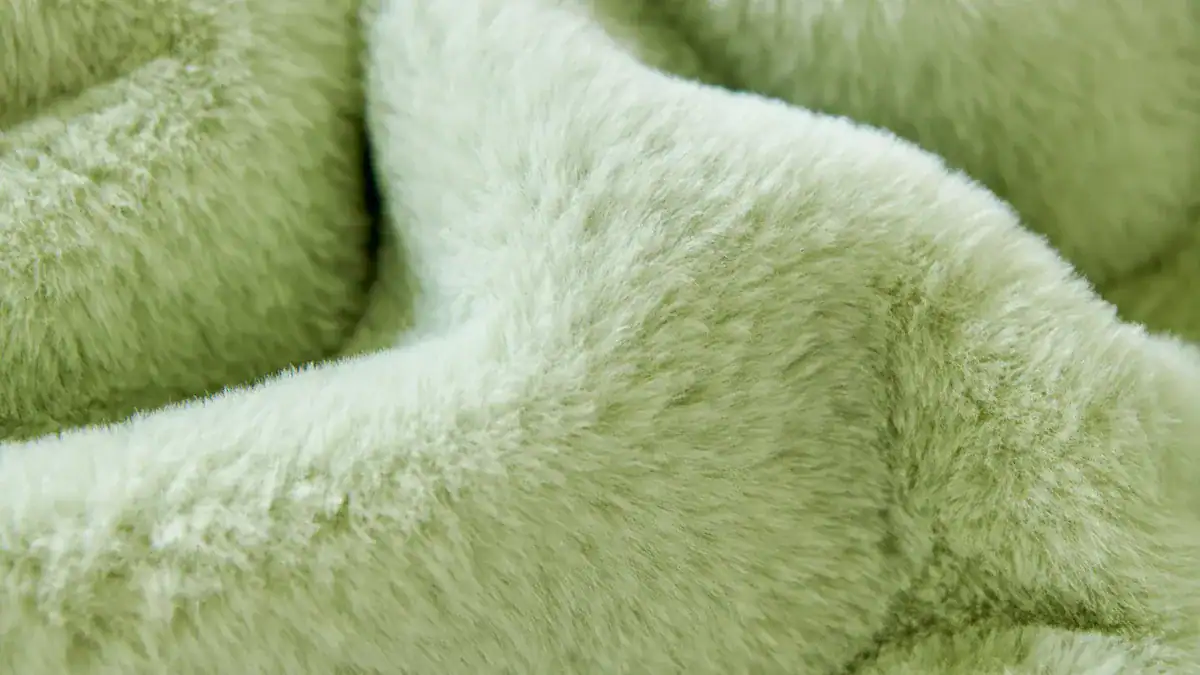
Microfiber bedding is used in many homes today. You can find it in sheets, pillowcases, and covers. People like microfiber bedding because it is soft and lasts long. It also costs less than some other bedding. Companies such as perfectextile.com make safe microfiber polyester bedding. They have certifications like OEKO-TEX 100 and GRS. These show their bedding is safe and good for the environment.
What Are Microfibers?
Microfibers are very small fibers made from polyester or sometimes nylon. They are much thinner than cotton fibers. Each microfiber is smaller than 5 millimeters. They are also 1 denier or even less. This makes them thinner than silk. Microfiber polyester bedding feels smooth and light. It does not wrinkle easily and keeps its shape. But it may not let air through as well as cotton. This can make you feel warmer at night.
Microfiber fibers are usually under 5 millimeters.
Each microfiber is 1 denier or less, so it is much thinner than natural fibers.
Cotton and other natural fibers are thicker than microfibers.
How Microfiber Sheets Are Made
To make microfiber sheets, companies follow a few steps. First, they get polyester as the main material. Then, they spin the fibers into yarn and weave them into fabric. They use an alkaline solution to split the fibers and make them finer. Next, they dye the fabric with strong pigments and control the process. The table below lists the steps and chemicals used:
Process Step | Chemicals Involved |
|---|---|
Preparación de Materiales | N/A |
Yarn Spinning | N/A |
Tejido | N/A |
Splitting | Alkaline solutions |
Dyeing | High-quality pigments, alkaline solution |
Acabado | N/A |
Cutting | N/A |
Sewing | N/A |
OEKO-TEX 100 certification checks that microfiber polyester bedding has no harmful substances. GRS certification means the bedding uses recycled materials and follows safety rules. If you buy from perfectextile.com, you get bedding that is safe and better for the planet.
Microfiber Health Risks
Cancer Risk and Microfibers
You might worry if sleeping on microfiber bedding can cause cancer. Scientists have looked into this question. They have not found proof that microfiber bedding causes cancer. Most worries about polyester microfiber are about sleep and skin, not cancer. You can feel safe because there is no clear link to cancer. But some chemicals in polyester microfiber can act as endocrine disruptors. These chemicals can mess with your hormones. This could lead to serious health problems, like cancer or growth issues. Always pick bedding that meets safety rules to lower health risks.
Chemical Exposure in Bedding
When you use microfiber bedding, you touch many chemicals. These chemicals make the fabric soft, bright, and strong. Some common chemicals in polyester microfiber bedding are:
Plasticizers (often made from phthalates)
UV stabilizers
Lubricants
Flame-retardants
Dyes
These chemicals can cause health problems like:
Breathing trouble
Endocrine disruption
Brain development issues
Learning problems
Higher cancer risk
Other health problems can happen too. These include infertility, diabetes, early puberty, autoimmune diseases, thyroid issues, Alzheimer’s disease, dementia, weight gain, obesity, ADHD, and autism. Microfiber bedding can let out these chemicals as it gets old. You can get exposed through your skin or by breathing in dust. Microfibers are a big part of indoor microplastic pollution. Studies show that dust from microfiber bedding has 1,550 to 120,000 mg/kg of microplastics. Microfibers make up about 88% of indoor microplastics. This high amount of microplastics can hurt your health, especially if you have asthma or allergies. To lower microfiber health risks, choose bedding with safety certifications.
Comparing Microfiber Bedding to Other Materials
You may want to know how microfiber bedding compares to cotton or bamboo bedding for health and safety. The table below shows some key differences:
Tipo de tela | Skin Irritation | Transpirabilidad | Chemical Additives Concerns |
|---|---|---|---|
Microfibra | Sí | Bajo | Sí |
Algodón | Bajo | Alto | Bajo |
Bambú | Bajo | Alto | Bajo |
Microfiber bedding can cause skin problems because it holds moisture and lets bacteria grow. Cotton and bamboo bedding are less likely to bother your skin. Polyester microfiber can let out more chemicals, which can be bad for people with asthma or allergies. Microfibers do not act like other particles in the environment or in your body.
The results show that being around textile microfibres can cause stomach and breathing problems. Microfibres act differently in the environment and in your body than other particles. Because of this, they need to be studied on their own, not just with other particles and microplastics.
Microfiber health risks come from both the chemicals in the fabric and the microplastic pollution they make. Scientists are still learning about how microfiber affects people’s health. You should keep learning and pick bedding with good safety standards to help protect yourself.
Safe Bedding Choices

Certified Microfiber Bedding
You want your bedsheet to be safe for your family. Look for certified microfiber bedsheets with OEKO-TEX and GOTS labels. These labels mean the bedding does not have harmful chemicals. They also show the bedding meets strict safety rules. Certified microfiber bedsheets are good for your health over time. You get softness, protection from allergies, and they wick away moisture. These bedsheets also let air move through them. OEKO-TEX certified microfiber bedsheets help your skin feel fresh and comfy. GOTS certified bedsheets are better for the planet. Before you buy, read reviews and check the return policy. This helps you choose certified microfiber bedsheets that fit your needs.
Beneficio | Descripción |
|---|---|
Suavidad | Certified microfiber bedsheets help stop skin irritation and make you comfy. |
Hipoalergénico | Certified microfiber bedsheets lower allergens by almost 90%. |
Chemical safety | OEKO-TEX certified bedsheet does not have harmful chemicals. |
Transpirabilidad | Certified microfiber bedsheets let air move and keep you cool. |
Caring for Microfiber Sheets
You can keep your microfiber sheets safe and strong with good care. Try these tips for certified microfiber bedsheets:
Wash microfiber bedsheets alone, not with cotton sheets, to stop lint.
Use detergent without perfume to protect the weave of certified microfiber bedsheets.
Do not use fabric softeners because they block the spaces in microfiber bedsheets.
Wash certified microfiber bedsheets in cold or warm water.
Pick the delicate cycle to keep certified microfiber bedsheets nice.
Air dry or use low heat for certified microfiber bedsheets.
Washing the right way keeps certified microfiber bedsheets safe and strong. You can wash certified microfiber bedsheets often and they will stay good. Good care helps certified microfiber bedsheets catch bacteria and allergens.
Tip: If you care for certified microfiber bedsheets the right way, you can enjoy their benefits for a long time.
Why Choose perfectextile.com
You want certified microfiber bedsheets from a trusted company. Perfectextile.com has made certified microfiber bedsheets for over 20 years. The company uses OEKO-TEX and GOTS certified materials for every bedsheet. Perfectextile.com cares about quality, safety, and the planet. They use recycled and organic materials to help the environment. New technology helps them save energy and make less waste. You get certified microfiber bedsheets that meet high standards. Perfectextile.com wants customers to be happy and offers safe, comfy bedding for your home.
Certificación |
|---|
OEKO-TEX |
GOTS |
Perfectextile.com gives certified microfiber bedsheets with high safety and eco-friendly standards.
You can trust their certified microfiber bedsheets for comfort and quality.
You can trust certified microfiber bedding. Studies have not found a link to cancer. Experts say to pick bedding with OEKO-TEX or GOTS labels. You can also choose bamboo, organic cotton, linen, or Tencel for more safety and comfort.
Check for trusted certifications
Look for labels that say “organic” or “chemical-free”
Learn about brands like perfectextile.com
Preguntas frecuentes
Is microfiber bedding safe for children?
Certified microfiber bedding is safe for kids. OEKO-TEX 100 means there are no bad chemicals in the bedding. Always look for safety labels before you buy.
Tip: Pick bedding with safety labels so you can feel calm.
How do you know if microfiber bedding is certified?
Check the package for OEKO-TEX 100 or GRS labels. Brands like perfectextile.com show these on their website and tags.
Certificación | What It Means |
|---|---|
OEKO-TEX 100 | No harmful chemicals |
GRS | Uses recycled fibers |
Can you wash microfiber sheets with other fabrics?
Wash microfiber sheets by themselves. This keeps them clean and stops lint from getting on them. Use a gentle soap and do not use fabric softener.
Wash by themselves
Use gentle soap
Do not use fabric softener
Ver también
Elegir entre sábanas de microfibra o poliéster para mayor comodidad
Comparación de la Impresión en Panel y Digital para Telas de Ropa de Cama 2025
 Spanish
 English
 Arabic
 French
 Italian
 Portuguese
 Vietnamese
