
As someone who’s spent years analyzing Pakistan’s textile sector, I can tell you that the home textile industry is experiencing remarkable growth. With the market expected to reach USD 8.10 billion in 2024, it’s an exciting time to explore the key players shaping this dynamic sector. Whether you’re a textile merchant looking to expand your supplier network or simply interested in understanding the industry landscape, this comprehensive guide will walk you through the top performers in Pakistan’s home textile market.
The Current State of Pakistan’s Home Textile Industry
Before diving into our top 10 list, let’s set the context. Pakistan’s home textile sector is growing at an impressive CAGR of 4.12% (2024-2029), driven by increasing domestic demand and export opportunities. The industry encompasses a wide range of products, from bed linens to upholstery, and continues to adapt to changing market dynamics.
Top 10 Home Textile Companies in Pakistan
1. Gul Ahmed Textile Mills Limited
Specialization: Bed linens, bath textiles, kitchen textiles Founded: 1953
Gul Ahmed stands out for its comprehensive product range and innovative approach to textile manufacturing. Their state-of-the-art facilities produce everything from everyday bedsheets to luxury home furnishings. What impresses me most about Gul Ahmed is their commitment to sustainable practices while maintaining high-quality standards.
2. Nishat Mills Limited
Specialization: Home textiles, bedding, curtains Market Position: Leading exporter
Having visited their facilities, I can attest to Nishat Mills‘ impressive manufacturing capabilities. Their integration of modern technology with traditional craftsmanship sets them apart in the market. Their export-oriented approach has helped them establish a strong presence in international markets.

3. Alkaram Textile Mills
Specialization: Bed linens, home accessories Propuesta Única de Venta: Design innovation
Alkaram’s strength lies in their design capabilities. They’ve consistently stayed ahead of market trends, offering contemporary designs that appeal to both local and international markets.
4. Yunus Textile Mills
Specialization: Bed linens, terry towels Notable Achievement: Major supplier to international retail chains
What strikes me most about Yunus Textile Mills is their exceptional quality control systems. They’ve built strong relationships with major international retailers, particularly in Europe and North America. Their investment in automated manufacturing processes has significantly enhanced their production capacity while maintaining consistent quality.

5. Lucky Textile Mills
Specialization: Home textiles, denim Highlight: Vertically integrated operations
Lucky Textile Mills impresses with its comprehensive vertical integration. From yarn production to finished products, they control every aspect of the manufacturing process. I’ve observed how this integration allows them to maintain strict quality standards while keeping costs competitive. Their recent investments in sustainable technologies have positioned them as an industry leader in eco-friendly manufacturing.
6. Kohinoor Textile Mills
Specialization: Bed linens, institutional textiles Market Focus: Both domestic and international markets
Kohinoor has carved out a unique niche in institutional textiles while maintaining a strong presence in the consumer market. Their ability to handle large-scale orders for hotels and hospitals, while simultaneously serving retail customers, showcases their operational flexibility. Their recent modernization initiatives have significantly improved their production efficiency.

7. Sadaqat Limited
Specialization: Home textiles, garments Strength: Sustainable manufacturing practices
Sadaqat Limited stands out for their commitment to sustainability. Having toured their facilities, I can attest to their impressive green initiatives, including solar power integration and water recycling systems. Their focus on organic cotton products has helped them capture a growing market segment of environmentally conscious consumers.
8. Masood Textile Mills
Specialization: Home furnishings, apparel fabrics Innovation: Smart textile solutions
What fascinates me about Masood Textile Mills is their pioneering work in smart textiles. They’ve invested heavily in research and development, creating innovative products with enhanced functionality. Their experimentation with temperature-regulating fabrics and moisture-wicking technologies has set new standards in the industry.
9. Ibrahim Fibres Limited
Specialization: Polyester staple fiber, home textiles Unique Feature: Backward integration
Ibrahim Fibres Limited‘s strength lies in their backward integration, particularly in polyester staple fiber production. This self-sufficiency in raw materials gives them a significant competitive advantage in terms of cost and supply chain stability. Their consistent quality in fiber production has made them a preferred supplier for many domestic manufacturers.

10. Colony Textile Mills
Specialization: Home textiles, yarn Notable Aspect: Comprehensive quality control
Colony Textile Mills has built its reputation on stringent quality control measures. Their investment in modern testing laboratories and quality assurance systems ensures consistent product quality. What impresses me most is their commitment to employee training, which has resulted in improved productivity and reduced waste.
Acerca de Perfectextile
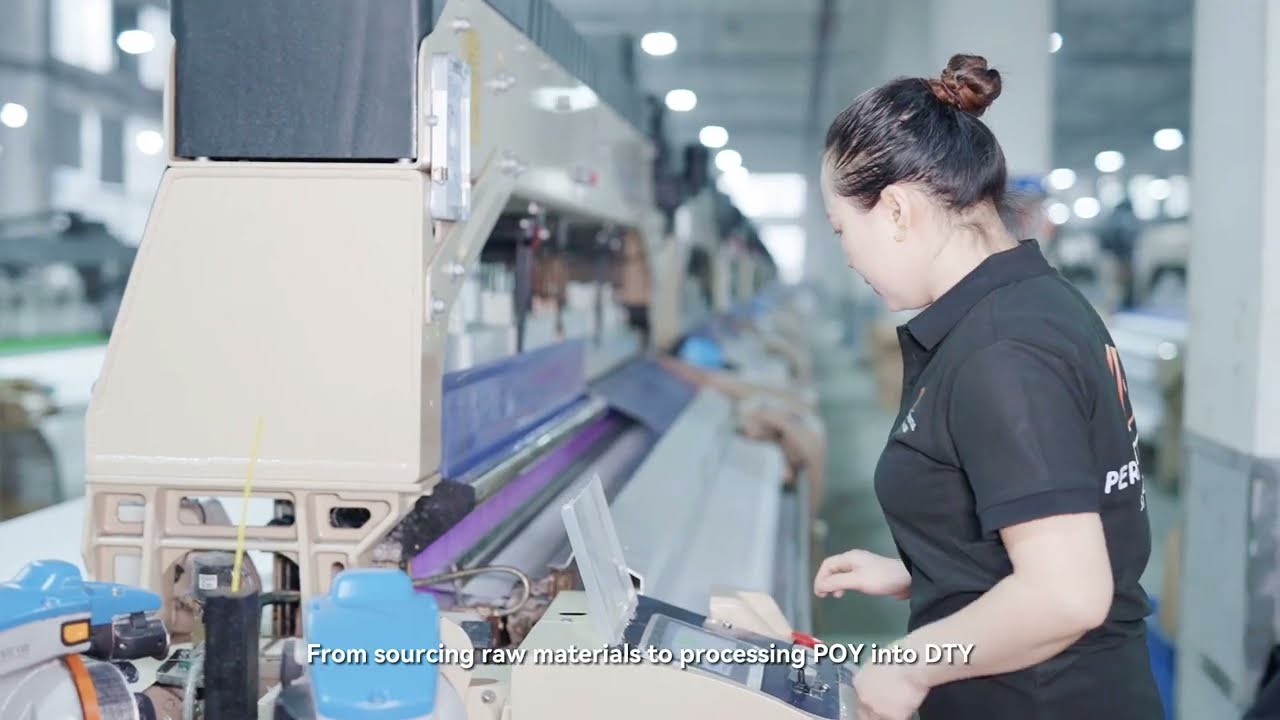
Perfectextile Co., Ltd. es una empresa bien establecida que fue fundada en abril de 2000. Ubicada en Changxing, la empresa goza de un transporte conveniente y un entorno hermoso. Con una impresionante área de 13,780 metros cuadrados, Perfect Textile cuenta con equipos avanzados de origen alemán. La empresa se especializa en la investigación y desarrollo, producción, ventas y servicio de 100 telas de microfibra de poliéster% y textiles para el hogar.
Perfectextile se enorgullece de su proceso integral que cubre todo, desde la tela hasta los productos textiles para el hogar finales. Al eliminar intermediarios, la empresa puede ofrecer precios competitivos sin comprometer la calidad. Comprometido con el beneficio mutuo y la satisfacción del cliente, Perfectextile pone gran énfasis en mantener una calidad de producto estable y ofrecer un servicio atento. Servicio al cliente.
Industry Challenges and Opportunities
Current Challenges
- Rising raw material costs
- International competition, especially from China and India
- Political instability affecting export reliability
- Energy supply inconsistencies
Growth Opportunities
- E-commerce expansion
- Sustainable textile demand
- Government support through BMR initiatives
- Growing domestic market
Market Trends and Future Outlook
The home textile industry is evolving rapidly, and I’ve noticed several key trends:
- Sustainability Focus: Companies are increasingly adopting eco-friendly practices
- Digital Integration: E-commerce platforms are becoming crucial distribution channels
- Product Innovation: Smart textiles and specialized finishes are gaining popularity
- Quality Standards: International certification requirements are becoming stricter
Distribution Channels
| Channel Type | Market Share | Growth Trend |
|---|---|---|
| Supermarkets | 35% | Moderado |
| Specialty Stores | 30% | Alto |
| Online Platforms | 25% | Muy Alto |
| Otros | 10% | Bajo |
Tips for Textile Merchants
Having worked with various textile merchants, I can share some valuable insights:
- Diversify Suppliers: Don’t rely on a single manufacturer
- Quality Check: Establish thorough quality control processes
- Stay Updated: Follow market trends and regulatory changes
- Build Relationships: Maintain strong connections with manufacturers
Conclusión
Pakistan’s home textile industry stands at a crucial juncture, with immense potential for growth despite various challenges. The top 10 companies listed here represent the best of what the industry offers, but they’re just the tip of the iceberg in a sector that’s continuously evolving.
Looking Ahead
As we move forward, I expect to see more innovation, sustainability initiatives, and digital transformation in the industry. For textile merchants, understanding these market leaders and their capabilities is crucial for making informed business decisions.
 Spanish
 English
 Arabic
 French
 Italian
 Portuguese
 Vietnamese