
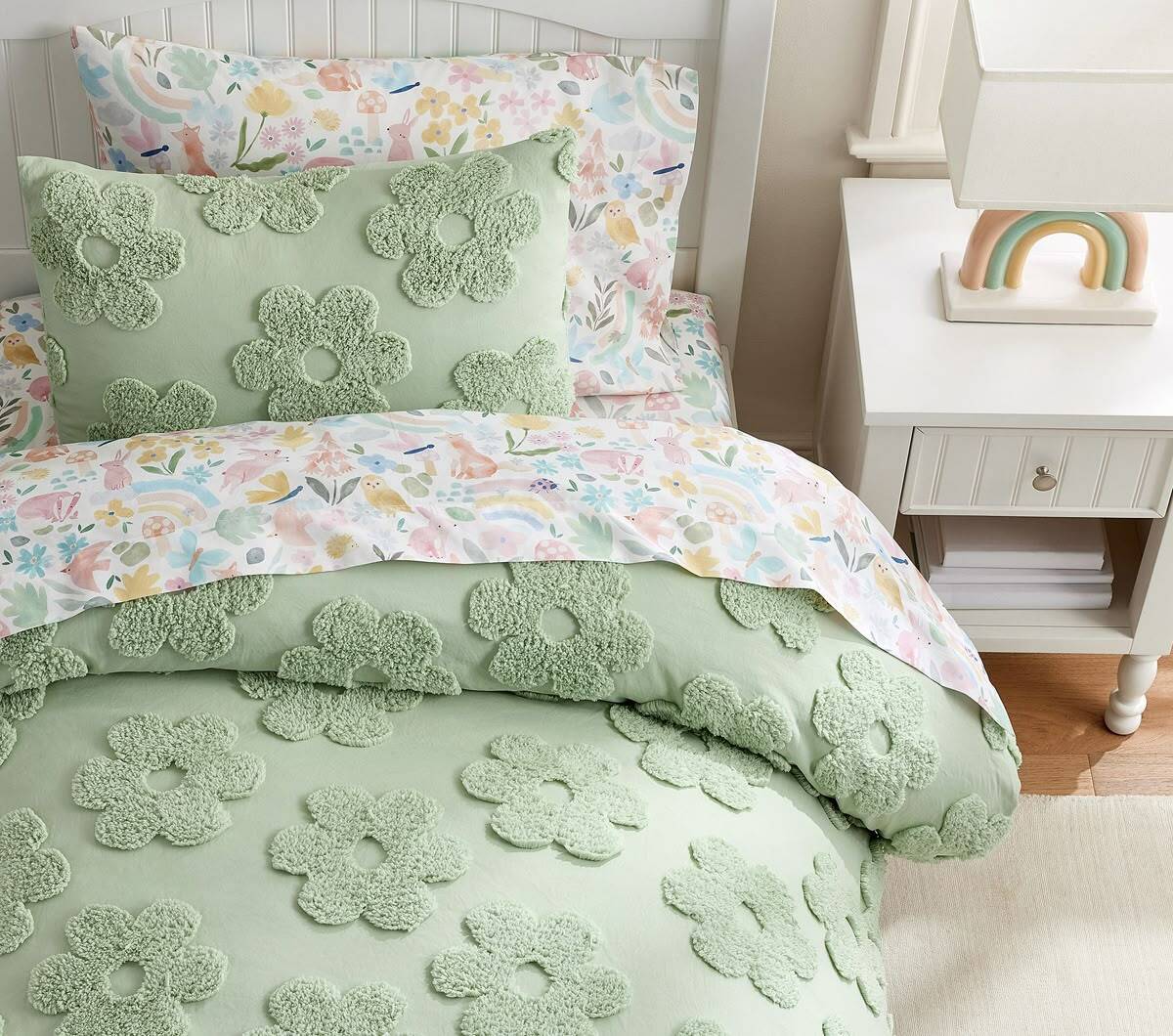
Polyester and polyester microfiber seem alike, but they are different in bedding. Polyester is a thicker fiber. It is strong and made from oil-based products. Microfiber has very tiny fibers. These fibers are usually polyester or nylon. Microfiber feels softer and soaks up more liquid. You can feel the difference when you touch them. Perfectextile.com uses lots of experience to help you pick the best material for comfort.
Puntos Clave
Polyester and microfiber are not the same. Polyester is thick and lasts longer. Microfiber has tiny fibers. It feels soft and smooth.
Microfiber sheets are very comfy. They feel silky and let air pass through. This is good for people who get hot at night. Polyester sheets are strong and simple to clean. But they can hold in heat.
Both polyester and microfiber bedding do not cause allergies. They help keep away things that make you sneeze. This makes them good for people with allergies.
Polyester sheets cost less than microfiber sheets. If you want to spend less now, pick polyester. Microfiber costs more but lasts longer. It gives better value over time.
Both types of bedding are easy to clean. Wash them in cold water. Dry them on low heat. This keeps them nice for many years.
Polyester in Bedding
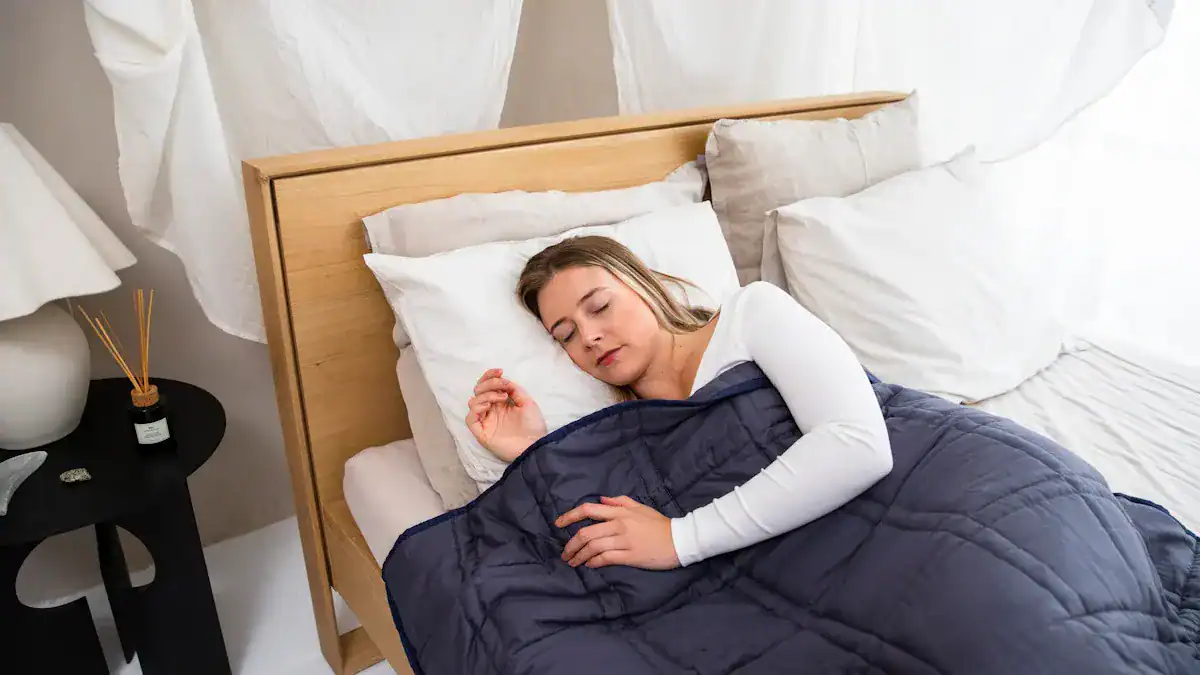
What Is Polyester?
Polyester is found in lots of bedding. It is a synthetic fiber. Factories make it using oil chemicals. The process starts with ethylene glycol and dimethyl terephthalate. These chemicals are heated and react together. They form a strong plastic called polyester. Workers melt the plastic and push it through tiny holes. This makes long fibers. The fibers are turned into yarn for fabric.
Here is a simple table showing how polyester is made:
Step/Component | Descripción |
|---|---|
Raw Materials | |
Polymerization | Chemicals react at high heat to form a polymer |
Extrusion | Molten polymer is shaped into strips, cooled, and cut into small pieces |
Fiber Formation | Chips are melted, then spun into fibers through a spinneret |
Forms of Polyester | Filament, staple, tow, and fiberfill for different textile uses |
Final Processing | Fibers are spun into yarn and may be dyed or finished |
Polyester fibers are strong and last long. You see them in many bedding types. They keep their shape and do not wear out fast.
Consejo: Polyester is hypoallergenic. If you have allergies, polyester bedding may feel better than natural materials.
Polyester Sheets Overview
Polyester sheets are liked for many reasons. They cost less than cotton sheets. You can wash them easily and they dry fast. You do not need to worry about shrinking or wrinkling. This makes them good for busy homes.
Here are some main uses of polyester in bedding:
Durability: Polyester does not wear out and keeps its shape.
Hypoallergenic: It is good for people with sensitive skin.
Ease of Care: You can wash polyester sheets in a machine and they dry quickly.
Polyester sheets feel smooth and silky. They do not soak up much moisture. This means they can trap heat. Some people may get too warm sleeping on them, especially in summer. Cotton sheets let air move and help you stay cool.
Característica | Polyester Sheets | Sábanas de algodón |
|---|---|---|
Tipo de material | Sintético | Natural |
Durabilidad | High, keeps shape and color | Moderate, may shrink or fade |
Mantenimiento | Low, wrinkle-resistant | Higher, needs more care |
Transpirabilidad | Poor, traps heat | Good, lets air flow |
Costo | Bajar | Más alto |
Sentir | Silky, less smooth | Soft and smooth |
Impacto ambiental | No biodegradable | More sustainable |
You can pick polyester sheets if you want something cheap and easy to care for. They are good for guest rooms, kids’ rooms, or if you want bedding that lasts.
Microfiber in Bedding
What Is Microfiber?
Microfiber is used in lots of bedding today. It is a very thin synthetic fiber. Factories make it mostly from polyester. Sometimes they add polyamide or other fibers. Microfiber fibers are much thinner than human hair. This makes the fabric soft and smooth.
Here is a table to help you learn about microfiber:
Propiedad | Descripción |
|---|---|
Definition | Microfiber is a staple fiber or filaments of linear density about 1 dtex or less. |
Composition | Mainly polyester and polyamide, sometimes blended with cotton, wool, or viscose. |
Diameter | Half the diameter of fine silk, one-third of cotton, and 100 times finer than human hair. |
Peso | Lightweight and durable compared to other fabrics. |
Comodidad | Breathable, comfortable, and offers high thermal insulation. |
Mantenimiento | Resists wrinkling and pilling, keeps its shape, and drapes well. |
Microfiber’s tiny threads make it feel soft. Microfiber sheets feel gentle and smooth on your skin. These fibers help the fabric last longer. They also help it keep its shape after many washes.
Microfiber Sheets Features
Microfiber sheets are very popular now. You can find them in homes, hotels, and dorms. The market for microfiber polyester is growing fast. Experts think it will go from $5.2 billion in 2024 to $9.3 billion by 2033. People like microfiber sheets because they are cheap, easy to care for, and strong.
Here are some features that make microfiber sheets special:
Softness and strength from fine fibers.
Easy to care for and do not wrinkle much.
Keep their shape for a long time.
Feel smooth and silky.
Let’s compare microfiber sheets to regular polyester sheets:
Característica | Sábanas de microfibra | Polyester Sheets |
|---|---|---|
Sentir | Soft, smooth, and silky | Slightly rougher, less silky |
Durabilidad | Highly durable, resists wrinkles and mildew | Durable, but less wrinkle-resistant |
Retención de color | Holds color vibrantly | May not hold color as long |
Requisitos de cuidado | Wash in cold water, tumble dry low | Can handle warmer wash and dry temperatures |
Microfiber sheets give you a cozy and gentle sleep. They do not wrinkle and keep their color bright. If you want bedding that is easy to care for and feels soft every night, microfiber sheets are a good choice.
Difference Between Microfiber and Polyester
Fiber Structure
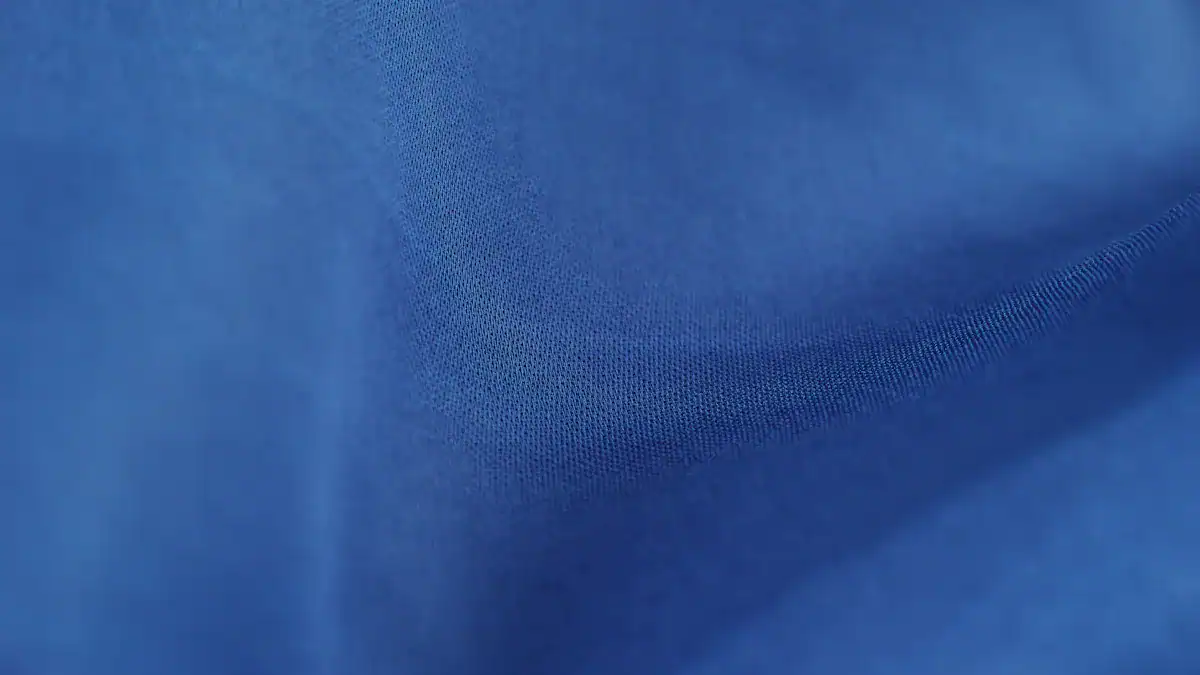
To see how microfiber and polyester are different, look at their fibers. Both are made from synthetic fibers, but they are not exactly the same. Microfiber uses much thinner threads than regular polyester. These tiny threads are less than one denier thick. Regular polyester threads are thicker and usually several deniers wide. This changes how each fabric feels and works in bedding.
Microfiber threads are much thinner than polyester threads.
Polyester threads are thicker and feel stronger.
Microfiber’s tight weave makes the fabric dense and warm.
Polyester’s looser weave lets more air move through.
The way the fibers are made also changes how long the fabric lasts. When you check how strong bedding is, you see that microfiber’s tight weave helps it last longer. Polyester is strong too because of its thick threads, but it may not feel as soft. You can feel the difference when you touch both fabrics. Microfiber feels smooth and soft, but polyester feels a little firmer.
Feel and Comfort
When you compare how microfiber and polyester sheets feel, it helps you pick the best one for your bed. Microfiber sheets usually feel soft, smooth, and silky. Many people say they feel like fancy cotton or even silk. Polyester sheets feel a bit rougher. They are still comfy, but not as silky as microfiber.
Here is a table to help you see what makes each material feel different:
Material | Feel Description |
|---|---|
Microfibra | Soft, smooth, and silky feel, like high thread count cotton or silk. |
Poliéster | A bit rougher, not as silky as microfiber, but still comfy. |
When you compare these two fabrics, you might see that people like microfiber sheets more for softness and smoothness. Many people choose microfiber because it feels fancy. Polyester sheets are liked for being cheap and strong, but they are not as soft as microfiber.
If you want bedding that feels soft and cozy, microfiber is a good pick. If you want bedding that is strong and easy to wash, polyester is a smart choice. Both types last a long time, but microfiber’s thin threads make it softer and more comfy.
Note: You can really tell the difference between microfiber and polyester when you touch them. Microfiber gives you a silky, smooth sleep, while polyester is sturdy and useful.
Durability and Care
Longevidad
When you choose bedding, you want it to last. Polyester sheets stand out for their strength. The fibers resist stretching and shrinking. You can wash them many times, and they keep their shape. Microfiber, made from very fine polyester threads, also lasts a long time. The tight weave helps prevent tears and pilling. Both types of sheets hold their color well, even after many washes.
Polyester sheets often look new for years. Microfiber sheets also stay smooth and soft. You do not see much fading or fraying. If you want bedding that stays strong, both polyester and microfiber are good choices. Their durability means you do not need to replace them often.
Tip: If you want sheets that last, look for high-quality polyester or microfiber. These fabrics handle daily use and frequent washing.
Mantenimiento
Taking care of polyester and microfiber sheets is simple. You do not need special products or tools. Follow these steps to keep your sheets in top shape:
Wash your sheets separately to avoid lint from other fabrics.
Use a gentle detergent. Skip fabric softeners and bleach.
Set your washer to a gentle cycle with cold water.
No sobrecargue la lavadora.
Washing and drying cycles can affect how long your sheets last. Polyester and microfiber both release tiny fibers during these cycles. The first drying cycle releases about 0.83 mg of fibers per gram of fabric. Later cycles release less, around 0.168 mg. Washing cycles tend to release more fibers than drying.
Cycle Stage | Fiber Release (mg MPF/g fabric) |
|---|---|
1st Drying Cycle | 0.83 |
6th-10th Drying Cycle | 0.168 |
Washing (1st-5th Cycle) | Higher than drying |
Washing (6th-10th Cycle) | Higher than drying |
You can keep your polyester bedding looking and feeling great with easy care. This helps you enjoy comfort and durability for a long time.
Breathability and Comfort
Regulación de temperatura
When you pick bedding, you want to stay comfy all night. Polyester and microfiber handle heat in different ways. Studies show polyester bedding does not soak up much water. It also keeps less heat than cotton or wool. This can make you feel warmer and sweat more. If you sleep hot, this may bother you. Polyester is made from plastic, so air does not move through well. You might notice heat gets trapped under the covers. Some people call this the “sauna effect.”
Microfiber uses very tiny threads. These threads let more air move through the fabric. Microfiber sheets pull moisture away and help you stay cool. They work better than regular polyester for warm nights. You will feel less sticky or sweaty. If you want bedding that helps control heat, microfiber is a good choice.
Tip: Always check the weave and thickness of the fabric. Thin microfiber sheets let air move better.
Suitability for Sleepers
Everyone sleeps differently. Some people get cold at night. Others get too warm. Sensitive skin can also change what you need. Here is a table to help you pick the right material:
Material | Benefits for Sleepers |
|---|---|
Microfibra | |
Poliéster | Breathable, suitable for hot sleepers |
Microfiber feels soft and gentle on your skin. It is a good choice for people with sensitive skin. Microfiber also keeps you warm, so it is great if you get cold. Polyester is strong and easy to wash, but it may not feel as soft. Some people with sensitive skin may feel itchy after using polyester for a long time.
Microfiber is soft and keeps you warm, good for cold sleepers.
Polyester lets air move, so hot sleepers stay cool.
Microfiber is gentle and works well for sensitive skin.
Both fabrics are easy to wash and dry at home. If you want bedding that is simple to care for and fits your sleep style, polyester and microfiber are both good choices.
Cost and Value
Price Comparison
When you shop for new sheets, price matters. Polyester sheets usually cost less than microfiber sheets. You can find polyester bedding at most stores for a budget-friendly price. Microfiber sheets often have a higher price tag. The fine threads and extra softness make them more expensive. You pay about 20-30% more for microfiber than for regular polyester.
Here is a simple table to help you compare prices:
Type | Average Cost (Queen Set) | Main Reason for Price |
|---|---|---|
Poliéster | $15 – $30 | Basic fiber, easy to produce |
Microfibra | $20 – $40 | Finer threads, softer feel |
You may notice that microfiber costs more at first. The extra cost comes from the special weaving and the soft finish. Polyester gives you a good deal if you want to save money right away.
Tip: If you want to spend less now, polyester is a smart choice. If you want extra softness, microfiber may be worth the higher price.
Long-Term Value
You want your bedding to last. Microfiber sheets keep their color and strength for a long time. Polyester sheets also last, but they may show wear sooner. Microfiber resists fading and keeps its smooth feel after many washes. You may see less pilling and fewer wrinkles with microfiber.
Here are some points to help you see the long-term value:
Microfiber bedding costs more at first, but it lasts longer and keeps its quality.
Polyester bedding is cheaper, but you may need to replace it more often.
Microfiber keeps its color and strength, while polyester may fade or wear out sooner.
Many people replace bedding before it wears out, but microfiber can help you wait longer between purchases.
You save money over time with microfiber because you do not need to buy new sheets as often. Polyester is a good choice if you want to spend less now, but microfiber gives you better value in the long run.
Eligiendo la ropa de cama adecuada
Comfort Preferences
You want your bedding to feel nice every night. Many people pick microfiber bedding because it feels soft and gentle. Microfiber is light and does not stain easily, which makes it comfy. It also feels cool and lets air move, so it is good if your room is warm. Polyester bedding is strong and lasts a long time, but it is not as soft as microfiber. If you like soft and cozy bedding, microfiber is usually the best choice.
Easy Care Needs
Most people want bedding that is simple to clean. Both polyester and microfiber bedding are easy to wash and dry. You can put them in the washing machine and they dry fast. Microfiber bedding is better at fighting stains than polyester. This is helpful if you have kids or pets at home. You do not have to worry much about spills and can relax more.
Both types are simple to wash and dry.
Budget Considerations
How much you spend on bedding is important. Polyester bedding costs less when you buy it. Microfiber bedding costs more, but it lasts longer and stays nice. You pay more for microfiber, but it gives you better comfort and lasts longer.
Consideration | Poliéster | Microfibra |
|---|---|---|
Cost Efficiency | Usually a better deal | Costs more up front |
Long-term Economics | Cheaper at first | Costs more, but lasts longer |
Allergy Concerns
If you have allergies, you want bedding that helps you sleep well. Both polyester and microfiber bedding help keep away some allergens. You should wash your bedding in hot water and use covers to stop dust mites. Pick bedding that says it is hypoallergenic for the best results. Good polyester and microfiber bedding can help you have a cleaner bed.
Pillow Material | Allergen Resistance | Beneficios |
|---|---|---|
Poliéster | Moderado | Cheap and soft |
Microfibra | Moderado | Light and lets air move |
Perfectextile.com has many good polyester and microfiber bedding choices. You can trust their bedding for comfort and safety. Their bedding is OEKO-TEX 100 and GRS certified, so it is safe and good for the planet. You can sleep better and feel good about your choice.
You have learned that polyester and polyester microfiber are different in bedding. Microfiber is made with very thin fibers. This makes it feel softer and more silky. Polyester has thicker fibers, so it feels a little rougher. Look at the table below to see the main differences:
Característica | Microfibra | Poliéster |
|---|---|---|
Fiber Thickness | Thicker strands | |
Sentir | Soft, smooth, silky | Slightly rougher, less smooth |
Durabilidad | Very durable due to tight weave | Generally durable, but coarser |
People pick bedding for comfort, price, and how easy it is to care for. You might like microfiber if you want soft sheets. Polyester is a good choice if you want to save money. Perfectextile.com has strong and earth-friendly bedding for your needs.
Preguntas frecuentes
What is the main difference between polyester and microfiber bedding?
Microfiber uses much thinner fibers than regular polyester. This makes microfiber sheets feel softer and smoother. Polyester sheets use thicker fibers, so they feel a bit rougher but stay strong.
Are microfiber sheets better for people with allergies?
Yes, you can use microfiber sheets if you have allergies. Microfiber resists dust mites and pollen. You should wash your sheets often to keep your bed clean and safe.
How do I wash polyester and microfiber bedding?
You can wash both types in a machine with cold water. Use a gentle detergent. Tumble dry on low. Avoid bleach and fabric softeners. Always check the care label for best results.
Do polyester and microfiber sheets wrinkle easily?
No, both polyester and microfiber sheets resist wrinkles. You can take them out of the dryer and put them on your bed right away. This saves you time and effort.
Which lasts longer: polyester or microfiber bedding?
Both types last a long time. Microfiber often keeps its color and softness after many washes. Polyester stays strong and holds its shape. You get good value from either choice.
Ver también
Elegir entre sábanas de microfibra o poliéster para mayor comodidad
Comparación de la impresión de paneles y la impresión digital para telas de ropa de cama
 Spanish
 English
 Arabic
 French
 Italian
 Portuguese
 Vietnamese