
The importance of bed sheets in a hospital setting is often overlooked, but it plays a crucial role in patient comfort and safety. The right kind of bed sheet can improve the quality of sleep, aid in the prevention of bed sores, and even contribute to allergy relief. But with so many diferentes tipos de sábanas available for hospital use, it can be challenging to determine which one is best suited for your needs. In this blog post, we will examine the most common types of bed sheets used in hospital, their materials, size and fit, thread count, and how they contribute to maintaining a healthy environment for patients. We’ll also provide you with a buying guide that highlights important factors to consider while purchasing hospital bed sheets and share some best practices for maintaining them.
Understanding the Importance of Hospital Bed Sheets
Hospital bed sheets play a vital role in ensuring the comfort and safety of patients. They not only prevent bedsores and skin shear but also maintain cleanliness and allergen prevention. Based on specific patient care requirements, different types of bed sheets fit securely on standard and bariatric beds. High-quality hospital bedding is an integral part of healthcare, providing comfort and protection for patients.
It’s important to note that hospital bed sheets should be changed regularly to ensure hygiene standards are met. The frequency of changing bed sheets varies depending on the patient’s condition and needs. For instance, patients with incontinence or excessive sweating require more frequent changes than others.
In addition to their functional benefits, hospital bed sheets can also contribute to the overall aesthetic appeal of a medical facility. The choice of color, texture, and design can create a calming environment for patients while complementing the interior decor.
Providing high-quality bedding is not only essential for patient comfort but also affects the recovery process. Research has shown that patients who have access to comfortable bedding have better sleep quality, which can lead to faster recovery times.
Overall, hospital bed sheets are an essential component of patient care that should not be overlooked. Healthcare providers must prioritize providing clean, comfortable bedding that meets their patients’ specific needs.
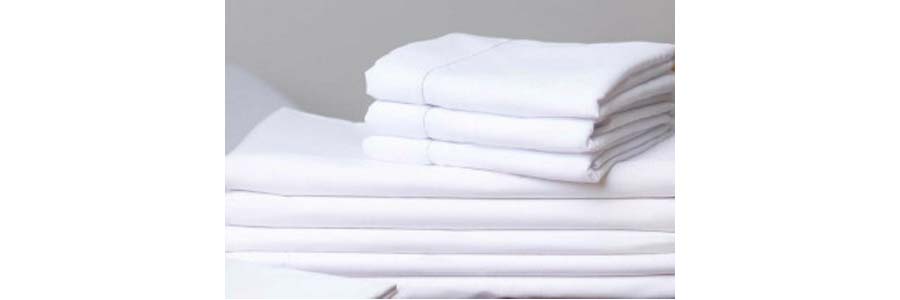
The Role of Bed Sheets in Patient Comfort and Safety
Hospital bed sheets are a fundamental component of ensuring patient comfort and safety. They play a key role in providing optimal comfort and pressure relief, which can help regulate body temperature for restful sleep. These sheets are made from durable materials that offer long-lasting softness, reduce friction, and ensure a secure fit on the hospital bed. The quality of bed sheets also contributes to maintaining clean and hygienic healthcare environments.
While these sheets primarily serve as a source of comfort, they also play an essential role in preventing infections. Hospital bed sheets are designed to repel moisture and bacteria, which helps prevent the spread of germs and other contaminants. Additionally, high-quality bedsheets are easy to launder, making them ideal for hospitals that need to maintain a sterile environment.
Another advantage of using quality hospital bed sheets is that they can improve the overall appearance of the patient’s room. A well-made bed with clean linens can help promote a positive healing environment for patients. Furthermore, comfortable bedding can contribute to faster recovery times by reducing stress levels and improving sleep quality.
In conclusion, hospital bed sheets are not just any ordinary bedding; they have a crucial role in ensuring patient comfort, safety, and hygiene. Quality linens provide optimal pressure relief, regulating body temperature for better sleep quality while preventing infections from spreading. With all these benefits in mind, it is essential to choose high-quality hospital bed sheets that meet the specific needs of your patients.
Examination of Common Hospital Bed Sheet Types
Bed linens come in different types and serve various purposes. Drawsheets are used to protect the mattress and make it easier for patients to move, whereas fitted sheets have elasticized corners that ensure a snug fit. Flat sheets, on the other hand, are versatile and can be used as top or bottom sheets. For larger patients, bariatric sheets offer extra width and length. Disposable linen is another option that provides convenience and helps reduce contamination risk, making it an ideal choice for medical facilities that require frequent changes of bed linens. By understanding the different types of bed linens available on the market, you can choose the right one depending on your needs and preferences.
Drawsheet
Drawsheets are a practical and cost-effective solution that healthcare facilities commonly use. They are placed on top of the fitted sheet to protect the mattress from spills and stains. Draw sheets offer an additional layer of protection for the patient’s skin as they are made of durable polyester blends. The sheets come in different sizes to fit various hospital bed dimensions. When soiled, draw sheets can be easily replaced, ensuring a clean and hygienic environment for the patients. In addition to hospitals, drawsheets can also be used in nursing homes, clinics, and other medical facilities to maintain hygienic conditions and prolong the life of mattresses. Their affordability and ease of use make them an essential item in any healthcare setting.

Sábana ajustable
Fitted sheets are an essential component of healthcare bedding, made from premium quality materials like microfiber or percale. These sheets come with elasticized corners that provide a secure and wrinkle-free fit on hospital beds. With a higher thread count, the fitted sheets offer increased comfort and breathability for patients. The correct sizing of fitted sheets is crucial as it prevents slipping and bunching, providing a smooth sleeping surface that enhances patient comfort in healthcare settings.
One of the significant benefits of using fitted sheets is that they minimize the risk of bedsores caused by friction between the skin and rough linen. Moreover, these sheets are easier to clean than traditional flat sheets as they do not require folding or tucking. They also save time and provide a hassle-free experience for healthcare providers who need to change bed linens regularly.
Another advantage of high-quality fitted sheets is that they can withstand frequent washing without losing their shape or softness. This durability ensures that the bedding stays hygienic and maintains its integrity throughout its lifespan. Additionally, some fitted sheets come with antimicrobial properties that help prevent the spread of infections in healthcare facilities.
In conclusion, investing in high-quality fitted sheets can significantly improve patient comfort and hygiene standards in healthcare settings while also reducing the workload for healthcare providers.

Flat Sheet
Flat sheets are a staple in hospital bedding as they offer versatility and comfort to patients. These sheets can function as both top and bottom sheets, making them a practical choice. They are typically made from durable materials like cotton or polyester blends, which provide warmth and softness to patients. The thread count of these flat sheets determines their level of comfort, with higher thread counts offering greater softness and longevity. Additionally, they come in various sizes to accommodate different hospital bed dimensions, ensuring that every patient gets the optimal fit for their needs.
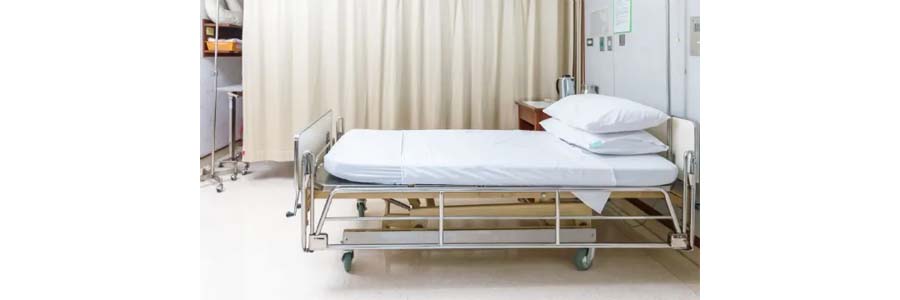
Bariatric Sheets
Bariatric sheets are an essential component for larger patients as they are designed to offer a wider width and extra-long length. These sheets are made from durable materials that can withstand the weight and movement of bariatric beds, ensuring maximum comfort and safety for patients. They come in various sizes that can accommodate different bed dimensions, providing optimal coverage and a secure fit.
Apart from their functional benefits, bariatric sheets also play a crucial role in maintaining the dignity and well-being of larger patients. These sheets provide a sense of comfort and security, helping patients feel more at ease during their hospital stay. Additionally, they help prevent skin breakdown or pressure ulcers, which can be common among bariatric patients.
It is important to note that bariatric sheets are not just limited to hospitals or medical facilities; they can also be used in home care settings. With the growing demand for home-based health care services, bariatric sheets have become an essential item for caregivers who attend to larger patients at home. By investing in high-quality bariatric sheets, caregivers can ensure better patient outcomes and promote overall well-being.

Disposable Linen
Disposable linen is a practical and hygienic solution for healthcare settings. These sheets are typically crafted from lightweight and breathable materials like non-woven fabric, which makes them highly effective in reducing the risk of cross-contamination. Moreover, they eliminate the need for laundering, saving valuable time and resources. Available in various sizes to fit different hospital beds, disposable linen is frequently used in situations requiring frequent sheet changes, such as during surgeries or when dealing with patients with communicable diseases. Overall, disposable linen offers a convenient and cost-effective solution that ensures the highest levels of hygiene and safety for both patients and healthcare professionals.

Material Considerations for Hospital Bed Sheets
The choice of hospital bed sheets is an important consideration as it can impact patient comfort and play a role in healthcare requirements. When selecting bed sheets, one should consider the materials used, such as cotton, polyester blends, and microfiber. Cotton offers a soft touch and breathability along with moisture-wicking properties. On the other hand, polyester blends provide durability and resistance to wrinkles and stains. Microfiber sheets have a silky texture and are easy to maintain. The material choice should be guided by factors like patient comfort, durability, and healthcare requirements. It’s crucial to choose sheets that are comfortable for patients to sleep on while also being able to withstand frequent washing and sanitizing. Additionally, healthcare facilities should ensure that their bed linen meets industry standards for cleanliness and infection control.
Commonly Used Materials and Their Benefits
Cotton sheets are a popular choice for hospitals due to their breathability, hypoallergenic properties, and ability to absorb moisture. Cotton is a natural material that is gentle on the skin, making it ideal for patients with sensitive skin or allergies. Polyester blend sheets, on the other hand, offer durability and wrinkle resistance, making them a practical choice for frequent use. They are also easy to care for and can withstand multiple washings without losing their shape or color. Microfiber sheets are lightweight and soft, providing maximum comfort for patients. They are resistant to fading and pilling, making them durable enough to withstand regular use in a hospital setting. Each type of sheet has its unique benefits that cater to patient comfort, durability, and maintenance requirements. Choosing the right material depends on the specific needs of the healthcare facility and patient preferences.
Size and Fit: Key Aspects of Hospital Bed Sheets
The correct sizing and fit of hospital bed sheets are crucial for ensuring maximum comfort and optimal patient care. Using undersized sheets can cause skin shear and discomfort, whereas properly sized sheets can help prevent friction and mites. It is important to choose the right size to ensure proper coverage, durability, and a comfortable sleeping experience for patients. The size of hospital bed sheets varies depending on the type of bed and mattress used. Hospital beds come in different sizes such as twin, full, queen, or king size. It is essential to measure the mattress dimensions accurately before purchasing bed sheets to ensure a perfect fit. Additionally, high-quality materials that are gentle on the skin should be prioritized when selecting hospital bed sheets to provide optimal comfort for patients during their stay.
Understanding the Standard Sizing of Hospital Bed Sheets
Hospital bed sheets are specifically designed to fit standard sizes for easy compatibility. The most common size of a standard hospital bed sheet is 36 x 80 inches, which fits a majority of hospital beds. However, bariatric beds require larger-sized sheets due to their wider dimensions. Fitted sheets with elastic corners provide a secure fit and prevent slippage during use. It is essential to have knowledge about the standard sizes of hospital bed sheets to ensure that the right sheets are selected for different beds. Properly fitting sheets can help maintain hygiene and comfort for patients during their stay in the hospital.
Thread Count: An Important Feature of Hospital Bed Sheets
Thread count is a crucial factor in determining the softness and durability of hospital bed sheets. Generally, a higher thread count indicates better quality and comfort. Polyester blends are known to offer a good balance of durability and comfort, while microfiber sheets with a high thread count tend to be soft and hypoallergenic.
It’s important to understand the significance of thread count when selecting bed sheets for specific needs. For instance, if you’re looking for sheets that are soft to the touch, then a higher thread count would be ideal. Similarly, if you’re concerned about allergies or skin sensitivities, hypoallergenic options like microfiber sheets can provide relief.
Beyond thread count, there are several other factors to consider when selecting hospital bed sheets. The material composition is also important as certain materials may be more breathable or moisture-wicking than others. Additionally, features like stain resistance and easy care can make maintaining hygiene standards easier for healthcare facilities. Overall, understanding the different factors that contribute to sheet quality can help healthcare providers select the best bedding options for their patients’ comfort and well-being.
Deciphering the Impact of Thread Count on Quality and Comfort
When it comes to the comfort and quality of bed sheets, the thread count plays a crucial role. A higher thread count generally results in a softer and more luxurious feel, while sheets with a low thread count may be less durable and prone to pilling. To strike a balance between quality and affordability, opting for a thread count between 200-400 is recommended. Even polyester sheets with a lower thread count can provide comfort and longevity. Ultimately, the right thread count depends on individual preferences and needs.
Buying Guide for Hospital Bed Sheets
When purchasing hospital bed sheets, it is important to consider the material for comfort and cleanliness. Opting for anti-friction panels can prevent skin shear and bed sores, which are common issues for patients who spend extended periods in bed. Choosing hypoallergenic sheets can also help minimize allergies and respiratory problems that may arise from prolonged exposure to certain materials.
In healthcare settings, easy maintenance and washing instructions are crucial to ensure that the sheets remain clean and hygienic. Durability and longevity are also important factors to consider as hospital beds undergo regular use. Thus, investing in high-quality sheets made of durable materials can help save money in the long run.
Apart from these factors, it is also essential to choose the right size of sheets that fit the bed perfectly without slipping or bunching up. Additionally, choosing a color that is soothing and comforting can help create a more relaxing environment for patients. By carefully considering these factors when selecting hospital bed sheets, you can provide your patients with maximum comfort while ensuring their safety and well-being.

Important Factors to Consider While Purchasing
When purchasing bed sheets for hospital use, it is important to prioritize materials like bamboo or polyester blends for their durability and softness. Opt for sheets with a higher thread count to ensure maximum comfort and longevity. Consider the specific needs of the patient, such as temperature regulation or allergy relief. Additionally, ensure that the sheets are easy to clean and maintain for efficient use in healthcare settings, and take into account any special requirements or regulations within the healthcare industry.
The Significance of Allergy-Relief in Hospital Bed Sheets
Allergen-free hospital bed sheets are an excellent option for promoting a healthy and comfortable environment while minimizing the risk of allergies and respiratory issues. The fabric’s anti-dust mite properties significantly reduce discomfort and improve sleep quality. Opting for allergy-relief sheets is especially important for patients with sensitive skin as it ensures their well-being.
Cleanliness and preventing allergen accumulation are crucial considerations for optimal patient care. Using allergen-free bed sheets can help prevent the spread of germs and bacteria, ultimately reducing the risk of infections in hospitals. Additionally, these bed sheets are typically made from high-quality materials that are easy to clean and sanitize, making them an ideal choice for healthcare facilities where hygiene is paramount. Overall, investing in allergen-free bed sheets can have a significant impact on patient comfort and recovery.
How Bed Sheets Can Contribute to Allergy Relief?
If you want to avoid allergies and skin irritation, consider using bed sheets made of hypoallergenic microfiber or bamboo. Additionally, anti-friction panels can reduce skin irritation, while high thread count sheets can prevent dust mites. To eliminate allergens, it is essential to regularly wash your sheets at appropriate temperatures. Prioritizing cleanliness and using hypoallergenic detergents can also provide enhanced allergy relief. By following these simple steps, you can ensure a comfortable and healthy sleeping environment.
The Role of Bed Sheets in Preventing Bed Sores
Choosing the right bed sheets can significantly decrease the risk of developing bed sores, particularly for those who are bedridden or have limited mobility. Sheets with anti-friction properties help reduce pressure on sensitive areas of the body, while breathable materials like percale or cotton promote airflow and prevent moisture buildup.
Bed sheets that offer pressure relief and distribute weight evenly are also a great option. Regularly changing and washing bed sheets is essential to maintain a clean and hygienic environment. It is recommended to change bed sheets at least once a week or more frequently if needed.
It is also worth noting that the type of mattress used can affect the likelihood of developing bed sores. A mattress with good support and pressure-relieving features can help prevent pressure injuries. Specialized pressure-relieving mattresses, such as air-fluidized beds, can be used in severe cases to provide additional support and relief.
Overall, selecting the appropriate bedding materials and maintaining good hygiene practices are crucial for preventing bed sores in individuals who spend extended periods in bed.
Selecting Sheets that Minimize Risk of Bed Sores
When choosing hospital bed sheets, it’s important to consider features that minimize the risk of bed sores. Look for sheets with anti-friction panels to reduce pressure on sensitive areas. Consider combining them with pressure relief mattresses for added comfort. Opt for materials that allow air circulation and prevent overheating. Choosing the right size sheets ensures proper coverage and minimizes pressure points. Prioritize sheets designed specifically for healthcare settings to maximize patient comfort and prevent bed sores.
What are the Best Practices for Maintaining Hospital Bed Sheets?
In healthcare settings, proper maintenance of hospital bed sheets is essential for maintaining hygiene and patient comfort. Regular washing of bed sheets eliminates dust mites and allergens that can cause respiratory problems or other allergic reactions. Durable polyester blends are an excellent choice for longevity, as they are resistant to wear and tear.
It is crucial to select fitted sheets that are the right size and thickness to prevent discomfort and skin shear. Ill-fitting sheets can cause pressure ulcers or cuts in the skin due to friction or rubbing against the mattress. Adding anti-friction panels can provide maximum comfort and pressure relief, reducing the risk of bedsores.
Hospital bed sheets should be washed regularly using a high-temperature setting to kill bacteria, viruses, and other harmful microorganisms. It is also important to use mild detergents that do not irritate sensitive skin. Hospitals should have a system in place for monitoring the cleanliness of their linens regularly.
Proper maintenance of hospital bed sheets ensures that patients stay comfortable during their stay at the facility while minimizing the risk of infections and other health complications.
How Often Should Hospital Bed Sheets be Changed?
Maintaining cleanliness and preventing the spread of infections in hospital environments is crucial, and regularly changing bed sheets play a vital role in achieving this goal. It is recommended to change bed sheets at least once a week, but more frequent changes are necessary if they become soiled or contaminated. Immediate replacement of bed sheets is essential for spills, stains, or signs of contamination.
Patients with specific medical conditions such as open wounds or incontinence may require even more frequent changes to minimize the risk of infection. Additionally, regular inspections should be conducted to ensure that bed sheets are free from tears and in good condition. By implementing these practices, hospitals can ensure that patients receive high-quality care in a clean and safe environment.
Conclusión
In conclusion, choosing the right type of bed sheets for hospital use is crucial for patient comfort, safety, and overall well-being. Various factors such as material, size, thread count, and allergy-relief properties should be taken into consideration when purchasing bed sheets. It is important to select bed sheets that are easy to clean and maintain to prevent the risk of infection and bed sores. Regularly changing and washing bed sheets is essential for maintaining hygiene and preventing cross-contamination. By investing in high-quality bed sheets that meet the specific needs of hospital environments, healthcare facilities can provide a comfortable and safe environment for patients.
 Spanish
 English
 Arabic
 French
 Italian
 Portuguese
 Vietnamese
