
What Is Bamboo Fabric?
We already have an idea about various types of fabrics and all are very different from each other once. Bamboo fabric is one of the most popular and very eco-friendly fabrics that are in very high demand. Though bamboo is known as the fastest-growing tree on the planet as this tree grows at an average of 2 inches per hour. There are so many uses of this tree and here we discussing bamboo fabrics. So some best selling clothes are made with these bamboo fabrics. Some people are very curious about what is bamboo fabric?
In this industry of fabrics, bamboo fabric is a source of different types of textiles made from bamboo trees. All over the world, this bamboo tree has been used for so many different types of works and it has also been used for thousands of years. Generally, this bamboo tree is used for handmade products in Asia. But day by day when we are capable to update everything then we also look for something different things to make with this bamboo tree. So nowadays, these bamboo fibres are used to make some more different things. As the bamboo pulp turns into the usable fibres that are transferred as fabric for the clothing.
How Is Bamboo Fabric Made?
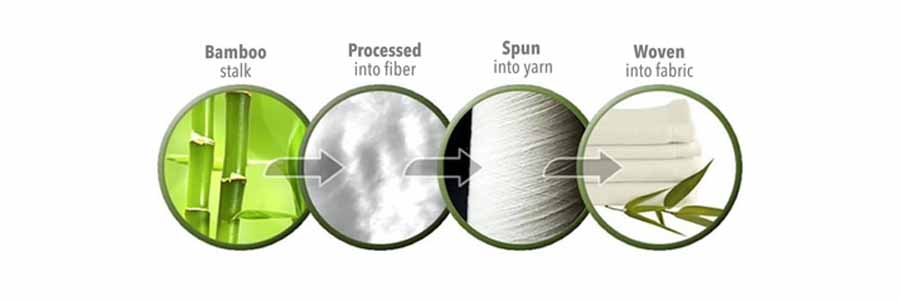
This is the most important part that we need to know about. Mainly, bamboo pulp is turned into bamboo fibres and after that, it needs to be transferred as useable fabric. That can be made in different types of ways. A huge amount of cloth is generated by bamboo viscose and that is referred to as the same method as producing rayon. And this one is the most available fabric that you can find readily. The process is very lengthy and it needs a high level of manufacturing processes. The techniques are played a very vital role in this case.
The technique provides the fabric with a more silky and smooth texture. As per the process, after harvesting the bamboo plants, the leaves and the soft part of the inner surface area need to be crushed and extract the bamboo cellulose as well. Then the crushed part is soaked into the specific solution and after that, it needs to wash by hand and spun into yarn. So that, it can be woven into so many different types of fabrics. Finally, the result will be the softest fabric that can be used for making different types of clothes, like bedsheets, dresses, suits and more. So now you came to know what is bamboo fabric made of?
How Is Bamboo Fabric Used?
As we already know how to make bamboo fabrics? These days bamboo fabrics can be used for so many different applications as well. Such as bedding to clothing, this fabric plays a very vital role. This is a 100 per cent natural ingredient that feels so soft and smooth. Though These bamboo fabrics look very expensive and luxurious but generally, this one is very affordable. Bamboo fabrics are very durable so that, these fabrics are recommendable for those who are health conscious. Besides this, ropa de cama and clothing is not the only use of this fabric. There are so many other uses of this one, such as,
·Intimate apparel is one of the most common uses of this fabric. It feels very soft and skin-friendly. So that it can be used for making socks, underwear, bathrobes, sleepwear and more.
·Non-woven fabrics are another use of this bamboo fabric. Such as sanitary pads, face masks, mattresses and more.
·some medical supplies are made from this bamboo fabric. Like, bandages, doctors’ coats, surgical wear, medical mask and other related things.
These types of products can be made with bamboo fabrics and these fabrics are extremely beneficial. This bamboo fabric also ensures that other harmful bacteria will have a shorter life span as well.
Where Is The Origin Of Bamboo Fabric?
Bamboo fabric is one of the most popular fabrics in this industry that becoming increasing more popularity in the products development market in the United States. But the origin of this bamboo fabric is still in Asia. Recently the right and more updated technology applied to these bamboo fibres that they can be turned into more useable fabric. The main history of bamboo fabric will go thousand of year’s back but in today’s world, this fabric becomes more modern and more updated. If we go back to the past, then we came to know that the first thing that is made with this bamboo fibre is paper. And that was invented in China.
But after some years, when the technology get updated then bamboo was used for making so many different types of things. The first-ever bamboo cloth-making process is done by Beijing University. But it go through so many manufacturing processes and discovered various methods. Nowadays there are so many different technologies that can be used for making different things with bamboo fabrics but the origin is in Asia. These bamboo fabrics may now be very popular but the concept is not exactly now! However, bamboo fabrics are in very high demand and have high transport costs from Asia.
What Is The Price Of Bamboo Fabric?
If you already know and use bamboo fabric clothes then you also must know that the fabric is very soft and smooth. These bamboo fabrics are very comfortable to use as well. So that, you may also notice that this fabric will cost more than any other regular fabric. Though bamboo is the fastest growing plant on the earth that is why some people are very curious that why these bamboo fabrics are so expensive? So here we will discuss the pricing of these bamboo fabrics in detail. But you need to remember that the demands of this fabric are very high for its remarkable nature.
It can be very surprising for some people who thought that why this fabric is more expensive! But here we need to know that the price depends on the production of that specific fabric. We all love bamboo clothes, bedsheets, bamboo towels. And yes this is true that bamboo fabrics are more expensive than other fabrics. Now you know bamboo fabric cost but it will be very difficult to say some specific amount as it is very hard to compare apples to apples and also bamboo fabric price per meter. We always want to use that kind of fabric that is very soft and comfortable. In that case, bamboo fabrics are very comfortable and feel-good fabric. So that generally it cost more expensive than another one.
What Are The Different Types Of Bamboo Fabrics?
Bamboo Viscose
There are mainly three types of bamboo fabrics in the market nowadays. The difference between these three types of bamboo fabrics is based on the manufacturing process. Though the base of these three fabrics is the same when you can’t some technical method when processing the fabric then it becomes a new texture and it could be the same thing but some characteristic changes as per the method used. So let’s take a look at those three fabrics that are come from bamboo fabrics.
·Rayon is one of them. So the natural fibres are covered by chemical processes. It is also known as viscose fabric as well.
·Lyocell is another one and the same process is applied to make it but it also uses other methods and is blended with some other techniques. So that it becomes more eco friendly.
·Linen, is considered genuine bamboo fabric. This fabric is more soft, strong and very durable as well. The method of making it is not very cost-effective.

Lyocell Type Bamboo Fiber Fabric
This is a type of rayon fabric that comes from bamboo trees. It needs a high level of heavy processing but fewer steps than viscose rayon. These fabrics are not very new invented fabric. Lyocell is the third generation technology of rayon. Though bamboo lyocell is not a natural material the base of this finer is bamboo pulp and this is 100 per cent natural.
There are so many companies in the world that sell high-quality bamboo Lyocell fabrics. The common uses of this fabric in clothing and accessories. This fabric is very soft and affordable as well. In the fabric industry, bamboo Lyocell has become a very well known fabric. It is possible to use bamboo Lyocell fabric alone or it can be blended with other fabrics also. So this Lyocell fabric is the third most used fabric after viscose. It had 4 per cent of the share market in 2018. This bamboo Lyocell fabric is a very unique material with unique properties. It feels comfortable with a luxurious look. They can absorb water and can dry quickly. And the most important thing is it is very breathable and durable at the same time.

Mechanically Produced Fine Bamboo Fibers
A piece of bamboo fabric comes with great potential in it. As we already come to know that the bamboo fibres become bamboo fabric after the processing of it. Two ways help to convert the bamboo tree to bamboo fabric. These are,
·Mechanically
·Chemically
The mechanical process includes cruising the woody part of the tree and after that applying natural ways to break the bamboo cell walls. Then it needs to be mechanically combed out and spun with yarns nicely. The result will be similar to linens.
So that is the way to produce the bamboo fabric by the bamboo tree. Throughout the process, there are so many different methods that are used during the process. And that is the most important part as if you skip or do not apply the proper mechanical process during the making of the bamboo fabric then it may not come perfectly as needed.

How Does Bamboo Fabric Affect The Environment?
Bamboo fabric recently become a very popular fashion fabric but it is very important to know what are the environmental impacts of this bamboo fabric? And also is it good to make clothes with that? The fabrics are made from bamboo fibres go through many processing and methods. After that, they can produce a soft and smooth fabric for clothing. While these processes there are no chemical uses and that is why this fabric is called safe for skin and other things.
Bamboo is the most fast-growing plant which does not need any chemicals for that. So that it has no negative impacts on the environment. But if we discussed other fabrics then we come to know that while the process there is a huge chance of using chemicals for that. And that could be harmful to us and the environment also. Starting from the harvesting bamboo to every step of the processing there are no uses of any chemicals. So that, in near future this bamboo fabric become one of a very highly demanding fabrics in this industry.
Advantages Of Bamboo Fabric
Bamboo fabrics are very similar to silk as it feels very soft and smooth. These bamboo fabrics are produced without any chemicals, they are naturally very smoother and skin-friendly. So those who have very sensitive skin, for them these fabrics are very recommendable. These bamboo fabrics are antibacterial and antifungal. So that it has so many advantages and positive impacts. The quality of these fabrics can naturally kill bacteria very easily. Like other natural fibres, bamboo fibres are very breathable as well. So here we will share some advantages of bamboo fibres. Such as,
·it has antibacterial properties in it.
·it has the absorbing power that makes your skin sweat less. Mainly it can draw away moisture from the skin.
·it can keep you got in winter and cool in the summer season.
·this fabric feels very soft and smooth that giving comfortable and convenient feelings.
·it can protect naturally from UV light.
·this bamboo fabric is one of the best options for those who have sensitive skin.
·the most important thing is this is an eco-friendly fabric. Not produced by any chemical processes.
·the best thing is that this fabric is very lightweight and breathable. So that anyone can use it and will love to use it as well.

Last Words
This is an excellent fabric that can be used for so many things. However, there are still so many things done before the development of technology. The fabric industry feels safe while making this fabric as this bamboo fabric is a natural ingredient. Nowadays these bamboo fabrics become very popular in all of the worlds. With so many manufacturing processes it becomes usable for us.
La gente también pregunta
1. Is bamboo fabric better than cotton?
As far as fabric choices go, bamboo is definitely a superior option. Not only is it environmentally friendly, but it also has some great environmental benefits when it comes to water usage and energy usage. Additionally, bamboo is a very strong and durable fabric that can last for many years without any problems.
In terms of comfort, bamboo fabric is definitely superior to cotton. It is much more breathable and comfortable to wear, even in hot weather conditions. Overall, bamboo fabric is a great choice for anyone looking for a superior textile option.
2. What are the disadvantages of bamboo fabric?
There are definitely some disadvantages to bamboo fabric – the most significant of which is that it is not very durable. It may also be a little difficult to work with, as it can easily fray and tear. Additionally, the bamboo fabric does not hold dye very well, so it may not look as vibrant or colorful as other types of fabrics. There are definitely some disadvantages to bamboo fabric – the most significant of which is that it is not very durable. It may also be a little difficult to work with, as it can easily fray and tear. Additionally, the bamboo fabric does not hold dye very well, so it may not look as vibrant or colorful as other types of fabrics.
3. What is special about bamboo fabric?
Bamboo fabric is special for a few reasons. For one, it’s environmentally friendly – bamboo is a fast-growing plant that can be harvested relatively quickly, without causing too much damage to the environment. Additionally, bamboo fabric is a natural moisture-wicking fabric that helps keep you cool and comfortable in hot weather. And finally, bamboo is an excellent absorber of sound and vibration, making it an ideal choice for noise-canceling headphones and other audio equipment.
Hopefully, this information is helpful. Bamboo fabric is a versatile and environmentally-friendly choice for any clothing or accessory needs!
4. Does bamboo clothing shrink when washed?
Bamboo clothing does shrink when washed, but it does not lose its shape or size. In fact, it is often said that bamboo clothing is the most comfortable and sustainable clothing option available. The shrinkage is due to the fact that bamboo is a natural fibrous material, and when it is laundered it releases water vapor. The vapor reacts with the lye in the detergent to cause the clothes to shrink.
 Spanish
 English
 Arabic
 French
 Italian
 Portuguese
 Vietnamese