

Recycled bedding fabric, such as recycled polyester and cotton, is becoming increasingly popular for those seeking eco-friendly bedding solutions. These materials help create bedding that is better for the planet, supporting sustainability and responsible consumption. As more people prioritize health, safety, and environmental impact, the demand for recycled bedding fabric continues to rise. Consumers are actively looking for products made with eco-friendly materials and produced through ethical practices.
Thanks to advancements in technology, recycled bedding fabric—especially recycled polyester bedding fabric—now offers a soft feel and attractive appearance, making it a great choice for both comfort and style.
Hallazgos clave | Descripción |
|---|---|
Increased Interest | More people are choosing bedding that supports health, safety, and sustainability. |
Ethical Production | Consumers want bedding made with recycled bedding fabric and produced through fair, honest methods. |
Puntos Clave
Recycled bedding fabric, such as polyester and cotton, is good for the earth and cuts down on trash. Choosing bedding made from recycled stuff helps the planet and keeps nature safe. Check for labels like OEKO-TEX 100 and GRS to make sure your bedding is safe and made the right way. Recycled bedding can be as soft and comfy as normal bedding, sometimes even softer. When you buy recycled bedding, you help local workers and make the world cleaner and healthier.
Recycled Bedding Fabric Types
Recycled Polyester Bedding Fabric
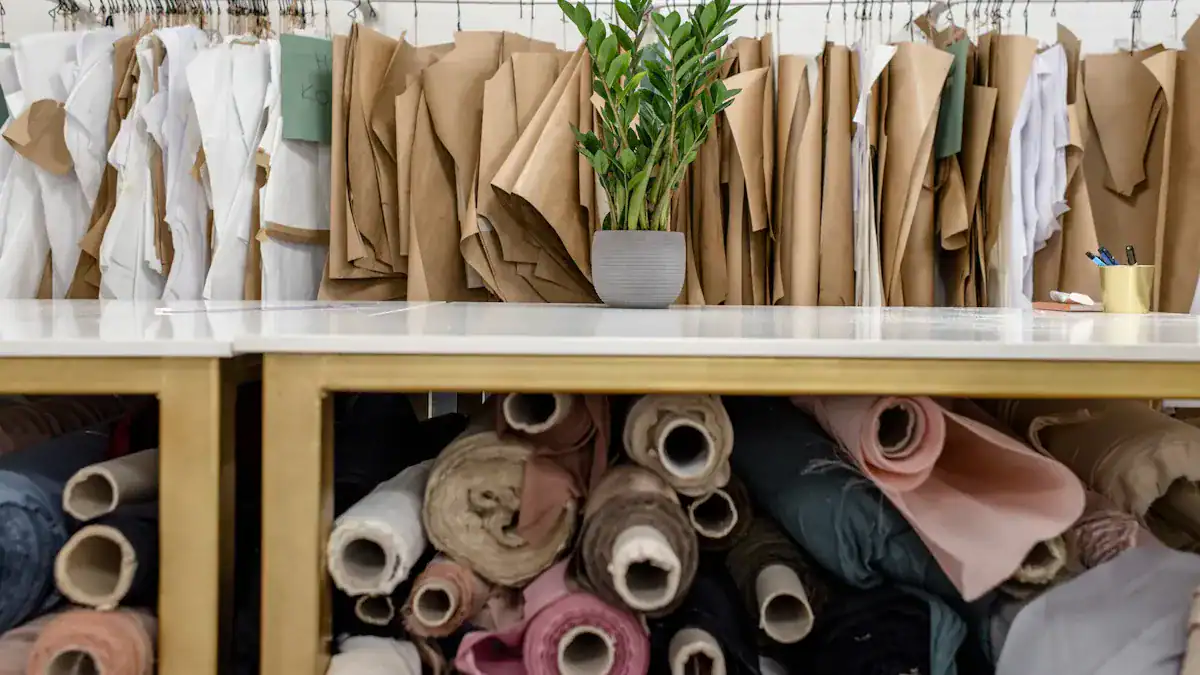
Recycled polyester bedding fabric is a top choice for sustainable bedding. Makers use old plastic bottles to make recycled polyester fibers. This helps cut down on waste and helps the environment. Recycled polyester bedding fabric feels smooth and soft. It is a good pick for eco-friendly bedding.
Perfecttextile.com is a leader in this field. The company uses new technology and a vertical setup to make recycled polyester bedding fabric. Their products have OEKO-TEX 100 and GRS certifications. These show the bedding is safe and meets sustainability rules.
Recycled Cotton and Other Materials
Recycled cotton is another popular recycled bedding fabric. It comes from leftover cotton scraps or old clothes. This saves resources and feels soft. Recycled cotton bedding is gentle on your skin and helps the planet.
Some bedding uses recycled nylon from ocean waste. Using recycled nylon helps clean oceans and makes bedding stronger. Some brands also use Tencel, bamboo, and other eco-friendly materials. These make bedding even more comfy.
Consejo: Picking bedding made from recycled materials helps lower waste and keeps the planet cleaner.
Here are some common types of recycled bedding fabrics:
Recycled polyester (from old plastic bottles)
Recycled cotton (from textile waste)
Recycled nylon (from ocean waste)
How Recycled Bedding Fabric Differs from Conventional
Recycled bedding fabric has special benefits over regular bedding. It helps the planet and cuts down on waste. Recycled polyester and recycled cotton use fewer resources than regular fabrics.
Check out this table to see how recycled bedding fabrics compare in durability and comfort:
Tipo de tela | Durabilidad | Comodidad |
|---|---|---|
Tencel | Strong, does not pill, lasts longer | Soft, cool, pulls moisture from skin |
Recycled Cotton | Can pill and wear out; less strong | Softness changes, but usually comfy |
Sustainable bedding often feels softer and keeps you cool better than regular bedding. Many people say they sleep better with eco-friendly bedding made from recycled materials.
How Recycled Bedding Fabric Is Made
Collection and Sorting
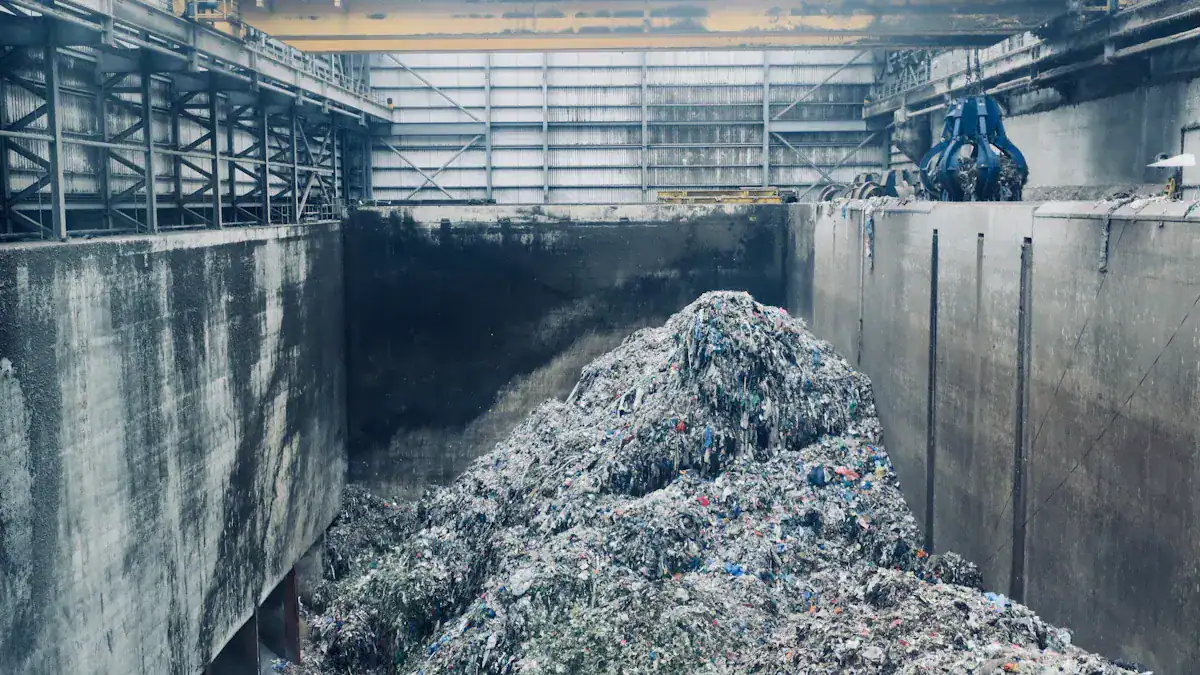
The process starts with collecting old textiles and waste. Factories and recycling centers gather these from many places. They collect recycled cotton from old clothes and fabric scraps. They get recycled polyester from used plastic bottles and bedding. They also collect recycled nylon from ocean waste and fishing nets.
Workers sort the materials by type and color. Sorting helps keep the quality good. It also makes recycling easier. Teams take off buttons, zippers, and labels. This step makes sure only clean fibers are used. Good sorting helps make recycling better and cuts down on waste.
Processing and Recycling Methods
After sorting, the next step is processing. Factories use different recycling methods for each material. For recycled polyester, chemical recycling is common. This method breaks down old bottles and bedding into small parts. Workers turn these parts into new polyester fibers. Chemical recycling can handle mixed fabrics and separate fiber types. It also helps keep recycled polyester strong.
For recycled cotton, factories use mechanical recycling. Machines shred old cotton into fibers. Sometimes, enzyme-based recycling is used to make fibers better. Chemical recycling can also separate cotton from polyester in blends. This is important because many bedding items use polycotton blends.
Here are some recycling methods:
Chemical recycling for polyester and blends
Mechanical shredding for cotton
Enzyme-based recycling for cotton fibers
Recycling works best when polyester and cotton are fully separated. This can be hard with polycotton blends. Makers must plan well to match supply and demand. They may need new machines if recycled materials act differently.
Manufacturing and Finishing
After making new fibers, factories spin them into yarns. They weave or knit these yarns into fabric. At perfecttextile.com, a vertical setup controls every step. This helps keep quality high and supports green goals.
After weaving, the fabric gets finished. Workers wash, dye, and treat the fabric. This makes it soft and strong. They check for color and durability. The finished fabric becomes sheets, duvet covers, and other bedding.
You get bedding made with recycled polyester, cotton, and nylon. These materials help the planet and keep it clean. Choosing recycled bedding supports green living and gives you comfort.
🌱 Picking recycled bedding fabric helps protect nature and supports a greener future.
Benefits of Sustainable Bedding
Impacto ambiental
Picking recycled bedding fabric helps the Earth. Using recycled polyester bedding fabric cuts carbon emissions by 60%. At the fabric stage, emissions drop by 10%. This means less air pollution and a smaller carbon footprint. Recycled bedding fabric keeps waste out of landfills. The world makes 92 million tons of textile waste each year. Only 15% of this waste gets recycled. Choosing bedding made from recycled polyester, cotton, or nylon helps lower waste. Recycling saves water and raw materials. It also lowers pollution from harmful chemicals. You help the planet and support sustainability.
🌱 Choosing eco-friendly bedding made from old plastic bottles and other recycled materials helps you support a cleaner, healthier planet.
Economic and Social Benefits
Sustainable bedding helps more than just the environment. Buying bedding made from recycled polyester or cotton supports jobs. It helps local communities. The recycled textile market could reach $7.56 billion by 2030. Recycling creates new jobs for people who need work. Using recycled materials could make 46,000 new jobs and bring in $4.9 billion each year by 2040. Recycling helps businesses save money. It lowers production costs and reduces the need for new fibers. Companies can offer affordable, high-quality bedding. Reusing materials builds strong communities and teaches new skills. Some projects give warm bedding to people who need it.
Goal | Impact |
|---|---|
Promoting Sustainability | Recycling is central to the project, enhancing environmental practices. |
Empowering Communities | Hundreds of jobs are created through local manufacturing. |
Spreading Warmth | Distribution of 5,000 blankets to underserved communities. |
Certifications and Quality (OEKO-TEX 100, GRS)
When you shop for recycled bedding fabric, look for trusted certifications. OEKO-TEX Standard 100 checks for over 300 harmful chemicals. These include banned dyes, pesticides, and plasticizers. This keeps your bedding safe and protects your health. The Global Recycled Standard (GRS) tracks recycled content from start to finish. It makes sure manufacturers use ethical and green practices. Perfecttextile.com meets both OEKO-TEX 100 and GRS standards. You can trust their bedding for safety, quality, and recyclability. These certifications show a strong promise to sustainability and ethical production.
How to Choose Sustainable Bedding
Qué buscar
When you buy sustainable bedding, make smart choices. First, check the material used in the bedding. Look for recycled polyester, recycled cotton, bamboo fabric, or organic cotton. These materials help cut down on waste and pollution. Good bedding lasts longer and feels nice. Pick bedding made with recyclable materials. Make sure the company uses green manufacturing.
Here is a table to show what matters most:
Factorizar | Descripción |
|---|---|
Material Choices | Pick natural fibers like organic cotton, linen, or bamboo fabric to lower pollution. |
Certificaciones | Look for GOTS, OEKO-TEX, Fair Trade, or Cradle to Cradle for assurance. |
Durabilidad | Buy bedding that will last and stay comfortable. |
Ethical Practices | Support brands that treat workers fairly and use local production. |
Recycling & Take-Back Programs | Choose brands that recycle old bedding or offer take-back programs. |
Comfort and Performance | Find bedding that feels good and keeps you cool or warm as needed. |
Atractivo estético | Simple designs and natural dyes create a calm bedroom. |
Price Sensitivity | Balance cost with long-term value. |
Government Policies | Know about rules that support sustainable products. |
Tip: Always read the label and product details before buying. This helps you avoid fake claims and find real green bedding brands.
Key Certifications
Certifications help you know if bedding is really green. The Global Recycled Standard (GRS) checks recycled content and supports fair practices. GRS covers the whole supply chain and needs at least 20% recycled material in the final product. OEKO-TEX 100 tests for harmful substances so your bedding is safe.
Here is a table of key certifications to look for:
Certification Name | Descripción |
|---|---|
GOTS Certified | Needs 95% organic materials and protects workers. |
OEKO-TEX Certified | Makes sure bedding is free from harmful substances. |
Fair Trade Certification | Ensures ethical sourcing and fair wages. |
GRS | Tracks recycled content and promotes ethical, sustainable manufacturing. |
MADE SAFE | Screens for over 6,500 harmful substances. |
GREENGUARD Certified | Checks for low chemical emissions. |
The GRS makes sure you get real recycled bedding fabric.
OEKO-TEX 100 and GRS both support green bedding brands.
Certifications help you trust your bedding is safe, fair, and eco-friendly.
Why Choose perfecttextile.com
You want a supplier you can trust for recycled bedding fabric. Perfecttextile.com is a top choice for green bedding brands. The company uses new technology to make recycled polyester bedding fabric and recycled cotton. Their products have OEKO-TEX 100 and GRS certifications. This means you get safe, high-quality, and fair bedding.
Característica | perfecttextile.com |
|---|---|
Certificaciones | OEKO-TEX 100, GRS |
Material Types | Recycled polyester, microfiber, satin |
Commitment | Safe materials, advanced manufacturing |
Perfecttextile.com supports green manufacturing and fair practices. You get bedding that is comfy, strong, and good for the planet. When you pick perfecttextile.com, you help a brand that cares about making recycled cotton and recycled polyester into great bedding. This helps you make a greener home and a better future.
Recycled bedding fabric is good for the planet. It helps keep the Earth clean. The table below shows why it matters:
Key Points | Descripción |
|---|---|
Environmental Benefits | Recycling bedding fabric cuts down on trash and saves materials. |
Market Growth | Each year, more people pick eco-friendly bedding. |
When you buy bedding, check for trusted certifications. Pick brands like perfecttextile.com. Your choices help make comfort and caring for the planet work together. 🌱 Bedding is becoming greener. What you buy can help the Earth.
Preguntas frecuentes
What makes recycled bedding fabric eco-friendly?
Recycled bedding fabric helps the planet. Factories use old things like plastic bottles and cotton scraps. This saves water and energy. It also cuts down on waste. Every time you buy, you help keep Earth clean.
How do I know if bedding is truly recycled?
Look for certifications like OEKO-TEX 100 or GRS. These labels mean the bedding uses real recycled materials. Always check the product tags and read the descriptions before buying.
Does recycled bedding fabric feel different from regular bedding?
Recycled bedding fabric feels soft and comfy. Most people say it feels like regular bedding. Some types can feel cooler or smoother than normal bedding.
Can I wash recycled bedding fabric like normal bedding?
You can wash recycled bedding fabric the same way as regular bedding. Use a gentle detergent and cold water. Always follow the care label to get the best results.
Why should I choose perfecttextile.com for recycled bedding?
Perfecttextile.com gives you certified, high-quality bedding. The company uses new technology and follows strict rules. You support a brand that cares about the planet and your comfort.
Ver también
Comparación de Impresión en Panel y Digital para Ropa de Cama de Poliéster en 2025
Choosing Between Microfiber And Pure Polyester Sheets For Comfort
 Spanish
 English
 Arabic
 French
 Italian
 Portuguese
 Vietnamese