
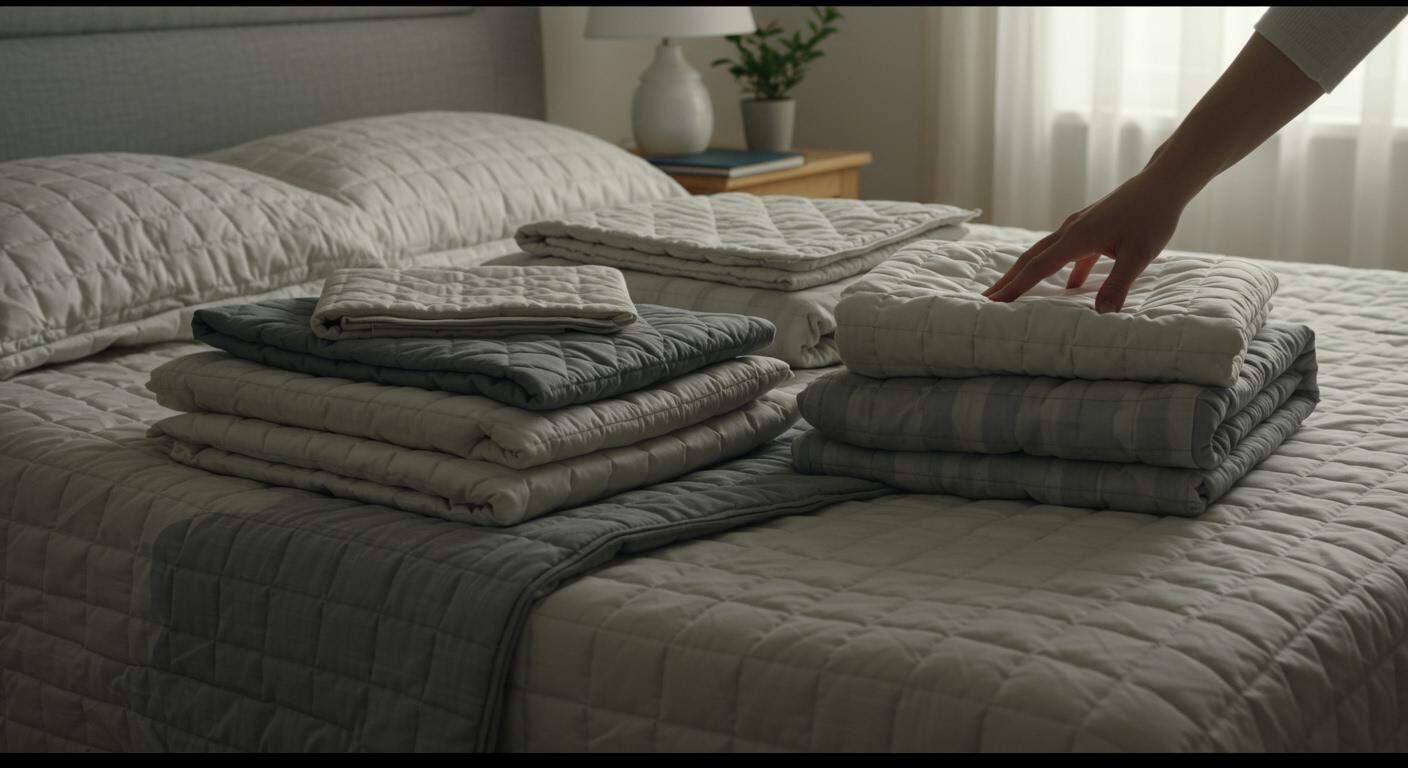
When you pick quilted bedding fabric, comfort, durability, and easy care matter most. Imagine getting bedding for a guest room or your child’s space—you want everyone to enjoy a comfortable and restful sleep. Allergies and climate play a big part in your decision. Dust mites love warm, humid rooms, so the right bedding fabric helps keep your home healthy. If you focus on choosing the right fabric, you’ll match your needs and style every time.
Tip: Always think about how the fabric will feel and perform in your home before making a choice.
Points clés à retenir
Pick quilted bedding fabric for comfort, strength, and easy cleaning. Cotton is a great pick because it feels soft and lets air through.
Think about the weather when you pick fabric. Use light fabric like cotton in summer. Choose warmer fabric like flannel in winter.
If you have allergies, pick cotton or bamboo fabric. These let air move and help stop dust mites.
Use different textures and colors to make your bed look nice. Adding layers makes your bed feel cozy and look interesting.
Always wash your fabric before you sew it. This stops shrinking and color mixing. It helps your quilt stay bright and new.
Types of Quilted Bedding Fabric
When you shop for quilted bedding, you see many fabric choices. Each one feels different and brings its own style to your room. Let’s look at the most common types you’ll find in stores:
Coton
Batik
Flanelle
Blends
Coton
Cotton stands out as the most popular fabric for quilted bedding. You get a soft, breathable material that works in every season. Cotton comes in many prints and colors, so you can match any style. It feels cool in summer and cozy in winter. You can wash cotton often, and it keeps its quality over time. If you want a fabric that drapes well and feels gentle on your skin, cotton is a top pick. Many people choose cotton for its comfort and lasting quality.
Batik
Batik brings a unique look to your bedding. Makers hand-dye batik, so each piece has vibrant colors and swirling patterns. The fabric often has a higher thread count, which means it feels smooth and strong. Batik cotton gives your quilt an artistic touch and stands out in any room. If you want bedding with cultural meaning and bold style, batik is a great choice.
Flanelle
Flannel gives you extra warmth and a fuzzy, soft feel. This cotton fabric is thicker than regular cotton, making it perfect for cold nights. Flannel bedding feels cozy and inviting. You might pick flannel for a child’s bed or a winter guest room. It holds up well to washing and keeps its quality, even with lots of use.
Minky
Minky feels plush and ultrasoft. You often see it in baby quilts or as a quilt backing. The raised dots on minky add fun texture and make it extra snuggly. Minky keeps you warm, so it works well for winter bedding. If you want a soft, comforting touch, minky is a smart pick.
Blends
Blends mix cotton with other fibers like polyester or viscose. These fabrics combine the best features of each material. You get the breathability of cotton and the strength of polyester. Blends resist wrinkles and dry quickly. They offer good quality at a lower price. If you want easy care and lasting quality, blends are worth a look.
Tip: Think about the drape and weight of each fabric. Lightweight cotton drapes nicely, while minky adds softness and warmth. Choose the fabric that matches your needs and the quality you want for your home.
Texture et apparence | Ideal Uses | |
|---|---|---|
Coton | Versatile, durable, breathable, many prints | Patchwork, all seasons |
Flanelle | Soft, fuzzy, thicker, warm | Bed quilts, baby blankets |
Batik | Hand-dyed, vibrant, smooth | Artistic quilts, statement pieces |
Minky | Plush, ultrasoft, textured | Baby quilts, quilt backing |
Blends | Smooth, strong, easy-care | Everyday bedding, high-use rooms |
Quilt Fabric Pros & Cons
Confort
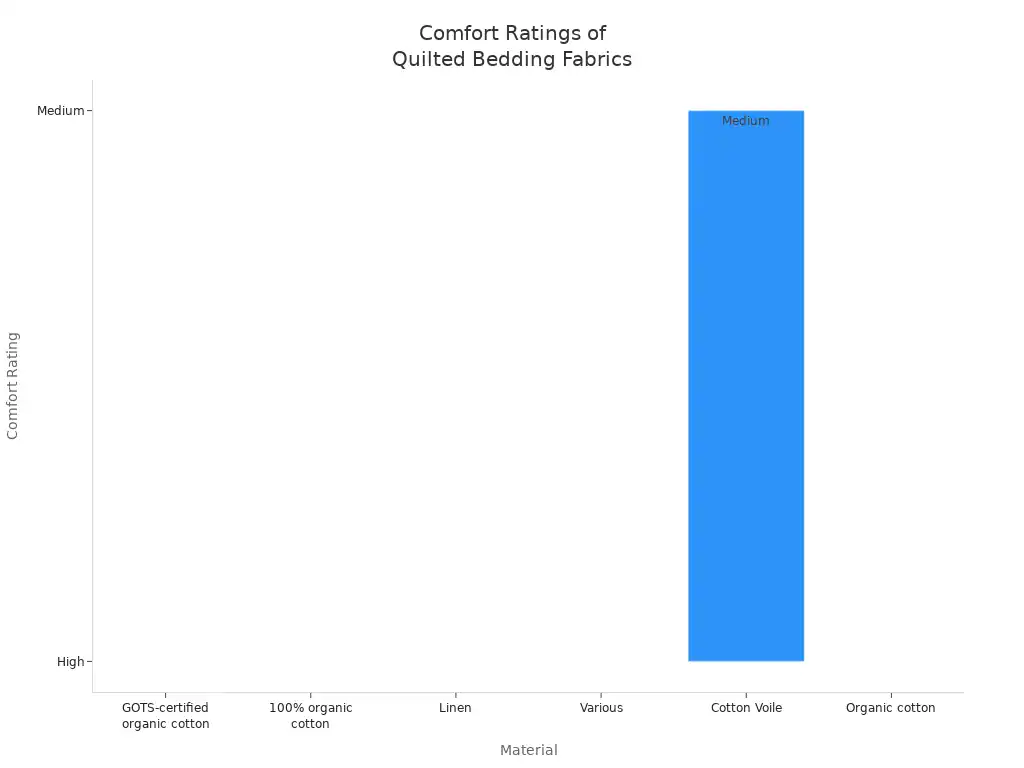
Comfort is very important when you choose quilt fabric. You want bedding that feels soft every night. Cotton is popular because it breathes and feels gentle. Many people like cotton since it works all year. It feels nice on your skin. Batik and linen also feel cool and smooth. Minky is very soft and great for snuggling. Kids and people who get cold love minky. Flannel is warm and has a fuzzy feel. People use flannel in winter because it is cozy. Here is a table showing comfort ratings for popular quilted bedding:
Quilt Name | Matériau | Comfort Rating | Caractéristiques principales |
|---|---|---|---|
Saatva Organic Cotton Channel Quilt | GOTS-certified organic cotton | Haut | Breathable, lightweight, stylish design |
Quince 100% Organic Cotton Quilt | 100% organic cotton | Haut | Soft, eco-friendly, good value |
Brooklinen Linen Quilt | Lin | Haut | Breathable, ideal for all seasons |
The Company Store Company Cotton Voile Quilt | Cotton Voile | Moyen | Lightweight, good for layering |
Parachute Organic Cotton Puff Comforter | Organic cotton | Haut | Warmest option, suitable for colder climates |
Tip: If you have allergies, pick cotton or linen. These fabrics let air move and help keep dust mites away.
Durabilité
Durability means how long your bedding will last. Cotton is strong and good for daily use. Batik has a tight weave and lasts even longer. You can wash batik often and it stays nice. Flannel is soft but can get fuzzy balls if washed a lot. Minky stays soft but may wear out in busy spots. Blends mix strong and easy-care features. For kids’ rooms or busy places, cotton and blends are smart picks.
Batik: Tight weave makes it extra tough.
Flannel: Warm but may get fuzzy with lots of washing.
Minky: Very soft, but not as tough for heavy use.
Blends: Durable and easy to care for.
Soins
It is best to pick quilt fabric that is facile à nettoyer. Cotton and blends can go in the washing machine. Always look for loose threads before you wash. Use cold water and gentle soap. Hand wash old or special quilts. Flannel and minky need gentle care to stay soft. Dry them on low heat and finish by air drying. Taking care of your bedding keeps it fresh and helps it last.
Frequency | But | |
|---|---|---|
Shake the comforter | Weekly | Move fillings and check for problems |
Air the comforter | Monthly | Stop moisture and keep it fresh |
Deep clean | Seasonally | Get rid of dirt and allergens before storing |
Check fillings and fabric | Annually | Make sure it stays good and lasts |
Coût
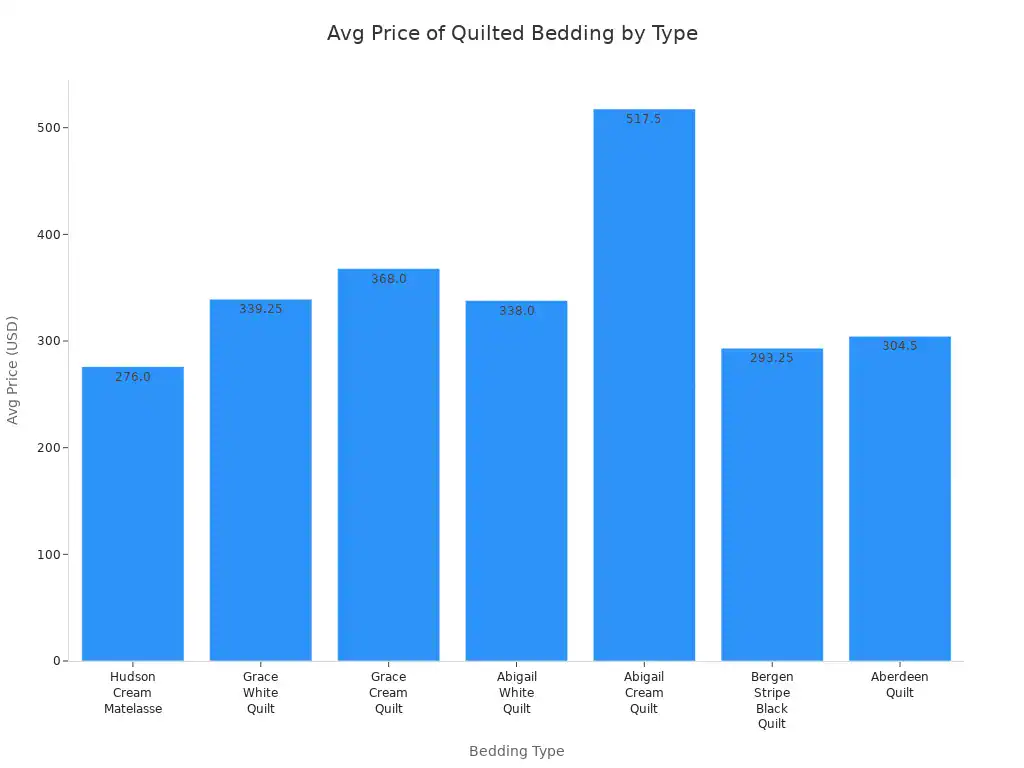
Le price of quilt fabric can be very different. Cotton and blends usually cost less and work well every day. Special fabrics like batik or minky cost more because they look or feel special. Here is a table showing price ranges for quilted bedding:
Taper | Gamme de prix |
|---|---|
Cotton Velvet Sham | $99.00 – $110.00 |
Cotton Velvet Coverlet | $475.00 – $635.00 |
Misha Azalea Quilt | $455.00 – $630.00 |
Vivaan Sand Quilt | $395.00 – $515.00 |
Camilla Pique Coverlet | $248.00 – $324.00 |
Note: If you want bedding that lasts, cotton or blends are a good buy. They are worth the money over time.
Key Factors to Consider
Function & Purpose
Think about how you will use your quilted bedding. If you want a quilt just for looks, pick soft and delicate fabric. For daily use, you need strong fabric that lasts. Choose bedding that can handle lots of washing and keeps its shape. Always wash your fabric before you sew to stop shrinking and keep it looking nice. Your style matters too. Pick colors and prints that show who you are. When your bedding matches your room, it feels warm and welcoming.
Here’s a quick table to help you match your quilted bedding fabric to its purpose:
Facteur | Description |
|---|---|
Intended Use | Quilts for decoration may use delicate fabrics, while those for everyday use should be durable. |
Entretien des textiles | Different care requirements can lead to issues like shrinkage; pre-wash can help mitigate this. |
Personal Style | Choosing fabrics that reflect your aesthetic ensures the quilt represents your unique personality. |
Cohesiveness in Design | Maintaining unity through color schemes or themes ties the quilt together visually and conceptually. |
Tip: Wash your fabric before sewing. This stops shrinking and color bleeding. It also keeps your quilt soft and new.
Climate & Season
The weather and season change what bedding you need. If you live somewhere hot or want summer bedding, pick light fabric that lets air move. Cotton, linen, and bamboo rayon are good choices. These fabrics help you stay cool. If you get hot at night, use linen sheets, a cool mattress pad, and a light quilt. This keeps you comfy and cool. In winter, you want bedding that feels warm and cozy. Flannel, brushed cotton, and thick linen are best for cold weather. For spring and fall, use medium-weight blends.
Here’s a table showing which fabrics work best for each season:
Season | Preferred Fabrics |
|---|---|
Spring/Summer | Percale cotton, linen, bamboo, Tencel lyocell |
Fall/Winter | Flannel, brushed cotton, heavyweight linen, sateen |
Transitional | Medium-weight cotton sateen, hybrid blends |
In summer, pick bedding that is soft and lets air flow.
In winter, choose bedding that is warm and soft to touch.
Always wash your fabric first to keep it soft and airy.
Allergies
If you have allergies, be careful with your bedding fabric. Bamboo fabric is a safe pick because it does not cause allergies and keeps dust mites away. It also stops germs and allergens from growing. Cotton and linen are good for people with allergies too. They let air move and keep dust mites away. Wash your bedding fabric before using it to get rid of dust and chemicals.
Cotton and linen are soft and good for sensitive skin.
Wash all bedding fabric first to lower allergens.
Note: Cotton bedding is great for people with allergies. It is soft, lets air move, and is easy to clean.
Color & Pattern
Color and pattern can change how your room looks. Pick bedding fabric that matches your style and makes your room feel nice. Mixing different prints and textures makes your bedding look interesting. For example, you can put smooth satin with a chunky knit blanket or add velvet pillows to cotton sheets. This mix makes your bed fun to touch and look at. Using different materials and weights also helps your bedding stay soft and airy.
Here’s a table to show how mixing prints and textures improves your bedding:
Aspect | Description |
|---|---|
Depth and Visual Interest | Mixing different textures and fabrics creates depth and visual interest in bedding arrangements. |
Layering Techniques | Combining various textures and colors enhances the overall aesthetic of the bedding. |
Pattern Incorporation | Mixing and matching patterns while maintaining a cohesive color palette adds to visual appeal. |
Mix smooth and rough fabrics for a cool look.
Layer different textures to make your bed soft and deep.
Use pillows with different fabrics for more comfort.
Wash new fabrics first to keep colors bright and soft.
Astuce : Do not use thin satin weave or cheap fabric. These do not last and are hard to sew. Quilter’s cotton is strong and easy to care for.
Quilted Bedding Fabric Selection Checklist
Choosing the right quilted bedding fabric can feel overwhelming. You want comfort, durability, and style, but you also need to think about care and allergies. This checklist helps you break down the process into simple steps. You’ll feel confident every time you shop for new bedding.
Assess Needs
Start by thinking about what you want from your bedding. Ask yourself a few questions:
Where will you use the quilt? Guest room, child’s room, or your own bed?
Do you want something soft and cozy or more formal and durable?
What season is it? Do you need warmth for winter or something light for summer?
Do you have allergies? Cotton and linen work well for sensitive skin.
How much care do you want to put in? Polyester and cotton are easy to wash.
Here’s a quick checklist to help you assess your needs:
Decide on the main function of your quilted bedding fabric.
Choose thicker textures for formal spaces. Pick soft, plush fabrics for comfort.
Select fabrics based on the season. Use flannel or minky for cold months. Try cotton or polyester for warmer weather.
If you want easy care, look for polyester blends. These resist wrinkles and dry fast.
Toujours pre-wash your fabrics before you start. This step removes loose dye and prevents shrinking.
Tip: It’s recommended to pre-wash all bedding fabrics. This keeps colors bright and helps your quilt last longer.
Match Priorities
Now, match your needs to the right fabric features. Use this table to compare what matters most to you:
Critères | Description |
|---|---|
Cotton, linen, wool, and polyester each offer unique benefits. Polyester is strong, easy to clean, and budget-friendly. | |
Maintenance | Cotton and polyester are machine-washable. Wool needs less washing but special care. |
Aesthetics | Pick colors and patterns that fit your room. Polyester prints stay bright after many washes. |
Functionality | Cotton percale cools you down. Wool warms you up. Polyester blends work for all seasons. |
If you want bedding that lasts, polyester is a smart choice. It resists fading and shrinking. You can mix polyester with cotton for extra strength and softness. Polyester blends also keep your quilt looking new after many washes.
Note: Try fabric samples before you buy. Touch and feel the fabric. See how it drapes and washes. Curated collections make selecting bedding fabric easier and help you find colors and textures that work together.
Final Choice
You’re almost done! Follow these steps to make your final decision:
Pre-wash your fabrics to prevent shrinkage and color bleeding.
Check the weight and thickness. Medium-weight cotton or polyester works for most quilts.
Look at the color and pattern scale. Make sure it matches your design.
Starch your fabric after washing. This makes cutting and sewing easier.
Use swatches or small samples to test feel, drape, and washability.
Consider curated fabric bundles. These collections save time and guarantee a harmonious look.
Add a few contrasting fabrics for variety. Polyester prints mix well with cotton and other fibers.
🛏️ Step-by-step checklists make selecting bedding fabric simple. You’ll feel less stressed and more confident about your choices.
If you want a quilt that’s easy to care for, choose polyester or a polyester blend. You’ll spend less time on laundry and more time enjoying your cozy bed. Polyester keeps its shape, resists wrinkles, and stays soft wash after wash. When you mix polyester with cotton, you get the best of both worlds—comfort and durability.
Tip: Curated collections and fabric samples help you see how everything fits together. You can try different textures and colors before you commit.
You want bedding that helps you sleep well every night. First, think about how you use your quilt. What makes you feel comfortable at night? Look at this table to see which fabric fits your needs and style:
Type de tissu | Functionality | Personal Style |
|---|---|---|
Quilting Cotton | Good for any design | Lots of colors and patterns |
Batik | Bright and special | Artistic and stands out |
Flanelle | Soft, warm, and cozy | Makes your bed snuggly |
Linen/Muslin | Light and lets air flow | Soft and comfy to touch |
Minky/Fleece | Very soft and warm | Great for cuddly quilts |
Canvas/Denim | Strong for heavy use | Tough and useful |
Try putting fabric samples on your bed to see what feels best. Curated collections help you mix prints and textures for comfort. Picking the right fabric helps you sleep better every night. Ready to try? Choose your favorite and get ready for sweet dreams!
FAQ
What makes quilting cotton a good fabric for bedding?
You get soft texture and easy care with quilting cotton. This fabric breathes well and feels gentle on your skin. You can find many colors and prints, so it fits any style.
How do I know which fabric is best for my climate?
If you live in a warm place, pick lightweight quilting cotton. For cold weather, try flannel or minky. You can layer fabrics to stay comfortable all year.
Can I use blends for quilting projects?
Yes, you can use blends for quilting. These fabrics mix cotton with polyester or other fibers. Blends resist wrinkles and last longer. You get easy care and good durability.
What is the ideal choice for any quilter who wants easy care?
Quilting cotton is the ideal choice for any quilter. You can wash it often, and it keeps its shape. This fabric works for beginners and experts. You get comfort and style without extra effort.
How do I keep my quilted bedding looking new?
Wash your bedding in cold water and use gentle soap. Air dry or use low heat. Shake and air your quilt monthly. You keep colors bright and fabric soft with regular care.
Voir aussi
Choisir entre des draps en microfibre et en polyester pour le confort
Comparaison de l'impression par panneau et de l'impression numérique pour les tissus de literie
 French
 English
 Arabic
 Spanish
 Italian
 Portuguese
 Vietnamese