
What Are the Different Types of Polyester Fabric?
There is no single fixed number of different types of polyester fabric, because polyester can be sorted several different ways at the same time — by polymer, by raw-material source, by yarn form, by weave or knit construction, and by finishing method. One roll of fabric usually belongs to more than one category at once. A printed polyester bedding fabric, for example, can be woven, spun from PET filament yarn, brushed for hand feel, and then printed — all in the same piece. This guide works through that classification layer by layer, lists the polyester fabric names buyers run into most often, and finishes with how to turn "polyester fabric" into an actual sourcing specification for clothing, bedding, or home textile production.

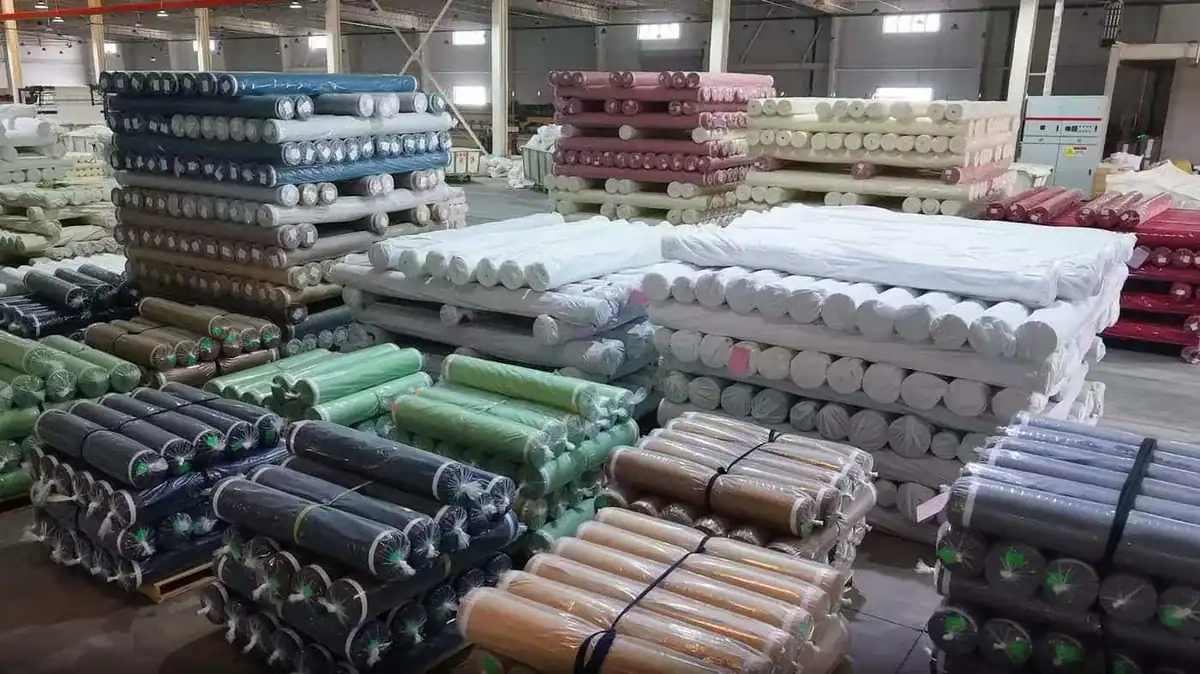
A Quick Classification of Polyester Fabric Types
Before getting into individual fabric names, it helps to separate what each term is actually describing. Polymer, yarn, construction and finishing are different layers, and mixing them together is where most confusion about "types of polyester" comes from.
| Classification basis | Common terms | What the term actually describes | Typical application |
|---|---|---|---|
| Polymer / raw material | PET polyester, PCDT polyester, recycled polyester | The chemical makeup or origin of the base fiber | Fiber sourcing, sustainability claims |
| Yarn form | Filament yarn, spun yarn | How continuous filaments are processed into usable yarn | Fabric hand feel, surface texture, cost |
| Fiber fineness | Polyester microfibre | How fine the individual filaments are, not a separate polymer | Soft-hand bedding, apparel lining, cleaning cloths |
| Construction | Woven polyester, knitted polyester | How yarns are interlaced (loom) or looped (knitting machine) into fabric | Stability and drape vs. stretch and elasticity |
| Weave pattern | Plain, twill, jacquard | The pattern the loom produces on a woven base | Surface pattern, drape, unit cost |
| Finishing / surface treatment | Brushed, peach skin, dyed, printed, embossed, quilted or ultrasonic-bonded | Processing applied after the greige fabric is woven | Hand feel, appearance, layering for quilts and comforters |
| Fiber blend | Polyester blends | Polyester combined with cotton, viscose, or other fibers in the yarn or weave | Balancing cost, feel and performance |
Types of Polyester by Polymer and Raw Material
PET polyester is the polymer behind almost all polyester textiles on the market, including bedding fabric, apparel fabric and most home textiles. When a supplier says "100% polyester," this is what they usually mean unless stated otherwise.
PCDT polyester is a less common polyester variant, generally associated with more elastic, bulkier applications such as upholstery and some knitwear rather than bedding fabric. It is worth knowing the name exists, but it is not a material Perfectextile uses for bedding fabric production.
Recycled polyester describes where the raw material comes from — typically recycled PET bottles or post-industrial polyester waste — not a fixed fabric structure. Recycled polyester can be spun into filament or staple yarn and then woven, knitted, dyed, printed or brushed the same way virgin polyester can. Buyers who need recycled content should confirm the certification (such as GRS) and the percentage of recycled fiber in the yarn, since "recycled" on its own does not specify a construction.
Polyester blends mix polyester with cotton, viscose or other fibers at the yarn or fabric stage. A blend is a fiber combination, not a polyester type by itself — the blend ratio, and which fiber sits on the fabric face, will affect hand feel, shrinkage and dye behavior more than the word "polyester" does.
Types of Polyester by Yarn Form
Filament polyester yarn is made from continuous, unbroken polyester strands. Fabric woven or knitted from filament yarn tends to have a smoother, slightly more lustrous surface and a cleaner drape, which is why it shows up often in linings and finer bedding fabrics.
Spun polyester yarn is made by cutting filaments into shorter staple lengths and spinning them together, closer to how cotton yarn is made. Spun yarn generally produces a softer, more matte, cotton-like hand feel, and is common in casual apparel fabric and some home textile constructions.
Neither form is "better" in general — the right one depends on the hand feel and appearance a buyer is targeting for a specific end product.
Woven and Knitted Polyester Fabrics
Woven polyester fabric is produced on a loom, with yarns interlaced at right angles. Woven construction gives more dimensional stability and a flatter surface, which is why most bedding fabric — sheeting, duvet cover fabric, pillowcase fabric — is woven rather than knitted. Perfectextile's production process is built around water-jet weaving for this reason.
Knitted polyester fabric is formed by interlocking loops rather than crossing yarns, which gives it natural stretch and a softer drape. Knitted polyester shows up more in apparel — activewear, T-shirts, some linings — than in structured bedding fabric.
Buyers sourcing bedding or home textile fabric should confirm construction directly, since "polyester fabric" alone does not tell you whether the roll is woven or knitted.
Common Polyester Fabric Names and Surface Finishes
Most of the fabric names people search for — brushed, peach skin, dyed, printed, embossed, jacquard, quilted — are not separate polymers. They describe what happens to a woven polyester base after it comes off the loom.
Microfiber polyester fabric
Microfiber describes fiber fineness, measured in denier, rather than a fabric type that sits next to "polyester." A microfiber polyester fabric is simply woven or knitted from very fine polyester filaments, which is what gives it a soft, dense hand feel. This is the base most of Perfectextile's bedding fabric range starts from before any surface finish is applied.
Brushed and peach skin polyester fabric
Brushing runs the woven fabric surface against fine abrasive rollers before dyeing or printing, raising short fibers to create a soft, napped hand. Peach skin fabric is a lighter, more controlled version of the same brushing process, giving a fine, suede-like texture rather than a heavier brushed pile. Perfectextile's tissu peau de pêche runs at 220–280 cm width and 80–125 gsm, available in plain or twill construction depending on the gsm and hand feel required.
Dyed polyester fabric
Dyed fabric is greige (unfinished) polyester fabric processed through solid-color dyeing rather than printing. Colorfastness, shade consistency across lots, and dyeing method (disperse dyeing is standard for polyester) are the details that matter most for repeat orders. See Perfectextile's dyed microfiber fabric range for GSM and width options.
Printed polyester fabric
Printing applies a pattern to the fabric surface rather than dyeing it a solid color. Common printing methods include pigment printing, nano printing, disperse printing and digital printing, each with different cost, wash-fastness and minimum order characteristics. Perfectextile's printed microfiber fabric is produced at 220–280 cm width and 65–135 gsm across these four printing options.
Embossed polyester fabric
Embossing presses a raised or textured pattern into the fabric surface using heated rollers, typically after dyeing. It changes the surface texture and visual depth without changing the fiber or weave underneath. See embossed microfiber fabric for pattern and texture options.
Jacquard polyester fabric
Jacquard is a woven-in pattern, created on a jacquard loom rather than applied afterward like printing or embossing. Because the pattern is part of the weave structure, it reads the same on both sides to varying degrees and tends to hold up differently than a surface print over repeated washing. Perfectextile's jacquard microfiber fabric is available at 240, 250 or 260 cm width and 90–125 gsm, with stripe widths (1 cm, 2 cm, 3 cm) and geometric patterns as common options.
Quilted and ultrasonic-bonded polyester fabric
Quilting stitches together face fabric, filling and backing into a layered structure, usually for comforters and mattress pads. Ultrasonic bonding achieves a similar layered, patterned result using heat and pressure instead of stitching. See ultrasonic & quilted fabric for construction details.
Fleece polyester fabric
Fleece is a knitted or brushed polyester fabric built for warmth and a soft pile, most often seen in outerwear, blankets and loungewear. It is worth naming in a classification guide, but it sits outside Perfectextile's current bedding fabric production focus.

Polyester Fabric Types for Clothing
Names like chiffon, satin, taffeta, mesh and fleece describe a fabric's weave or surface, not a fixed fiber content. A "polyester satin" and a "polyester chiffon" can both be 100% polyester, but built on completely different constructions — and the same fabric name can also show up made from silk, nylon or a blend depending on the supplier. This means a product name alone is not enough to confirm fiber content or performance; the fiber content label and construction need to be checked directly.
Different types of polyester fabric for clothing generally fall into the same layers covered above: filament or spun yarn, woven or knitted, then a finishing step such as brushing, printing or a chemical soft finish. Perfectextile's own production is focused on bedding and home textile fabric rather than garment fabric, but the same classification logic applies whether the end use is a shirt or a bedsheet.
Polyester Fabric Types for Bedding and Home Textiles
For bedding fabric, buyers usually work backward from an end product — a sheet set, a duvet cover, a comforter — rather than starting from the word "polyester." In practice, that means choosing among a small set of finish types on a woven microfiber base:
- Dyed microfiber fabric for solid-color sheeting and duvet cover fabric
- Printed microfiber fabric for patterned sheet sets and kids' bedding lines
- Peach skin fabric where a softer, brushed hand feel is the selling point
- Embossed microfiber fabric for added texture on solid-color or lightly patterned bedding
- Jacquard microfiber fabric for woven-in stripe and geometric patterns on higher-tier bedding
- Ultrasonic & quilted fabric for comforter shells and mattress pad fabric
Perfectextile organizes production around these six categories; the bedding fabric manufacturer overview covers how they fit together for buyers sourcing across multiple SKUs.
How B2B Buyers Should Compare Polyester Fabrics
"Polyester fabric" describes the raw material, not a complete purchasing specification. Two rolls both labeled "polyester" can behave completely differently in production and on shelf. Before comparing suppliers or quotes, it helps to have answers to the following:
- Fiber composition (100% polyester, or a blend, and in what ratio)
- Filament or spun yarn
- Woven or knitted construction
- Weave type—plain, twill or jacquard
- GSM (fabric weight)
- Finished width
- Brushing or peach finish, if any
- Printing or dyeing method
- Colorfastness requirements
- Shrinkage requirements
- End-use requirement (bedding, apparel, upholstery, etc.)
- Sample approval process and bulk-production consistency
Hand feel, sheen and drape are useful for comparing physical samples side by side, but they are not proof of fiber content on their own—actual performance is shaped by yarn, weave density, GSM, dyeing and finishing together, not by the word "polyester" by itself.
A workable inquiry specification usually reads something like this:
100% polyester microfiber, woven plain construction, brushed finish, 105 gsm, 240 cm finished width, solid dyed, colorfastness requirement to be confirmed by buyer.
This is a format example, not a fixed specification—each order's actual GSM, width, construction and finish should be set based on the specific end product.
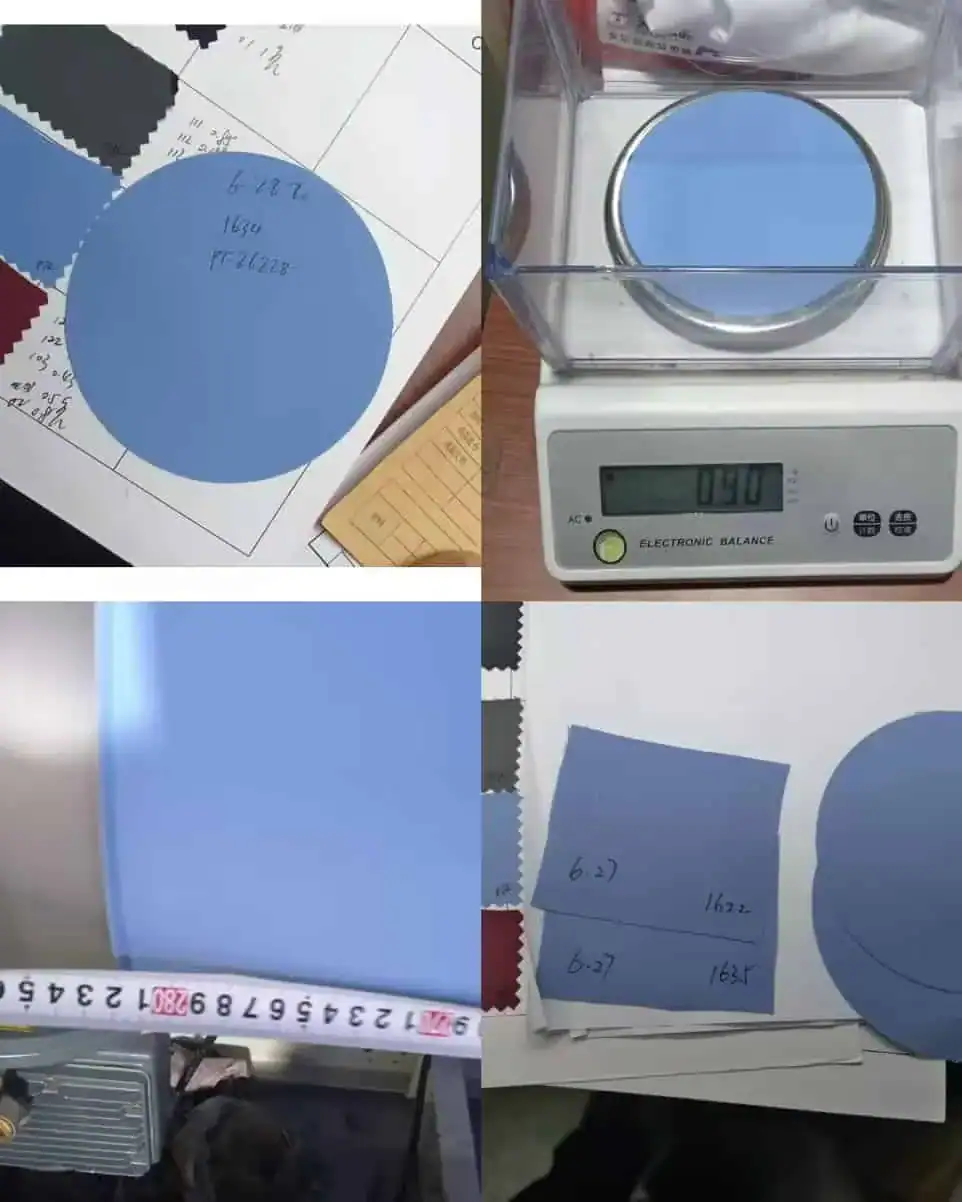
Which Polyester Fabric Type Fits Your Application?
| End use | Typical fabric types to consider |
|---|---|
| Solid-color bed sheets and duvet covers | Dyed microfiber fabric, plain or twill weave |
| Patterned sheet sets, kids' bedding | Printed microfiber fabric |
| Soft-hand bedding lines | Peach skin fabric |
| Textured solid or light-pattern bedding | Embossed microfiber fabric |
| Higher-tier bedding with woven-in patterns | Jacquard microfiber fabric |
| Comforter shells, mattress pads | Ultrasonic & quilted fabric |
| Casual apparel, linings | Spun or filament woven/knitted polyester |
| Activewear, stretch garments | Knitted polyester, sometimes blended |
Foire Aux Questions
How many types of polyester fabric are there?
There is no single fixed count, because polyester can be classified by polymer, raw-material source, yarn form, construction and finishing method at the same time, and one fabric usually fits more than one category.
What is the most common type of polyester?
PET polyester is by far the most common polymer used in textiles, including bedding, apparel and home textile fabric.
Is microfiber a type of polyester fabric?
Microfiber describes fiber fineness, not a separate polymer. Microfiber polyester fabric is polyester woven or knitted from very fine filaments, which gives it a soft, dense hand feel.
What are common polyester fabric names?
Names buyers commonly see include dyed, printed, brushed, peach skin, embossed, jacquard, quilted, fleece, chiffon, satin and taffeta polyester—most describe a finish, weave or surface effect rather than a different fiber.
Which polyester fabrics are used for clothing?
Apparel commonly uses knitted or woven polyester finished as chiffon, satin, taffeta, mesh or fleece, built from either filament or spun yarn depending on the desired hand feel.
Which polyester fabrics are used for bedding?
Bedding fabric is typically woven microfiber polyester finished as dyed, printed, peach skin, embossed, jacquard, or quilted/ultrasonic-bonded fabric, depending on the product.
Is recycled polyester a separate fabric construction?
No. Recycled polyester describes where the raw material comes from, not a fixed weave or finish—it can still be woven or knitted, dyed, printed or brushed like virgin polyester.
How should buyers specify polyester fabric for bulk orders?
State fiber composition, yarn form, construction, weave type, GSM, finished width, finish (brushed, dyed, printed, etc.), and colorfastness or shrinkage requirements—"polyester fabric" alone is not a complete specification.
Related Perfectextile Fabric Options
Send us the GSM, finished width, construction, finish, color or printing method and end use you're working with, and we'll review whether it's a fit for bedding fabric sampling.
Or reach out directly via our contact page French
 English
 Arabic
 Spanish
 Italian
 Portuguese
 Vietnamese