
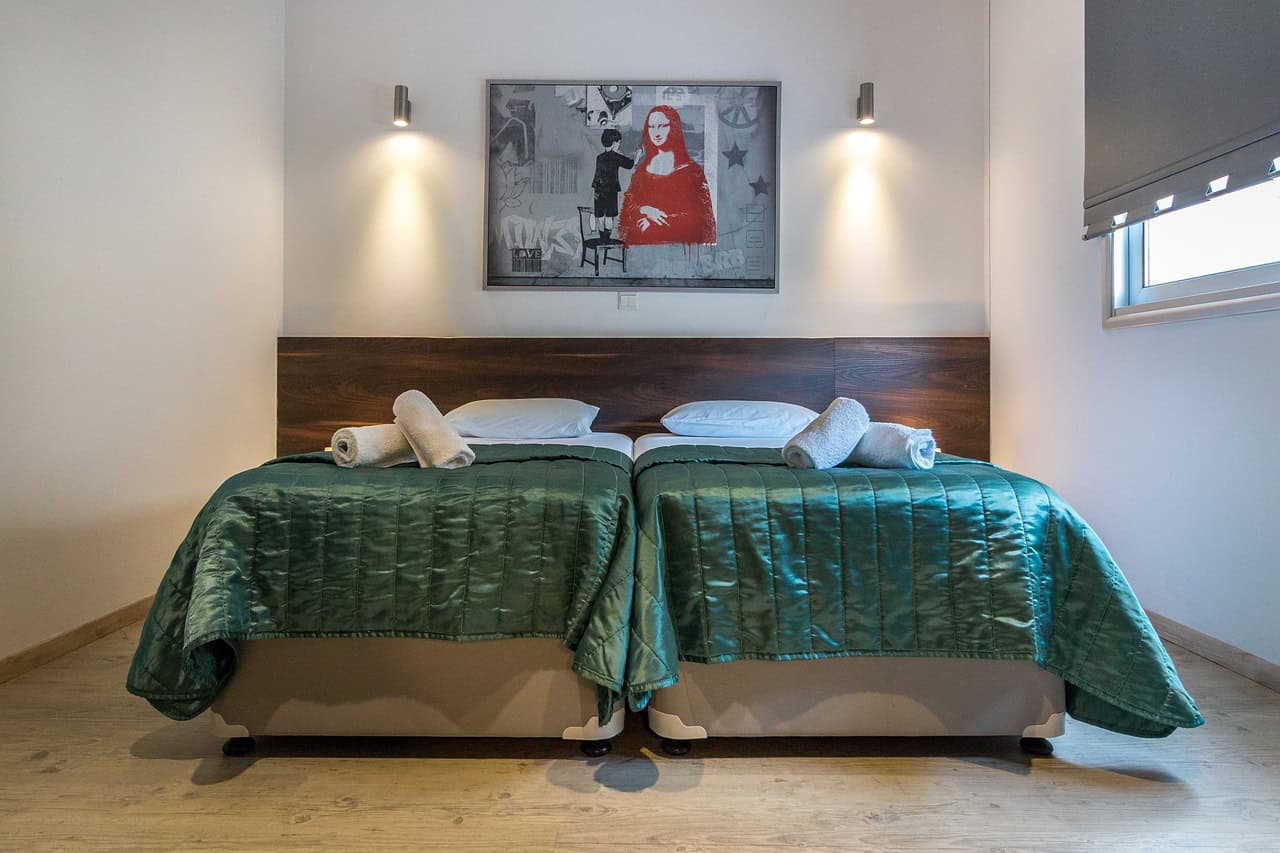
Homtextile fabrics are materials you use every day in your home to make life more comfortable and to show your personal style. These fabrics serve both practical purposes and help decorate your space. You see them in items like bed linens, curtains, and towels. They create warmth, add color, and give each room its own personality.
The global home textile market was valued at USD 135.50 billion in 2024.
It is expected to grow to USD 209.53 billion by 2032.
The market grows at a rate of 5.6% each year because people want more comfort, style, and sustainable options.
With homtextile fabrics, you can change the look and feel of any room while making it more comfortable and functional.
Points clés à retenir
Home textile fabrics enhance comfort and style in your home. They are found in items like bed linens, curtains, and towels.
Choosing the right fabric matters. Look for features like durability, cleanability, and aesthetic appeal to match your needs.
Different fabrics serve unique purposes. For example, cotton is soft and breathable, while polyester is strong and wrinkle-resistant.
You can personalize your space with colors and patterns. Textiles help create the mood and reflect your personal style.
Regular care extends the life of your fabrics. Wash them often and follow care instructions to keep them looking new.
Homtextile Fabrics
What They Are
Homtextile fabrics are the materials you find in almost every room of your home. You use them for both practical and decorative reasons. These fabrics help you create a comfortable space and show off your personal style. When you choose curtains, bed linens, or towels, you are picking homtextile fabrics that shape the mood and look of your rooms.
You see homtextile fabrics in many forms. Bed linens, such as sheets and pillowcases, are the most common products and hold the largest share of the market. Curtains and drapes give you privacy and control the amount of light in your home. Towels keep you dry and add a touch of color to your bathroom. Rugs and carpets define spaces and make floors feel soft under your feet.
You can find homtextile fabrics made from many different materials. Here are some of the most popular:
Cotton: Breathable and comfortable, often used in bedding and upholstery.
Jute: A natural fiber, great for floor coverings and decorative items.
Nylon: Lightweight and durable, common in bedding and bathroom textiles.
Rayon: Soft and breathable, used in bedding and upholstery.
Silk: Smooth and luxurious, mostly found in bedding.
Wool: Warm and resilient, perfect for upholstery and rugs.
Cotton is the most preferred material, making up about 40% of the market. Polyester is also popular because it is affordable and lasts a long time. The Asia Pacific region leads the world in the use of homtextile fabrics.
Caractéristiques principales
When you pick homtextile fabrics for your home, you look for certain features that make life easier and more enjoyable. These fabrics do more than just look nice. They serve important roles in your daily routine.
Tip: Choose fabrics that match your needs for comfort, durability, and style. This helps you create a home that feels just right.
Here are some key features you should consider:
Cleanability: Easy-to-wash fabrics help you keep your home fresh and tidy.
Durability: Strong materials last longer, even with daily use.
Aesthetic appeal: Colors, patterns, and textures let you show your style.
The properties of homtextile fabrics, such as comfort, durability, and how they look, decide where you should use them. For example, fabrics that absorb moisture work well in bedrooms and bathrooms. Strong fibers are better for places where you need extra toughness, like living room sofas or rugs.
Homtextile fabrics also play many roles in your home. The table below shows how they help you every day:
Role | Description |
|---|---|
Confort | Soft sheets, plush towels, and cozy blankets make you feel good. |
Aesthetics | Fabrics let you express your style and set the mood in each room. |
Functionality | Blackout curtains block light; stain-resistant covers protect furniture. |
Hygiene | Washable linens and towels keep your home clean. |
Protection | Tablecloths and mattress covers guard against spills and allergens. |
Space Definition | Rugs help you organize and define different areas in open spaces. |
Acoustic Control | Thick drapes and carpets absorb sound and reduce noise. |
You can use homtextile fabrics to personalize your space. Patterns and colors let you show your personality. Textures add balance and interest to every room. With the right choices, you can make your home both beautiful and practical.
Types
Coton
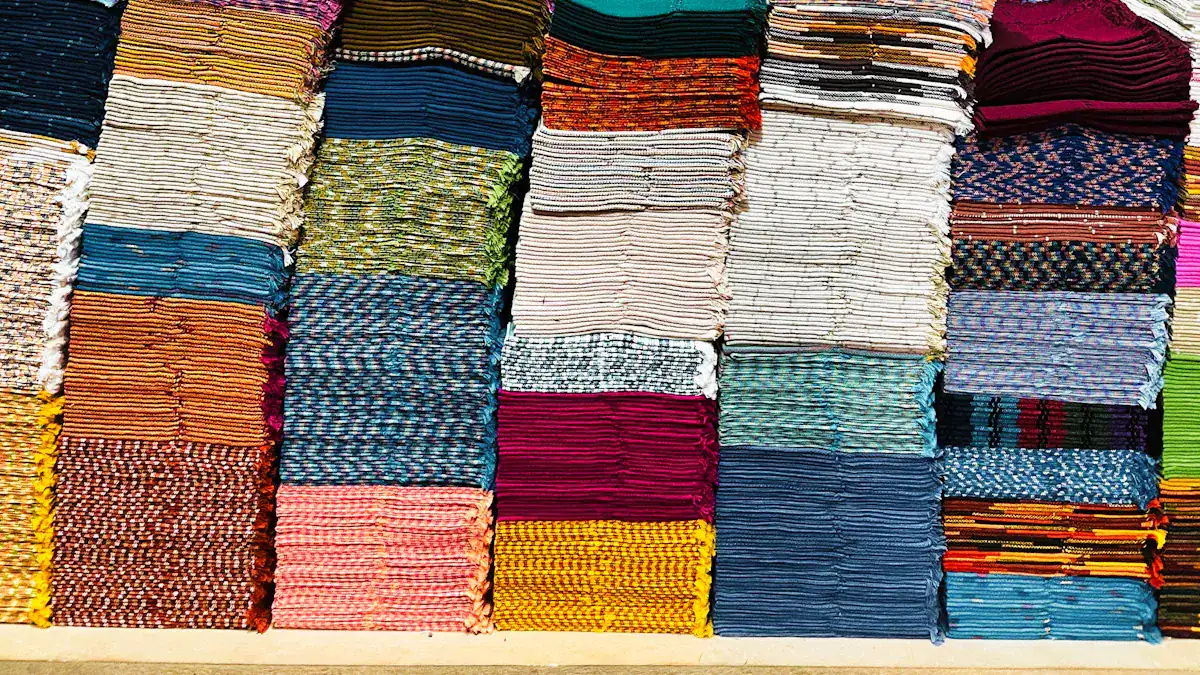
You will find cotton in many homtextile fabrics because it is soft, breathable, and gentle on your skin. Cotton sheets and duvet covers help you sleep comfortably. Cotton towels dry you quickly and last a long time. This fiber has a hollow structure, which lets air move through the fabric. That keeps you cool in summer and warm in winter. Cotton is also hypoallergenic, so it is a safe choice if you have allergies.
Tip: Choose cotton for bedding, towels, and upholstery when you want comfort and easy care.
Lin
Linen stands out for its breathability and strength. You can use linen for sheets, pillowcases, and curtains. It absorbs moisture well and never feels damp. Linen lasts through many washes and gets softer over time. It also resists mold and mildew, making it a smart pick for humid spaces.
Fonctionnalité | Lin | Other Fabrics |
|---|---|---|
Respirabilité | Highly breathable | Varie |
Absorption d'humidité | Absorbs moisture, stays dry | May retain moisture |
Durabilité | Very durable | Often wears out faster |
Mold Resistance | Naturally resistant | Varie |
Aging | Softens with age | May lose quality |
Polyester
Polyester is a popular synthetic fiber in home textiles. You might choose polyester for its strength and low cost. It resists wrinkles and fading, so your curtains and upholstery look fresh longer. Polyester dries quickly and does not absorb much water. However, it does not breathe as well as natural fibers and can feel warm in hot weather.
Advantages:
Wrinkle-resistant and flexible
Durable and strong
Resists sunlight and chemicals
Rentable
Disadvantages:
Less breathable
Can pill over time
Not as easy to dye
Soie
Silk brings a touch of luxury to your home. You can use silk for bedding, curtains, and decorative pillows. It feels smooth and gentle on your skin. Silk is hypoallergenic and helps keep your hair and skin healthy. Its natural sheen adds elegance to any room. Silk works well for both light, sheer curtains and heavier drapes.
Common Uses:
Bedsheets and pillowcases
Curtains and drapes
Decorative cushions
Laine
Wool is a natural fiber known for its warmth and comfort. You can use wool in blankets, rugs, and upholstery. Wool fibers trap air, which helps keep your home warm in winter and cool in summer. Wool also absorbs moisture and helps control humidity. It lasts a long time and can even help reduce dust in your home.
Fonctionnalité | Description |
|---|---|
Isolation | Keeps rooms warm or cool |
Gestion de l'humidité | Absorbs and releases moisture |
Durabilité | Maintains shape and comfort over many years |
Allergy Relief | Traps dust, helps with indoor air quality |
Blends
Blended fabrics combine two or more fibers to give you the best features of each. For example, polyester-cotton blends are soft, strong, and resist wrinkles. Wool-acrylic blends feel warm and light. Blends often cost less and last longer than pure fabrics. You can find blends in bedding, curtains, and upholstery.
Benefits of Blends:
Improved durability and comfort
Lower cost
Unique textures and colors
Special features for different uses
When you choose homtextile fabrics, think about what each type offers. The right fabric can make your home more comfortable, stylish, and easy to care for.
Uses
Literie
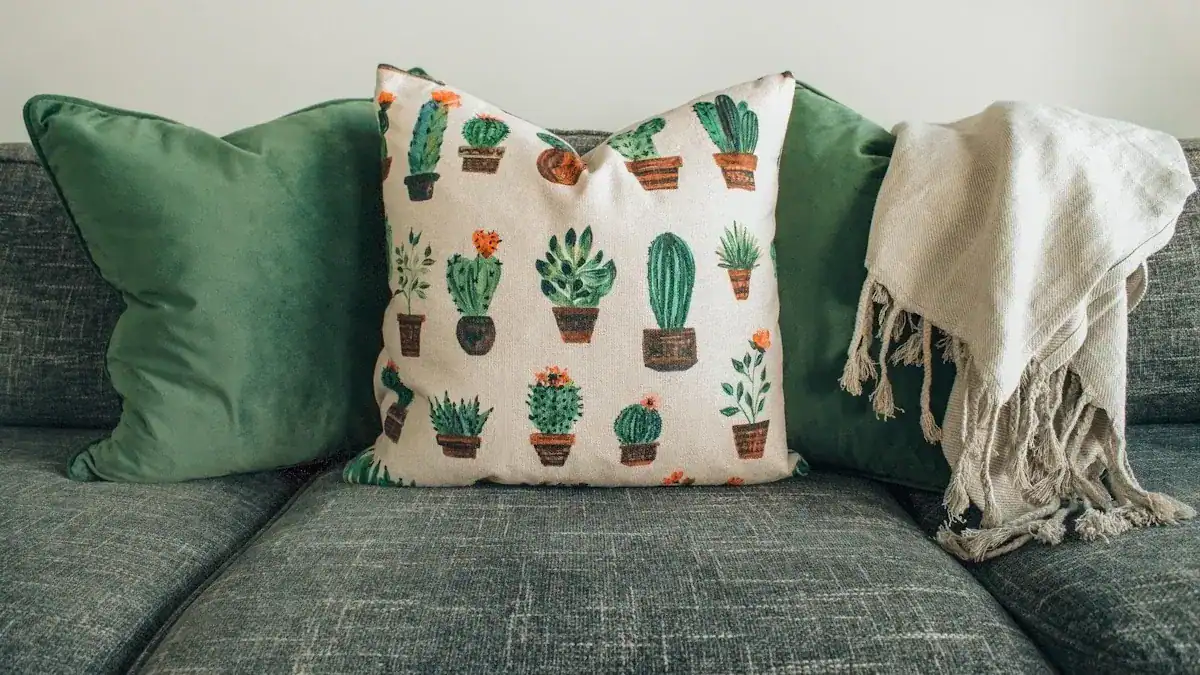
You spend a lot of time in your bedroom, so comfort and cleanliness matter. Bedding made from homtextile fabrics helps you sleep better and keeps your space looking fresh. You can choose from many items to create a cozy bed:
Bed sheets: Cotton, silk, and linen sheets feel soft and help you stay comfortable.
Bed skirts: These hide the box spring and add a decorative touch.
Bedspreads: Larger than blankets, they keep you warm and come in many designs.
Pillows: They support your head and neck, and you can find them in different shapes and materials.
Pillow covers: These protect your pillows from stains and dust.
Throws: Smaller blankets made from wool or cashmere add warmth and style.
Duvets: Filled with feathers or down, duvets are soft and easy to cover.
Comforters: Thick blankets filled with insulating material keep you warm.
You can pick natural fibers like cotton, silk, wool, and linen for softness and breathability. Artificial fibers such as polyester, nylon, and rayon offer durability and easy care.
Tip: Wash your bedding often to keep it clean and extend its life.
Bathroom
Homtextile fabrics in the bathroom help you stay clean and comfortable. Towels, bath mats, and shower curtains all play important roles. You want fabrics that absorb water, dry quickly, and resist mold.
Antimicrobial textiles stop bacteria, mold, and mildew from growing. This keeps your bathroom cleaner and reduces odors.
These fabrics help your towels and mats stay fresh between washes.
You can wash them less often because they stay cleaner longer.
You should look for towels and mats that absorb moisture well, provide warmth, and let air flow. This keeps your bathroom safe and pleasant.
Kitchen
You use many homtextile fabrics in the kitchen every day. These fabrics need to handle spills, stains, and frequent washing. The best choices are strong and easy to clean.
Cotton: Durable and resists fading, perfect for dish towels and aprons.
Canvas: Tightly woven and tough, great for oven mitts and pot holders.
Linen: Crisp and strong, ideal for napkins and tea towels.
Synthetic fabrics: Easy to care for and resist stains.
Leather: Very durable and looks better as it ages, often used for handles or accents.
Note: Choose fabrics that match your cooking habits and cleaning needs.
Living Room
Your living room is where you relax and spend time with family and friends. Homtextile fabrics here set the mood and make the space inviting. You can use different materials to create the look and feel you want.
Fabrics define the style of your living room and affect how it feels.
Plush velvet adds luxury, while cotton is practical for busy spaces.
Textiles bring color and texture, making the room lively or calm.
Choose durable fabrics for sofas and chairs if you have kids or pets.
Use lighter, elegant fabrics for curtains or decorative pillows.
The right fabrics help you balance comfort, style, and function in your living room.
Floor Coverings
Floor coverings protect your floors and add comfort underfoot. You can choose from many materials, each with its own benefits.
Matériau | |
|---|---|
Natural Rubber | Eco-friendly, good grip |
Coton | Soft, absorbent, easy to clean |
Jute | Biodegradable, durable |
Nylon | High durability, stain resistant |
Polypropylene | Water-resistant, easy maintenance |
PVC | Cost-effective, versatile |
Rugs and mats help define spaces, reduce noise, and keep your home safe by preventing slips.
Wall Coverings
Wall coverings made from fabric can change the look and feel of any room. You can use them to add color, texture, and warmth.
Fabrics add depth and soften hard surfaces.
They make rooms feel more comfortable and inviting.
Wall textiles can set a mood, make a space feel larger or cozier, and even absorb sound.
You can use them to show your style and create a unique atmosphere.
Tip: Fabric wall coverings work well in bedrooms, living rooms, and even hallways.
Tapisserie
Upholstery fabrics cover your sofas, chairs, and other furniture. You want materials that look good and last a long time. Think about how much use each piece gets and choose fabrics that fit your needs.
Description | |
|---|---|
10,000–15,000 | Light residential use |
15,000–25,000 | General residential use |
25,000+ | Heavy-duty or commercial use |
Durability: Pick strong fabrics for high-traffic areas.
Stain resistance: Important if you have children or pets.
UV and fade resistance: Needed for furniture near windows.
Maintenance: Choose fabrics that match how much cleaning you want to do.
Breathability: Natural fibers let air flow better.
Eco-friendliness: Look for certified sustainable fabrics.
Note: Always check the cleaning code before buying upholstery fabric.
Table Linens
Table linens protect your table and make meals feel special. You can choose from many fabrics, each with its own strengths.
Type de tissu | Inconvénients | |
|---|---|---|
Lin | Natural, strong, elegant, lasts decades | Creases easily |
Coton | Soft, affordable, easy to wash | Stains easily, less durable |
Blends | Wrinkle-resistant, spill-repellent | Less luxurious, not eco-friendly |
Velvet, Lace, Silk | Dramatic look, rich texture | Expensive, hard to clean |
Linen works best for formal dinners and lasts a long time.
Cotton is great for everyday use and easy to wash.
Blends are good for busy families and casual meals.
Velvet, lace, and silk add drama for special occasions.
You can use homtextile fabrics in every part of your home to improve comfort, protect surfaces, and show your style. The right choices help you create a space that feels just right for you.
Choosing Fabrics
Selecting the right home textile fabrics can make your home more comfortable, stylish, and easy to care for. You want to think about how each fabric will work in your space and how it will hold up over time. Here are some important points to help you choose wisely.
Durabilité
You need strong fabrics for areas that get a lot of use, like living rooms or dining rooms. Durable fabrics last longer and keep their color and shape. When you pick fabrics for high-traffic spots, consider these tips:
Choose fabrics that resist stains and can handle frequent use.
Check care instructions to make sure cleaning is easy.
Pick heavier fabrics for more durability.
Look for eco-friendly options if you care about sustainability.
Make sure the fabric resists fading and stains.
Ask experts for advice if you have special needs.
Tip: Always follow the care label to keep your fabrics looking new.
Confort
Comfort matters most for bedding, pillows, and blankets. Each fabric feels different on your skin. The table below shows how some common fabrics compare:
Type de tissu | Comfort Characteristics | Drawbacks |
|---|---|---|
Coton | Soft, breathable, wicks moisture | Can shrink, wrinkles easily |
Modal | Smooth, absorbent, easy to care for | May wrinkle, can lose elasticity |
Wellness Fabric® | Regulates temperature, ultra-soft | N/A |
Tencel™ (Lyocell) | Supple, breathable, wicks moisture | May shrink after first wash |
Viscose de bambou | Durable, soft, breathable | Needs careful storage |
Marshmallow | Plush, extra soft | N/A |
Velvet/Velour | Luxurious, warm, drapes well | Attracts lint, can snag |
Note: Try touching different fabrics before you buy to see what feels best for you.
Style
The style of your fabric changes the look and mood of your home. Color and pattern help you show your personality and set the tone for each room.
The selection of fabric in interior design extends beyond mere utility and comfort; it plays a crucial role in establishing the overall aesthetic and emotional tone of a space. Color schemes and patterns are key elements that reflect personal style, enhance interior environments, and evoke specific feelings. Understanding the psychological effects of color is essential for anyone looking to create a harmonious living space.
Warm colors like red, orange, and yellow add energy and make spaces lively.
Cool colors like blue and green help you relax and feel calm.
Patterns give your room character and can make small spaces feel bigger or cozier.
Balance patterns and colors to avoid making a room feel too busy.
Textiles add warmth, texture, and charm. The right fabric palette can make your space feel more inviting and comfortable.
Home textile fabrics shape your living space by adding comfort, style, and function. You use cozy blankets and soft cushions to create relaxing environments. High-quality textiles bring color, depth, and warmth to every room. Fabrics like velvet and chenille offer luxury, while organic materials such as linen and cotton support sustainability. When you choose durable and beautiful textiles, you enhance both the look and feel of your home. Thoughtful selection helps you build a space that feels inviting and reflects your personality.
Cozy textures invite touch and create a warm atmosphere.
Durable fabrics work best in busy areas.
Layering textiles adds depth and comfort.
Bold patterns and colors make rooms lively and unique.
FAQ
What is the best fabric for people with allergies?
You should choose cotton or bamboo fabrics. These materials are hypoallergenic and gentle on your skin. They resist dust mites and other allergens. Wash your fabrics often to keep them clean and safe.
How do you keep home textile fabrics looking new?
Wash your fabrics with mild detergent. Avoid hot water and harsh chemicals. Dry them on low heat or air dry. Iron only if needed. Always follow the care label for best results.
Can you mix different fabrics in one room?
Yes, you can mix fabrics like cotton, linen, and velvet. This adds texture and interest to your space. Try to keep colors and patterns balanced for a stylish look.
How often should you replace home textiles?
Replace bedding and towels every 1–2 years. Change curtains and upholstery when they look worn or faded. Regular washing and care help your fabrics last longer.
Are synthetic fabrics safe for home use?
Synthetic fabrics like polyester and nylon are safe. They resist stains and last a long time. If you want eco-friendly options, look for recycled or certified fabrics.
Voir aussi
Comparaison de la sérigraphie et de l'impression numérique pour la literie en polyester
 French
 English
 Arabic
 Spanish
 Italian
 Portuguese
 Vietnamese