
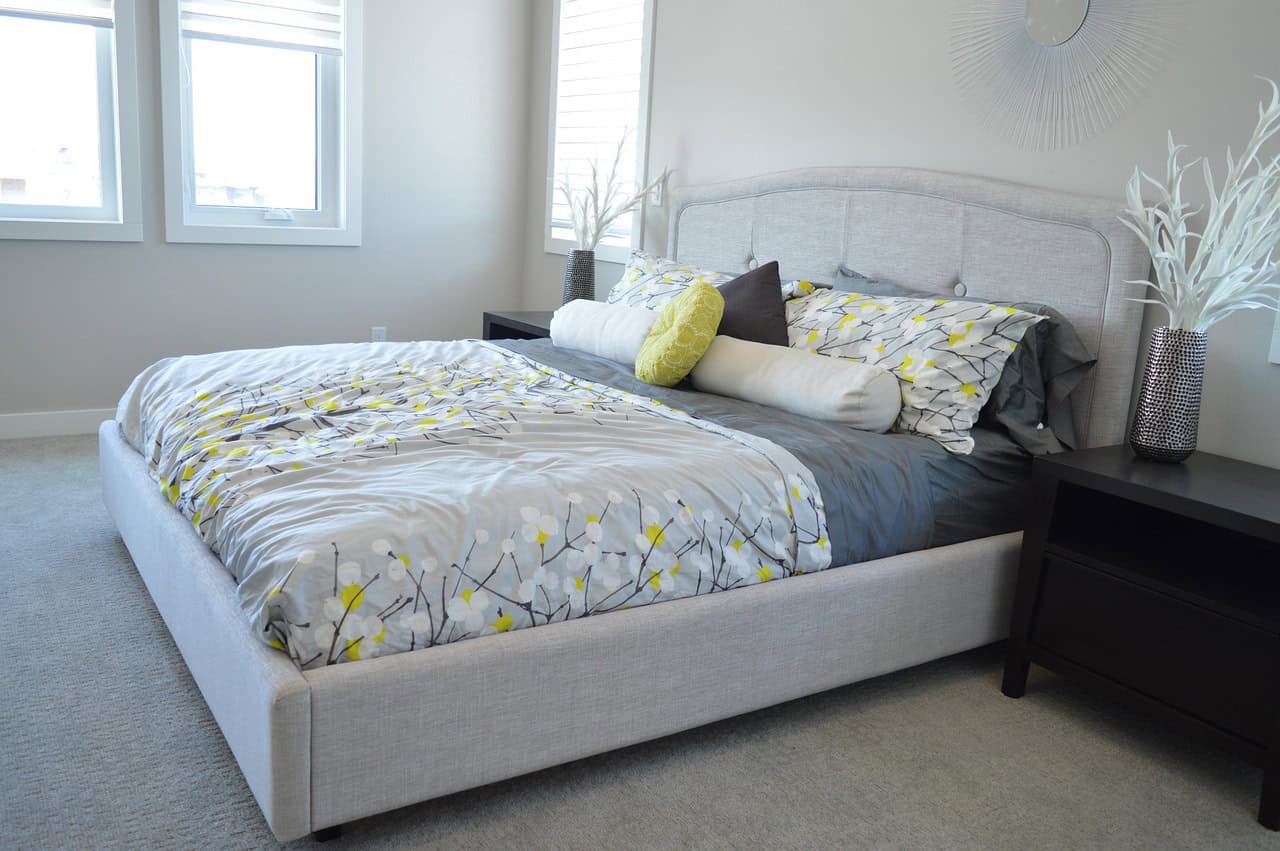
You want to pick the right bed sheet fabric by the metre, but it can feel tricky. Start by thinking about how the fabric feels, its weight (GSM), and the thread count. Each factor changes how soft, cool, or sturdy your sheets will be. For example, thread count often affects comfort. Take a look at this quick guide:
Perceived Comfort Level | Notes | |
|---|---|---|
200 and below | Rough and scratchy | May not be comfortable for sleeping |
200 to 800 | Generally comfortable | Sweet spot for quality |
800 and above | Heavy and stifling | Can lack breathability |
Choose what matches your climate, comfort needs, and how long you want your sheets to last.
Points clés à retenir
Consider the fabric’s feel, weight, and thread count when choosing bed sheets. Higher thread counts generally offer more comfort.
Popular fabric options include cotton, linen, silk, and bamboo. Each has unique benefits, so choose based on your comfort and climate needs.
Look for a GSM above 140 for durability and softness. Higher GSM sheets feel thicker and last longer.
Understand the difference between percale and sateen weaves. Percale is crisp and cool, while sateen is silky and warm.
Check for certifications like OEKO-TEX® to ensure the fabric is safe and free from harmful chemicals.
Choosing Bed Sheet Fabric by the Metre
Popular Fabric Types
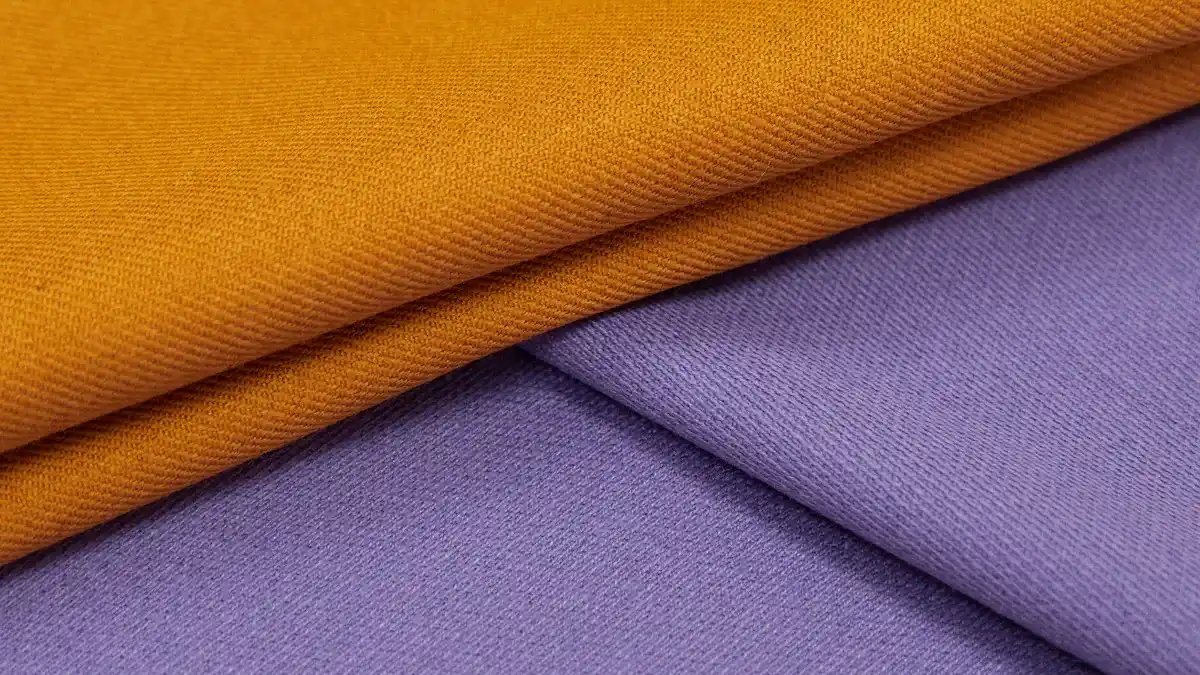
When you start shopping for bed sheet fabric by the metre, you’ll notice a wide range of materials. Each one feels different and works best in certain situations. Here are some of the most popular types you’ll find:
Coton
Bambou
Lin
Polyester
Soie
Tencel
Cotton stands out as a classic choice. You might see Egyptian cotton or Pima cotton, which both offer a soft and durable feel. Linen gives you a crisp texture and lasts for years. Silk feels smooth and cool, perfect if you want a touch of luxury. Bamboo and Tencel are newer options, known for their eco-friendly qualities and softness. Polyester is affordable and easy to care for, though it may not breathe as well as natural fibers.
Let’s break down the main pros and cons of the top materials you’ll see when buying bed sheet fabric by the metre:
Matériau | Avantages | Inconvénients |
|---|---|---|
Coton égyptien | Luxurious feel, exceptional breathability, longer fibers for softness and strength | Expensive, risk of counterfeit products |
Pima Cotton | High quality, durability, softer and more durable than Upland cotton | May be blended with lower-quality cotton |
Soie | Cool, smooth texture, hypoallergenic, temperature-regulating | Requires careful maintenance, expensive |
Lin | Strong, long-lasting, highly breathable | Tends to wrinkle easily, slightly stiff initially |
MicroCotton® | Remarkable absorbency, plush feel | Limited availability, often high price tag |
Astuce : If you want sheets that feel soft and last a long time, look for Egyptian or Pima cotton. If you want something that keeps you cool, linen or bamboo might be your best bet.
Matching Fabric to Comfort and Climate
Picking the right bed sheet fabric by the metre isn’t just about how it feels. You also need to think about your local climate and how you sleep. Some fabrics keep you cool, while others trap heat. Here’s how the main materials stack up for breathability and comfort:
Matériau | Respirabilité | Régulation de la température | Niveau de confort | Hypoallergénique | Coût |
|---|---|---|---|---|---|
Coton | Haut | Bien | Soft | Non | Modéré |
Lin | Excellent | Excellent | Rough initially | Oui | Haut |
Soie | Bien | Excellent | Very Soft | Oui | Haut |
Bambou | Excellent | Bien | Soft | Oui | Modéré |
Microfibre | Bas | Pauvre | Soft | Non | Bas |
Cotton works well in warm climates because it breathes easily.
Linen is great for both hot and cold weather. It absorbs moisture quickly and lets air flow, so you stay comfortable even when it’s humid.
Silk feels cool and smooth. It helps regulate temperature and is gentle on sensitive skin.
Bamboo keeps you dry and cool by wicking away moisture.
Microfiber feels soft but doesn’t breathe as well. You might get too warm if you use it in a hot room.
If you live somewhere hot and humid, linen is a top choice. It manages moisture better than most fabrics and lets air move freely. Cotton also absorbs moisture, but it can feel damp if the air is sticky. Polyester can work if it has special treatments like Dri-FIT, which help wick away sweat.
Remarque : Always think about how you sleep and the weather in your area. If you get hot at night, pick linen or bamboo. If you want something soft and cozy for cooler nights, cotton or microfiber might suit you better.
Choosing the right bed sheet fabric by the metre means looking at comfort, climate, and how much care you want to put in. Try to match the fabric to your needs, and you’ll sleep better every night.
Key Measurements: GSM and Thread Count
When you shop for bed sheet fabric by the metre, you’ll see two numbers pop up again and again: GSM and thread count. These measurements help you figure out how the fabric will feel, how long it will last, and how well it will work for your needs. Let’s break down what each one means and why you should care.
Understanding GSM Ranges
GSM stands for grams per square meter. This number tells you how heavy and dense the fabric is. If you want sheets that feel sturdy and last a long time, pay attention to GSM.
Here’s a quick guide to GSM ranges for bed sheet fabric:
Portée GSM | Weight Type | Feel and Use Case |
|---|---|---|
130-135 | Lightweight | Thin, airy, good for hot climates |
140-150 | Midweight | Balanced, soft, works year-round |
160+ | Heavyweight | Thick, plush, best for cool nights |
Higher GSM means the fabric is denser. You get more durability and a luxurious feel.
Sheets with higher GSM resist wrinkles and shrinkage better.
A high GSM sheet feels softer and breathes well, so you stay comfortable all night.
If you want sheets that last and feel great, look for a GSM above 140. You’ll notice the difference in how the fabric holds up after many washes.
Thread Count Explained
Thread count is the number of threads woven into one square inch of fabric. People often think a higher thread count means better quality, but that’s not always true. You need to look for a balanced number.
Les experts en textile disent the ideal thread count for high-quality sheets falls between 300 and 600. Here’s what you should know:
Percale weave sheets work best at thread counts between 200 and 400.
Sateen weave sheets feel smoothest at thread counts from 300 to 600.
A thread count between 300 and 500 gives you softness and durability without making the fabric heavy or stifling.
Let’s see how thread count affects softness and longevity:
Facteur | Influence on Softness and Longevity |
|---|---|
Nombre de fils | A balanced count (200-500) is optimal for softness and durability. |
Quality of Fabric | High-quality materials yield softer and more durable sheets. |
Type de tissage | Different weaves affect durability and tactile feel. |
Yarn Ply | The ply of yarn can impact the overall quality and comfort of the sheets. |
Long-staple cotton and high-quality microfiber feel softer and last longer because they use fine, long fibers.
Short-staple cotton and lower-quality microfiber may have high thread counts but don’t hold up as well.
Tip: Don’t get caught up in chasing the highest thread count. Focus on the quality of the material and the weave. You’ll get sheets that feel better and last longer.
GSM vs. Thread Count
You might wonder which number matters more: GSM or thread count. Both play a role, but they measure different things.
Measurement | Definition | Implication for Quality |
|---|---|---|
GSM | Grams per square meter; measures the weight of the fabric. | Higher GSM indicates thicker, softer, and more durable sheets. |
Nombre de fils | Number of threads woven into one square inch of fabric. | Higher thread count can indicate softness but does not guarantee quality. |
Quality Indicator | GSM is a better indicator of overall quality due to fabric density. | High GSM sheets are generally more durable and comfortable than those with low GSM. |
GSM tells you about the weight, density, and durability of the fabric.
Thread count shows how fine and soft the fabric might feel.
A balance of moderate thread count (300-400) and moderate GSM (150-200) gives you sheets that are soft, breathable, and durable.
If you want the best performance from your bed sheet fabric by the metre, look for a GSM above 140 and a thread count between 300 and 500. This combo gives you comfort, strength, and a great feel.
Note: High GSM and thread count work together to make sheets softer, smoother, and longer-lasting. You don’t need the highest numbers—just the right balance.
Now you know how GSM and thread count shape the quality of your sheets. Use these numbers to guide your choice, and you’ll end up with fabric that feels just right.
Weave, Finish, and Durability
Percale contre satinée
When you shop for bed sheet fabric by the metre, you’ll see the words “percale” and “sateen” a lot. These are two of the most common weaves, and they change how your sheets feel and last.
Percal gives you a crisp, cool touch. It feels smooth and lightweight, perfect if you like a fresh, clean sensation when you get into bed. Percale sheets breathe well, so you stay comfortable in warm weather. They get softer with each wash, but they do wrinkle easily. Many people love that casual, lived-in look.
Satin feels silky and smooth, almost buttery. This weave has a subtle sheen and feels warmer, so it’s great for cooler nights. Sateen resists wrinkles better than percale, but it can pill over time if you don’t wash it gently.
Type de tissage | Texture | Meilleur pour | Durabilité | Common Thread Count |
|---|---|---|---|---|
Percal | Crisp, cool, smooth | Hot sleepers, warm weather | Gets softer with each wash | 200–400 |
Satin | Silky, soft, shiny | Cozy, luxurious feel | Prone to pilling over time | 300–600 |
Tip: If you want sheets that feel cool and crisp, go for percale. If you love a silky, warm hug, try sateen.
Fabric Finishes
Fabric finishes can make a big difference in how your sheets feel and how long they last. Some finishes help your sheets resist wrinkles, so you spend less time ironing. Others add softness or make colors last longer.
Common finishes include:
Easy-care treatments: These finishes help sheets stay smooth and wrinkle-free.
Combed fibers: Sheets made with combed fibers last longer and feel softer.
Colorfast dyes: These keep your sheets looking bright, even after many washes.
Sheets with these finishes often last longer and look better over time. If you want low-maintenance sheets, look for easy-care or wrinkle-resistant labels.
Longevity Factors
You want your bed sheets to last, right? Several things help with that:
Strong, resilient fibers like Egyptian cotton or Tencel hold up well.
Dense weaves, like percale, add strength and help sheets last longer.
Special coatings or finishes can protect against wear and tear.
How you wash your sheets matters. Gentle cycles and mild detergents help prevent damage.
Regular washing does wear down fabrics, especially cotton and linen. Most cotton sheets handle about 70 to 120 washes before showing real wear, but with good care, they can last much longer. If you take care of your sheets, you’ll enjoy soft, comfortable bedding for years.
Note: Choosing the right weave, finish, and care routine means your sheets will stay comfy and beautiful night after night.
Shopping and Care Tips for Bed Sheet Fabric by the Metre
Que rechercher
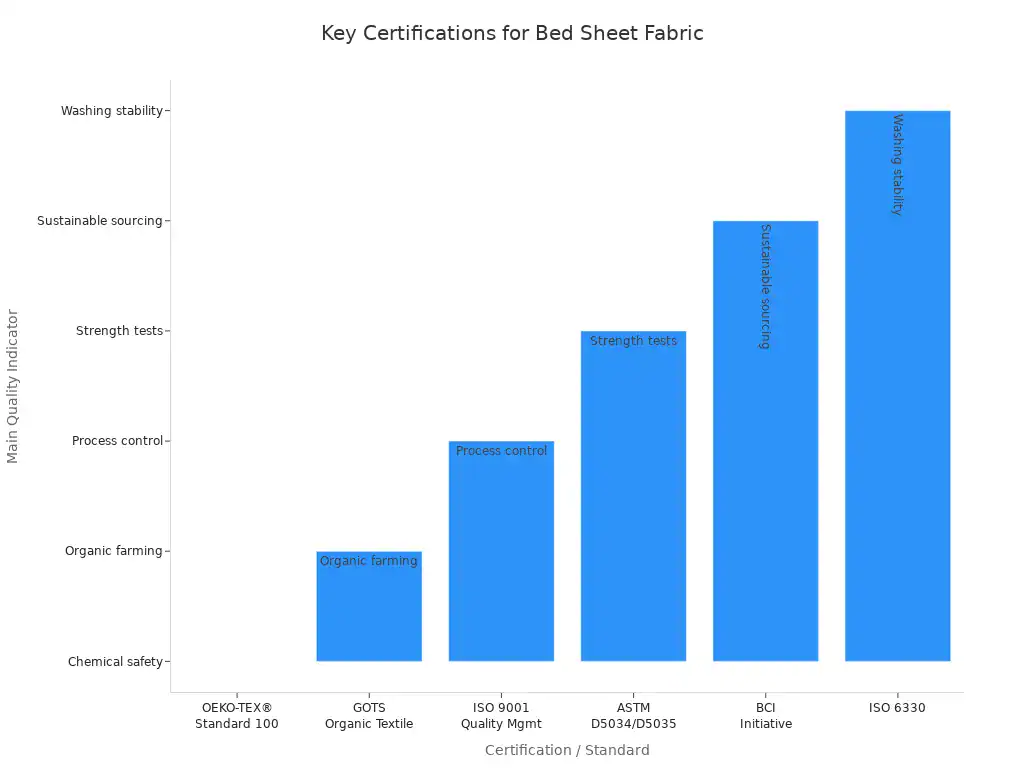
When you shop for bed sheet fabric by the metre, you want to make sure you get quality and safety. Look for certifications and standards that show the fabric is safe and well-made. Here’s a table to help you spot the best ones:
Certification / Standard | Governing Body | Ce que cela signifie pour vous |
|---|---|---|
OEKO-TEX® Standard 100 | OEKO-TEX® Association | No harmful chemicals, safe for skin |
GOTS (Global Organic Textile) | GOTS International | Organic, eco-friendly cotton |
ISO 9001 Quality Management | International Standards Org | Consistent quality, good production |
ASTM D5034/D5035 | ASTM International | Strong and durable fabric |
BCI (Better Cotton Initiative) | BCI Global Organization | Sustainable and fair cotton farming |
ISO 6330 | International Standards Org | Accurate care labels, less shrinkage |
You should also check the label for details like “100% Egyptian Cotton” and thread count. Feel the fabric before you buy. Soft and smooth fabric usually means better quality. Buy from trusted sellers or brands. If the price seems too low, the fabric might not be genuine.
Ask for samples if you can.
Reliable suppliers often offer audits and follow fair labor practices.
Questions to Ask Sellers
Before you buy, ask questions to make sure the fabric fits your needs. Here are some smart questions:
What material works best for my climate and comfort?
What thread count should I choose for softness and durability?
What size do I need for my bed?
Is the fabric easy to wash and care for?
Does the color or pattern match my room?
What is my budget for this purchase?
Is the fabric hypoallergenic?
How long will the fabric last?
Can I see reviews or get a sample?
Care Instructions
Taking care of your sheets helps them last longer. Always follow the care label. Here are some quick tips for different fabrics:
Cotton: Wash in warm water. Use mild detergent. Tumble dry on low.
Lin Wash in cold water. Air dry if possible. Iron while damp.
Soie : Hand wash or use a gentle cycle. Use silk-friendly detergent. Hang to dry.
Bambou : Wash in cold water. Avoid bleach. Dry on low heat.
Microfiber: Machine wash cold. Skip fabric softener. Dry on low.
Tip: Wash sheets separately from towels to avoid lint. Always check for special instructions on the label.
Ready to pick your perfect bed sheet fabric by the metre? Start by measuring your mattress and calculating how much fabric you need. Add a little extra for seams and shrinkage. Look for higher GSM and thread count if you want a thicker, softer sheet. Choose a fabric that matches your climate and comfort—natural fibers work best for hot sleepers, while heavier materials suit cold nights. Check out what other shoppers prefer in le tableau ci-dessous:
Data Collection Method | Description | But |
|---|---|---|
Online Surveys | Gather large-scale data | Understand general preferences |
Focus Groups | In-depth insights | Explore comfort needs |
Pick what feels right for you, and enjoy a better night’s sleep!
FAQ
What does GSM mean for bed sheet fabric?
GSM stands for grams per square meter. It shows how thick and heavy the fabric feels. Higher GSM means your sheets feel softer and last longer.
How do I know which fabric is best for hot weather?
You want something light and breathable. Linen and bamboo work well because they let air flow. Cotton also keeps you cool if you pick a lower GSM.
Can I buy bed sheet fabric by the metre for any bed size?
Yes, you can! Just measure your mattress and add extra for seams and shrinkage. Most sellers help you figure out how much fabric you need.
Do higher thread counts always mean better sheets?
No, not always. You should look for a balanced thread count between 300 and 500. Quality of the material matters more than just the number.
Comment garder mes draps doux après le lavage ?
Wash your sheets in cold or warm water. Use a gentle detergent. Dry them on low heat or hang them outside. Skip fabric softener for natural fibers.
Voir aussi
Choisir entre des draps en microfibre et en polyester pour le confort
Comparing Panel And Digital Printing For Polyester Bedding 2025
 French
 English
 Arabic
 Spanish
 Italian
 Portuguese
 Vietnamese