
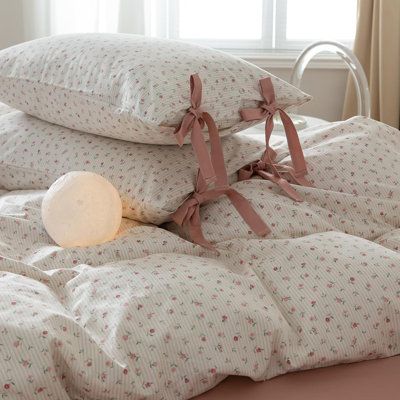
Microfiber causes problems for people and the Earth. Washing machines and dryers send small microfiber pieces outside every year. These microfibers are 71% of all microplastics in nature. You might see bad things like microplastic pollution and chemical risks. Microfiber does not break down fast, so it stays around for years. The textile industry puts lots of microfibers into oceans each year. You may worry about how microfiber harms your health and the planet.
Points clés à retenir
Microfiber pollution is a big problem for the environment. It makes up 71% of all microplastics found in nature. Washing clothes lets millions of tiny fibers go into water systems.
Microfibers can hurt animals and mess up ecosystems. Fish and other sea animals eat these fibers. This can cause health problems and change the food chain.
Chemicals in microfiber textiles can be bad for your health. Being around them can cause breathing problems and skin issues. It can also cause long-term health problems, especially for kids and older people.
You can help stop microfiber pollution by using laundry filters. Wash your clothes less often and pick products made from natural fibers. These steps help keep the environment and you safe.
Support eco-friendly brands like perfecttextile.com that sell certified microfiber products. These products are made to help the planet and lower harmful effects.
Microfiber and the Environment

Microplastic Pollution
Microfiber is found almost everywhere. Washing clothes makes tiny microfibers break off. These small pieces go into water pipes. Wastewater plants try to clean the water. Some microfibers and microplastics still get through. Many studies say microfibers are a big part of microplastic pollution. Rivers, lakes, and oceans have lots of these fibers. Washing machines send thousands of microfibers outside every year.
Here is a table that shows what scientists learned about microfibers and microplastics in water:
Étude | Findings |
|---|---|
Magnusson and Norén (2014) | Most microplastic particles stay in sludge, but fibers still escape at high levels. |
Talvitie et al. (2017) | Special water treatment can take out microplastics. |
Dris et al. (2015) | Microplastics are found in city water, showing they come from washing. |
Leslie et al. (2013) | Microplastics are in North Sea sand and cleaned wastewater. |
Murphy et al. (2016) | Water treatment plants add microplastics to water. |
Microfibers and microplastics do not break down fast. They stay in nature for many years. Synthetic microfibers from clothes are a main source of microplastics that last. You can find microfibers in rivers, oceans, and even tap water. Studies show microfibers are not the same as other microplastics like microbeads. Water animals eat and keep microfibers in special ways. This changes how long microfibers stay in the environment.
Microfiber Pollution Effects
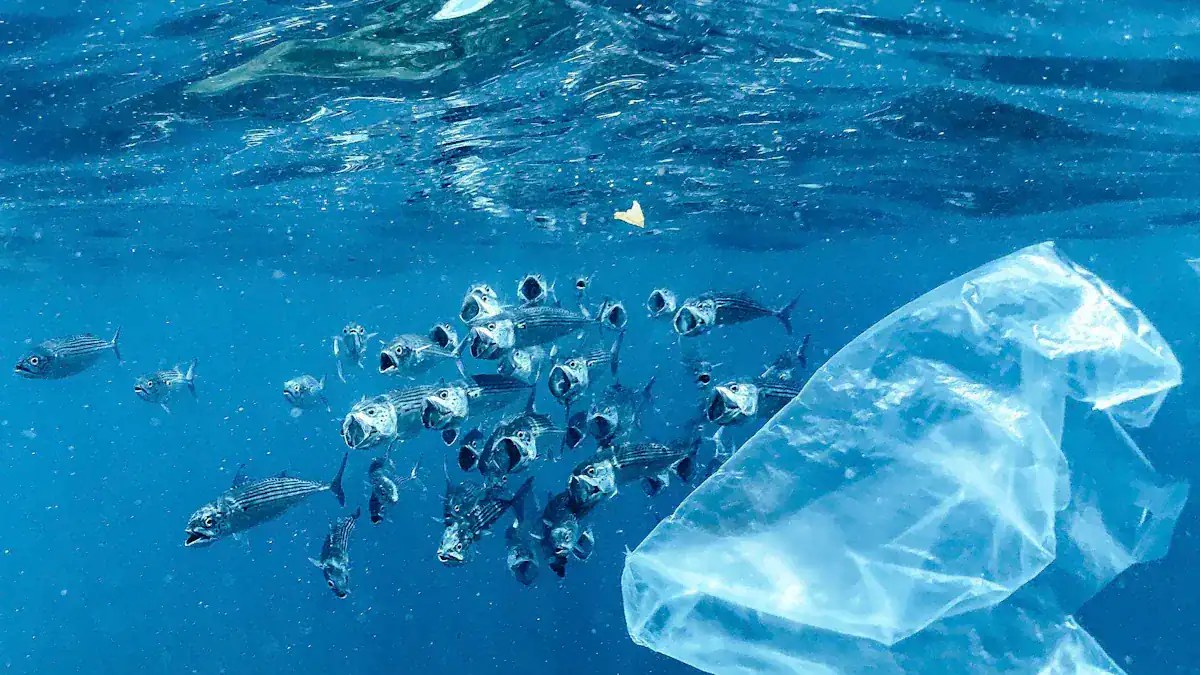
Microfiber pollution harms soil, water, and living things. You may not see microfibers, but they are all around us. Fish and other animals eat microfibers and microplastics. These fibers get into the food chain. Scientists found microfibers inside the organs and stomachs of sea animals. Microfibers can also be in drinking water and salt.
Here are some effects of microfiber pollution:
Microfibers are a big problem in wastewater, making up most shoreline pollution.
Microfibers are found in more than half of fish species.
Washing clothes, fishing, and old textiles cause microfiber pollution.
Tons of microfibers have built up in the oceans.
Marine animals that eat microfibers may have trouble growing and having babies.
Microfibers and microplastics can upset the balance in water habitats. Fish that eat microfibers may not grow well or have babies normally. Chemicals on microfibers can hurt fish and other animals. Scientists are still studying how microfibers affect people. They worry about cell damage and immune system problems.
Wildlife Impact
Wildlife faces many risks from microfiber pollution. Fish, crabs, and other water animals eat microfibers and microplastics. This can hurt their bodies and slow their growth. Crabs that ate food with fibers had less energy to grow. Ceriodaphnia dubia, a tiny water animal, died at lower microfiber levels than microbeads. Copepods, which are food for small fish, also eat microfibers. This is bad for the food chain.
Chemicals on microfibers, like cancer-causing substances, can hurt fish livers. Microfibers and microplastics can bring dangerous chemicals into the food chain.
Here is a table that shows how microfibers affect sea animals:
Impact | Description |
|---|---|
Fish that eat microfibers have changes in fat and amino acids. | |
Oxidative Stress | Eating microfibers raises stress in cells and can lead to cancer. |
Reproductive Concerns | Microfibers in seabirds can make feeding and having babies harder. |
Studies found that red mullet and other fish eat microfibers. In some places, microfibers are the most common trash in fish. Washing clothes at home and in factories adds lots of microfibers to water. Microfibers and microplastics can block the stomachs of sea animals. This stops them from getting enough food. It can make them grow less and have fewer babies.
Sustainability and perfecttextile.com
You can help stop microfiber pollution by picking products from companies that care about nature. perfecttextile.com works hard to make microfiber in a green way. The company uses organic, recycled, and earth-friendly materials. They make their process better to use less energy and make less waste.
perfecttextile.com has certifications like OEKO-TEX 100 and GRS. These show their microfiber products are safe and good for the planet.
Nom de la certification | Focus Area | Key Requirements |
|---|---|---|
OEKO-TEX® STANDARD 100 | Checks for harmful substances | Needs at least 20% recycled content, special testing, and proof of where materials come from |
GOTS (Global Organic Textile Standard) | Organic fibers, environmental and social rules | Focuses on organic materials and rules for the whole supply chain |
OEKO-TEX® STANDARD 100 checks for bad substances in textiles.
GOTS looks at organic fibers and includes rules for people and nature.
OEKO-TEX® needs at least 20% recycled content for recycled products.
When you buy certified microfiber products from perfecttextile.com, you help fight microfiber pollution and protect animals. You also help keep microfibers and microplastics out of nature.
Microfiber Health Risks
Chemical Exposure
You cannot see the chemicals in microfiber, but they can still hurt you. Many microfiber textiles have chemicals to make them last longer or look better. These chemicals can get into your body if you touch, breathe, or swallow tiny fibers. Some chemicals in microfibers are bad for your health and the environment.
Here is a table that lists chemicals found in microfiber textiles and their health risks:
Chemical | Functionality | Health Risks |
|---|---|---|
Titanium Dioxide (TiO2) | UV-protective, self-cleaning, water-repellent, and soil-repellent | Potential breathing problems and worries for nature. |
Zinc Oxide (ZnO) | UV-protective, antibacterial, self-cleaning, abrasion-resistant, and stiffness | Can cause skin rashes and trouble breathing. |
Silicon Dioxide (SiO2) | Water-repellent, dirt-repellent, and abrasion-resistant | Breathing it in can cause lung problems. |
Aluminum Oxide (Al2O3) | Abrasion-resistant and flame-retardant | Can cause breathing and skin problems. |
Nanoclays | Abrasion-resistant, flame-retardant, and active ingredient support | Unknown long-term effects; may cause breathing problems. |
Diisobutyl phthalate | Plasticizer used in textile production | Can harm babies, mess with hormones, and hurt water animals. |
Heavy Metals | Found in dyes (e.g., lead, arsenic, chromium) | Can cause cancer, are poisonous, and do not break down in nature. |
You can get these chemicals in your body by eating, breathing, or touching them. The danger from microfiber comes from these chemicals. Some can mess with your hormones or cause health problems that last a long time. The textile industry uses many chemicals that can hurt fish and other animals. These chemicals can also hurt people, especially if you are around microfibers a lot.
Respiratory and Allergic Reactions
You might breathe in tiny microfibers when you use or clean with them. These fibers can go deep into your lungs. This can make you cough, wheeze, or have worse health problems. People who work in microfiber factories often have lung and allergy problems. You might get a rash or have trouble breathing if you are near microfiber dust a lot.
A study found that many factory workers had coughs, wheezing, and trouble breathing. Some had nose and skin problems too. The more they worked with microfibers, the worse their problems got. This shows that being around microfibers can hurt your health. You could have the same problems if you use microfiber cleaning products a lot.
Voici quelques health problems linked to microfiber:
Byssinosis (a serious lung disease)
Breathing sickness
Allergic reactions
Damage to nose and lung cells
Microfiber can also cause stomach and gut problems. Some studies say that being around microfibers can raise the risk of cancer and other sicknesses. You should know that breathing in microfibers can bring bad chemicals into your body. This can make health problems worse, especially for people with allergies or asthma.
Tip: You can stay safer by using microfiber in rooms with fresh air and washing your hands after.
Vulnerable Groups
Some people have a higher chance of getting sick from microfibers. Kids are at special risk. Microfiber and kids is a big worry because children have thinner skin and breathe faster than adults. This means they can take in more microfibers and chemicals. Babies can swallow thousands of microplastic pieces every day from bottles. Microfiber health risks for kids include breathing problems and possible long-term sickness.
Microplastics and microfibers can get into the lungs and may cause health problems for kids who spend lots of time inside. Before and after birth, chemicals in microfibers can change how a child grows. These changes can affect the brain and body. Microfiber and kids is something scientists watch closely because early exposure can cause cancer or brain problems later.
Older people and those with weak immune systems can also have more trouble with microfiber health risks. Being around microfibers can make it harder to breathe and raise the chance of getting sick. Microfiber is more dangerous for these groups because their bodies cannot fight off bad chemicals as well.
Note: You can help protect these people by picking certified microfiber products and keeping your home clean.
Where Microfibers Are Found
Everyday Products
You use microfiber in your home all the time. Many things you use have microfibers inside them. These tiny fibers come from materials like polyester and polyamide. Microfiber cloths are great for cleaning. You also find microfibers in towels, bedding, and clothes. Washing these items makes microfibers break off and go into water.
Here is a table that lists products with microfiber:
Type de produit | Description |
|---|---|
Floral Microfiber Bedding Sets | Bedding sets made from microfiber materials. |
Striped and Ruffled Microfiber Bedding Sets | Another style of bedding sets using microfiber. |
Microfiber Hair Towels and Makeup Towels | Towels designed for hair drying and makeup removal. |
Microfiber cloths lose fibers when you use or wash them. One load of laundry can send out millions of microfibers. The kind of fabric, how hot the water is, and the soap you use all change how many fibers escape.
Bedding and Textiles
Microfiber bedding feels soft and is light to carry. It is easy to clean and dries fast. Many people use microfiber sheets, pillowcases, and covers at home. Microfiber cloths help keep bedding clean and free of dust.
Washing microfiber bedding makes fibers break off and go into drains. Studies show polyester sheets can release up to six million fibers each wash. These fibers are a big part of microplastic pollution in water. They are so small that filters cannot catch them, so they end up outside.
You can pick safer bedding by choosing certified microfiber products. perfecttextile.com sells OEKO-TEX certified microfiber bedding and textiles. These meet strict safety rules and help keep your home safe.
Here is a table of certifications for safe microfiber bedding:
Nom de la certification | Description |
|---|---|
OEKO-TEX Certified | Confirms products are free from harmful substances. |
GOTS Certified | Requires 95% organic materials and worker protections. |
MADE SAFE | Screens for toxic chemicals. |
Cleaning Supplies
Microfiber cloths are used for cleaning everywhere. You use them to dust, wipe, and scrub. Dry mops, wet mops, and cleaning cloths all have microfibers. These products clean well because microfibers grab dirt and soak up liquids fast.
Microfiber cloths shed fibers every time you wash them. Synthetic microfibers do not break down quickly. They slip past water filters and reach lakes and oceans. Fish and other animals eat these fibers, which can carry bad chemicals. Cotton cleaning cloths do not shed microplastics and break down in nature.
Here is a table that lists cleaning supplies with microfibers:
Taper | Description |
|---|---|
Dry Mops | Used for quickly removing dust; made of synthetic materials like polyester and nylon. |
Wet Mops | Best for scrubbing surfaces; quick absorbent and leaves a streak-free finish. |
Cloths | Versatile for dry or wet cleaning; can be made of microfiber, cotton, or a combination. |
Tip: You can help the planet by picking certified microfiber cloths or using cleaning products that break down naturally.
Reducing Microfiber Pollution
Practical Tips
You can help stop microfiber pollution in simple ways. Change how you do laundry to make a difference. Put a filter in your washing machine to catch microfibers. These filters can trap most of the fibers in each wash. Wash your clothes less often and use cold water. Hang your clothes to dry instead of using a dryer. Keep soft and hard fabrics apart when washing to lose fewer fibers.
Tip: Use a filter and hang your laundry to keep more fibers out of nature.
Here are some easy steps you can try:
Use laundry filters and wash clothes less.
Do not use single-use plastics; pick reusable bags.
Choose cosmetics without plastic.
Eat less shellfish to avoid more microplastics.
Take public transport to cut down on tire pollution.
Never microwave food in plastic containers.
Choosing Alternatives
You have many options instead of microfiber products. Natural fibers break down faster and do not make microplastics. Pick cloths made from cotton, bamboo, hemp, or linen. Cloths made from recycled fabric also help cut waste.
Cotton cloths break down in nature.
Bamboo cloths soak up water and fight germs.
Hemp cloths last long and stop bacteria.
Linen cloths are strong and can go in compost.
Recycled cloths use old materials again.
Aspect | Fibres naturelles | Microfiber Textiles |
|---|---|---|
Impact environnemental | Can cause problems if treated or dyed | Cause pollution and release microplastics |
Biodégradabilité | Break down more but can change with treatments | Do not break down well because they are synthetic |
Production Concerns | Dyes and treatments can leak chemicals | Make greenhouse gases from fossil fuels |
Ecological Risks | People think they always break down safely | Add microplastics to water and land |
Microfiber is made from fossil fuels. Making it gives off greenhouse gases and chemical waste. Washing microfiber sends tiny plastics into rivers and oceans.
Role of perfecttextile.com
You can pick certified products to help stop microfiber pollution. perfecttextile.com sells microfiber bedding and textiles with OEKO-TEX and GRS labels. These labels show the products are safe and made with care for the planet.
Certification |
|---|
OEKO-TEX |
GRS |
perfecttextile.com uses recycled and earth-friendly materials. The company tries to use less energy and make less waste. When you buy from perfecttextile.com, you support a business that cares about the Earth and your health.
You can be harmed by microfiber every day. Studies say these fibers can get into your body. They can come from food, air, or even your skin. This can cause trouble with breathing and bring in bad chemicals. Microfiber pollution is found in water and air. It is in oceans, rivers, and the air you breathe. You can help by washing your clothes less often. Use cold water and put filters on your washing machine. Pick certified products from perfecttextile.com for a safer home. This helps keep the planet clean too. Make good choices and learn more to keep yourself and nature safe.
FAQ
What is microfiber made of?
Microfiber is made from man-made materials like polyester and polyamide. Factories make these fibers very thin. You see microfiber in cleaning cloths and bedding.
How do microfibers get into the environment?
You let out microfibers when you wash clothes or use cleaning cloths. These tiny fibers move through water pipes. Many get past water cleaning plants and reach rivers and oceans.
Can microfiber affect your health?
You can breathe in or touch microfibers. Some people get rashes or have trouble breathing. Kids and older people have more risk. Certified products can help lower these risks.
How can you reduce microfiber pollution at home?
Tip: Put a filter on your washing machine. Wash clothes less often. Pick certified microfiber products from perfecttextile.com. Choose natural fibers like cotton or bamboo.
Are certified microfiber products safer?
Certification | Ce que cela signifie |
|---|---|
OEKO-TEX | No bad chemicals inside |
GRS | Made with recycled stuff |
You are safer when you pick certified products. These products follow strict safety rules.
Voir aussi
Choisir entre des draps en microfibre et en polyester pour le confort
Comparaison de l'impression par panneau et de l'impression numérique pour les tissus de literie
 French
 English
 Arabic
 Spanish
 Italian
 Portuguese
 Vietnamese
