
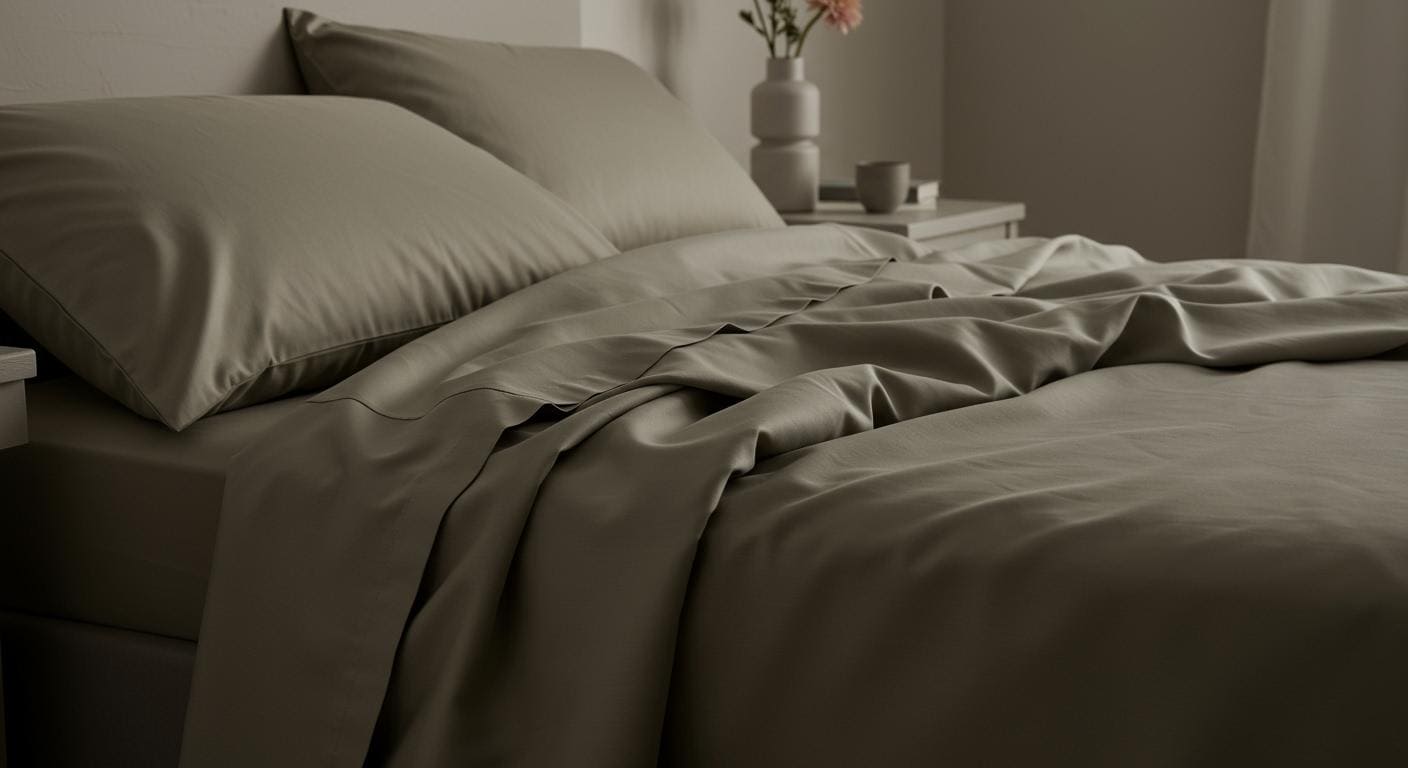
Taffeta bedding fabric is special because it feels crisp and looks fancy. When you touch taffeta, it feels smooth and soft. This makes your bed feel more expensive. Many people pick taffeta bedding because it is strong and looks nice. Taffeta fabric can be made from different fibers. The most common types are:
Type de fibre | Description |
|---|---|
Soie | Original kind, top choice with smooth feel and shiny look |
Rayon | Popular option, often mixed to make it softer |
Polyester | Cheap, useful, looks like silk but costs less |
Taffeta bedding usually looks shiny and feels cool when you touch it. If you want bedding that is fancy and different, taffeta is a great choice.
Points clés à retenir
Taffeta bedding feels smooth and crisp. It makes your bed look fancy and nice. Taffeta is strong and lasts a long time. It keeps its shape and color after many washes. Silk taffeta feels very fancy. Polyester taffeta costs less and is easy to care for. Taffeta bedding is simple to keep clean. You can spot clean stains. Dry cleaning is good for delicate pieces. Store taffeta in a cool, dry place. Keep it away from sunlight to help it stay new.
Taffeta Bedding Fabric Overview
What is Taffeta Fabric?
Have you ever wondered where taffeta comes from? Taffeta started in ancient Persia. The word “taffeta” comes from a Persian word. It means silk or linen cloth. People in Persia first made taffeta using silk. Later, taffeta became popular in Europe. Nobles liked it because it was shiny and strong. By the 14th century, taffeta was in English books. Over time, people used other fibers like rayon and polyester. Now, taffeta is in many fancy home items, like bedding. It used to be only for rich people. Today, anyone can have taffeta in their bedroom.
How Taffeta Bedding is Made
You might ask how taffeta is made. The steps depend on the fiber used. For silk taffeta, workers boil silkworm cocoons. They reel the silk and spin it into yarn. For polyester taffeta, factories use chemicals. They melt the chemicals and make ribbons. Then, they chip and melt them again. The melted polyester goes through a spinneret. This makes fibers. The fibers get stretched to make them strong. Next, the fibers are dyed or treated. Sometimes, they add special qualities like flame resistance. At the end, machines weave the fibers into taffeta bedding fabric.
Here is a simple table to show the main steps:
Étape | Description |
|---|---|
Silk Production | Boil and reel silkworm cocoons, spin into yarn |
Polyester Creation | Mix chemicals, melt, form ribbons, chip, and spin into fibers |
Stretching | Pull fibers to make them stronger |
Finishing | Dye or treat fibers for special qualities |
Tissage | Use machines to weave fibers into taffeta fabric |
How taffeta is made depends on the fiber. The weaving process gives taffeta its crisp feel and shiny look.
Uses in Bedding
Taffeta makes your bedroom look fancy. You can find taffeta in duvet covers and pillowcases. It is also used for bed skirts. Taffeta is a little stiff, so it keeps its shape. Silk taffeta is smooth and looks very nice. It is used for expensive bedding. Polyester taffeta is also common. It looks like silk but costs less. Taffeta bedding makes your bed look neat and stylish. Many people use taffeta for decorative pillows and bedspreads. The shiny look and firm feel make your bedding stand out. Your room will look more grown-up and special.
Tip: If you want bedding that looks fancy and keeps its shape, try adding taffeta to your bedroom.
Key Features of Taffeta Fabric
Texture and Feel
When you touch taffeta, it feels crisp and smooth. This texture is easy to notice. Taffeta feels different from other bedding fabrics. Cotton and velvet are soft and gentle. Taffeta feels firm and cool instead. It does not feel as soft as cotton or velvet. Its firmness makes it stand out. Many people like how taffeta feels special and fancy.
You can check taffeta’s GSM to learn more:
Taffeta fabric GSM is between 65 and 400.
Poly Taffeta: 65 GSM
Poly Silk Taffeta: 65 GSM
These numbers show taffeta can be light or heavy. Silk taffeta feels smooth and crisp. Polyester taffeta is lighter but still firm. Taffeta is great for people who want bedding that feels different.
Note: Taffeta bedding keeps its shape and feels cool. It is a good choice if you want these features.
Appearance and Sheen
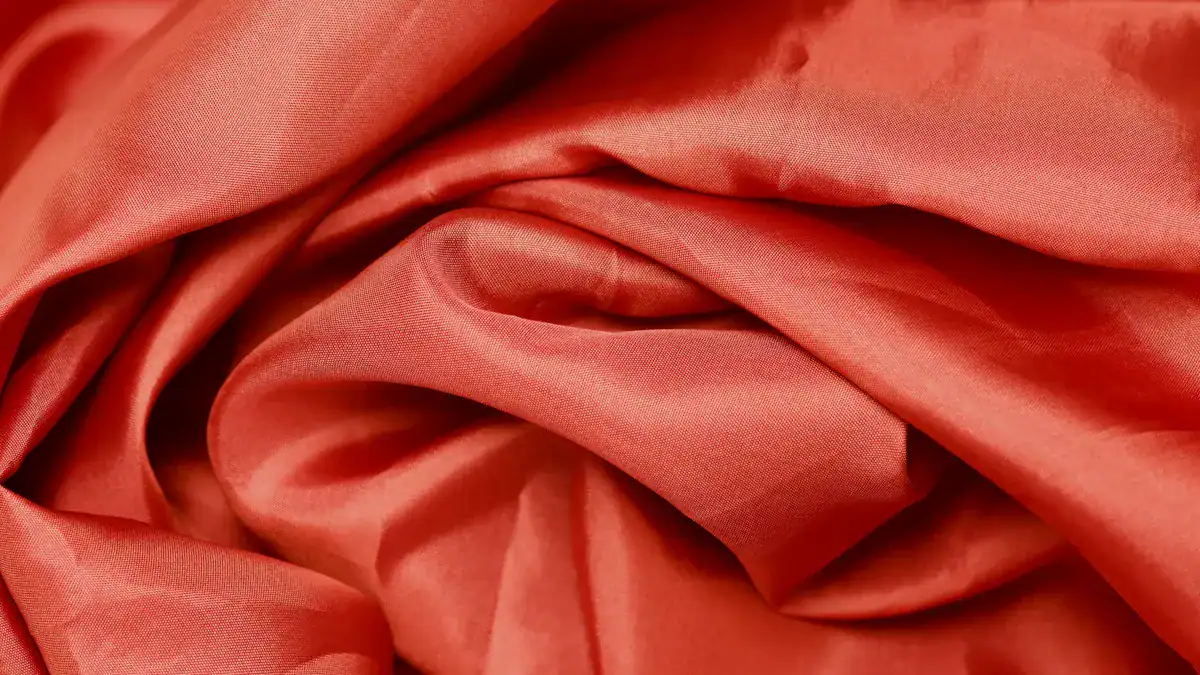
Taffeta looks shiny and fancy. When you see taffeta bedding, it shines in the light. This shine comes from how taffeta is woven. The weaving uses high-twist yarns. These yarns reflect light and make the fabric shine. This makes your bedding look special.
Silk taffeta looks very rich and elegant. It makes your bedroom look fancy. Polyester taffeta can also look shiny. It costs less than silk but still looks nice. Taffeta’s tight weave helps it stay crisp. If you want bedding that stands out, taffeta is a smart choice.
Durabilité
Taffeta is strong and lasts a long time. The tight weave makes it tough. It does not wear out easily. Silk taffeta is delicate but can last if you care for it. Polyester taffeta is even stronger. It can handle lots of use.
Taffeta also has helpful features. It can wick away moisture to keep you dry. Taffeta lets air move through, so you stay comfortable. These features make taffeta a good pick for bedding that needs to last and look nice.
Tip: Pick taffeta if you want bedding that is shiny, strong, and crisp.
Taffeta Bedding vs. Other Fabrics
Coton
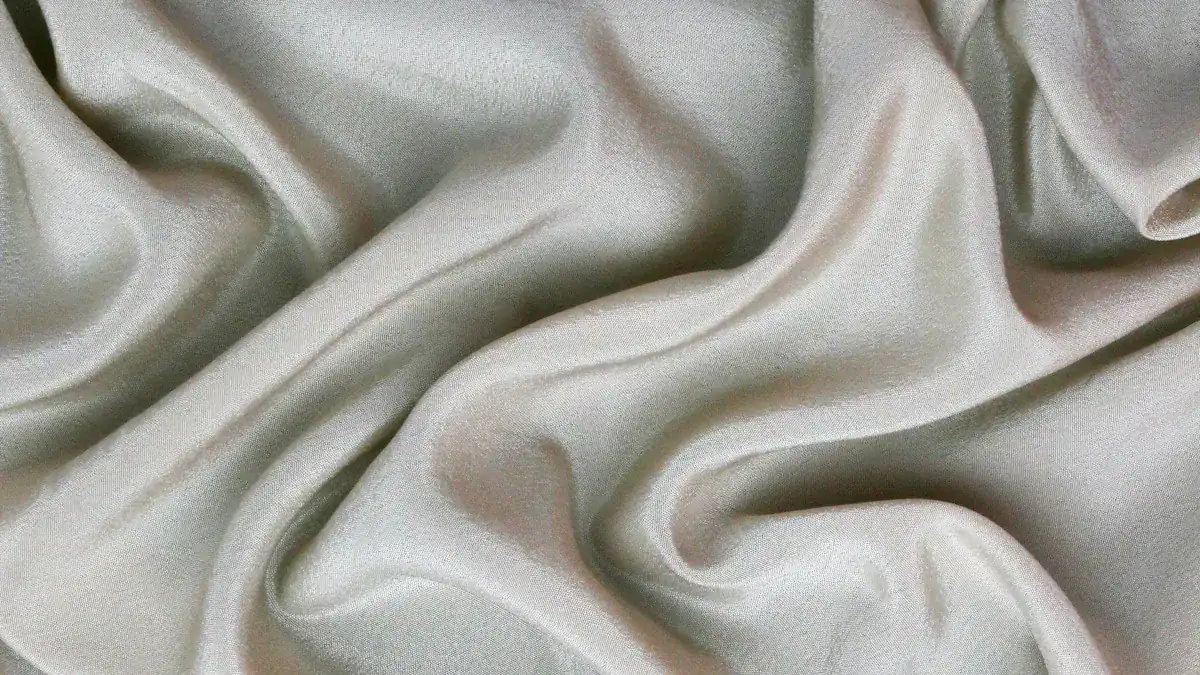
When you think about bedding, cotton often comes to mind first. Cotton feels soft and gentle against your skin. It absorbs moisture well and keeps you cool at night. Taffeta feels very different. You notice its crisp and smooth texture right away. Cotton looks matte and simple, while taffeta shines and stands out in your bedroom. Cotton bedding wrinkles easily, but taffeta keeps its shape and looks neat. If you want a classic, cozy bed, cotton works well. If you want your bed to look fancy and unique, taffeta gives you that special touch.
Soie
Silk bedding feels smooth and cool. It looks elegant and has a natural shine. Silk taffeta takes this shine even further. You see a crisp, glossy finish that makes your bedding look rich. Both silk and taffeta feel cool, but taffeta feels firmer. Silk bedding drapes softly, while taffeta holds its shape. Caring for these fabrics takes some effort. Here is a quick look at how you care for each:
Care Aspect | Taffeta Bedding Fabric | Silk Bedding Fabric |
|---|---|---|
Lavage | Dry clean only. Water may leave permanent spots. | Use silk-friendly detergents, avoid soaking for long. |
Drying | Never wring. Let dry naturally if exposed to moisture. | Protect from direct sunlight, dry in shaded areas. |
Ironing | Use a cool iron with a cloth between the iron and fabric. | Handle with clean hands, avoid harsh chemicals. |
If you want bedding that looks and feels luxurious, both silk and taffeta offer great choices. Taffeta gives you a firmer, more structured look.
Polyester (with perfectextile.com)
Polyester bedding is popular because it is strong and easy to care for. Polyester taffeta gives you the shine and crispness of silk at a lower price. You get a fabric that resists wrinkles and lasts a long time. The color stays bright after many washes. If you want high-quality polyester taffeta bedding fabric, perfectextile.com stands out as a trusted supplier. They offer a wide range of polyester bedding fabrics that look beautiful and perform well. You can find many styles and colors to match your room. Polyester taffeta bedding is a smart choice if you want style, durability, and value.
Tip: Choose polyester taffeta if you want bedding that is easy to care for and keeps its shine.
Pros and Cons of Taffeta Bedding
Avantages
Taffeta bedding makes your bedroom look fancy. The fabric feels crisp and looks shiny. Taffeta keeps its shape, so your bed always looks neat. The tight weave makes the surface smooth and cool. Many people like how taffeta shines in the light. It adds a special look to any room.
Here are some good things about taffeta:
Taffeta does not wrinkle much, so it stays neat.
The fabric is strong and lasts a long time.
Taffeta keeps its color after many washes.
You can buy taffeta in lots of colors and patterns.
Taffeta is great for making your bedding look pretty.
If you want bedding that stands out and feels crisp, taffeta is a smart pick. Taffeta looks nice for a long time and makes your room feel fancy. These are some of the best things about taffeta.
Tip: Taffeta bedding is good for guest rooms or any place you want to look nice.
Inconvénients
Taffeta also has some problems you should know. Some people think taffeta is noisy because it makes a rustling sound. The fabric can make static, so it might stick to your skin. Taffeta does not let air through well, so it can feel hot. The fabric does not stretch, so it may not feel comfy for everyone.
Here are some common problems with taffeta:
Makes noise when you move on the bed
Can cause static electricity
Does not let air through, so it feels warm
Stiff and does not stretch
Does not soak up moisture well
You should also think about the environment. Synthetic taffeta can hurt nature, like other man-made fabrics. Silk taffeta is better for the earth if you want a greener choice.
Type de tissu | Impact environnemental | Sustainable Options |
|---|---|---|
Taffeta | Silk taffeta is a greener choice |
Knowing what taffeta is like helps you choose what is best for you. Think about the good and bad before picking taffeta bedding for your home.
Caring for Taffeta Bedding
Conseils de lavage
You want your taffeta bedding to look crisp and shiny for a long time. Washing taffeta takes special care. Most taffeta does not do well in a washing machine. Silk taffeta can get damaged easily. You should spot clean small stains by blotting with a clean cloth. For bigger stains, use a mild detergent mixed with water. Test it on a small area first to make sure it does not harm the color or texture. If your bedding is valuable or made from silk, professional dry cleaning works best.
Spot clean with a clean cloth for minor stains.
Use diluted mild detergent for tough spots, testing first.
Choose professional dry cleaning for expensive or delicate bedding.
Tip: Always check the care label before you clean taffeta bedding.
Maintenance
Keeping taffeta bedding smooth and neat helps it last longer. Wrinkles can make taffeta look messy. You can use a hot dryer for a short time to relax wrinkles. Iron on low heat with a pressing cloth to protect the fabric. Iron while the bedding is slightly damp and on the wrong side to keep the sheen. A handheld steamer or hanging the bedding in a steamy bathroom also removes wrinkles gently. Always follow the care label instructions. For delicate items, dry cleaning is a safe choice.
Iron on low heat with a pressing cloth.
Iron while slightly damp and on the wrong side.
Try a handheld steamer or hang in a steamy bathroom.
Follow care labels and consider dry cleaning for delicate bedding.
Note: Store taffeta bedding on padded hangers and avoid overcrowding to prevent creasing.
Stockage
Proper storage keeps taffeta bedding looking new. You should store taffeta in a cool, dry place away from sunlight. Sunlight can fade the colors and weaken the fabric. Use padded hangers to help bedding keep its shape and avoid creases. Placing tissue paper between layers prevents wrinkles. Make sure the storage area is clean, dry, and well-ventilated. This stops moisture from damaging the bedding.
Store in a cool, dry place away from sunlight.
Use padded hangers to avoid creases.
Place tissue paper between layers to prevent wrinkles.
Keep the storage area clean and well-ventilated.
Tip: Good storage keeps your taffeta fabric fresh and ready to use.
Now you understand why taffeta bedding fabric is unique. Taffeta makes your room look crisp and shiny. It is strong and keeps its color and style. If you want bedding that stands out, taffeta is a good choice. It works well in guest rooms or fancy spaces. Taffeta is easy to care for and stays pretty for a long time. You can check trusted suppliers like perfectextile.com to find the best taffeta for your home.
FAQ
What makes taffeta bedding different from cotton bedding?
Taffeta bedding feels crisp and smooth. Cotton bedding feels soft and gentle. Taffeta shines in the light and keeps its shape. Cotton looks matte and wrinkles more easily. You will notice the difference right away.
Can you wash taffeta bedding at home?
You should avoid washing taffeta bedding in a machine. Spot clean small stains with a cloth. For best results, use professional dry cleaning. Always check the care label before cleaning.
Is taffeta bedding comfortable for everyday use?
Taffeta bedding feels cool and crisp. Some people like the firm texture. Others may find it less cozy than cotton or flannel. You can use taffeta for special occasions or guest rooms.
Does taffeta bedding fade or lose its shine?
Taffeta bedding keeps its color and shine for a long time. The tight weave helps protect the fabric. Store it away from sunlight to keep it looking new.
Voir aussi
Comparaison de la sérigraphie et de l'impression numérique pour la literie en polyester
 French
 English
 Arabic
 Spanish
 Italian
 Portuguese
 Vietnamese