
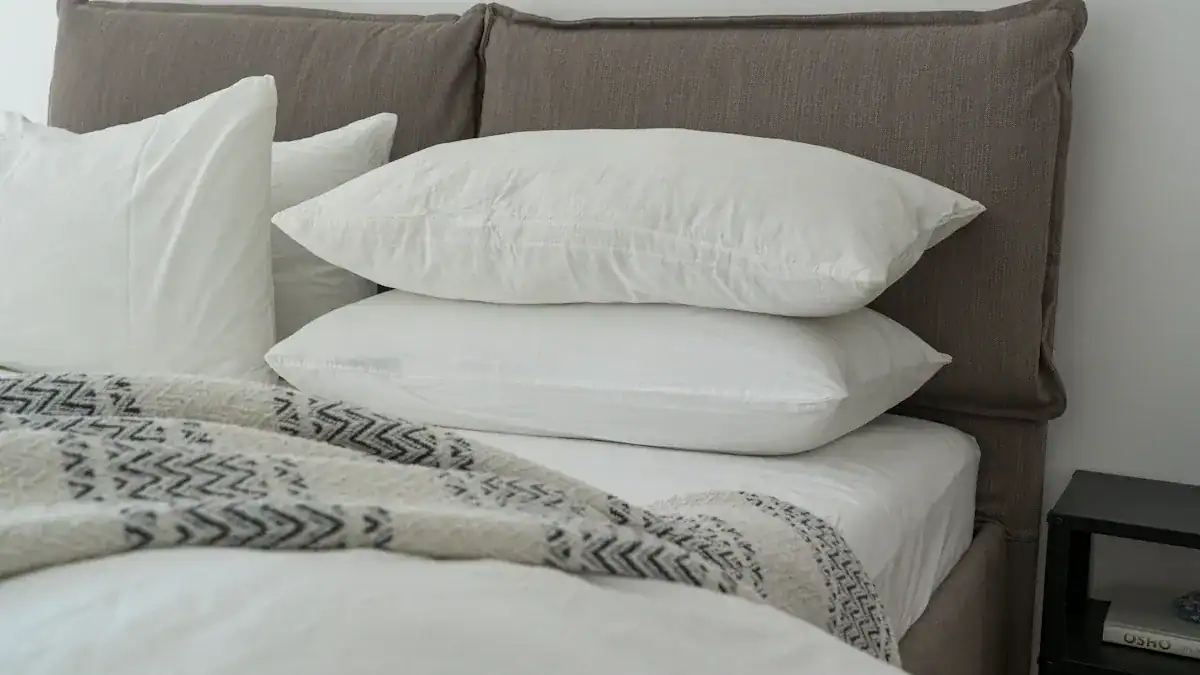
If you wonder what is the best fabric for bed sheets this year, you will find that cotton, especially Egyptian cotton, stands at the top. You get sheets with superior breathability, exceptional softness, and long-lasting durability. Many people love Egyptian cotton because it feels cool and comfortable every night. Some choose linen for its crisp, airy texture in the summer. Others pick bamboo sheets for a greener choice and a silky touch. No matter your style, you deserve sheets that help you sleep well.
Points clés à retenir
Egyptian cotton is the top choice for bed sheets in 2025 due to its softness, breathability, and durability. It feels cool and comfortable, making it ideal for a good night’s sleep.
Linen sheets are perfect for hot climates. They are eco-friendly, breathable, and hypoallergenic, providing comfort and longevity.
Bamboo sheets offer a silky touch and excellent moisture-wicking properties. They are a great option for those seeking sustainability and softness.
Silk sheets provide luxury and hydration for skin and hair. They help regulate temperature but require careful maintenance.
Polyester sheets are budget-friendly and easy to care for. They resist wrinkles but may not be as breathable as natural fibers.
What is the Best Fabric for Bed Sheets: Top Choices
Choosing what is the best fabric for bed sheets can feel overwhelming. You see so many options in stores and online. Each material has its own strengths and weaknesses. Let’s break down the top choices so you can pick the perfect sheets for your needs.
Coton
Cotton remains the most popular answer when you ask what is the best fabric for bed sheets. You get sheets that feel soft, breathe well, and last for years. Egyptian cotton stands out for its silky texture and long fibers. These sheets are hand-picked, which keeps the fibers strong and helps the sheets stay vibrant after many washes.
Here’s a quick look at how Egyptian cotton compares to other cotton types:
Fonctionnalité | Coton égyptien | Other Cotton Types |
|---|---|---|
Texture | Silky and smooth | Soft but less luxurious |
Harvesting | Hand-picked to preserve fiber integrity | Machine-picked |
Durabilité | Long-lasting, less likely to pill | May wear out faster |
Évacuation de l'humidité | Excellent, keeps skin dry | Less effective |
Rétention des couleurs | Stays vibrant after multiple washes | May fade over time |
Prix | Generally higher upfront cost | Typically lower cost |
Cotton sheets absorb moisture well and help regulate your body temperature. You can find them in many price ranges and patterns. They do wrinkle easily and take longer to dry, but most people agree the comfort is worth it. In 2025, cotton bed sheets hold a market share of 17.4%, showing just how many people trust this fabric for their sleep.
Astuce : If you want luxury and durability, choose Egyptian cotton. You’ll notice the difference every night.
Lin
Linen is another strong contender when you wonder what is the best fabric for bed sheets. You get sheets that feel crisp and cool, perfect for summer or hot climates. Linen comes from the flax plant, which grows easily and uses little water. This makes linen an eco-friendly choice.
Avantage | Description |
|---|---|
Durabilité | Linen is eco-friendly and biodegradable, appealing to consumers concerned about environmental impact. |
Respirabilité | Linen bed sheets allow for better airflow, enhancing comfort during sleep. |
Durabilité | Known for their longevity, linen sheets provide long-term value, which is attractive to consumers. |
Avantages pour la santé | Hypoallergenic properties make linen suitable for sensitive skin, promoting better health. |
Linen sheets last longer than cotton and bamboo. They resist wear and tear, so you can use them for years. Linen does wrinkle easily and costs more upfront, but many people love the natural look and feel. Younger buyers, especially those who care about the environment, are choosing linen more often.
Bambou
Bamboo sheets are gaining popularity among people who want softness and sustainability. If you ask what is the best fabric for bed sheets for eco-friendly living, bamboo often comes up. Bamboo grows quickly without extra water or pesticides. The sheets feel silky and cool, and they help regulate temperature better than cotton or linen.
Matériau | Water Usage | Utilisation de pesticides | Durabilité |
|---|---|---|---|
Bambou | Bas | None | Haut |
Coton | Haut | Haut | Modéré |
Bamboo sheets wick away moisture and keep you dry.
They are hypoallergenic, so they work well for sensitive skin.
Bamboo sheets are durable and last longer than cotton, but not as long as linen.
Some people worry about the chemicals used in processing bamboo, so look for brands that use safe methods.
Remarque : Bamboo sheets are softer than linen and manage moisture better, making them a great choice for hot sleepers.
Soie
Silk sheets offer pure luxury. If you want to treat yourself, silk might be what is the best fabric for bed sheets for you. Silk feels smooth and gentle on your skin. It helps keep your skin and hair hydrated. Silk also regulates temperature, so you stay cool in summer and warm in winter.
Type de tissu | Gamme de prix |
|---|---|
Silk Sheets | $300 to $1,000 |
Premium Cotton | $100 to $400 |
Silk sheets cost more than other fabrics, but many buyers say the benefits are worth it. Hot sleepers often notice better sleep quality with silk. You do need to care for silk sheets carefully, washing them gently and keeping them out of direct sunlight.
“Hot sleepers experience up to a 15% improvement in sleep quality when switching from cotton to silk.”
Polyester
Polyester sheets are a budget-friendly option. If you want to save money, polyester might be what is the best fabric for bed sheets for your home. Polyester resists wrinkles and holds its shape well. It’s easy to wash and dries quickly.
Advantages of Polyester Bed Sheets | Disadvantages of Polyester Bed Sheets |
|---|---|
Durable and resistant to wear | Potential for static electricity |
Generally more affordable | Less breathable than natural fibers |
Facile d'entretien | Environmental impact from production |
Good temperature regulation | Sensitivity for some users |
Polyester sheets last longer than cotton and resist shrinking and stretching. They don’t breathe as well as natural fibers, so you might feel warmer at night. Polyester comes from fossil fuels, which means it’s less eco-friendly than bamboo or linen. Recycled polyester is a better choice if you care about the environment.
Astuce : If you want sheets that last and cost less, polyester is a smart pick. For better breathability, try blends with cotton.
Tableau de comparaison
Here’s a quick comparison of the main fabrics:
Matériau | Avantages | Inconvénients |
|---|---|---|
Coton | Good moisture absorption, Breathability, Thermoregulation, Environmentally friendly, Long service life, Various price categories, Variety of patterns and designs | Little resistance to UV rays, Material wrinkles heavily, Subject to deformation during washing, Takes a long time to dry |
Lin | Highly breathable and comfortable, Durable and long-lasting, Eco-friendly attributes | Tends to wrinkle easily, Higher initial cost, Requires careful maintenance |
Bambou | Incredible Softness, Temperature Regulation, Hypoallergenic Properties, Sustainability, Durability | Price Point, Wrinkling, Care Requirements, Environmental Debate Around Processing |
Soie | Superior comfort, Gentle on skin, Hydrates skin and hair | Higher maintenance, Generally more expensive |
Polyester | Durability, Resistance to wrinkles | Lacks breathability, Less comfortable against the skin, Often less expensive |
When you ask what is the best fabric for bed sheets, think about your needs. Do you want luxury, eco-friendliness, or easy care? Each fabric has something special to offer. You can find the perfect sheets for your sleep style and budget.
Key Factors for Choosing Bed Sheet Fabric
Confort
You want sheets that feel good every night. Comfort depends on the fabric’s texture and how it touches your skin. Linen stands out because it feels soft and gets even softer after each wash. It’s also hypoallergenic, so it’s gentle if you have sensitive skin. Cotton, especially Egyptian cotton, feels smooth and cozy. Bamboo sheets offer a silky touch, while polyester and microfiber can feel less natural but still soft. If you ask what is the best fabric for bed sheets for comfort, linen and Egyptian cotton often come up first.
Linen helps you sleep better because it keeps your body at the right temperature.
Bamboo and silk feel cool and smooth, which many people love.
Respirabilité
Breathability keeps you cool and dry. Linen lets air flow easily and wicks away moisture, so you don’t wake up sweaty. Cotton also breathes well and absorbs moisture. Bamboo sheets help regulate temperature, making them great for hot sleepers. Polyester traps heat, so you might feel warmer at night.
Linen is breathable and moisture-wicking.
Bamboo and cotton help you stay cool in summer and warm in winter.
Durabilité
Durable sheets last longer and save you money. Linen can last for a decade or more if you care for it properly. Cotton sheets also hold up well, especially high-quality ones. Bamboo is strong but may wear out faster than linen. Polyester resists wear and tear, but it can pill over time.
Linen’s durability means you replace sheets less often.
Cotton and bamboo offer good durability for everyday use.
Soins
Easy care makes life simpler. Microfiber and percale sheets are low-maintenance and easy to wash. Polyester dries quickly and resists wrinkles. Linen needs gentle washing but doesn’t need frequent replacement. Cotton can wrinkle and takes longer to dry, but it’s easy to clean.
Tip: If you want sheets that are easy to care for, try microfiber or percale.
Prix
Price matters when you shop for new sheets. High-quality fabrics cost more, but they last longer. Here’s a quick look at prices in 2025:
Marque | Matériau | Prix |
|---|---|---|
Birch | Bedding Bundle | $168 |
Cotton and linen usually cost more upfront. Bamboo and polyester offer budget-friendly options. Silk is the most expensive, but it feels luxurious.
You should think about comfort, breathability, durability, care, and price before deciding what is the best fabric for bed sheets for your home.
Best Fabrics for Specific Needs
Les dormeurs qui ont chaud
If you often wake up feeling hot or sweaty, you need sheets that help you stay cool. Breathable fabrics work best for you. Sleep specialists in 2025 recommend these options:
Tencel® sheets: They feel soft, breathe well, and wick away moisture.
Bamboo sheets: These sheets keep you cool and dry all night.
Linen sheets: Linen lets air flow and absorbs sweat quickly.
Cotton sheets (percale weave): This weave feels crisp and airy, though it absorbs less than the others.
Tip: Try bamboo or linen if you want a cool, fresh feeling every night.
Cold Sleepers
Do you get chilly at night? You want sheets that keep you warm but not sweaty. Some fabrics trap just enough heat while still letting your skin breathe. Here are top picks for cold sleepers:
Bamboo sheets: These work all year. They keep you warm in winter and cool in summer.
Cotton sheets: 100% cotton gives you warmth and comfort without overheating.
Linen: Linen helps regulate your body temperature, so you feel cozy even when it’s cold.
Note: Layering your bedding with a soft blanket can add extra warmth.
Luxury Seekers
If you want your bed to feel like a five-star hotel, choose luxury fabrics. Interior designers in 2025 love these options:
frette: Their Triplo Bourdon cotton duvet covers feel rich and look elegant.
King of Cotton: Their Egyptian cotton sateen bedding has a high thread count and a silky finish.
You’ll notice the difference every time you slip into bed. High-thread-count Egyptian cotton feels smooth and lasts for years.
Value Shoppers
Looking for comfort without spending a lot? You have great choices that balance quality and price:
Tissu | Avantages | Consultez |
|---|---|---|
Polyester | Affordable, easy to wash | Less breathable |
Coton | Good value, soft feel | May wrinkle |
Bambou | Durable, eco-friendly | Slightly higher cost |
Tip: Cotton-polyester blends give you softness and durability at a lower price.
You want sheets that feel soft, last long, and help you sleep well. Cotton, especially Egyptian cotton, stands out for comfort, breathability, and durability. Many shoppers look for organic, non-toxic cotton with trusted certifications for peace of mind. Your sleep habits matter, too. Think about what feels best for you—some people love the cool touch of linen or bamboo, while others need the smoothness of silk.
Choisir natural materials for better comfort and breathability.
Look for higher thread counts if you want extra softness.
Pick what matches your sleep style and budget.
Tip: Try Egyptian cotton if you want a safe, comfy, and long-lasting sheet set.
FAQ
What thread count should you look for in bed sheets?
You want a thread count between 300 and 500 for most cotton sheets. Higher thread counts can feel softer, but sometimes they trap heat. Focus on quality, not just the number.
Les draps en bambou sont-ils sans danger pour les peaux sensibles ?
Yes, bamboo sheets work well for sensitive skin. They feel soft and hypoallergenic. You can sleep comfortably without worrying about irritation.
How often should you wash your bed sheets?
You should wash your sheets every one to two weeks. Clean sheets help you sleep better and keep your bed fresh. If you sweat a lot, wash them more often.
Do linen sheets get softer over time?
Linen sheets start out crisp, but they soften with each wash. You will notice them getting cozier and smoother after a few months.
Can you mix and match different sheet fabrics?
You can mix fabrics like cotton and linen for a unique feel. Try layering a linen duvet with cotton sheets. This gives you comfort and style.
Voir aussi
Choosing Between Microfiber And Pure Polyester Sheets For You
 French
 English
 Arabic
 Spanish
 Italian
 Portuguese
 Vietnamese