

When you shop for bed sheets, you may notice people talk a lot about thread count. Experts often recommend a thread count between 300 and 500 for most sheets. This range gives you a soft touch and helps your sheets last longer. You get more comfort and better breathability with a good thread count bed sheets, so you sleep cooler and more relaxed. If you see sheets with thread counts above 800, you do not always get better quality. Here is what textile experts suggest:
Thread Count Range | Expert Opinion |
|---|---|
300–500 | Optimal for most sheet types |
200–600 | Good, varies by weave type |
200–400 | Higher counts may not add value |
You deserve sheets that feel great and hold up well. You can use thread count as a helpful guide, but you should not let marketing hype fool you.
Key Takeaways
The ideal thread count for most bed sheets is between 300 and 500, providing a balance of softness and durability.
Higher thread counts do not always mean better quality; focus on material and weave for true comfort.
Look for sheets made from long staple cotton or Egyptian cotton for a luxurious feel and lasting durability.
Check for trusted certifications like GOTS or Oeko-Tex to ensure sheets are made from safe, high-quality materials.
Consider your personal comfort preferences and choose the weave type that suits your sleeping style, such as percale for coolness.
What Is Thread Count
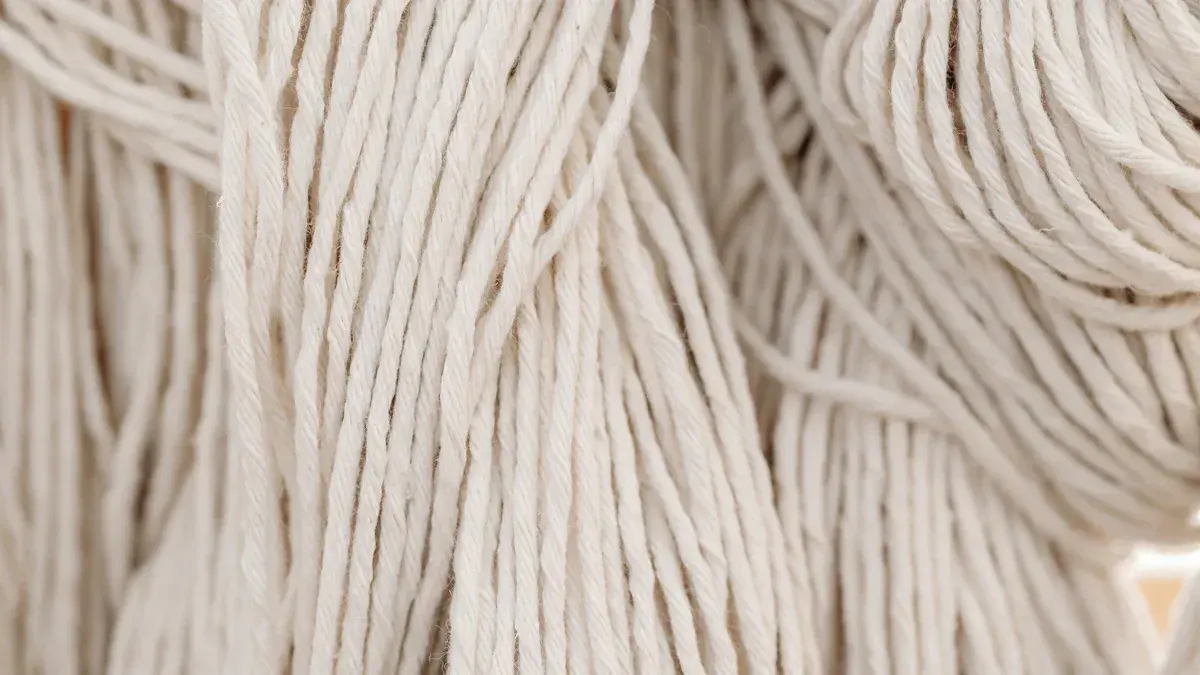
When you shop for sheets, you often see the term thread count. This number tells you how many threads are woven into one square inch of fabric. You might think a higher thread count always means better sheets, but that is not always true. Understanding thread count helps you pick the right sheets for your bed.
How Thread Count Is Measured
You measure thread count by counting the threads that run both up and down (warp) and side to side (weft) in a square inch of fabric. For example, if there are 150 threads going up and 150 threads going across, the thread count is 300. This method gives you a clear idea of how tightly the fabric is woven.
Note: Thread count in the textile industry is the total number of threads woven together in a one-inch square of fabric. You add the vertical and horizontal threads to get this number.
Here are some common thread count numbers you might see:
Standard cotton sheets have a thread count around 150.
Good-quality sheets start at 180.
Percale sheets usually have a thread count of 200 or higher.
Thread count shows how many threads are present in a square inch of fabric. This number helps you understand the quality and feel of your sheets. A higher thread count can mean a softer sheet, but only up to a point.
Why Thread Count Became Popular
You see thread count on many sheet packages because it became a popular way to show quality. Companies started using thread count as a selling point. Many people began to believe that a higher thread count always meant better sheets. This idea spread quickly, and now you see thread count everywhere.
However, you should know that thread count is just one part of what makes a sheet comfortable. The type of cotton, the weave, and the finish also matter. When you look for new sheets, remember that thread count helps, but it is not the only thing to check.
Good Thread Count Bed Sheets
Ideal Range for Most Sheets
When you look for good thread count bed sheets, you want a balance of softness, durability, and breathability. The best thread count for sheets usually falls between 300 and 500. This range gives you a buttery smooth feel and helps your sheets last longer. You get soft features in bed sheets without making them too dense or heavy.
Sheets with a thread count of 300-500 offer a smooth, luxurious feeling and allow air to flow, so you stay cool at night.
If you pick a thread count above 600, the fabric can trap heat and feel less breathable.
Lower thread counts, below 200, may not give you the comfort or durability you want.
You might see some brands advertise high thread count sheets, sometimes above 800. These numbers often come from marketing tricks. Manufacturers may use multi-ply yarns to inflate the thread count, but this does not make the sheets softer or stronger. In fact, very high thread count sheets can wear out faster because they use thinner threads packed tightly together. A well-made sheet with a sensible thread count will wash well and keep its buttery smooth feel for years.
Longevity depends more on fiber strength and weave quality than thread count alone. Extremely high thread counts may actually be less durable if made with thinner, weaker fibers.
Best Thread Count for Sheets by Material
The best thread count for sheets depends on the material you choose. Cotton sheets, linen, and bamboo all have different ideal thread counts. You should also look for long staple cotton or Egyptian cotton for the best results. These fibers create fine cotton sheets that feel soft and last longer.
Material | Recommended Thread Count | Notes |
|---|---|---|
Cotton | 200-400 (decent), 400-800 (luxury) | Long staple cotton and Egyptian cotton give a buttery smooth feel and soft features in bed sheets. |
Bamboo | 100% bamboo fibre sheets feel soft and breathable, even at lower thread counts. | |
Linen | 80-150 | Linen does not need a high thread count for comfort. |
Cotton sheets made from long staple cotton or Egyptian cotton give you a luxurious feeling and last longer. Fine cotton sheets with a thread count between 400 and 500 feel soft and smooth. Sateen woven sheets, which use a special weave, often have a higher thread count and a silky finish. You can find sateen woven sheets with a thread count between 300 and 600 for a buttery smooth feel.
Bamboo sheets made from 100% bamboo fibre feel soft and cool with a thread count between 250 and 350. You do not need a high thread count to get comfort from bamboo. Linen sheets, on the other hand, feel best with a lower thread count. You get a crisp, airy feel with linen, even at 80 to 150 thread count.
High-quality fibers, like long staple cotton, make a bigger difference in comfort and durability than thread count alone. Well-constructed sheets with strong seams and quality stitching will last longer and feel better over time.
Good Thread Count for Hot Sleepers
If you sleep hot or live in a warm climate, you want sheets that help you stay cool. The ideal thread count for hot sleepers is between 250 and 400. This range gives you lightweight, breathable sheets that wick away moisture and keep you comfortable all night.
Thread counts below 200 may feel rough and wear out quickly.
Thread counts above 500 can trap heat and feel heavy.
The best thread count for sheets for hot sleepers is 250-400, especially if you choose 100% cotton or 100% bamboo fibre.
Percale sheets, made from long staple cotton, have a crisp, cool feel and work well for hot sleepers. You can find percale sheets with a thread count between 200 and 400. Sateen woven sheets, which use a different weave, feel silkier and heavier. For a cooler sleep, stick with percale or bamboo sheets in the ideal thread count range.
Very high thread count sheets may feel soft at first, but they can wear down quickly and trap heat. A good thread count bed sheet made from long staple cotton or Egyptian cotton will keep you cool and comfortable for years.
When you shop for good thread count bed sheets, remember that the best thread count is not always the highest number. Look for long staple cotton, Egyptian cotton, or 100% bamboo fibre for a luxurious feeling and soft features in bed sheets. Sateen woven sheets and fine cotton sheets with the right thread count will give you a buttery smooth feel and lasting comfort.
Thread Count Myths and Marketing
High Thread Count Misconceptions
You may think a high thread count always means better sheets. This is a common myth. Many brands use high thread count as an important indicator of quality, but this is not always true. Here are some common misconceptions:
A higher thread count does not guarantee better quality. Some brands count multi-ply threads as separate threads, which inflates the number.
Sheets with inflated thread counts can feel coarse and less breathable. You may not get the smooth, cool sleep you expect.
The ideal thread count for most sheets falls between 200 and 800. Going above this range does not always make sheets softer or more comfortable.
Some luxury sheets use high thread count as a selling point, but the real comfort comes from the type of cotton, such as egyptian cotton, and the weave.
If you focus only on high thread count, you might miss out on sheets that feel smooth and last longer. Always check for the minimum thread count needed for comfort, but do not let big numbers fool you.
How to Spot Inflated Thread Counts
Many companies use marketing tricks to make their sheets look like luxury products. You should know how to spot these tactics:
Tactic | Description |
|---|---|
Multi-ply threads | Using several thin threads twisted together and counting each as a separate thread. |
Suggesting that high thread count always means better quality or smoother sheets. |
To avoid being misled, follow these steps:
Feel the fabric. Quality sheets should feel smooth and soft, no matter the thread count.
Ask if the sheet uses single-ply or multi-ply yarns. Single-ply usually gives a smoother, more durable sheet.
Look for the type of cotton. Egyptian or long-staple cotton often makes a big difference.
Check the weave. Percale and sateen weaves offer different feels and breathability.
Research the brand. Reliable brands often use honest thread count numbers.
Watch the price. If a high thread count sheet seems too cheap, it may not be true luxury.
Read reviews. Other buyers can tell you if the sheets stay smooth and last.
Buying sheets based only on high thread count can lead to disappointment. Some brands use low-quality materials or even toxic treatments to boost numbers. You may find that the smooth coating washes off, leaving rough sheets behind. Always look for real quality, not just a big number.
How to Choose the Best Sheets
Balancing Comfort, Quality, and Budget
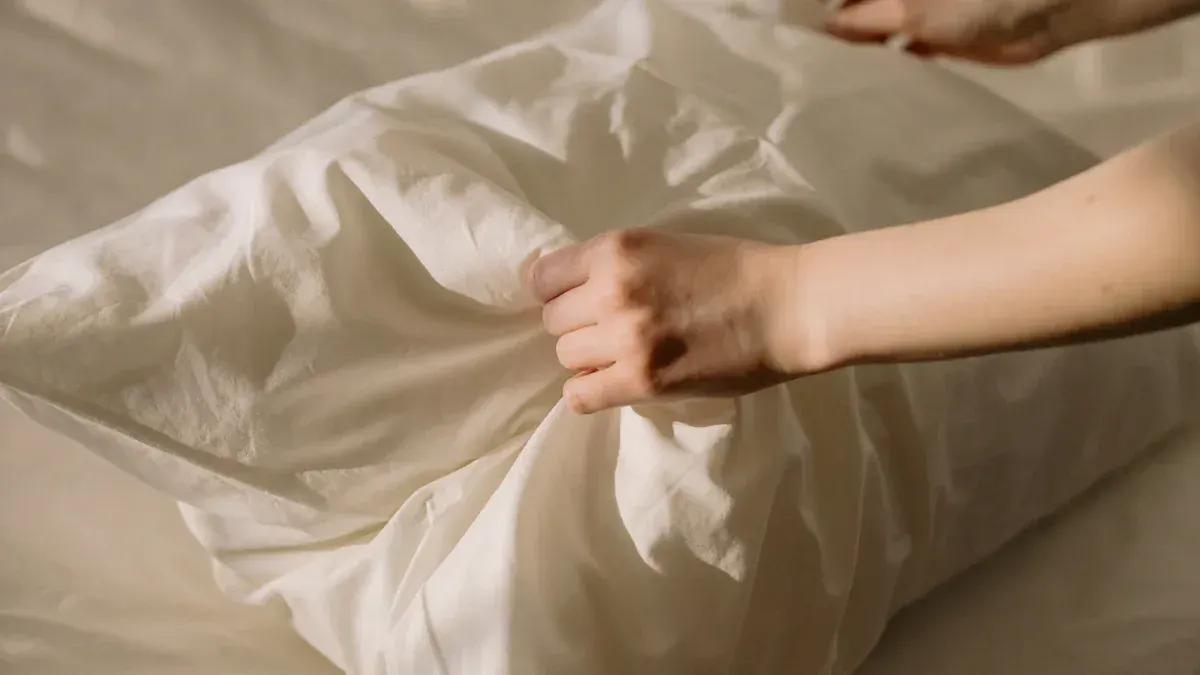
You want good quality sheets that feel soft and last a long time. Start by thinking about what matters most to you. Some people like the crisp feel of percale, while others prefer the silky touch of sateen. Remember, comfort is personal. You might enjoy egyptian cotton for its smoothness and strength. If you want to save money, look for sheets with a thread count between 300 and 500. This range gives you a nice balance of softness and durability.
When you shop, check for trusted brands. Many shoppers like Costco Kirkland Cotton Sheets or Target Threshold Performance Cotton Sheets. These options often get high marks for overall quality. If you want to help the planet, choose sustainable materials like organic cotton or bamboo. These sheets use fewer chemicals and support better farming practices. GOTS certification means the sheets use organic materials and avoid harmful pesticides. Oeko-Tex certification shows the sheets are free from dangerous chemicals, making them safe for your family.
Other Factors Beyond Thread Count
Thread count is only one part of sheet quality. Quality mainly comes from the material. Egyptian cotton and long-staple cotton make sheets softer and stronger. The weave also changes how sheets feel and last. Use the table below to compare different weaves:
Weave Type | Feel Characteristics | Durability Characteristics |
|---|---|---|
Percale | Cool, crisp, velvety | Strongest weave, best above 200 thread count |
Sateen | Smooth, silky, shiny | Durable, but depends on thread count |
Flannel | Soft, warm, cozy | Less durable, best for cool weather |
Jersey Knit | Stretchy, T-shirt feel | Not as durable, budget-friendly |
Look for sheets with high overall quality. Choose egyptian cotton or sustainable materials for the best results. Always check for certifications like GOTS or Oeko-Tex. These signs show you are getting safe, high-quality sheets. Remember, sheet quality depends on more than just numbers. Pick what feels best for you and fits your needs.
You now know that the best thread count for most bed sheets is between 300 and 500. Material and weave matter just as much for comfort and durability.
Check the fiber type and weave before you buy.
Do not trust high numbers alone. Sheets above 400 thread count may not feel better.
Choose what feels best for you and fits your needs.
The real feel and breathability of your sheets depend more on fabric and weave than on thread count alone.
FAQ
What does thread count mean for bed sheets?
Thread count tells you how many threads run up and down and side to side in one square inch of fabric. This number helps you compare sheet softness and durability.
Do higher thread counts always mean better sheets?
No, higher numbers do not always mean better quality. Sheets with very high counts can feel heavy and trap heat. Focus on material and weave for comfort.
How can you tell if a sheet is good quality?
Check the fiber type, like Egyptian or long-staple cotton. Feel the fabric for softness. Look for trusted certifications such as GOTS or Oeko-Tex.
What is the best weave for cool sleeping?
Percale weave feels crisp and cool. It lets air flow and helps you stay comfortable at night. Many hot sleepers prefer percale sheets.
How often should you replace your bed sheets?
You should replace your sheets every two to three years. If you notice thinning, pilling, or fading, it is time for a new set.
See Also
Choosing Between Microfiber And Polyester Sheets For Comfort
 English
 Arabic
 Spanish
 French
 Italian
 Portuguese
 Vietnamese
