
You see more buyers pick bedding fabric wholesale. Comfort and durability are important in hotels and homes. Home textiles help change the market as new materials and styles show up. Experts think the global hotel bedding market will be $12.3 billion by 2032. It will grow at 6.5% each year. Many people want home textiles made from eco-friendly fibers and easy-care fabrics. You can learn about weave types and thread counts before you choose the best products.
Key Takeaways
Pick bedding fabrics that are made from natural fibers like cotton or linen. These materials feel nice and last a long time.
Find a thread count between 200 and 400 for best comfort and strength. Higher thread counts do not always mean better sheets.
Choose eco-friendly materials like organic cotton or bamboo. These choices help the planet and are what many customers want.
Ask suppliers to send you samples before you buy a lot. This lets you check if the fabric feels good and is good quality.
Make strong connections with your suppliers. Talking well with them can help you get better prices and good service.
Selection Criteria
Material Quality
You want bedding fabrics that are very good. The quality of the material changes how bedding feels and lasts. It also changes how bedding looks. When you buy home textiles for wholesale, pick high-quality textiles. Look for natural fibers like cotton or linen. These fibers are soft and strong. Suppliers with product quality certifications meet industry rules. You should check if the weave is even and seams are strong. These things help bedding last longer.
Here is a table that shows important criteria for supplier evaluation:
Criteria for Supplier Evaluation | Description |
|---|---|
Product quality certifications | Make sure suppliers meet quality rules. |
Range of available products | Find many choices and ways to customize. |
Competitive pricing | Check if prices are clear and fair. |
Responsive customer service | See if suppliers help you quickly. |
Established track record | Look at the supplier’s history in bedding. |
You should also look for colorfast dyes. These dyes keep bedding bright after many washes. Good materials help stop fading and tearing. When you pick bedding fabric, remember thread counts between 200 and 400 are best. Strong stitching is also important.
Tip: Ask your supplier for samples before you buy a lot. This lets you check the quality and feel the fabric.
Comfort and Durability
Comfort and durability are most important for hotels and homes. You want bedding that feels soft and lasts through many washes. Bedding should help control temperature. Fabrics that breathe and move sweat away help people sleep better. This is good for people who get hot at night. Polyester and microfiber are comfortable and last a long time. Blends are also good and need only a little care.
Here is a table that compares comfort, durability, and maintenance for popular materials:
Material | Comfort | Durability | Maintenance |
|---|---|---|---|
Polyester | High | High | Easy |
Microfiber | High | High | Easy |
Blends | High | High | Moderate |
You should know how fiber type changes bedding. Linen is stronger than cotton. Linen sheets last longer and do not pill much. Cotton sheets are soft but may wear out faster. A resort in Bali found linen sheets lasted 40% longer than cotton sheets.
Fabric Type | Average Tensile Strength (MPa) | Cycles to Breakdown (Abrasion Resistance) | Avg. Lifespan (wash cycles) |
|---|---|---|---|
Linen | 350 MPa | 18,000–25,000 | 150–200 |
Cotton | 220 MPa | 12,000–15,000 | 80–100 |
Softness and durability depend on thread count, fiber, weave, and finishing. Higher thread counts make fabric softer. Natural fibers like cotton feel soft but may not last as long as synthetic fibers. Special finishing, like mercerization, makes bedding softer and last longer.
Note: Strong seams and good stitching help bedding last longer, even with lots of use.
Maintenance Needs
Easy care saves you time and money. You want home textiles that are easy to clean and keep their shape. Bedding can tear, stain, or get damaged from washing. You can stop these problems by picking good materials and caring for them right.
Here is a table with common durability issues and solutions:
Durability Issue | Description | Solution |
|---|---|---|
Tearing | Damage from sharp edges or old bed parts. | Handle with care and use good materials. |
Staining | Stains from spills or makeup are hard to clean. | Separate stained linens and use stain remover. |
Washing | Rough washing can hurt the fabric. | Wash gently and follow care steps. |
You should follow care steps for each fabric:
Fabric Type | Maintenance Protocols |
|---|---|
Cotton | Wash in cold water, use gentle soap, and store in cotton bags. |
Polyester | Use mild soap, skip fabric softener, and wash in cold water. |
Linen | Wash in cold water, air dry, and iron gently. |
Down-Filled Comforters | Wash gently, dry with dryer balls, and fluff often. |
Always check care labels and follow the steps. This helps bedding last longer and look new. When you buy bedding for wholesale, pick fabrics that are easy to clean. This makes your home textiles worth more.
Weave Types & Thread Count
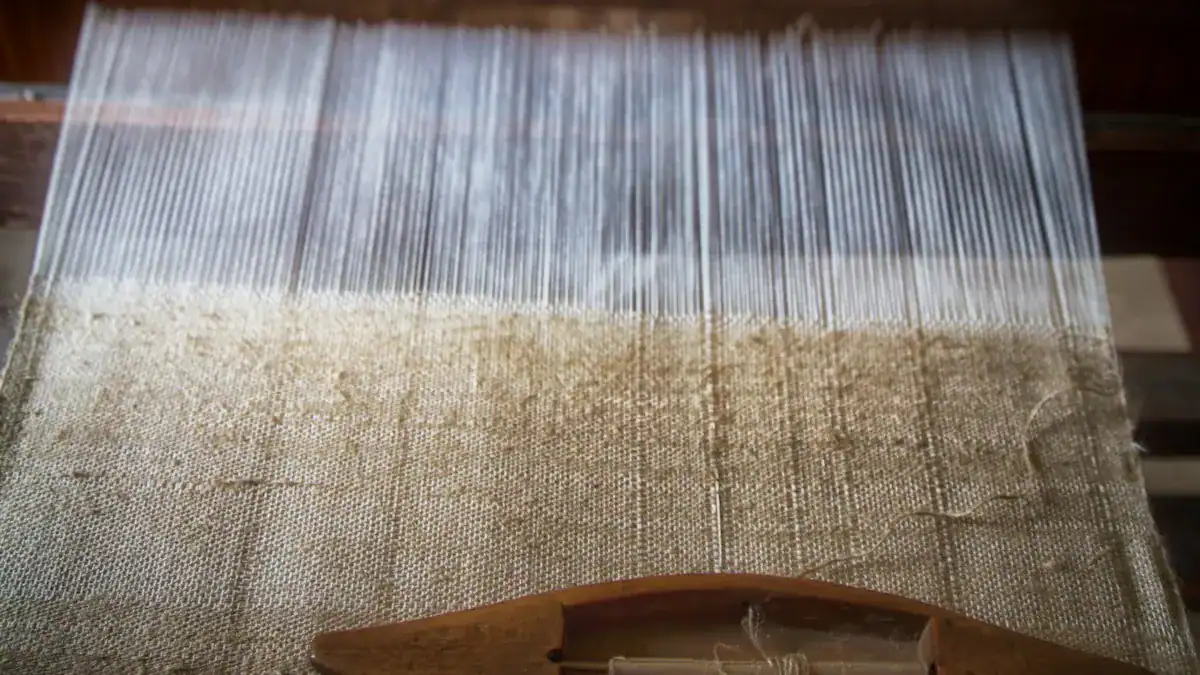
Sateen, Percale, Jacquard
You can choose from many weave types when you buy bedding fabrics. Each weave changes how bedding feels and lasts. Sateen, percale, and jacquard are three popular choices in home textiles.
Here is a table that shows the main features of sateen and percale:
Weave Type | Characteristics |
|---|---|
Sateen | Smoother and silkier than many other weaves. Higher thread counts, up to 1020 threads per inch. Smoother hand and drape. |
Percale | Strongest weave, one weft over one warp. Cooler to the touch. Velvety feel, ideal for those who sleep hot. Recommended thread count of at least 200. |
Jacquard weaves use special patterns. You see these in luxury bedding. Jacquard fabrics often have raised designs and feel thick. They work well for people who want bedding that stands out.
You can match weave types to your needs:
Percale feels crisp and cool. It works best for sheets and pillowcases. People who sleep hot like percale.
Sateen feels soft and smooth. It traps heat, so it is good for cold months or luxury bedding.
Jacquard looks fancy and lasts a long time. It fits well in high-end home textiles.
Tip: Choose percale for breathability and sateen for a silky touch.
Thread Count Basics
Thread count tells you how many threads fit in one square inch of fabric. Many people think higher thread count means better quality. This is not always true. You should look for a thread count between 200 and 800 for most bedding. For hotels, experts say 250 to 300 is best. This range gives you softness, strength, and breathability.
A thread count of 250 to 300 works well for most commercial bedding.
Counts above 500 do not always mean better sheets. Very high counts can make sheets weaker.
The quality of fibers and the weave matter as much as thread count.
You can find the best value by picking bedding with a good weave and the right thread count. This helps your home textiles last longer and feel better.
Sustainability
Eco-Friendly Materials
More buyers want bedding fabric that is good for the planet. They also want it to feel nice and soft. Many companies now use eco-friendly fibers to make bedding. These fibers help the environment and meet what people want. Here are some options you can pick:
Organic cotton uses less water and no bad chemicals.
Organic linen comes from flax and does not need much water.
Organic hemp is strong and grows with little water.
Wool can be used again and helps keep you warm or cool.
Eucalyptus is used to make Tencel, which breaks down easily.
Bamboo grows fast and does not need many fertilizers.
You can look at how these materials affect the earth:
Material | Environmental Impact | Key Points |
|---|---|---|
Organic Cotton | Needs less water and no fake pesticides, so it is better than regular cotton. | It is a greener choice and saves a lot of water. |
Bamboo | Grows fast and does not need many chemicals, but making it into fabric can hurt the earth. | It is easy to grow and breaks down, but some ways to make it use a lot of chemicals. |
Recycled Polyester | Is better than new polyester, and it helps cut down on waste. | It comes from oil and uses a lot of energy, but it is still better than making new polyester. |
When you pick bedding made from recycled or natural fibers, you help the earth. These choices are good for the planet and work well for home textiles.
Certifications
You should check for certifications when you buy eco-friendly bedding. Certifications show the bedding is safe and good for the earth. Here are some important ones you might see:
Certification | Description |
|---|---|
GOTS | Makes sure the fabric is organic and made in a safe way. |
OEKO-TEX | Checks that the fabric does not have bad chemicals. |
FSC | Shows the wood for fibers like Tencel comes from safe forests. |
GRS | Checks that recycled materials are used the right way. |
BCI | Helps farmers grow better cotton, even if it is not fully organic. |
You can trust bedding with GOTS and OEKO-TEX labels. GOTS means the fabric is mostly organic and workers are treated fairly. OEKO-TEX makes sure there are no harmful chemicals. Both help keep the earth clean and save resources. When you pick certified bedding, you help make the future better for home textiles.
Tip: Always ask your supplier for proof of certification. This helps you make sure your bedding is really eco-friendly.
Pricing & Value
Cost vs. Quality
It is important to find a good balance between price and quality. High-quality bedding costs more, but it lasts longer and feels nicer. You get more for your money over time. Bedding that wears out fast will cost you more later.
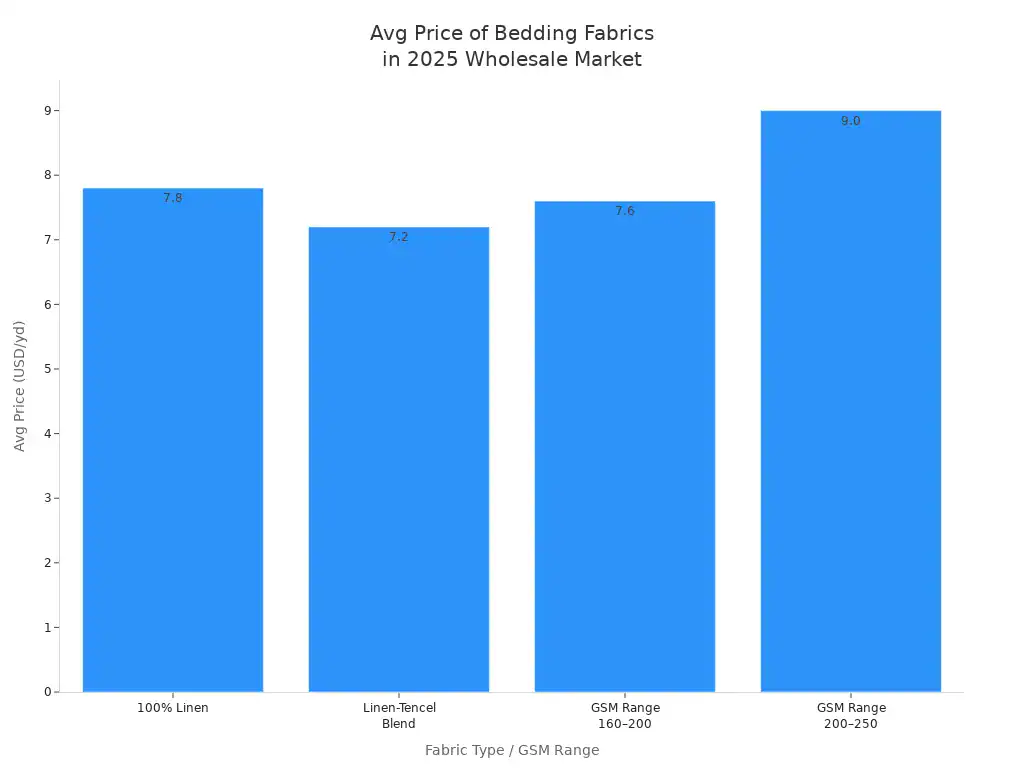
Here is a table with average prices for high-quality bedding fabrics in wholesale markets in 2025:
Fabric Type | Avg Price (USD/yd) |
|---|---|
100% Linen | $7.80 |
Linen-Tencel Blend | $7.20 |
GSM Range 160–200 | $7.60 |
GSM Range 200–250 | $9.00 |
You should think about price and value together. Cheaper bedding may seem good, but it might not last. Poor quality can make customers unhappy and cause more returns. The best choice is bedding that is comfortable and strong.
Tip: Ask for samples before you buy a lot. This lets you check if the fabric is good and strong.
Negotiating Wholesale
You can save money by using smart ways to negotiate. First, know your budget and the smallest amount you can order. This helps you buy the right amount. Good relationships with suppliers can help you get better deals.
Figure out your budget, including shipping and taxes.
Know the smallest order size that fits your needs.
Talk about prices and payment rules for big orders.
Ask for samples to check quality.
“Negotiation helps you get better deals. Learn about bulk discounts and tiered pricing. Always try to get lower prices when you order a lot.”
You should also:
Find out about bulk discounts and tiered pricing.
Make sure payment rules are clear.
Always ask for better prices on big orders.
When you focus on price and value, you make smart choices for your business. You get bedding that lasts and keeps customers happy. The right balance between price and quality helps your business do well.
Bedding Fabric Wholesale Sourcing
Supplier Reputation
It is important to pick a good supplier. A supplier’s reputation can help your business do well. Look for suppliers who have worked for many years. Suppliers with famous clients usually have high standards. You can read reviews to learn about their strengths and weaknesses. Ask for fabric samples to check quality. Good suppliers care about doing a great job every time.
Factor | Description |
|---|---|
Years in Business | Suppliers with lots of experience are usually more trusted. They have strong processes and people trust them. |
Client Portfolio | Suppliers with big brands as clients often meet high standards. |
Reviews and Testimonials | Past client feedback shows what the supplier does well and what needs work. |
Good samples show the supplier wants to do their best. | |
Production Capacity | Suppliers should make enough fabric without losing quality. |
Certifications and Standards | Certifications prove the supplier cares about quality and responsibility. |
Pricing and Payment Terms | Prices should be fair but not lower the quality. |
Logistics and Delivery | On-time delivery keeps your supply chain working well. |
Customer Service | Talking openly and building trust helps you succeed for a long time. |
You can make sure a supplier is reliable by following these steps. First, use trusted websites like TEXchange Global, IndiaMART, or TradeIndia. These sites help you find good suppliers. Next, check if suppliers have certifications like GOTS or ISO. This shows they follow important rules. Always ask for samples before you buy a lot. Compare prices, shipping, and return rules from different suppliers. Pick suppliers who answer your questions quickly.
Know the smallest order you can place. Big orders help keep colors and fabric quality the same. This helps your brand look good and keeps your supply chain strong.
Tip: Always ask for certifications and samples before you buy. This helps you get good bedding fabric at wholesale prices.
Product Variety & Customization
You need many fabric choices to do well in bedding fabric wholesale. Suppliers with lots of fabrics attract more buyers. Natural fabrics are good for people who care about the planet. Synthetic fabrics last longer and can be used in many ways. Custom designs help your products stand out.
Fabric Type | Characteristics | Market Appeal |
|---|---|---|
Natural Fabrics | Eco-friendly and let air pass through | Good for buyers who care about the earth |
Synthetic Fabrics | Strong and can be used in many ways | Good for buyers who want to save money |
Custom Designs | Special and made just for you | Makes your products different from others |
More people want different bedding choices. Customization lets you pick colors, patterns, and finishes that fit your brand. Suppliers who offer customization help you follow new trends. Always ask about custom options for big orders. This makes sure you get the fabrics you want.
Many choices help you sell to more people.
Custom designs make your brand special.
Suppliers with lots of choices and custom options help you win in the bedding fabric wholesale market.
Note: Pick suppliers who let you customize and offer many fabrics. This helps your business grow and keeps customers happy.
Best Wholesale Bedding Sets Trends

Popular Materials
Many people pick cotton, linen, and microfiber for bedding in 2025. Cotton is soft and lets air pass through. Linen lasts long and does not pill easily. Microfiber is easy to care for and very strong. Organic cotton and bamboo fiber are now common choices. These materials help you meet eco-friendly needs. More people want packaging that is good for the earth, like compostable bags and cloth pouches you can use again. Suppliers have many fabric choices for different customers. You can choose bedding sets made with care for the planet. This helps your business and also helps the earth.
Design & Function Trends
Color, pattern, and finish trends affect what buyers want. Warm colors like charcoal grey, olive, and brown are popular in cold months. Textured fabrics, like quilted stitching and brushed cotton, feel cozy. Simple patterns, such as soft florals and gentle shapes, add style but do not take over the room. Eco-friendly materials are still very popular. Buyers want products that are good for the earth. Personalization is important too. You can mix and match bedding pieces for special needs. Fabrics that are easy to wash and keep their color are best for hotels and other businesses. These features help bedding last longer and stay bright after many washes.
Trend Type | Description |
|---|---|
Color | Warm colors like charcoal grey, olive, and brown |
Texture | Fabrics with quilted stitching and brushed cotton |
Pattern | Simple patterns like soft florals and gentle shapes |
Sustainability | Eco-friendly materials and careful production |
Making bedding in an eco-friendly way is important.
Packaging that is good for the earth is getting more popular.
Personalization helps buyers get what they want.
You can do well by offering bedding sets with many colors, patterns, and finishes. Following these trends helps you get more customers and grow your business.
To pick the best bedding fabric for wholesale in 2025, try these steps:
Check the thread count to see if the fabric feels soft and fancy.
Pick fabrics that fit what your customers want, like cotton, linen, or microfiber.
Look at prices from different suppliers to find the best deal.
Look for sales during certain times of the year to save money.
It is smart to make good connections with your suppliers and buy materials that are certified and high quality. Pay attention to new styles and always think about comfort, how long the fabric lasts, and if it is good for the planet. Keep learning and ask experts for help when you need it to get the best results.
FAQ
What is the best fabric for hotel bedding in 2025?
Cotton and linen work best for hotels. These fabrics feel soft and last a long time. You can wash them many times. Many hotels pick cotton for comfort and linen for strength.
How do you check if bedding fabric is eco-friendly?
Look for certifications like GOTS or OEKO-TEX. These labels show the fabric is safe for you and the planet. You can ask your supplier for proof before you buy.
Why does thread count matter for bedding?
Thread count shows how many threads are in one square inch. Higher thread counts often feel softer. You should pick bedding with a thread count between 200 and 400 for comfort and durability.
Can you customize bedding sets for wholesale orders?
Yes, many suppliers let you choose colors, patterns, and sizes. You can ask for special designs to match your brand. Custom bedding helps you stand out in the market.
How do you keep bedding fabric looking new after many washes?
Tip: Wash bedding in cold water and use gentle soap. Dry on low heat or air dry. Always follow care labels. These steps help bedding keep its color and shape.
 English
 Arabic
 Spanish
 French
 Italian
 Portuguese
 Vietnamese
