

Have you ever woken up to find your sheets bunched up at your feet or slipping off the corners? You are not alone! Many people face problems like disrupted sleep, tangled sheets, and beds that never look tidy. You might even spend extra time adjusting the sheets every night. Choosing sheets for deep mattresses with “deep pocket” or “extra-deep pocket” labels can fix these issues. Start by measuring your mattress depth, then pick sheets that fit well. The right choice will boost comfort, durability, and even help you stay cool at night.
Key Takeaways
Measure your mattress depth before buying sheets. This ensures a perfect fit and prevents discomfort during sleep.
Choose sheets labeled as deep pocket or extra-deep pocket for thicker mattresses. This helps avoid slipping and bunching.
Select materials based on your comfort needs. Cotton and bamboo are great for breathability, while flannel is ideal for warmth.
Check the thread count, but focus more on the material type for quality sleep. Higher thread counts don’t always mean better sheets.
Use sheet straps or non-slip pads to keep your sheets in place. This reduces the hassle of adjusting your bed every morning.
Measuring Mattress Depth
Why Depth Matters
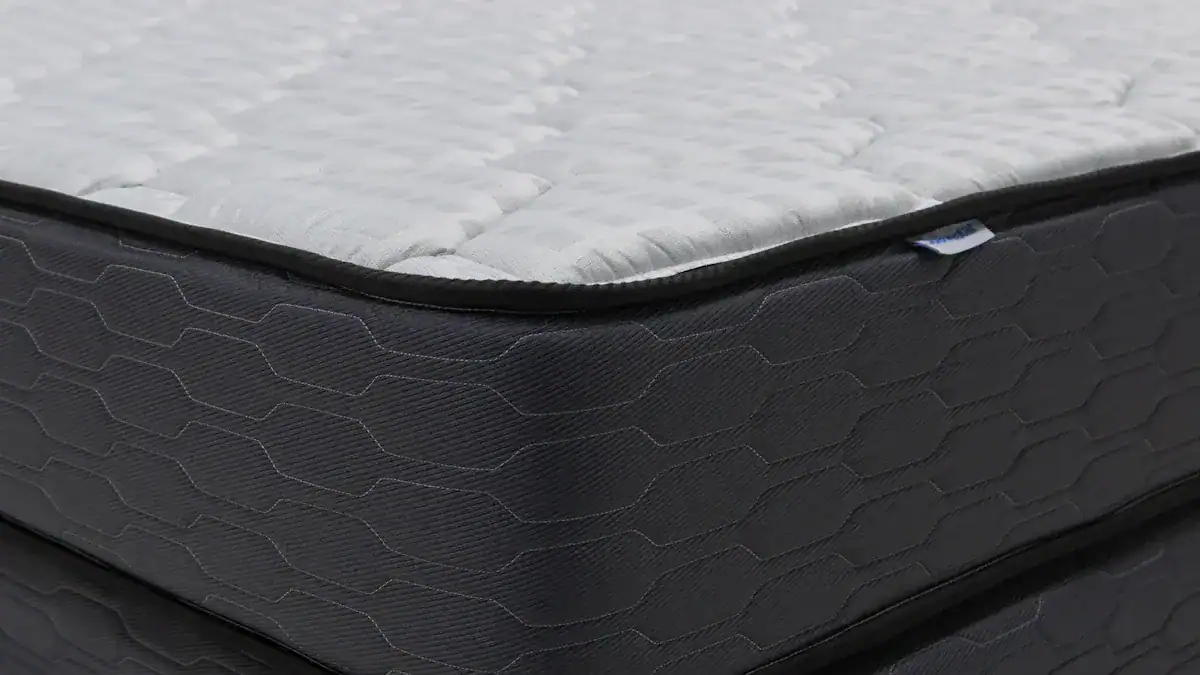
You might wonder why measuring your mattress depth is so important. If you skip this step, you could end up with sheets that just don’t fit. When sheets are too small, they slide off during the night. You wake up feeling tired and frustrated. Tight sheets can rub against your skin and cause irritation. Loose sheets bunch up and collect dust or allergens, which can make allergies worse. Poorly fitted sheets also wear out faster and can even change the shape of your mattress over time.
Here’s what can happen if your sheets don’t match your mattress depth:
You feel uncomfortable and restless at night.
Your skin might get irritated from tight sheets.
Sheets that are too small slip off and disrupt your sleep.
Loose sheets trap dust and allergens.
Both your sheets and mattress wear out faster.
Choosing the right sheets for deep mattresses helps you avoid these problems. You get a smoother sleep and your bed looks neat every morning.
How to Measure Correctly
Measuring your mattress depth is easy and only takes a few minutes. Grab a tape measure and follow these steps:
Remove all bedding, including mattress toppers and protectors.
Place the tape measure at the bottom edge of your mattress.
Measure straight up to the highest point, including any toppers.
Write down the measurement in inches.
If your mattress is thick or has a topper, you need deep pocket or oversized sheets. Always match the sheet pocket size to your mattress depth for a snug fit. Check the sheet label for pocket depth before you buy. This simple step saves you time and hassle later.
Tip: Measure your mattress every time you buy new sheets. Mattresses can change shape over time, especially if you add a topper.
When you measure correctly, you make sure your sheets for deep mattresses fit perfectly. You sleep better and your bed stays tidy.
Types of Sheets for Deep Mattresses
Standard vs. Deep Pocket Sheets
You might see lots of sheet options when you shop, but not all sheets fit every mattress. Standard sheets work for thinner mattresses. Deep pocket sheets fit thicker beds. If you want your bed to look neat and feel comfortable, you need to know the difference.
Here’s a quick table to help you compare:
Type of Sheet | Depth Range |
|---|---|
Regular Pocket Sheets | |
Deep Pocket Sheets | Up to 18 inches deep |
Extra Deep Pocket Sheets | Up to 22 inches deep |
Standard sheets fit mattresses up to 14 inches. Deep pocket sheets work for beds up to 18 inches. Extra-deep pocket sheets stretch to 22 inches. If your mattress is thick or has a topper, deep pocket or extra-deep pocket sheets for deep mattresses will give you a better fit.
Let’s look at how the fit changes:
Sheet Type | Ideal Mattress Thickness | Pros | Cons |
|---|---|---|---|
Standard Sheets | Up to 8 inches | More affordable, versatile, snug fit | May not fit thicker mattresses |
Deep Pocket Sheets | Secure fit for thick mattresses, luxurious feel | Might be looser on standard mattresses, more expensive |
Extra-Deep Pocket Options
If your mattress is extra thick, you need extra-deep pocket sheets for deep mattresses. These sheets have bigger pockets and strong elastic. You get a secure fit, even if you toss and turn at night.
Tip: Always match the sheet pocket size to your mattress depth. This keeps your sheets from slipping or bunching up.
Here’s why matching pocket size matters:
Deep pockets are made for thick mattresses.
Strong elastic holds the sheets in place.
You sleep better because the sheets stay smooth.
When you choose the right sheets for deep mattresses, you avoid messy beds and restless nights. Your bed looks tidy, and you feel more comfortable.
Choosing Materials and Thread Count

Best Fabrics for Comfort
When you shop for sheets for deep mattresses, you want to pick a fabric that feels great and lasts a long time. Each material has its own benefits. Here’s a quick look at some popular choices:
Material | Benefits |
|---|---|
Bamboo | Soft, eco-friendly, hypoallergenic, moisture-wicking, breathable. |
Microfiber | Soft, durable, affordable, wrinkle-resistant, easy to care for. |
Flannel | Soft, warm, ideal for colder climates. |
Satin | Smooth, silky, luxurious feel, cool to the touch, great for warmer climates. |
Percale | Crisp, relaxed feel, durable, breathable, smooth matte finish. |
Hypoallergenic | Resists allergens like dust mites, mold, and pet dander; available in various materials. |
Many people love cotton sheets because they feel soft and let your skin breathe. You might notice that synthetic sheets, like microfiber, cost less and feel soft, but they don’t always keep you as cool as cotton. If you want a cool, crisp feel, try percale. For a silky touch, satin or bamboo works well. Always think about your comfort and the climate in your bedroom.
Tip: If you have allergies, look for hypoallergenic sheets. They help keep dust and pet dander away.
Thread Count Guide
Thread count tells you how many threads fit in one square inch of fabric. You might think a higher number means better quality, but that’s not always true. The type of material matters more.
Here’s a simple guide:
Cotton percale: 200–400 thread count feels crisp and cool.
Cotton sateen: 300–600 thread count feels smooth and soft.
Bamboo: 250–350 thread count is soft and breathable.
Linen: 80–150 thread count is normal and feels airy.
Some brands, like Brooklinen and Sijo, get great reviews for comfort and durability. When you pick sheets for deep mattresses, check both the material and the thread count. You’ll get a better night’s sleep with the right choice.
Fit Checklist for Sheets for Deep Mattresses
Getting the right fit for your sheets can make your bed feel cozy and look neat every day. Let’s walk through a simple checklist to help you find sheets that stay put and feel great.
Confirm Mattress and Sheet Size
You want your sheets to fit like a glove. Here’s how you can check:
Measure your mattress depth. Use a tape measure and include any toppers.
Check the sheet label. Look for pocket depth and make sure it matches your mattress height.
Pick the right size. Twin, queen, king—choose the sheet size that matches your mattress.
Test the fit. Put the fitted sheet on and see if it covers all corners without stretching too tight or feeling loose.
Tip: Always measure your mattress before buying new sheets. Mattresses can change shape over time, especially if you add a topper.
Check Pocket Depth and Elastic
The design of your sheets matters. Deep pockets and strong elastic help keep your sheets in place, especially on thick mattresses.
Feature | Why It Matters |
|---|---|
Deep pockets | Fit mattresses up to 17–22 inches, prevent bunching |
Full elastic hem | Holds the sheet snugly around the mattress |
Natural fibers | Cotton or bamboo grip better and feel comfortable |
Look for sheets with deep pockets and a full elastic hem. These features help your sheets for deep mattresses stay smooth and secure, even if you move around a lot at night.
Preventing Sheet Slippage
No one likes waking up to messy sheets. You can keep your sheets in place with a few easy tricks:
Use sheet straps or suspenders. These clip onto the corners and hold the sheet tight.
Try stretchy bands that wrap around the mattress.
Put a non-slip rug pad under the fitted sheet for extra grip.
Choose sheets made from cotton or flannel. These materials grip better than slippery fabrics.
Add a mattress pad or topper. This creates more friction and helps the sheet stay put.
Regularly adjust your sheets, especially after washing, to keep them fitting perfectly.
Pro Tip: Tuck the top corners of your fitted sheet first. This makes it easier to get a smooth, secure fit.
If you follow these steps, you’ll spend less time fixing your bed and more time enjoying a good night’s sleep. Sheets for deep mattresses with the right features and a snug fit can make all the difference.
You want your bed to feel cozy and look neat every morning. Start by measuring your mattress depth, then pick sheets with the right pocket size. Choose materials that match your comfort needs and climate:
Thicker sheets keep you warm and last longer.
Thinner sheets help you stay cool and comfy.
Your own preferences matter most.
Consider these comfort options:
Cotton sheets for softness and breathability.
Organic cotton for eco-friendly comfort.
Egyptian cotton for luxury.
Bamboo sheets for moisture-wicking and softness.
Hypoallergenic sheets for sensitive skin.
Double-check your measurements, read product labels, and think about what feels best for you. Investing in quality sheets means better sleep and less hassle. 😴
FAQ
How do I know if I need deep pocket sheets?
If your mattress is thicker than 14 inches, you need deep pocket sheets. Measure your mattress from bottom to top. If you use a topper, include that in your measurement.
Can I use regular sheets on a deep mattress?
Regular sheets often slip off deep mattresses. You might wake up to messy sheets. Deep pocket sheets fit better and stay in place all night.
What is the best material for hot sleepers?
Bamboo and cotton sheets work great for hot sleepers. They feel cool and let air flow. You stay comfortable and sweat less at night.
How do I keep my fitted sheet from slipping?
Try sheet straps or suspenders. These hold the corners tight. You can also use a non-slip pad under your sheet for extra grip.
Do deep pocket sheets cost more?
Deep pocket sheets sometimes cost a little more. You get a better fit and more comfort, so many people think they are worth it.
See Also
Choosing Between Microfiber And Polyester Sheets For Comfort
 English
 Arabic
 Spanish
 French
 Italian
 Portuguese
 Vietnamese