
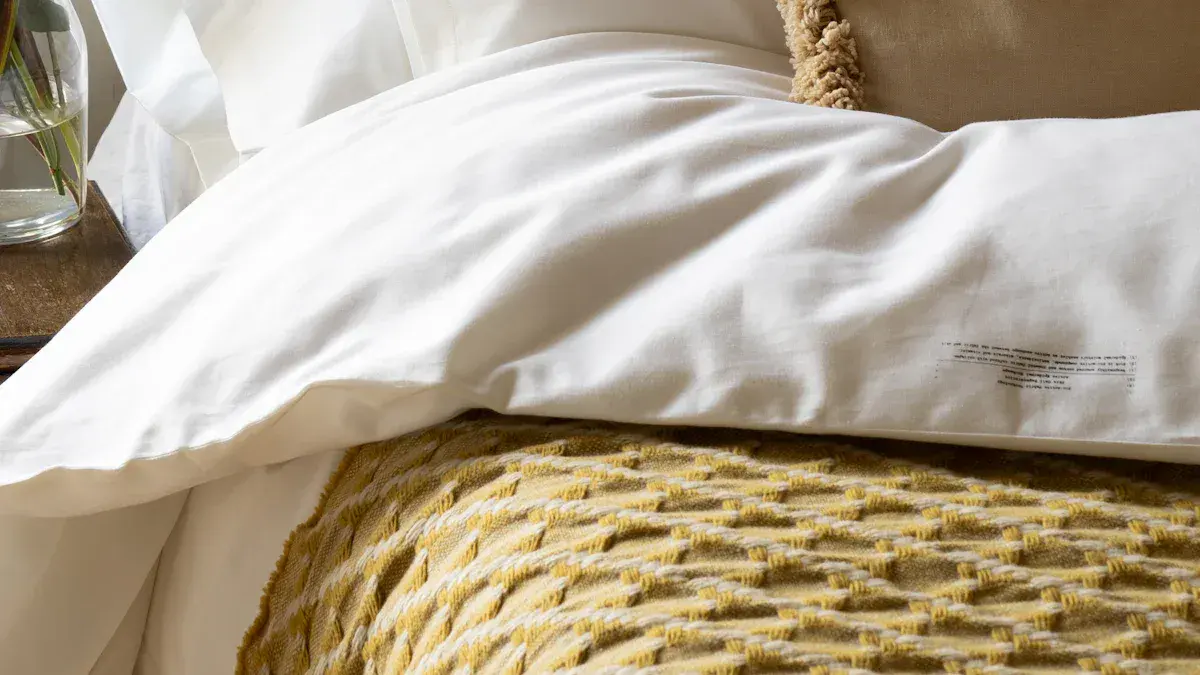
Looking for the simplest ways to pick the best bed covers? You just need to focus on what makes you feel comfortable and happy in your space. Think about how your bedroom feels when you walk in. Do you want cozy warmth or a fresh, light vibe? > Remember, your choice should match your style and make your room feel just right. You can find options that fit your needs without any stress.
Punti chiave
Identify your comfort needs before shopping for bed covers. Consider warmth, breathability, and any allergies.
Choose materials wisely. Cotton and linen are great for breathability, while wool and silk offer warmth.
Select colors and patterns that match your room decor. This creates a cohesive and inviting space.
Measure your mattress accurately to ensure a perfect fit for your bed covers. This prevents returns and enhances comfort.
Update your bedding seasonally. Swap heavier covers for lighter ones in summer and vice versa in winter.
Identify Your Needs
Before you start shopping for bed covers, take a moment to think about what you really want. Do you love to feel warm and cozy at night, or do you prefer something light and cool? Maybe you have allergies or sensitive skin. Your needs will help you pick the best option for your bedroom.
Comfort & Warmth
Everyone has different comfort levels. Some people like to snuggle under thick, fluffy covers, while others want something light and breathable. The climate where you live also matters. If you live in a hot area, you might want linen or cotton bed covers because they help keep you cool and manage moisture. In colder places, wool or silk can give you extra warmth and insulation.
Here’s a quick look at how different materials affect comfort and warmth:
Materiale | Properties | Benefici | Svantaggi |
|---|---|---|---|
Wool | Soft, fluffy, moisture-absorbing | Keeps warm, flame retardant | Expensive, special care needed |
Poliestere | Holds shape, easy to wash, traps heat | Good value, lasts longer, easy care | Can feel hot, absorbs moisture and oil |
Seta | Lightweight, breathable, hypoallergenic | Comfortable year-round, keeps temp stable | Expensive, careful cleaning needed |
Down | Excellent warmth retention | Great for cold climates | Pricey, not for warm climates |
Bambù | Breathable, soft, retains warmth | Luxurious feel, good for hot sleepers | — |
Tip: If you often wake up feeling too hot or too cold, try switching your bed covers to match the season.
Allergies & Sensitivities
If you have allergies, you’re not alone. Over 50 million people in the U.S. deal with allergies, and almost 70% react to dust mites. The good news is that many bed covers now come in materials that help reduce allergens and still feel soft.
Check out these materials that work well for people with allergies or sensitive skin:
Materiale | Benefici |
|---|---|
Bambù | Naturally repels dust mites, mold, and bacteria; ultra-soft for sensitive skin |
Seta | Hypoallergenic, keeps you warm or cool as needed |
Wool | Absorbs moisture, makes it hard for dust mites to live |
Microfibra | Soft, durable, easy to clean; tight weave blocks allergens |
When you choose bed covers, think about your comfort, warmth, and any sensitivities you have. This way, you’ll create a bedroom that feels just right for you.
Choose Bed Cover Materials

Cotton, Linen, & More
When you pick out bed covers, the material makes a big difference in how your bed feels and lasts. You want something that feels good against your skin and stands up to regular use. Cotton and linen are two favorites for many people. Cotton feels soft, breathes well, and is easy to care for. Linen is even more breathable and moisture-wicking, so it works great if you get hot at night. Linen also gets softer every time you wash it, but it does wrinkle easily.
Synthetic fabrics like polyester and microfiber cost less and last longer, but they don’t breathe as well as natural fibers. If you want something cozy, flannel is soft and warm, though it can trap heat. Bamboo and silk offer luxury and comfort, but they tend to cost more.
Here’s a quick look at popular materials:
Materiale | Benefici | Svantaggi |
|---|---|---|
Bambù | Soft, durable, cooling, moisture-wicking | May be more expensive |
Cotone | Breathable, soft, easy to care for | Quality varies; some types less soft |
Microfibra | Stain-resistant, inexpensive, soft | Less breathable than natural fibers |
Seta | Cooling, hypoallergenic | Expensive |
Lino | Breathable, moisture-absorbing | Wrinkles easily, lower thread count |
Flanella | Soft, cozy | Not breathable, can retain heat |
Lyocell | Cooling, moisture-wicking, ultra-absorbent | May be less common |
Poliestere | Inexpensive, durable | Rougher feel, less breathable |
Tip: Most comforters and bedspreads last five to six years. Sheets usually last between 1.5 to 3 years se li curi adeguatamente.
Texture & Thickness
Texture and thickness change how your bed looks and feels. You might like the smooth touch of cotton or the cozy feel of velvet. Texture adds depth and interest to your bedroom, making it feel more inviting. Soft materials create a warm vibe, while crisp fabrics give a fresh look.
Thickness matters too. Thicker covers keep you warmer and last longer. Thin covers feel lighter and work well in summer. The texture of your bedding affects comfort during sleep and adds style to your room. You can mix textures for a layered look or stick with one for a simple design.
Texture adds dimension that color and pattern alone cannot achieve.
Different fabrics can make your bedding look more sophisticated without bold designs.
The thickness of your bed covers affects warmth and durability.
Choosing the right material, texture, and thickness helps you create a bed that matches your comfort and style.
Select Colors & Patterns
Match Room Decor
Choosing the right colors and patterns for your bed covers can change the whole look of your bedroom. You want your bedding to work with your room, not against it. When you match colors and patterns to your decor, you create a space that feels balanced and welcoming.
Interior design experts say rich and grounding colors are trending for 2026. You might see shades like Behr’s ‘Hidden Gem,’ a smoky blue-green that brings calm, or Valspar’s ‘Warm Eucalyptus,’ which adds a soft, natural vibe. These colors help your room feel peaceful and stylish.
Here’s how matching colors and patterns with your room decor can make a difference:
Beneficio | Explanation |
|---|---|
Coordinated variety gives your eyes more to notice, keeping the space lively. | |
Layered theme | Each element adds interest, so your room feels more complete over time. |
Prevents boredom | Variety stops your bedroom from feeling dull or predictable. |
Unifying elements | Common colors or patterns tie everything together for a cohesive look. |
Intentional choices | Every piece you pick adds to your style and comfort. |
If you use high-quality natural materials like linen or wool, you also add warmth and texture. These materials age well and make your room feel cozy.
Express Your Style
Your bed covers are a great way to show off your personality. You can play with patterns and colors to make your bedroom feel unique. Geometric patterns give a modern touch and help balance the space. If you like to change things up, try switching your duvet covers with the seasons. Spring might call for light florals, while winter feels right with deep, rich tones.
Mixing patterns and colors lets you get creative. You can blend stripes with solids or add a pop of color with decorative pillows. This approach makes your room feel personal and fun.
Here are some ways to express your style with patterns:
Geometric designs for a clean, modern look.
Seasonal changes to keep your space fresh.
Mixing colors and patterns to reflect your mood.
Kids also love bedding that matches their interests. Younger children often choose playful designs or themed comforters. School-aged kids want bed covers that show off their personality, with options for customization.
Age Group | Preferenze |
|---|---|
Toddlers (2-4) | Safety features, themed designs, easy-to-clean materials. |
Preschoolers (4-6) | Playful designs, comfort, decorative pillows. |
School-aged (6-12) | Personality-reflecting designs, customization, educational elements. |
Pick colors and patterns that make you smile. Your bedroom should feel like your own special retreat.
Check Bed Cover Size & Fit
Measure Your Bed
Getting the right fit for your bed covers starts with measuring your mattress. You want your bedding to look neat and feel comfortable, so grab a tape measure and follow these steps:
Measure the length and width of your mattress. Most mattresses follow standard sizes, so you can check your measurements against questo tavolo:
Mattress Type
Dimensions (inches)
Gemello
39 x 75
Singolo XL
39 x 80
Pieno
54 x 75
Regina
60 x 80
Re
76 x 80
Cal-King
72 x 84
Measure the depth of your mattress. If your mattress is thicker than usual, place a flat object like a book on top and measure from the bottom to the top of the book.
Make sure your fitted sheet matches the mattress size closely. If it’s too small, it won’t fit. If it’s a little bigger, you can tuck it in.
Don’t choose a mattress cover that’s too tight. You want to avoid putting stress on seams and zippers.
Tip: Always double-check your measurements before buying new bed covers. This helps you avoid returns and makes sure your bedding fits perfectly.
Coverage & Dimensions
The size of your bed covers does more than just cover your mattress. It changes how your room looks and how cozy you feel. Think about these points when picking the right coverage:
Decide if you want your bed cover for decoration or warmth. Decorative covers might be lighter and smaller, while covers for warmth should hang over the sides for extra comfort.
Look at your room’s style. If you like a clean, simple look, choose covers that fit just right. For a cozy vibe, pick larger covers that drape over the edges.
Match the bed cover size to your room. A huge cover in a small room can look messy, but a small cover on a big bed might seem out of place.
When you measure and choose the right size, your bed covers will look great and work well for your needs.
Consider Maintenance

Easy Care Fabrics
You want bed covers that make life easier, right? Some fabrics need less work and stay looking fresh longer. Microfiber and other synthetic sheets, like Mellanni Brushed Microfiber or Room Essentials Microfiber, stand out for their easy care. These sheets resist wrinkling and shrinking, so you spend less time ironing or worrying about fit. They also feel soft and cost less than many cotton options, which helps if you want comfort without breaking the bank.
Here’s a quick look at how often you should clean different bed cover materials and the best way to do it:
Materiale | Cleaning Frequency | Cleaning Method |
|---|---|---|
Cotone | Settimanale | Wash in warm water with mild detergent; dry on low heat or air dry. |
Seta | Every 2–3 weeks | Hand wash with cool water and silk detergent; air dry in shade. |
Lino | Biweekly | Wash in cold or lukewarm water; air dry or use low heat in dryer. |
Down Comforters | Every 3–6 months | Machine wash with down-safe detergent; tumble dry on low heat. |
Microfibra | Weekly to biweekly | Wash in cool water; avoid fabric softener; dry on low heat or air dry. |
Wool | 1–2 times per season | Spot clean stains; hand wash with wool detergent; air dry flat. |
Duvet Covers | Settimanale | Wash with sheets in warm water; gentle detergent; dry on low heat. |
Tip: Always check the care label before washing. You can keep your bed covers looking new by following these simple steps.
Resistenza alle macchie
If you have kids, pets, or just love breakfast in bed, stain resistance matters. Polyester blends work well because they resist moisture and stains. You can wash them many times, and they still look good. Waterproof options, often made with organic cotton and synthetic layers, protect your mattress from spills. These covers last through lots of washes and keep their waterproof barrier.
Many brands test their bed covers by washing them over and over to make sure they stay strong. You might see labels like Oeko-Tex certification, which means the fabric is safe from harmful chemicals. That’s a good sign if you care about health and safety.
Polyester blends: Durable, resist stains and moisture.
Waterproof covers: Block spills, last through many washes.
Organic cotton: Breathable and eco-friendly, but not always stain-proof.
Oeko-Tex certified: Safe from harmful substances.
Choosing easy-care and stain-resistant bed covers saves you time and keeps your bedroom looking great. You get more comfort and less hassle, so you can focus on relaxing.
Coordinate with Decor
Layering Bed Covers
Layering your bed covers can make your bedroom feel cozy and stylish. You don’t need to be a designer to get that hotel-like look. You just need to know a few tricks. Start with a bed skirt. It hides anything under your bed and adds a touch of charm. Next, use a mattress topper for extra comfort. Place a fitted sheet over the mattress and topper. Lay a flat sheet on top, facing down. Drape a duvet evenly over the flat sheet. If you want more warmth, add a comforter or a heavier blanket. Stack pillows of different sizes and patterns for depth. Finish with a throw blanket at the foot of your bed. This adds texture and warmth.
Here’s a simple layering order you can follow:
Bed skirt
Mattress topper
Fitted sheet
Flat sheet
Piumone
Comforter or blanket
Pillows (mix sizes and patterns)
Throw blanket
Mixing textures makes your bed more interesting. Try bamboo sheets with a linen duvet and a cotton quilt. You can use a patterned quilt and fold the duvet to show it off. A solid color throw blanket breaks up large white covers and adds a pop of color.
Tip: Toss pillows aren’t just for comfort. They add style and make your bed look inviting.
Cohesive Look
You want your bedroom to feel put together, not random. Coordinating your bed covers with other decor creates a unified space. Pick high-quality bedding as your starting point. Choose a base color that runs through your walls and bedding. Keep your main color palette small—two or three shades work best. Repeat these colors in different places, like curtains and pillows.
Use one strong pattern and smaller prints that match. Add texture with chunky knit throws or velvet cushions. This gives depth without making things look busy. Match your bed linens with your curtains for a coordinated look. Use three or four tones that complement each other.
Start with larger furniture pieces that share a style or color.
Layer bedding with different patterns and colors to show your personality.
Use a mix of materials for added interest, but keep the look balanced.
A cohesive bedroom feels relaxing and stylish. You’ll love spending time in a space that looks and feels just right.
Add Accents & Personality
Decorative Touches
You can make your bed stand out with a few simple accents. These touches help your bedroom feel more personal and inviting. Try mixing light and dark shades for depth. This trick adds elegance and warmth to your space. Earthy tones like terracotta or moss green create a cozy, natural vibe. If you want a pop of color, use neutral bedding with bright pillows or throws. Metallic accents, such as gold or silver, bring a touch of luxury to your room. A statement headboard can become the focal point and show off your style.
Here are some popular ways to personalize your bed covers:
Custom duvet covers
Comforters with unique patterns
Decorative pillows in different shapes and colors
Bed scarves for a playful look
Tailored bedskirts for clean lines
You can pair a tailored bedskirt with a luxurious coverlet for a classic look. Plush comforters and playful bed scarves add softness and fun. These small changes make a big difference in how your room feels.
Tip: Try layering textures and colors. You might discover a style that feels just right for you.
Seasonal Updates
Changing your bed covers with the seasons keeps your bedroom fresh and comfortable. You can swap out heavy blankets for lighter throws in summer. In winter, add thicker comforters and cozy sheets. This habit helps you stay comfortable all year.
Here’s a quick guide for how often you should update your bedding:
Bedding Item | Recommended Frequency |
|---|---|
Sheets and Pillowcases | Once a week |
Duvet Covers | Every two to three weeks |
Blankets and Throws | Every one to two months |
Seasonal updates also give you a chance to play with new colors and patterns. You might use bright florals in spring or deep jewel tones in fall. These changes keep your bedroom looking fresh and show off your personality.
You don’t need a big budget to add accents or update your bedding. Small changes can make your space feel brand new.
You now have seven simple tips to help you pick the best bed covers for your space. These ideas make your bedroom more comfortable and stylish. Try mixing textures, choosing fibre naturali, and adding cozy spots. You can create a room that feels personal and inviting.
High-quality linens make your bed soft and welcoming
Breathable materials keep you cool
Layered textures add depth
Smart furniture placement improves flow
A relaxing corner gives you comfort
Ceiling details add style
Go ahead and use these tips to turn your bedroom into a place you love!
Domande frequenti
How often should you wash your bed covers?
You should wash your bed covers once a week. If you have allergies or pets, wash them more often. Clean bedding helps you sleep better and keeps your room fresh.
What is the best material for hot sleepers?
Cotton and bamboo work best for hot sleepers. These fabrics breathe well and wick away moisture. You stay cool and comfortable all night.
Can you mix patterns and colors on your bed?
Yes! Mixing patterns and colors adds personality to your room. Try pairing stripes with solids or using a bold pillow for a fun touch.
How do you keep bed covers looking new?
Tip: Always follow the care label. Wash with gentle detergent and avoid high heat. Rotate your bedding sets to reduce wear and tear.
Vedi anche
Scegliere tra lenzuola in microfibra e in poliestere per il comfort
Selezione del Metodo di Stampa Migliore per i Tessuti della Tua Casa
Confronto tra stampa in pannello e stampa digitale per tessuti per biancheria da letto
 Italian
 English
 Arabic
 Spanish
 French
 Portuguese
 Vietnamese