

You might wonder about the difference between microfiber and polyester. Microfiber usually comes from polyester fibers that are much thinner than a human hair. Most microfiber fabrics contain about 70% to 80% polyester, often mixed with nylon in blends like 80% polyester and 20% polyamide. This fine structure makes microfiber softer and more absorbent than regular polyester, which feels thicker and less plush. Both fabrics appear in many products, such as clothing, upholstery, and cleaning items, as shown below:
Applicazione | Descrizione |
|---|---|
Clothing | Used for comfort and durability in activewear and casual wear. |
Rivestimenti | Chosen for its stain resistance and easy cleaning. |
Cleaning Products | Popular for trapping dirt and moisture due to high absorbency. |
Punti chiave
Microfiber is softer and more absorbent than polyester, making it ideal for cleaning and bedding.
Polyester is durable and cost-effective, suitable for everyday clothing and industrial applications.
Both fabrics require gentle washing to maintain their quality; use cold water and avoid bleach.
Microfiber can trap dust and moisture better than polyester, enhancing cleaning efficiency.
Choosing the right fabric depends on your needs: select microfiber for comfort and polyester for strength.
Polyester Fabric Overview
Composizione
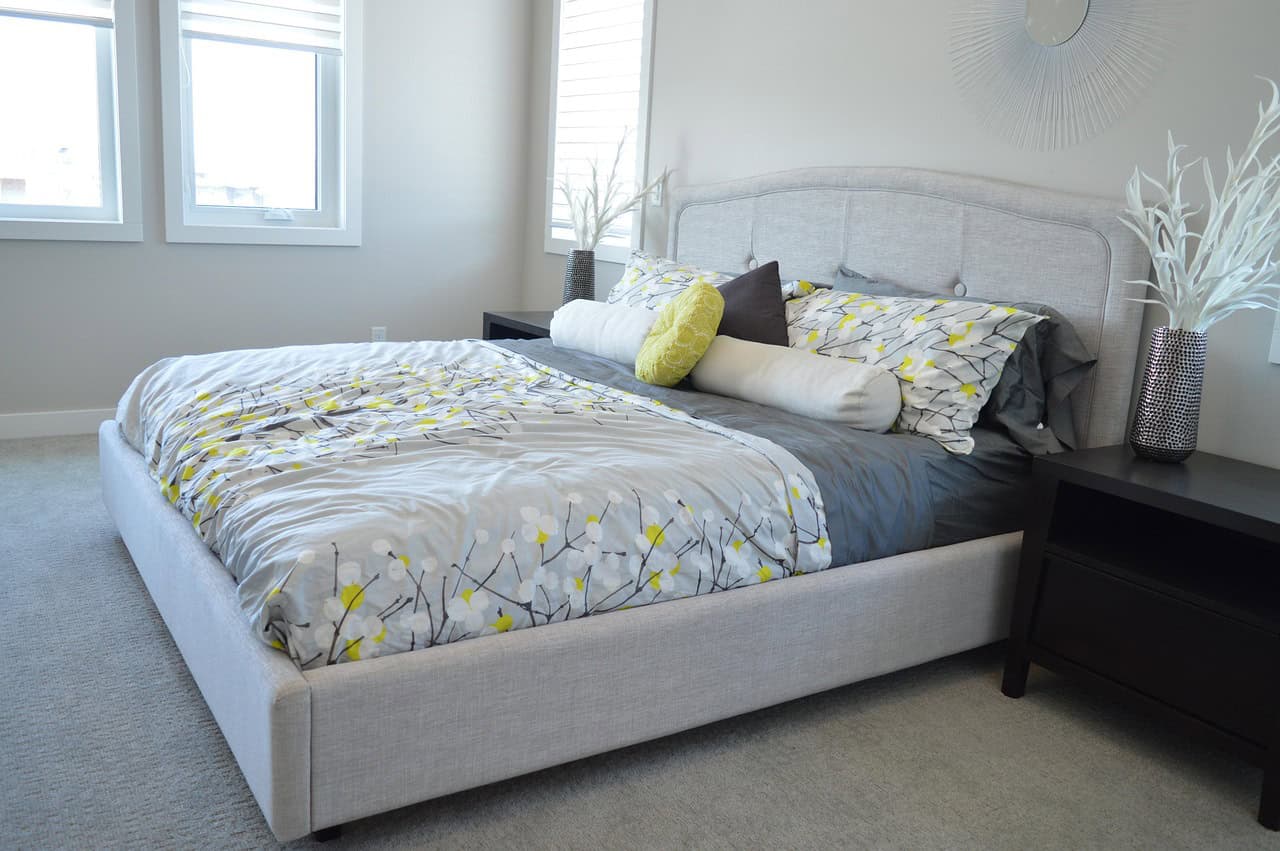
Polyester fabric comes from synthetic materials. You find that manufacturers use petroleum as the main source. The process involves combining chemicals to create strong fibers. Here are the main chemical components found in polyester:
Terephthalic acid (benzene-1,4-dicarboxylic acid)
Ethylene glycol (ethane-1,2-diol)
The polymer formed is polyethylene terephthalate (PET)
Antimony acts as a catalyst and flame retardant
Antistatic agents help reduce static electricity
Wrinkle-resistant agents, such as formaldehyde and Teflon, keep the fabric smooth
You see these chemicals work together to give polyester its unique qualities.
Caratteristiche
Polyester stands out for its durability and versatility. You notice that it resists shrinking and stretching. The fabric dries quickly and holds color well. Recent innovations in fiber science have improved comfort and performance. Engineers focus on making polyester better at moving moisture, removing sweat, and regulating temperature.
Here is a table showing some important features of polyester:
Funzionalità | Descrizione |
|---|---|
Water Vapour Resistance | Decreases after outdoor aging, especially in summer and winter |
Resistenza alla trazione | Changes with exposure to water, chlorine, and sunlight |
Surface Deterioration | UV radiation causes more wear after outdoor use |
Resistenza chimica | Polyester urethanes can break down with age and moisture |
Elastic Properties | Elastane adds stretch but may lower chemical and temperature stability |
You also benefit from thermal resistance, moisture management, air permeability, and mechanical resilience when you choose polyester.
Usi comuni
Polyester appears in many products you use every day. The top industries that rely on polyester include:
Apparel
Home Textiles
Industrial & Technical Textiles
You find polyester in clothing, bedding, curtains, and even ropes or conveyor belts. Its strength and easy care make it a popular choice for both home and industrial settings.
Microfiber Fabric Overview
Come è fatto
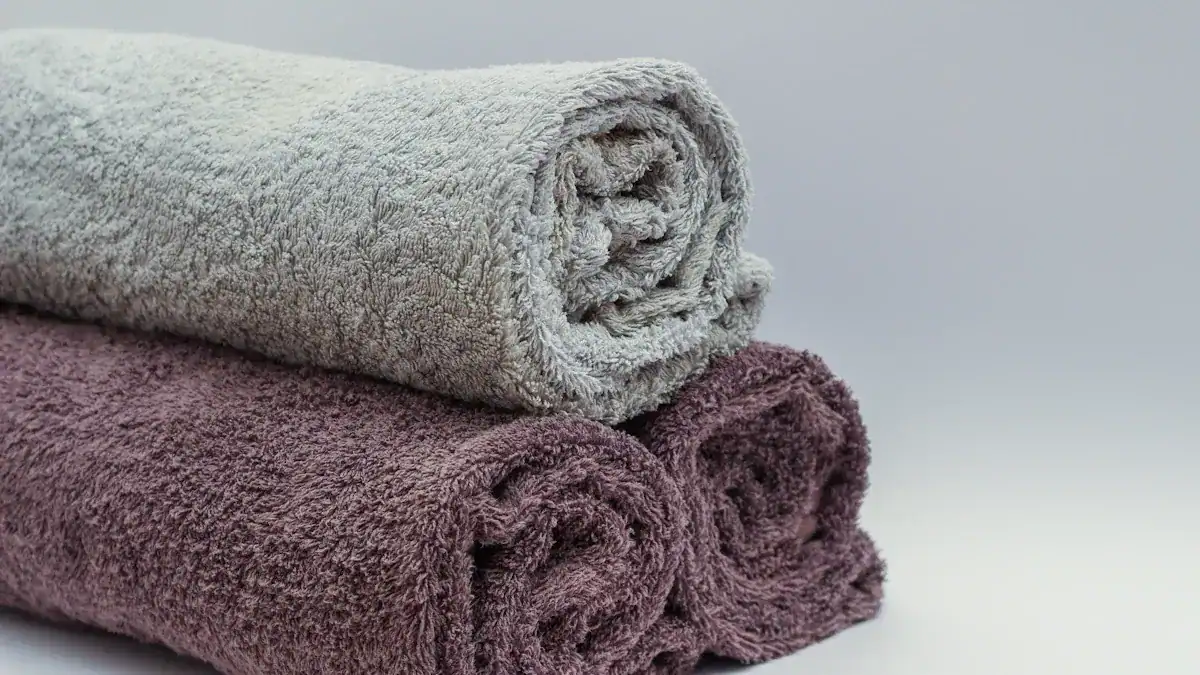
You see microfiber fabric created through a special process. Manufacturers use ultra-fine fibers that measure less than one denier. These fibers come from a blend of polyester and polyamide. The process involves weaving or knitting these tiny fibers into cloth. This method makes the fabric much softer and more absorbent than standard polyester. The table below shows how microfiber differs from regular polyester:
Funzionalità | Microfiber Fabric | Poliestere standard |
|---|---|---|
Spessore della fibra | Ultra-fine fibers (less than one denier) | Thicker fibers |
Composizione | Blend of polyester and polyamide | Primarily polyester |
Weaving/Knitting | Woven or knitted into cloth | Various applications for durability |
Unique Properties | Soft, absorbent, effective for cleaning | Durable and versatile |
Proprietà chiave
Microfiber stands out for its unique qualities. You notice the fabric feels exceptionally soft, sometimes even softer than silk or velvet. The absorbency surprises many people. Microfiber can soak up to seven times its weight in water, which makes it much more effective than cotton. The fibers also show impressive strength. You get a material that lasts longer and resists wear. The table below highlights these key properties:
Proprietà | Descrizione |
|---|---|
Morbidezza | Microfiber fabric is exceptionally soft, often rivaling natural fabrics like silk or velvet. |
Absorbency | It can absorb up to seven times its weight in water, significantly outperforming cotton. |
Durabilità | The fibers are five times stronger than regular fibers, ensuring long-lasting use and resistance to wear. |
Consiglio: You can use microfiber for tasks that need softness and high absorbency, such as cleaning or drying surfaces.
Typical Applications
You find microfiber in many products because of its special features. The fabric appears in cleaning products, clothing, and beauty items. Here are some common uses:
Microfiber is used in cleaning products for its absorbency and durability.
You see it in clothing, especially sportswear, because it feels soft and lets your skin breathe.
In beauty applications, microfiber cloths help you remove makeup gently without irritating your skin.
The table below shows where you might encounter microfiber:
Tipo di prodotto | Use Case |
|---|---|
Cleaning Products | Effective in domestic and industrial cleaning |
Clothing | Soft and breathable for sportswear and leisure |
Beauty Applications | Removes makeup without skin irritation |
You benefit from microfiber’s versatility in your daily life. The fabric helps you clean better, dress comfortably, and care for your skin.
Difference Between Microfiber and Polyester
Fiber Thickness & Texture
When you look at the difference between microfiber and polyester, fiber thickness stands out as a key factor. Microfiber uses ultra-fine fibers, while standard polyester fibers are much thicker. This change in thickness affects how each fabric feels and performs.
Tipo di fibra | |
|---|---|
Microfibra | < 5 |
Poliestere standard | 10-15 |
You can feel the difference when you touch each fabric. Microfiber feels soft and smooth, almost like silk. Polyester often feels stiffer and less comfortable. The table below shows how texture and comfort compare:
Tipo di tessuto | Morbidezza | Thickness | Comodità |
|---|---|---|---|
Poliestere | Stiff and scratchy | Thicker fibers | Less comfortable for extended wear |
Microfibra | Silk-like and soft | Finer fibers | More comfortable, ideal for bedding |
You notice that microfiber’s fine fibers make it a better choice for items that touch your skin, such as bedding or towels. Polyester works well for products that need strength and structure.
Absorbency & Breathability
The difference between microfiber and polyester also appears in how each fabric handles moisture and air. Microfiber absorbs water quickly and holds more liquid than polyester. You find that microfiber can soak up to seven times its weight in water. This makes it perfect for cleaning cloths and towels.
Microfiber also allows air to pass through easily. The high number of tiny filaments helps moisture evaporate fast. You stay cooler and drier when you wear microfiber clothing, especially in warm or humid weather. Polyester does not breathe as well. It can trap heat and sweat, making you feel uncomfortable during long wear.
Consiglio: If you want a fabric that keeps you dry and cool, choose microfiber over polyester.
Durata e Manutenzione
You may wonder about the durability and care of these fabrics. Both microfiber and polyester last a long time, but they react differently to washing and daily use. Microfiber’s fine fibers can break off during washing, especially in the first few cycles or at lower temperatures. Polyester fibers are thicker and less likely to shed.
Rilascio microfibra | Appunti | |
|---|---|---|
20 °C, First Cycle | Higher than 40 °C | Mechanical forces influenced results |
40 °C, Cycles 2-5 | No significant difference | Temperature had little effect |
Detergent Use | More microfibers at higher temperatures | Detergent aids in detection, not generation |
You should follow these care instructions for both fabrics:
Wash with cold water and mild detergent.
Avoid bleach and fabric softeners.
Sort by color and wash separately from lint-producing fabrics.
Air dry flat or hang. If you use a dryer, select the lowest heat setting.
Use a warm iron if needed. High heat can damage the fabric.
Microfiber and polyester both resist wrinkles and stains, but microfiber may need gentler care to prevent fiber loss.
Environmental Impact & Cost
The difference between microfiber and polyester extends to their impact on the environment and your wallet. Both fabrics come from petroleum, so they are not natural or biodegradable. Polyester can last for many years in landfills. Microfiber, because of its tiny fibers, creates another problem. When you wash microfiber, it releases small plastic fragments called microplastics. These particles can end up in rivers and oceans, harming wildlife and polluting water.
Microfiber production leads to microplastic pollution, especially during washing.
Polyester is non-biodegradable and can persist in landfills for decades.
Both materials contribute to pollution because they are made from petroleum.
When you compare costs, polyester is usually less expensive than microfiber. Microfiber’s special manufacturing process and fine fibers make it cost a bit more. However, you may find that microfiber’s comfort and performance are worth the extra price, especially for bedding, towels, or cleaning products.
Nota: Understanding the difference between microfiber and polyester helps you make better choices for comfort, care, and the environment.
Pro e Contro
Microfiber Pros & Cons
You find many advantages when you choose microfiber fabric. People often mention how soft it feels. You can enjoy its durability and stain resistance. Microfiber also resists water and wrinkles, making it easy to care for. The fabric breathes well and wicks moisture away from your skin. These features make microfiber a favorite for cleaning cloths, bedding, and sportswear.
Microfiber Pros:
Softness that feels gentle against your skin
Strong and durable for long-lasting use
Stain resistance helps keep items looking clean
Water resistance protects against spills
Easy to care for and quick to dry
Breathable for comfort in warm weather
Moisture-wicking properties keep you dry
Wrinkle resistance means less ironing
While microfiber offers many benefits, you should know about its drawbacks. Scientific studies show that microfiber fabrics can shed tiny fibers during washing. These microplastics may harm the environment and even affect human health. Some research suggests that inhaled microplastics can reach deep into your lungs.
Disadvantage | Descrizione |
|---|---|
Microfiber Shedding | Knit fabrics release more microfibers than woven fabrics, raising pollution concerns. |
Lack of Correlation | Pilling and fuzz do not always mean more microfiber release during washing. |
Microplastics may cause inflammation and other health problems.
Polyester Pros & Cons
Polyester fabric gives you many practical benefits. You see it in everyday clothing because it is easy to wash and keeps its shape. Polyester resists wrinkles and abrasion. You can buy it at a low cost, and it blends well with other fibers. The fabric holds color and stays strong after many washes.
Polyester Pros:
Popular for everyday clothing and home textiles
Machine washable and easy to care for
Keeps its shape after washing
Durable and resists wear
Wrinkle-resistant for a neat look
Affordable for most budgets
Holds color well over time
Flexible for blending with natural fibers
Polyester also has some important drawbacks. The fabric comes from petroleum, which is a non-renewable resource. Making polyester uses a lot of energy and can create pollution. Polyester does not break down in landfills, and washing it releases microplastics into water systems. Recycling polyester is difficult, so much of it ends up as waste.
Drawback | Descrizione |
|---|---|
Petroleum-based production | Uses oil, leading to resource depletion and pollution. |
High energy use | Manufacturing consumes significant energy, increasing greenhouse gas emissions. |
Non-biodegradability | Polyester persists in landfills for hundreds of years. |
Microplastic shedding | Washing releases microplastics, polluting waterways and entering the food chain. |
Limits of recycling | Recycling is challenging, often resulting in more waste. |
You should consider these pros and cons when choosing between microfiber and polyester for your needs.
Identifying Each Fabric
Visual & Tactile Clues
You can spot differences between microfiber and polyester by looking and feeling. Microfiber feels much softer than standard polyester. When you touch microfiber, you notice a silky and smooth texture. Polyester often feels stiffer and sometimes scratchy, especially when new. If you hold both fabrics, you see that microfiber drapes more fluidly, while polyester holds its shape and feels thicker. Microfiber also shows brighter colors because its dense fibers reflect light better.
Microfibra di poliestere | Poliestere standard | |
|---|---|---|
Morbidezza | Softer hand | Standard softness |
Drape | More fluid drape | Less fluid drape |
Wicking Effect | Improved wicking effects | Standard wicking effects |
Color Contrast | More vivid color contrasts | Less vivid color contrasts |
Tip: If you want a fabric that feels gentle and looks vibrant, choose microfiber. Polyester works well when you need strength and structure.
Labeling Tips
When you shop, you can check labels to identify each fabric. Most clothing and household items list the fiber content. Microfiber labels often say “microfiber polyester” or “polyester/polyamide blend.” Polyester labels usually just say “100% polyester.” Some lawmakers have tried to require labels that warn about microplastic shedding, but not all products include this information. If you see a label that mentions microfibers or plastic shedding, it means the item may release tiny fibers during washing.
Look for “microfiber” or “polyamide blend” on the tag for microfiber items.
Polyester items usually say “polyester” or “100% polyester.”
Some labels may mention microplastic shedding, especially on newer products.
Note: Labels can help you choose the right fabric, but not all brands follow the same rules.
Best Uses
You can pick the best fabric for your needs by knowing where each works best. Microfiber shines in cleaning products, towels, and bedding because it absorbs water and resists stains. You also find microfiber in sportswear, accessories, and upholstery. Its breathability and softness make it great for items that touch your skin.
Use Category | Descrizione |
|---|---|
Cleaning Rags and Mops | Strong, lint-free, and antibacterial. |
Furniture and Upholstery | Tough, stain-resistant, and easy to clean. |
Accessories and Sports Gear | Water-resistant and durable for wallets, backpacks, and sports gear. |
Bedsheets and Towels | Breathable, light, and easy to wash. |
Activewear | Wicks sweat away, ideal for athletic clothing. |
Polyester works best for uniforms, outdoor gear, and sports apparel. You see it in raincoats and industrial items because it resists moisture and keeps its shape. Polyester also holds color well, so fashion garments and decorative fabrics often use it.
If you want durability and color that lasts, polyester is a smart choice. For softness and absorbency, microfiber is the winner.
You can see the difference between microfiber and polyester by looking at comfort, durability, and use. Microfiber feels softer and breathes better, making it great for bedding and cleaning. Polyester lasts longer and costs less, so you find it in sportswear and home goods. The table below helps you compare:
Funzionalità | Microfibra | Poliestere |
|---|---|---|
Comodità | Morbido, traspirante | Stiff, less comfy |
Durabilità | Bene | Eccellente |
Costo | Più in alto | Più basso |
Choose microfiber for softness and absorbency. Pick polyester for strength and easy care. Knowing the difference between microfiber and polyester helps you make smart choices every day.
Domande frequenti
What is the main difference between microfiber and polyester?
You find that microfiber uses much finer fibers than standard polyester. This makes microfiber softer and more absorbent. Polyester feels thicker and less plush. Microfiber often blends polyester with polyamide for extra softness.
Can you wash microfiber and polyester in the same way?
You should wash both fabrics in cold water with mild detergent. Avoid bleach and fabric softeners. Air dry or use a low heat setting in the dryer. Microfiber may shed tiny fibers, so wash it separately from lint-producing items.
Is microfiber better for cleaning than polyester?
Yes, you get better cleaning results with microfiber. The fine fibers trap dust, dirt, and moisture more effectively than regular polyester. Microfiber cloths work well for cleaning glass, electronics, and surfaces without leaving streaks.
Consiglio: Use microfiber cloths dry for dusting and damp for deeper cleaning.
Are these fabrics safe for sensitive skin?
You can use both fabrics if you have sensitive skin. Microfiber feels softer and less likely to cause irritation. Polyester may feel rougher, especially if it is not blended with other fibers.
Vedi anche
Scegliere tra lenzuola in microfibra e in poliestere per il comfort
Comparing Panel And Digital Printing Techniques For Bedding Fabrics
 Italian
 English
 Arabic
 Spanish
 French
 Portuguese
 Vietnamese
