

Wondering how to choose sheets that fit your sleep style? Start by thinking about what you need most at night. Do you get hot, feel chilly, or toss and turn? Maybe you have sensitive skin or care about eco-friendly choices. When you pick bed sheets that match your habits, you set yourself up for better rest. In fact, 69% of people say their sleep quality improves after switching to new sheets. You deserve that kind of comfort every night.
Punti chiave
Identify your sleep style—hot, cold, combo, or sensitive skin—to choose the right sheets for comfort.
Select breathable materials like cotton or bamboo for hot sleepers, and warm fabrics like flannel for cold sleepers.
Check thread count for softness; a range of 300 to 500 is ideal for comfort and durability.
Look for eco-friendly certifications like GOTS or OEKO-TEX to ensure your sheets are safe for you and the planet.
Wash your sheets every one to two weeks to maintain hygiene and improve sleep quality.
Identify Your Sleep Style

Hot Sleepers
Do you wake up sweaty or toss off your covers at night? You might be a hot sleeper. Your body temperature and the room’s warmth can make it hard to rest. Here’s what happens:
Warm rooms can make you wake up more often.
Your body cools down to help you fall asleep, but heat can stop this process.
Sweating helps you lose heat, but if your sheets trap warmth, you may feel sticky and restless.
If you want to know how to choose sheets for hot sleepers, look for materials that breathe and wick away moisture. Bamboo lyocell, linen, and hemp sheets help air flow and keep you dry.
Cold Sleepers
Do you shiver or pile on blankets at night? Cold sleepers often struggle with chilly bedrooms or drafty windows. Here’s what can affect you:
Cold rooms can make it hard to fall asleep or stay asleep.
Heaters may dry out the air, making you uncomfortable.
Feeling cold at night often leads to poor sleep quality.
When thinking about how to choose sheets for cold sleepers, pick fabrics that trap warmth. Flannel, sateen, and high-quality cotton sheets work well. Brands like L.L.Bean and Pottery Barn offer cozy options.
Combo Sleepers
Maybe you feel hot some nights and cold on others. You’re not alone—most people are combo sleepers. Your needs change with the seasons or even your mood. Look for sheets that balance breathability and warmth, like cotton percale or linen blends. These give you comfort all year.
Pelle Sensibile
If your skin gets itchy or breaks out, you need gentle sheets. Pure cotton, especially with a sateen weave, feels smooth and soft. High thread counts (400–800) add comfort. Some hypoallergenic options include organic cotton, silk, and athletic-grade fabrics. Here’s a quick look:
Materiale | Proprietà ipoallergeniche | Appunti |
|---|---|---|
Cotone biologico | Soft, low friction, resists allergens | Durable, gentle on skin |
Seta | Naturally hypoallergenic, dust mite resistant | Richiede cure speciali |
SMART Fabric | Moisture-wicking, blocks allergens | Dries quickly, easy to wash |
Eco-Conscious Choices
You care about the planet and want your bedding to reflect that. Organic cotton uses less water and no harmful chemicals. Bamboo and eucalyptus sheets come from renewable sources and need fewer resources. Look for certifications like GOTS, OEKO-TEX, or Fair Trade. These show your sheets are safe for you and better for the earth.
Tip: Eco-friendly sheets often come in recycled or minimal packaging, so you help reduce waste, too.
How to Choose Sheets by Material & Weave
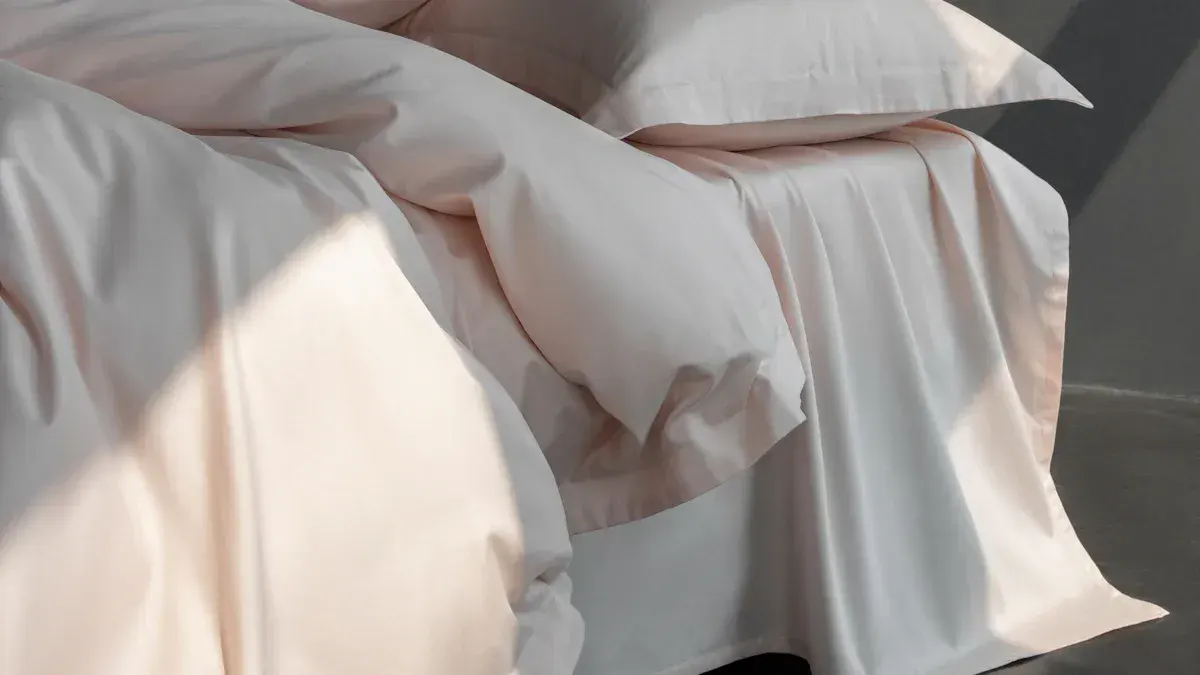
When you want to know how to choose sheets that fit your sleep style, you need to look at both the material and the weave. Each fabric feels different and works best for certain sleep needs. Let’s break down the most popular options and help you find your perfect match.
Cotton, Linen, Tencel, Sateen, Flannel
You see these names everywhere, but what do they really mean for your comfort and sleep? Here’s a quick guide to help you compare:
Materiale | Caratteristiche di comfort | Caratteristiche di durabilità |
|---|---|---|
Lino | Rough surface, very breathable, keeps air moving | Lasts longer than cotton, strong hollow fibers |
Cotone | Soft, strong, lets skin breathe; premium types feel smoother | Egyptian and Pima cotton last longer; basic cotton wears out faster |
Tencel | Smooth, cool, pulls moisture away from skin | Lasts as long as cotton, made in eco-friendly ways |
Raso | Silky, soft, holds more warmth | Feels heavier, how long it lasts depends on quality |
Flanella | Fuzzy, warm, perfect for cold nights | Tough, but best for people who want warmth |
If you want to know how to choose sheets for breathability, look at how each fabric handles air and moisture:
Tessuto | Traspirabilità | Moisture-Wicking Properties |
|---|---|---|
Tencel | Superior | Pulls in twice as much moisture as cotton, dries fast |
Cotone | Più basso | Holds onto moisture, not as airy |
Lino | Alto | Very airy, dries even faster than Tencel |
Tip: If you sweat at night, Tencel and linen help you stay dry and cool. If you want warmth, flannel and sateen keep you cozy.
Percale vs. Sateen vs. Jersey
The weave of your sheets changes how they feel and perform. Here’s what you need to know:
Percale: Feels crisp, cool, and lightweight. It has a matte finish and reminds many people of a fresh, clean shirt. Percale lets air flow, so it’s great if you get hot at night.
Raso: Feels soft, buttery, and smooth with a slight shine. Sateen holds in more heat, so it works well if you like to feel warm and snug.
Jersey: Feels stretchy and soft, almost like your favorite T-shirt. Jersey sheets are cozy and casual, but they can trap heat, so they’re better for cooler rooms.
Note: If you want a hotel-like, crisp feel, go for percale. If you want something silky and warm, sateen is your friend.
Best Match for Each Sleep Style
You might wonder how to choose sheets that truly match your sleep habits. Here’s a simple guide:
Hot Sleepers
Choose percale cotton, linen, or Tencel. These materials let air move and wick away sweat. Percale weave is especially good for airflow and cooling. Linen sheets also help you sleep better in warm rooms.Cold Sleepers
Pick sateen, flannel, or high-quality cotton. Sateen holds warmth and feels smooth. Flannel is fuzzy and traps heat, making it perfect for chilly nights.Combo Sleepers
Go for cotton percale or linen blends. These balance breathability and comfort, so you stay comfortable all year.Pelle Sensibile
Look for organic cotton sateen or silk. These feel gentle and smooth, with fewer chemicals and less friction.Eco-Conscious Sleepers
Choose Tencel, organic cotton, or linen. These use fewer resources and come from renewable sources.
Here are some quick tips to help you decide:
Think about how your skin feels against the fabric. If you like crispness, try percale. If you want softness, sateen or jersey may suit you.
If you sleep hot, pick lighter, airier sheets. If you get cold, go for heavier, warmer weaves.
Always check the label for fiber content and weave type. This helps you know exactly what you’re getting.
Remember: The best way to know how to choose sheets is to match the material and weave to your sleep style. Your comfort depends on it!
Practical Sheet Selection Tips
Fit & Sizing
Getting the right fit for your sheets makes a big difference in comfort and appearance. Many people make mistakes by picking sheets that do not match their mattress depth or size. Here are some common issues to watch out for:
Standard sheets fit mattresses 10-15 inches deep, but pillow-top or foam mattresses may need extra-deep sheets (18-25 inches).
Using a deep-pocket sheet on a regular mattress can look messy and bunch up.
Always match your sheet size to your mattress—Twin, Full, Queen, or King.
If you have a thick mattress or use a topper, look for deep pockets or elastic corners to keep sheets in place.
Here’s a quick look at fitted sheet sizes for popular mattresses:
Mattress Type | Fitted Sheet Size (inches) | Pocket Depth Options |
|---|---|---|
Re | 76 x 80 | Standard (7-12), Deep (13-17), Extra-deep (18-25) |
California King | 72 x 84 | Standard (7-12), Deep (13-17), Extra-deep (18-25) |
Thread Count & Texture
You might wonder how to choose sheets that feel soft but also last. The best thread count for most sheets falls between 300 and 500. This range gives you a nice balance of softness, breathability, and durability. For cotton sheets, 300 to 600 works well.
Intervallo del numero di fili | Texture Effect | Breathability Effect |
|---|---|---|
Below 200 | Feels coarse | Not very breathable |
200 – 400 | Morbido e liscio | Good airflow |
Above 400 | Not much softer | Can trap heat |
Tip: A higher thread count does not always mean better quality. Focus on how the sheets feel and breathe.
Cura e manutenzione
Taking care of your sheets helps them last longer and keeps your bed fresh. Here’s how you can do it:
Sort your bedding by color and fabric before washing.
Treat stains right away.
Wash with cold water on a gentle cycle.
Dry on low heat or air dry to prevent shrinking.
Store sheets in cotton bags to keep them fresh.
Wash sheets every two weeks for best hygiene.
Drying sheets the right way keeps them soft and stops them from shrinking or fading. Air drying works best for delicate fabrics.
Organic & Sustainable Options
If you want to know how to choose sheets that are good for the planet, look for trusted certifications. GOTS, OEKO-TEX, and FSC labels show that your sheets meet high standards for safety and sustainability. Organic cotton sheets cost more, but they last longer than regular sheets. This means you replace them less often, which helps reduce waste. While synthetic sheets may seem cheaper, they usually wear out faster.
Choosing organic bedding supports your comfort and the environment at the same time.
Quick Sheet Selector Guide
Sheet Selection Quiz
Not sure where to start? Try this quick quiz to help you figure out how to choose sheets that fit your sleep style. Grab a pen or just keep track in your head!
Do you wake up feeling hot or sweaty?
Yes → Go to Question 2
No → Go to Question 3
Do you want sheets that feel cool and crisp?
Yes → Look for cotton percale or bamboo sheets.
No → Try linen or Tencel for a softer, cool feel.
Do you often feel cold at night?
Yes → Choose flannel or sateen sheets for extra warmth.
No → Go to Question 4
Do you have sensitive skin or allergies?
Yes → Pick hypoallergenic sheets like organic cotton or silk.
No → Go to Question 5
Do you care about eco-friendly bedding?
Yes → Select organic cotton, bamboo, or Tencel sheets.
No → Standard cotton or blends work well for you.
Tip: Your answers can help you narrow down the best sheet materials for your needs.
Match Needs to Sheet Types
You can match your sleep needs to sheet types quickly by focusing on what matters most to you. Here’s a simple guide:
Hot sleepers: Choose breathable materials like cotton or bamboo. Cooling sheets help you stay comfortable.
Cold sleepers: Pick insulating fabrics such as flannel or fleece. These keep you warm all night.
Allergy-prone sleepers: Select hypoallergenic sheets. Make sure your bedding is easy to wash.
Side sleepers: Use soft sheets and supportive pillows. This helps reduce pressure on your shoulders and hips.
Sleep Need | Best Sheet Type | Why It Works |
|---|---|---|
Hot Sleeper | Cotton, Bamboo, Tencel | Breathable, cool, wicks moisture |
Cold Sleeper | Flannel, Fleece, Sateen | Traps heat, feels cozy |
Pelle Sensibile | Organic Cotton, Silk | Gentle, low irritation |
Eco-Conscious | Organic Cotton, Bamboo | Sustainable, less chemicals |
If you ever wonder how to choose sheets, start with your main sleep need. The right fabric and weave can make a big difference in your comfort.
You now know how to choose sheets that fit your sleep style. Here’s a quick recap:
Think about your temperature needs and sleep habits.
Pick sheets that match if you sleep hot or cold.
Check the feel and quality before you buy.
Look at thread count for softness and durability.
GOTS certification means your sheets meet high safety and environmental standards. A 100-night free trial lets you test them risk-free.
Try these tips tonight and see how much better you sleep!
Domande frequenti
Ogni quanto dovresti lavare le lenzuola del tuo letto?
You should wash your sheets every one to two weeks. If you sweat a lot or have allergies, wash them more often. Clean sheets help you sleep better and keep your skin healthy.
What thread count is best for comfort?
A thread count between 300 and 500 feels soft and lasts long. Higher numbers do not always mean better quality. Focus on how the sheets feel when you touch them.
Can you mix and match sheet materials?
Yes! You can use a cotton fitted sheet with a linen top sheet. Mixing materials lets you get the best of both worlds—coolness and softness. Try different combos to see what you like.
How do you know if sheets are eco-friendly?
Look for labels like GOTS, OEKO-TEX, or Fair Trade. These show the sheets use safe materials and support the planet. Eco-friendly sheets often come in simple, recycled packaging.
When should you replace your bed sheets?
Replace your sheets every 2 to 3 years. If you see holes, fading, or feel rough spots, it is time for new ones. Fresh sheets help you sleep better.
Vedi anche
Scegliere tra lenzuola in microfibra e in poliestere per il comfort
Confronto tra stampa in pannello e stampa digitale per tessuti per biancheria da letto
Selezionare il metodo di stampa migliore per i tessuti per la casa
 Italian
 English
 Arabic
 Spanish
 French
 Portuguese
 Vietnamese