

Pigment printed bedding uses special color pigments to create designs directly on fabric. You see this process in many bedding products today. Over 45% of digital printing operations in the U.S. used pigment inks in 2023, with more than 610 million square meters of fabric printed using these inks in 2024.
Customization plays a big role in your choices. Digital pigment technologies let you personalize bedding, reduce waste, and influence your purchasing decisions.
Key Point | Descrizione |
|---|---|
Customization Demand | Digital pigment technologies cater to the growing consumer demand for personalized bedding options. |
Impact on Purchasing | The ability to customize bedding is likely to influence consumer purchasing decisions significantly. |
Waste Reduction | Digital pigment printing reduces waste, making it more appealing to environmentally conscious consumers. |
Punti chiave
Pigment printed bedding features vibrant colors that stay bright after many washes, making it a long-lasting choice for your home.
Customization is key; digital pigment technologies allow you to personalize your bedding, catering to your unique style and preferences.
This bedding option is eco-friendly, using less water and energy during production, which helps reduce waste and environmental impact.
Care for your pigment printed bedding by washing it inside out with gentle detergents in cold water to maintain its colors and quality.
Look for certifications like Oeko-Tex Standard 100 to ensure your bedding is safe and free from harmful chemicals.
Pigment Printed Bedding

Che cos'è
You see pigment printed bedding in many homes today. This bedding uses color pigments to create designs that stay on the surface of the fabric. According to textile industry standards, pigment printed bedding fabric means the pigments do not soak into the fibers. Instead, they rest on top, making the designs bright and long-lasting. You can find these designs on sheets, pillowcases, and duvet covers. The process helps the bedding keep its vibrant colors even after many washes. You get bedding that looks fresh and new for a long time.
Caratteristiche principali
Pigment printed bedding stands out for its visual and tactile qualities. You notice bright colors that remain vivid after washing. The dyeing process puts color on the surface, giving the bedding a unique texture and appearance. You feel a soft touch because manufacturers prepare the fabric carefully. The bedding feels comfortable and smooth. You also see patterns and vintage looks that make your bedroom more attractive.
Tip: You can choose bedding with pigment printed designs if you want bold colors and easy care.
Here is a table showing the main features of pigment printed bedding fabric:
Caratteristica | Descrizione |
|---|---|
Fabric Composition | 99.99% polyester, known for durability and wrinkle resistance. |
Weave Pattern | Plain weave, providing a smooth and even surface ideal for detailed designs. |
Tactile Quality | Soft feel achieved through proper fabric preparation. |
Cure richieste | Easy care, resistant to stretching and shrinking, suitable for longevity. |
You get bedding that is easy to maintain and keeps its shape. The colors stay bright, and the designs do not fade quickly. You enjoy bedding that lasts and looks good.
You also see popular color trends in pigment printed bedding. In 2024, calming shades like vibrant blues, muted greens, and soft blacks lead the market. These colors create a peaceful and stylish bedroom. Blue stands out as the top choice, with many paint companies naming it their color of the year. You can select bedding that matches your style and brings comfort to your space.
Vibrant blues
Muted greens
Soft blacks
You find these colors in many pigment printed bedding designs. They help you create a relaxing and modern bedroom.
Pigment Printed Bedding Fabric
You find pigment printed bedding fabric made from different materials. Manufacturers use natural fibers, synthetic fabrics, and blends to create bedding that meets your needs. You get good quality and durability with these choices.
Tipo di tessuto | Descrizione |
|---|---|
Fibre naturali | Works well with pigment printing, providing good quality. |
Tessuti sintetici | Compatible with pigment printing, enhancing durability. |
Fabric Blends | Versatile for pigment printing, allowing for diverse applications. |
You see that polyester is the most common material for pigment printed bedding fabric. Polyester gives you bedding that resists wrinkles and lasts longer. You also get bedding that is easy to care for and keeps its shape.
When you compare pigment printed bedding fabric to other printed bedding, you notice some differences. Pigment printing sits on the surface, while dye-based printing bonds with the fibers. Pigment printed bedding fabric shows excellent colorfastness and better UV resistance. You get bedding that maintains its vibrancy after many washes.
Funzionalità | Pigment Printing | Dye-Based Printing |
|---|---|---|
Interaction with Fabric | Sits on the surface of the fabric | Forms a strong chemical bond with fibers |
Solidità del colore | Excellent colorfastness, performs well in rub tests | Colors may fade with UV exposure |
UV Resistance | Generally better UV resistance | Lower resistance to UV light |
Durabilità | Maintains vibrancy after multiple washes | May fade over time |
You benefit from bedding that keeps its colors and designs looking new. You can trust pigment printed bedding fabric to give you comfort, style, and long-lasting quality.
Pigment Printing Process
Fabric Selection
You start the pigment printing process by choosing the right fabric. You see manufacturers use cotton, polyester, or blends for bedding. Each fabric type needs a special recipe to make sure the colors stay bright and the designs look sharp. You notice that polyester is popular because it resists wrinkles and lasts longer. You also find that blends give you a mix of softness and durability.
When you select fabric, you check for quality from certified suppliers. This step helps you avoid problems like uneven colors or weak prints. You look at the printing method, such as screen, rotary, or digital printing. Each method needs different chemicals and settings. You also think about how the fabric will be fixed, using heat, steam, or UV light. These choices affect how well the print sticks to the fabric.
Tip: Always choose bedding from trusted suppliers to get consistent quality and vibrant designs.
Pigment and Binder
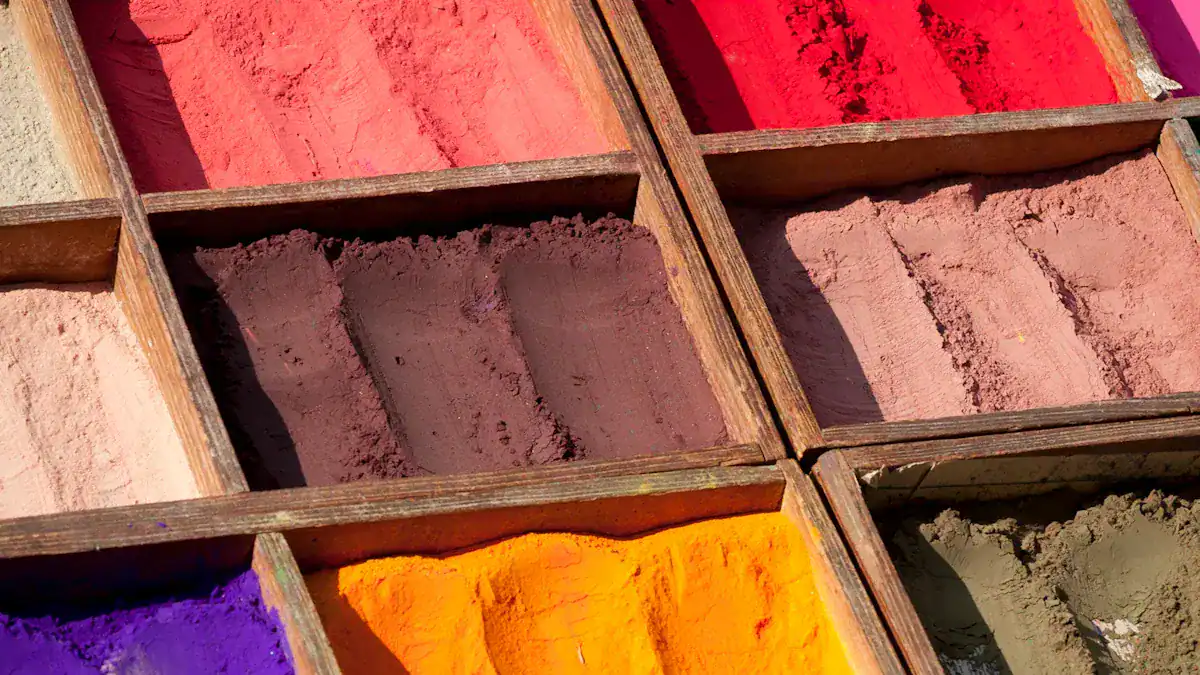
You prepare the pigment and binder before printing. Pigments are tiny color particles that do not dissolve in water. You mix them with a binder, which helps the pigment stick to the fabric. The binder acts like glue, holding the color on the surface. You do not need extra steps like afterwashing or chemical fixation because the binder does the job.
Here is a table showing a typical recipe for pigment printing paste:
Ingredient | Quantity (parts) |
|---|---|
Aramine SLN Binder | 200 |
Emulsifier | 5 |
Urea (Hygroscopic agent) | 50 |
Diammonium phosphate (acid agent) | 30 |
Water | 50 |
Kerosene (mixed in) | 665 |
Total | 1000 |
You mix these ingredients with a high-speed stirrer. This step makes sure the paste is smooth and ready for printing. You adjust the viscosity and drying time to match the fabric and printing method.
Printing Techniques
You use different printing techniques to apply the pigment paste to the fabric. You see screen printing, rotary printing, and stampa digitale in bedding factories. Digital printing is popular because it lets you create detailed designs and use less water.
You find several printhead technologies in digital pigment printing. Here is a table showing the most common ones:
Printhead Technology | Descrizione |
|---|---|
Epson DX5 | Used widely for digital textile pigment printing in bedding. |
Epson 4720 | Another common choice for pigment printing in bedding. |
Xaar 1201 | Known for its use in textile pigment printing. |
Ricoh Gen5 | Frequently used in bedding pigment printing processes. |
You place the fabric on a table or conveyor belt. You apply the pigment paste using the chosen technique. You see the design appear on the surface of the fabric. You control the speed and pressure to get sharp lines and bright colors.
Note: Digital pigment printing lets you customize bedding with unique patterns and colors.
Drying and Finishing
You finish the pigment printing process by drying and curing the printed fabric. You use heat to cure the binder and lock the pigment onto the surface. You often set the temperature to around 160ºC and adjust the belt speed to match the fabric type. This step makes the design durable and helps the colors stay bright after washing.
You do not need extra washing or chemical treatments. The binder keeps the pigment in place. You inspect the finished bedding for quality. You check that the colors are even and the design looks good.
Here is a simple list of the main steps in the pigment printing process:
Pre-treat the fabric.
Prepare the printing table.
Place the fabric on the table.
Apply the pigment paste with a screen or printhead.
Cure the fabric at high temperature.
Deliver the finished bedding.
You see that each step helps you get bedding with bright colors, sharp designs, and long-lasting quality.
Pigment Printing vs Other Methods
Confronto
When you choose bedding, you often see different printing methods. Pigment printing stands out because it uses solid color particles that stay on the surface of the fabric. This method gives you bedding with bright colors and sharp designs. You do not need many extra steps, so the process is simple and fast. You can use pigment printing on many types of fabrics, which makes it a flexible choice for bedding.
Reactive and disperse printing work differently. These methods use dyes that dissolve and bond with the fabric fibers. You need special treatments before and after printing. For example, reactive printing needs steaming and washing to fix the colors. Disperse printing works best on synthetic fabrics and also needs heat to set the colors. These extra steps use more water and energy.
You can see the main differences in la tabella sottostante:
Funzionalità | Pigment Printing | Reactive Printing |
|---|---|---|
Solidità del colore | Good, but generally less than reactive | Excellent, highly vibrant and fastened |
Durabilità | High durability with good rub fastness | Good, but can vary based on fabric type |
Impatto ambientale | Lower water consumption | Higher water usage during dyeing process |
Fabric Feel | Soft handle, good air permeability | Bright colors, but may feel different due to dyeing process |
Differenze chiave
You notice several key differences when you compare pigment printing to other methods. Pigment printing uses less water and energy. Digital pigment printing can cut water use by up to 96% compared to dye-based methods. You also save energy, which helps the environment. The process creates less waste and uses fewer chemicals, making it safer for workers and better for the planet.
Pigment printing uses water-based inks, which are less harmful.
You need fewer chemicals, so the process is safer.
Minimal water is needed, which is important in dry areas.
The prints last longer, so you throw away less bedding.
You can use pigment printing on eco-friendly fabrics.
Pigment printing gives you bedding with lasting colors and detailed designs. You get a soft feel and easy care. Reactive and disperse printing can give you even brighter colors, but they need more steps and resources. When you want bedding that is colorful, durable, and better for the environment, pigment printing is a smart choice.
Advantages and Care
Benefits of Pigment Printing
You gain many benefits when you choose pigment printed bedding for your home. This type of bedding offers high quality printing with vibrant and permanent colors that stay bright after washing. You see complex designs printed directly from digital files, giving you creative freedom in your bedroom. The process uses less water and creates less waste, making it a sustainable choice. You also notice that the print feels soft and smooth, blending well with the fabric. The technique is affordable, so you can enjoy new bedding styles without spending too much. Small businesses can produce unique bedding with low setup costs, which means you get more options.
Here is a table showing the main advantages of pigment printing:
Vantaggio | Descrizione |
|---|---|
High quality printing | Brighter, permanent colors that withstand washing. |
Versatility in design | Complex designs printed directly from digital formats. |
Good durability | Ink binds tightly, improving resistance to rubbing and washing. |
Soft hand feel | Print feels soft and integrated with the fabric. |
Costo-efficacia | Low setup cost, ideal for small businesses and custom orders. |
Sostenibilità | Minimal waste and reduced water usage in processing. |
Limitations
You should also know the limitations of pigment printed bedding. The print resolution can be lower because pigments are small particles that sit on the fabric surface. Larger pigment particles may cause a loss of sharpness in detailed designs. The binder can sometimes cause smudging or cracking if not applied correctly. Some fabrics, especially rough ones, may show patchy colors or uneven prints. You might notice that pigment printed bedding can lose color and start to peel after a few washes, while other types like reactive printed bedding keep their colors longer.
Print resolution may be limited, especially for fine designs.
Larger pigment particles can reduce sharpness.
Binders may cause smudging or cracking.
Rough fabrics can lead to patchy colors.
Color loss and peeling can happen after several washes.
Consigli per la cura
You can keep your pigment printed bedding looking fresh by following a few simple care tips. Always turn your bedding inside out before washing to protect the printed surface. Use gentle, color-safe detergents and wash in cold or lukewarm water. Choose a gentle wash cycle and avoid mixing with rough fabrics. Air dry your bedding when possible, or use a low-heat setting in the dryer. Store your bedding in breathable cotton bags to prevent moisture build-up. Rotate your bedding regularly to keep the colors and designs looking new.
Consiglio: Avoid harsh detergents, hot water, and direct sunlight, as these can fade colors and weaken the fabric.
Common mistakes to avoid:
Do not use harsh detergents.
Do not wash with hot water.
Do not overdry in high heat.
Do not expose bedding to direct sunlight.
Do not wash bedding too often with rough items.
By following these steps, you help your bedding keep its bright colors and beautiful designs for a long time.
You now know that pigment printed bedding uses advanced printing to create colorful, lasting designs. When you shop for bedding, look for these key points:
Sustainability matters. Digital printing saves water and energy.
Quality and durability are growing priorities.
Certifications like Oeko-Tex Standard 100 help ensure safety.
Descrizione | |
|---|---|
GB/T 22844-2009 | Set Bedding |
GB/T 22796-2009 | Quilts and Quilt Covers |
GB/T 22797-2009 | Bed Sheets |
GB/T 22843-2009 | Pillows and Cushions |
GB 18401-2010 | National Basic Safety Technical Specifications |
Check care labels and product details before you buy. This helps you choose bedding that fits your needs and values.
Domande frequenti
What makes pigment printed bedding different from other printed bedding?
You see pigment printed bedding with colors that sit on the fabric surface. Other methods, like reactive printing, bond colors deep into the fibers. Pigment printing uses less water and energy. You get bright designs and easy care.
Can you use pigment printed bedding if you have sensitive skin?
You can use pigment printed bedding if you have sensitive skin. Most products use safe, water-based inks and pass safety standards. Always check for certifications like Oeko-Tex Standard 100 to make sure your bedding is free from harmful chemicals.
How long do the colors last on pigment printed bedding?
You enjoy long-lasting colors with pigment printed bedding. The binder locks pigments on the surface. If you follow care instructions, your bedding stays bright after many washes. Avoid harsh detergents and hot water to keep colors vibrant.
Is pigment printed bedding eco-friendly?
You help the environment when you choose pigment printed bedding. The process uses less water and fewer chemicals than traditional methods. Many manufacturers use digital printing to reduce waste. Look for eco-labels to make sure your bedding meets green standards.
Vedi anche
Confronto tra stampa a pannelli e stampa digitale per biancheria da letto in poliestere
 Italian
 English
 Arabic
 Spanish
 French
 Portuguese
 Vietnamese