
As a second-generation textile manufacturer with over two decades in the industry, I’ve seen the satin bedding market evolve dramatically. Today, I want to share both the science and stories behind quality satin bed sheet production, drawing from my experience running one of china’s leading bedding manufacturing facilities.
The Art and Science of Satin bed sheet Production
When I walk through our factory floor each morning, I’m reminded of something my father taught me: “Quality isn’t just about the final product—it starts with the first thread.” Let me take you through our process.
Raw Material Selection
In our facility, we’re meticulous about material selection. Here’s what we look for:
- Fiber Quality
- Polyester Fabric (minimum 1.5 inches)
- Consistent fiber diameter
- Clean, uncontaminated raw material
- Thread Construction
- Optimal twist level: 30-32 turns per inch
- Even tension throughout
- Uniform diameter
Manufacturing Insight: We reject about 15% of raw materials at this stage—an expensive but necessary step for maintaining quality.
The Manufacturing Process
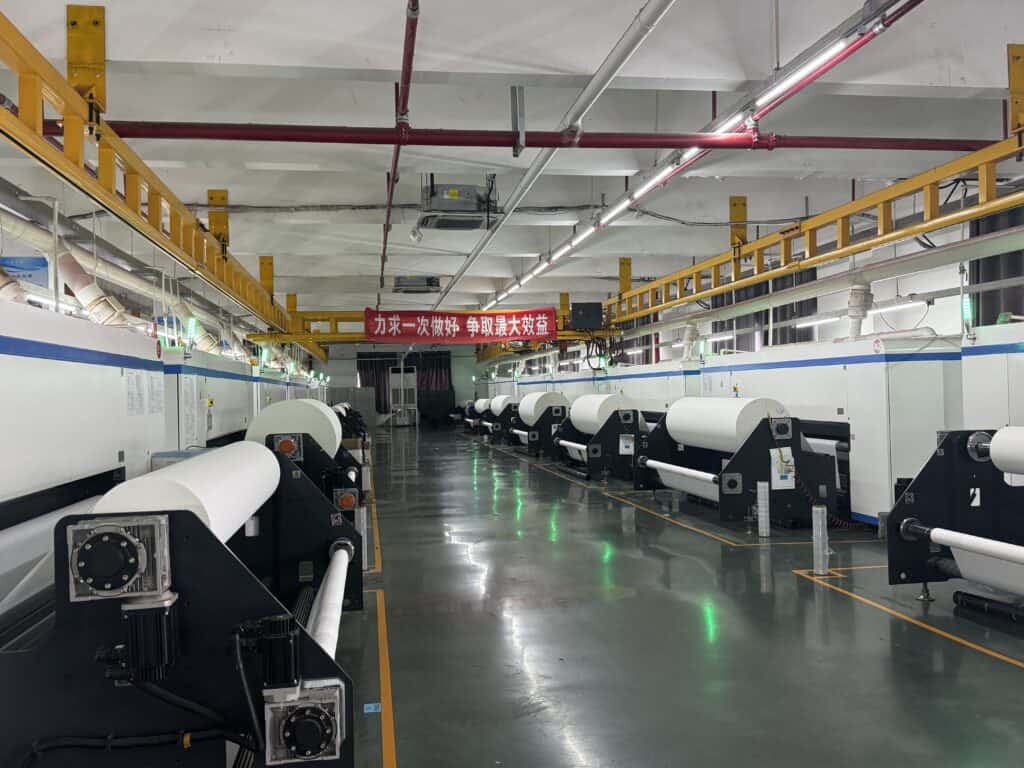
Weaving Technology
In our factory, we use state-of-the-art Jacquard looms that create the distinctive satin weave. The process involves:
| Passo | Scopo | Quality Control Point |
|---|---|---|
| Warping | Thread alignment | Tension monitoring |
| Tessitura | Four-over-one-under pattern | Pattern consistency |
| Initial inspection | Defect detection | Surface examination |
| Finitura | Enhancement of appearance | Texture verification |
Quality Control Steps
As a manufacturer, I’ve developed a comprehensive inspection process that combines traditional wisdom with modern technology:
- Initial Inspection
- Visual examination under standardized lighting
- Touch assessment for consistency
- Basic strength testing
- Technical Testing
- Thread count verification
- Tensile strength measurement
- Colorfastness evaluation
Personal Note: Last year, we implemented an AI-assisted inspection system, but I still insist on human touch assessment—some things technology can’t replace.
Common Manufacturing Challenges
Let me share a recent challenge we faced. During summer production, we noticed slight inconsistencies in our fabric sheen. After investigation, we found that humid weather was affecting our finishing process. Here’s how we solved it:
- Climate Control Upgrades
- Modified Finishing Formula
- Enhanced Quality Checks
Quality Standards We Live By
As a manufacturer, I insist on meeting these benchmarks:
- Tensile Strength: Minimum 50 lbs force
- Colorfastness: Grade 4 or higher
- Surface Consistency: 98% defect-free
The Production Journey
Let me walk you through a typical day in our facility:
Morning Quality Check
I start each day by reviewing the previous night’s production samples. We examine:
- Weave consistency
- Color accuracy
- Surface finish
- Seam quality
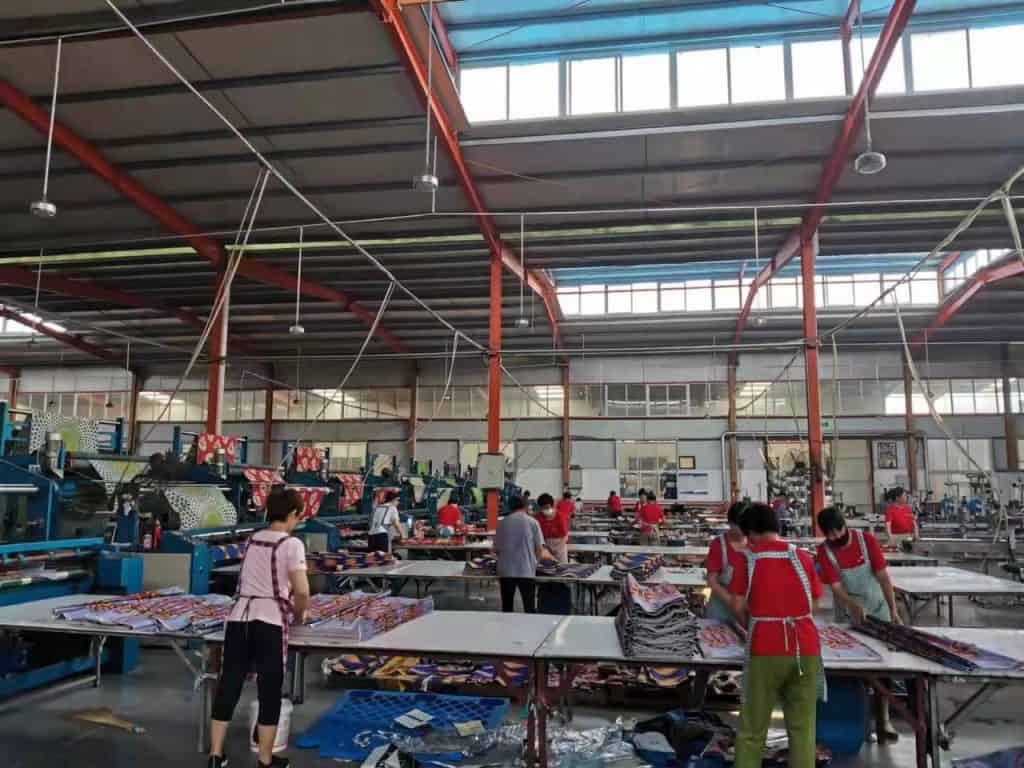
Production Monitoring
Throughout the day, our team conducts regular checks:
- Hourly fabric inspections
- Machine calibration verification
- Environmental condition monitoring
Real Example: Last month, this vigilance helped us catch a slight tension issue before it affected an entire production run.
Certification and Testing
In my experience, third-party certification is crucial. We maintain:
- OEKO-TEX® Standard 100 certification
- ISO 9001:2015 quality management system
- Regular independent laboratory testing
Customer Feedback Integration
One thing I’m particularly proud of is how we integrate customer feedback into our manufacturing process. Here’s a recent example:
A hotel chain reported that their sheets were showing wear patterns after three months. We:
- Analyzed returned samples
- Identified a finishing process issue
- Modified our production parameters
- Implemented new durability testing
Care Instructions Development

Based on our manufacturing expertise, we recommend:
- Washing Guidelines
- Temperature: Cold to warm (30-40°C)
- Cycle: Gentle
- Detergent: Mild, liquid
- Drying Recommendations
- Tumble dry low
- Remove promptly
- Avoid overheating
Looking to the Future
As a manufacturer, I’m excited about upcoming innovations:
- Sustainable fiber processing
- Advanced finishing techniques
- Improved durability treatments
Conclusione
Quality satin sheet production is a blend of traditional craftsmanship and modern technology. From our factory floor to your bedroom, every step matters in creating a product that meets both technical standards and customer expectations.
For Buyers and Retailers
When evaluating satin sheets, consider:
- Manufacturing source credentials
- Quality control processes
- Testing certifications
- After-sale support
Final Thought: In our industry, reputation is built one sheet at a time. That’s why we never compromise on quality, even if it means higher production costs.
 Italian
 English
 Arabic
 Spanish
 French
 Portuguese
 Vietnamese