

You want bedding that feels soft and cozy. Micro fiber bedding gives you that plush texture, stays wrinkle-free, and comes in many colors. You can wash it easily and it dries fast. The price fits most budgets. This bedding keeps its shape and resists stains. Some downsides pop up, though. The fabric doesn’t breathe well and can trap heat. It’s thin, can attract hair, and sometimes holds onto sweat and oil. People also worry about its impact on the environment since it’s made from synthetic materials.
Key Takeaways
Microfiber bedding offers a soft and cozy feel, making it a great choice for comfort and relaxation.
This bedding is budget-friendly and durable, providing good value without breaking the bank.
Microfiber dries quickly and resists wrinkles, making laundry day easier and more efficient.
Consider the heat retention of microfiber; it may not be ideal for those who get hot while sleeping.
Be mindful of the environmental impact of microfiber; look for eco-friendly options if sustainability is important to you.
What Is Micro Fiber Bedding
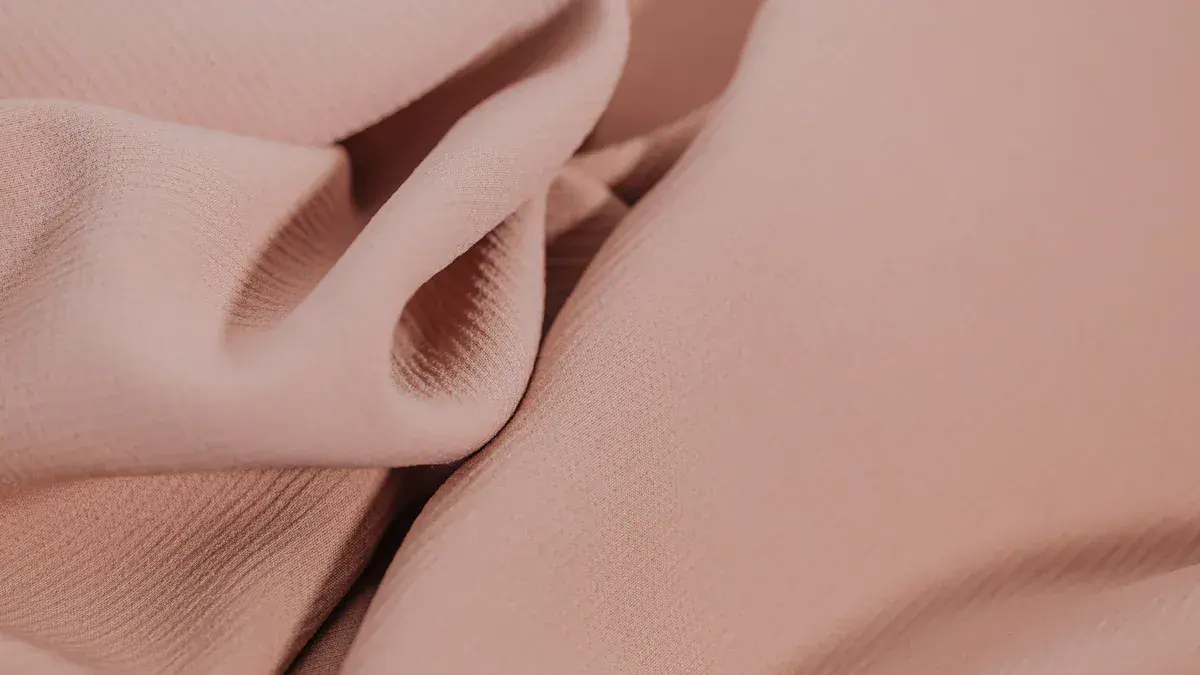
You might wonder what micro fiber bedding really is. This type of bedding uses super fine synthetic fibers, usually polyester or nylon. These fibers are much thinner than a strand of silk. Because of their size, they create a soft and smooth fabric that feels gentle against your skin.
Micro Fiber Bedding Materials
Micro fiber bedding stands out because of its materials. You get sheets made from polyester, nylon, or sometimes a blend of both. These synthetic fibers give the bedding its signature softness and durability. Let’s look at how micro fiber compares to cotton:
Properties | Microfiber | Cotton |
|---|---|---|
Fabric | Synthetic Fabric | Natural Fabric |
Cost | Budget Friendly | Expensive |
Absorbency | Less absorbent | Highly Absorbent |
Breath-ability | Less Breathable | More breathable |
Softness | Soft Material | Gets softer with each wash |
Lifespan | Durable | Less Durable |
Hypoallergenic | Partial hypoallergenic | Hypoallergenic |
You can see that micro fiber bedding is budget-friendly and durable, but it doesn’t breathe as well as cotton.
How It’s Made
Manufacturers use machines to spin polyester or nylon into thin threads. They weave these threads tightly to make the fabric. The tight weave helps the bedding resist stains and keeps its shape. You’ll notice that micro fiber bedding often feels lighter and dries faster than other types.
Tip: If you want bedding that dries quickly after washing, micro fiber is a smart choice.
Types of Micro Fiber Bedding
You’ll find several types of micro fiber bedding. Some sheets use a sateen weave, which feels silky and smooth. Others use a percale weave, which feels crisp and cool. Thread count also matters. Higher thread counts usually mean softer and more durable sheets, but anything above 300-600 is enough for comfort.
Factor | Description |
|---|---|
Thread Count | Higher numbers mean softer and stronger sheets. |
Weave | Sateen is silky; percale is crisp. |
Durability | Good sheets last through many washes. |
Breathability | Sheets with better airflow help you sleep cooler. |
You can pick the type that matches your sleep style. Micro fiber bedding gives you options for softness, feel, and price.
Micro Fiber Bedding Advantages

Softness and Comfort
You want bedding that feels gentle against your skin. Micro fiber bedding gives you that soft and smooth touch right from the start. Many people say it feels plush and cozy, almost like sleeping on a cloud. The tiny fibers create a silky surface that helps you relax at night.
Here’s a quick look at what makes micro fiber bedding comfortable:
Aspect | Details |
|---|---|
Softness | Sheets feel very soft and smooth, adding to your comfort. |
Breathability | The material lets air move through, helping you stay cool and dry. |
Moisture Management | Micro fiber absorbs sweat, so you wake up feeling fresh and comfortable. |
Tip: If you toss and turn at night, soft bedding can help you settle down and get better sleep.
Lightweight and Durability
You might notice that micro fiber bedding feels lighter than cotton or linen. The fabric uses fine threads, so it doesn’t weigh much. This makes it easy to handle when you make your bed or wash your sheets.
Check out how micro fiber bedding compares to other materials:
Bedding Type | Weight (GSM) | Characteristics |
|---|---|---|
Microfiber | 95 | Smooth finish, soft from the start, durable compared to cotton. |
Cotton (Egyptian) | Varies | Soft, natural fiber, may not match durability of micro fiber bedding. |
Linen | Varies | Breathable, crisp at first, softens over time, good for warm climates. |
Durability matters when you want bedding that lasts. Micro fiber bedding uses a dense weave, so it stands up to regular use. You can wash it many times without seeing much wear. Some sheets may pill after a while, but they still hold up better than many other fabrics.
Material | Durability Description |
|---|---|
Microfiber | High durability with a dense weave, but may experience pilling over time. |
Polyester | Outlasts microfiber in terms of wear and tear resistance. |
Cotton | Known for longevity but may not resist stains and tears as well as micro fiber bedding. |
Easy Care and Machine Washable
You probably want bedding that’s simple to clean. Micro fiber bedding makes laundry day easy. You can toss it in the washing machine, and it comes out looking fresh. The fabric resists wrinkles, so you don’t need to iron it.
Here’s why you’ll love caring for micro fiber bedding:
You can wash it with regular detergent.
It dries quickly in the dryer or on a line.
The sheets keep their shape after many washes.
Wrinkles don’t stick around, so your bed looks neat.
Note: Always check the care label before washing to keep your bedding in top shape.
Stain and Color Resistance
Spills happen, but micro fiber bedding helps you worry less. The tight weave keeps stains from soaking in. Colors stay bright, even after many washes. You don’t have to stress about fading or ugly spots.
Micro fiber sheets resist wrinkles and stay durable.
They’re easier to care for than cotton.
The fabric stands up to stains and keeps colors looking new.
If you have kids or pets, this bedding can save you time and effort.
Affordability
You don’t need to spend a lot to get soft, durable bedding. Micro fiber bedding fits most budgets. You’ll find many options at different price points, so you can choose what works for you.
Micro fiber bedding costs less than cotton or linen.
You get good value for your money.
Many stores offer sets with pillowcases and sheets included.
Tip: If you want to refresh your bedroom without spending much, micro fiber bedding is a smart pick.
Quick Drying
Nobody likes waiting for sheets to dry. Micro fiber bedding dries fast, so you can wash and reuse it in no time. The thin fibers let water escape quickly, making laundry easier.
Sheets dry faster than cotton or linen.
You save time and energy.
Quick drying helps prevent musty smells.
If you live in a humid area or need bedding that’s ready in a hurry, micro fiber bedding makes life simpler.
Micro Fiber Bedding Disadvantages
Breathability and Heat Retention
You might notice that micro fiber bedding feels warm at night. The fabric traps heat and moisture, which can make you sweat. If you tend to get hot while you sleep, this bedding may not help you stay cool. The hydrophobic fibers repel moisture, so sweat doesn’t evaporate easily. This creates a humid environment around your body. Even when your room feels cool, you might wake up feeling sticky or overheated.
Microfiber traps heat and moisture, creating a warm microclimate.
The fibers block airflow, which increases humidity and prompts sweating.
Sweat can’t evaporate quickly, so you may feel uncomfortable.
If you live in a warm climate or struggle with night sweats, you may want to look for bedding with better airflow.
Static Electricity
Have you ever pulled the sheets off your bed and heard a crackle? Micro fiber bedding can build up static electricity, especially in dry weather. You might feel a small shock when you touch your sheets or see them cling to your clothes. This happens because synthetic fibers rub together and create static. It’s not dangerous, but it can be annoying.
Tip: Using a fabric softener or dryer sheet can help reduce static cling.
Environmental Impact
You may want to think about how your bedding affects the planet. Micro fiber bedding is made from synthetic materials, which means it doesn’t break down easily. When you wash these sheets, tiny fibers can escape into the water. These microfibers end up in rivers and oceans, adding to plastic pollution.
Each laundry cycle can release about 700,000 microfibers, weighing around 0.5 grams.
Globally, about 500,000 tonnes of microfibers enter the ocean every year from washing textiles.
Textiles make up 14% of plastic waste, second only to packaging.
Wastewater from textile factories can contain up to 54,100 microfibers per liter, much higher than regular sewage treatment plants.
If you care about the environment, you might want to choose bedding made from natural fibers or look for ways to reduce microfiber pollution.
Absorbency and Staining
Micro fiber bedding doesn’t absorb liquids like cotton does. The fabric repels water, so spills may bead up on the surface. This helps prevent stains, but it also means the sheets can hold onto oils and sweat. Over time, you might notice discoloration or odors. If you have oily skin or sweat a lot, the bedding may start to look dingy.
The fabric resists water-based stains but can absorb body oils.
Sweat and oil can build up, causing stains and smells.
You may need to wash your sheets more often to keep them fresh.
Flammability
Safety matters when you pick bedding. Micro fiber bedding is a synthetic fabric, so it can burn if exposed to high heat. It’s less flammable than polyester but still presents a risk. Wool bedding is much safer because it needs a very high temperature to catch fire. Cotton ignites more easily than wool, so it’s riskier too.
Material | Flammability Risk |
|---|---|
Microfiber | |
Cotton | Higher |
Wool | Lower |
Wool’s natural flame resistance comes from its nitrogen and water content. It needs at least 570 degrees Celsius to ignite. If fire safety is important to you, wool bedding is the best choice.
Slick or Slippery Feel
You might find that micro fiber bedding feels slick or slippery. The smooth surface can cause your sheets or pillowcases to slide around. Some people like this silky feel, but others prefer bedding that stays in place. If you toss and turn at night, you may wake up with your sheets bunched up or your pillow on the floor.
Note: If you want bedding that stays put, look for options with a tighter weave or textured finish.
Wear and Longevity
Durability depends on the quality of your bedding. Some micro fiber bedding lasts a long time, but lower-quality sheets may rip or wear out quickly. User reviews say that cheap microfiber sheets can show signs of wear after just a few washes. If you choose bedding with strong seams and good stitching, it will last longer.
Evidence Type | Description |
|---|---|
User Reviews | Lower-quality microfiber sheets may rip or wear out after minimal use. |
Expert Analysis | Well-sewn seams and quality stitching improve durability. |
Durability Factors | Tightly woven polyester is strong, but fabric and stitching quality matter. |
If you want bedding that stands up to regular use, check the stitching and fabric before you buy.
Choosing Micro Fiber Bedding
Comfort and Sleep Preferences
You want bedding that matches how you sleep. If you like a soft, smooth feel, micro fiber bedding gives you that plush comfort. Do you get hot at night? You might prefer cotton or linen because they breathe better. If you sleep cool or want a cozy layer, microfiber works well. Think about how you move in bed. Slick sheets can slide around, so look for a weave that stays put if you toss and turn.
Budget and Value
Your budget matters when picking bedding. Microfiber costs less than cotton or linen, but it lasts longer and needs fewer replacements. Take a look at how bedding types compare:
Bedding Type | Price Range | Durability | Replacement Frequency |
|---|---|---|---|
Microfiber | $45-$70 | Longer | Less frequent |
Cotton | $80-$150+ | Shorter | More frequent |
You save money with microfiber, especially if you want bedding that holds up over time.
Maintenance Needs
You probably want sheets that are easy to care for. Microfiber resists wrinkles and washes well. You don’t need to iron it or follow special instructions. Cotton and linen need more careful washing and may wrinkle or shrink. Here’s a quick look:
Bedding Type | Maintenance Requirements |
|---|---|
Microfiber | Easy to care for, wrinkle-resistant, less careful washing required. |
Cotton | Requires more careful washing, prone to wrinkling, may need ironing. |
Linen | Requires specific care to maintain quality. |
If you want simple laundry days, microfiber makes life easier.
Environmental Considerations
You might care about the planet when choosing bedding. Microfiber is synthetic, so it doesn’t break down easily and can pollute water with tiny fibers. The manufacturing process uses chemicals, making it less eco-friendly than natural fibers. Some brands offer recycled microfiber or certifications like STANDARD 100 by OEKO-TEX, which help reduce the impact. If sustainability matters to you, look for these options or consider natural fibers.
Tip: Check for eco-labels or recycled materials if you want to lower your environmental footprint.
Alternatives to Micro Fiber Bedding
You have choices besides microfiber. Cotton feels breathable and is hypoallergenic. It’s sustainable and biodegradable, but costs more. Microfiber is soft, durable, and affordable, but can feel warm in hot weather. Here’s a quick comparison:
Material | Advantages | Disadvantages |
|---|---|---|
Microfiber | Soft texture, durable, affordable, easy to care for | Less breathable, can feel warmer in hot weather |
Cotton | Breathable, hypoallergenic, sustainable, biodegradable | Generally more expensive than microfiber |
Think about what matters most to you—comfort, price, care, or the environment—before you decide.
You’ve seen the ups and downs of micro fiber bedding. It feels soft, costs less, and cleans up easily. You might notice it holds heat or sheds tiny fibers. When you decide, think about these steps:
Check your comfort and how the sheets feel.
Look at your sleep environment and temperature.
Decide how much care you want to give.
Think about the planet and your values.
Set your budget.
Pick the look and features you like.
Take your time. The best bedding fits your life and what matters most to you.
FAQ
Is microfiber bedding good for people with allergies?
You might like microfiber if you have allergies. The tight weave keeps dust mites and pollen out. You still need to wash your sheets often to stay healthy.
Can you use microfiber bedding all year round?
You can use microfiber bedding any time. It feels warm in winter. In summer, it may feel hot if you sweat a lot. Try it and see how your body reacts.
How do you keep microfiber sheets soft?
Wash your sheets in cold water. Use a gentle cycle. Skip fabric softener. Dry on low heat. Your sheets will stay soft and smooth.
Does microfiber bedding shrink or fade?
Microfiber bedding does not shrink. The colors stay bright after many washes. You get long-lasting sheets that look new for a long time.
See Also
Choosing Between Microfiber And Polyester Sheets For Comfort
Comparing Panel And Digital Printing For Bedding Fabrics
 English
 Arabic
 Spanish
 French
 Italian
 Portuguese
 Vietnamese
