
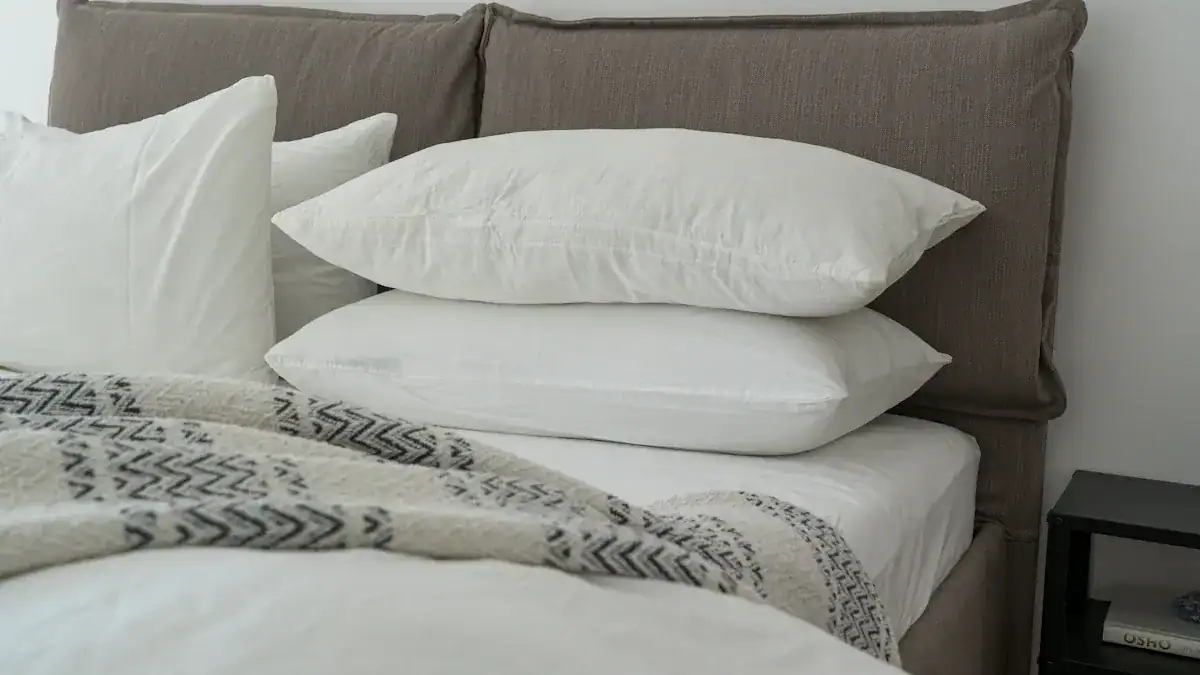
You might wonder which bed sheets work best for you. There’s no single answer because everyone sleeps differently. If you want a warmer and tough choice, a microfiber bed sheet set could suit you. Cotton stays cooler and feels gentle on sensitive skin. Here’s a quick look at what most people choose:
Cotton fabric bed sheets make up 45% of the global market.
Polyester fabric sheets, including microfiber, cover about 30%.
Think about what helps you sleep best before you decide.
Key Takeaways
Microfiber sheets are soft, warm, and budget-friendly, making them ideal for cold sleepers.
Cotton sheets are breathable and moisture-wicking, perfect for hot sleepers and those with sensitive skin.
Microfiber requires less maintenance and dries quickly, while cotton gets softer with each wash but may wrinkle.
Consider your sleep style and budget when choosing between microfiber and cotton sheets for the best comfort.
Cotton is more eco-friendly and biodegradable, while microfiber can contribute to microplastic pollution.
About Microfiber Bed Sheet Sets
What Is a Microfiber Bed Sheet Set
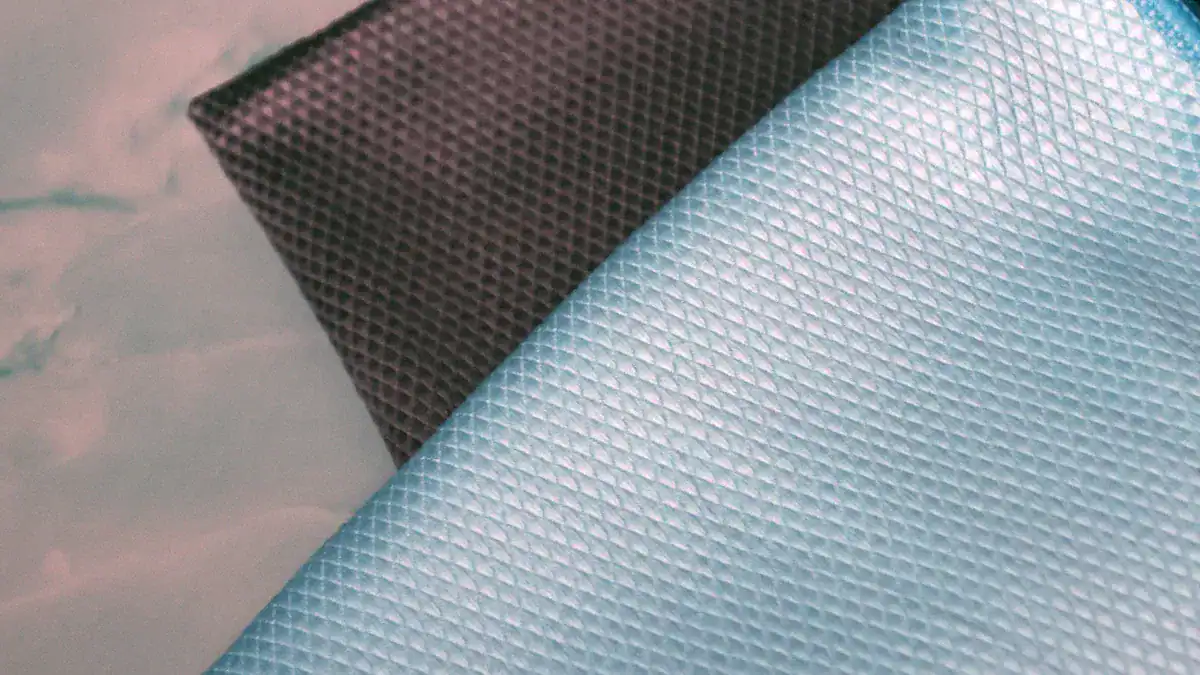
When you pick a microfiber bed sheet set, you get sheets made from very fine synthetic fibers. Most of the time, these fibers come from 100% polyester. The fibers are much thinner than a human hair, which gives the sheets a soft and smooth feel. You will often find two main weave patterns in these sheets. Flat weave is common because it is durable and resists stains. Waffle weave is less popular for bed sheets since it traps heat and holds moisture.
Material Type | Description |
|---|---|
Microfiber | Made from 100% polyester fiber, ensuring softness, durability, and easy maintenance. |
Flat Weave: Durable, stain-resistant, and moisture-repellent.
Waffle Weave: Absorbent and heat-trapping, but not ideal for most bedding.
Key Features
You will notice that a microfiber bed sheet set feels silky and smooth. These sheets are lightweight, but they keep you warm at night. If you live in a cold place or like to feel cozy, you might enjoy how well they hold heat. Microfiber sheets also resist wrinkles, so your bed looks neat with less effort. They are easy to wash and dry quickly, which makes laundry day simple. However, if you tend to get hot while you sleep, you may find these sheets too warm. Microfiber can also attract static and sometimes pills if the quality is low.
Tip: If you want sheets that stay soft and look good after many washes, microfiber is a strong choice.
Pros & Cons
Here’s a quick look at what people like and dislike about microfiber bed sheet sets:
Pros | Cons |
|---|---|
Moisture retention | |
Feels like silk | Staining |
Attractive and durable | Static attraction |
Smooth on the skin | |
Lightweight but well made |
You will find that a microfiber bed sheet set costs less than many cotton options. They last a long time and keep you warm. On the other hand, they may not suit you if you sleep hot or have sensitive skin. Lower-quality sets can pill or tear more easily.
About Cotton Bed Sheet Sets

What Is a Cotton Sheet Set
When you choose a cotton bed sheet set, you get sheets made from natural fibers. Cotton comes from the cotton plant, so it feels soft and gentle against your skin. You might see different types of cotton in stores. Each type has its own feel and benefits:
Percale: This cotton feels crisp and cool. It works well if you want sheets that stay fresh and breathable.
Sateen: These sheets feel silky and smooth. They look shiny and feel warmer than percale.
Flannel: Flannel sheets feel fuzzy and warm. You might like them if you live in a cold place.
Twill: Twill sheets feel soft and heavy. They last a long time but don’t breathe as well as other types.
Cotton sheets come in many colors and patterns. You can find them in almost any store.
Key Features
Cotton sheets stand out because they let air flow easily. You won’t feel sweaty or sticky at night. The fabric feels crisp when new, but it gets softer every time you wash it. Cotton absorbs moisture, so it helps if you sweat while you sleep. You can use cotton sheets all year, but they work best in warm weather or if you sleep hot.
Here’s a quick look at how the weave changes the feel:
Weave Type | Breathability | Softness | Texture Description |
|---|---|---|---|
Percale | High | Crisp | Tight-knit, matte finish |
Sateen | High | Smooth | Smoother feel, shiny finish |
Tip: If you want sheets that feel fresh and get softer over time, cotton is a great choice.
Pros & Cons
Cotton bed sheet sets have many fans. You might love them for these reasons:
Soft, fresh, and crisp feel
Gets softer with each wash
Good for hot sleepers and night sweats
Available in many colors and patterns
But cotton sheets have a few downsides:
Wrinkle easily
May shrink after washing
Wear out faster than linen
High-quality sets cost more
Advantages of Cotton Sheets | Disadvantages of Cotton Sheets |
|---|---|
Many price points | Not as durable as linen |
Machine-washable | Will shrink over time |
Good for sensitive skin | May need to be replaced more often |
You get a natural, comfortable sleep with cotton sheets. If you want cool nights and gentle fabric, cotton might be your best bet.
Microfiber vs Cotton: Key Differences
Comfort & Feel
When you touch your sheets, comfort matters most. Many people say cotton feels soft and natural. Over half of shoppers—about 58%—choose cotton for its gentle touch, even if it costs more. Cotton sheets get softer every time you wash them. If you like a crisp, cool feel, cotton percale might be your favorite. Sateen cotton feels smooth and a bit warmer.
Microfiber sheets also feel soft and silky. You might notice they glide over your skin. A microfiber bed sheet set can feel cozy right out of the package. If you want a budget-friendly option, microfiber is popular. Still, some people find it less breathable, which can make you feel too warm.
Most buyers prefer cotton for softness and comfort.
Microfiber is soft and smooth but can trap heat.
Budget shoppers often pick microfiber for the price.
Breathability & Temperature
Do you sleep hot or cold? This question can help you pick the right sheets. Cotton lets air flow through the fabric. It wicks away sweat and keeps you cool. That’s why 63% of bedding buyers choose cotton for breathability.
Microfiber holds in heat. If you get cold at night, a microfiber bed sheet set can keep you warm. But if you sweat or feel hot, you might wake up uncomfortable.
Material | Breathability | |
|---|---|---|
Cotton | Cool, moisture-wicking | Excellent with natural airflow |
Microfiber | Creates warmth, heat retention | Synthetic fibers trap heat/moisture |
Tip: Hot sleepers usually love cotton. Cold sleepers often prefer microfiber.
Durability & Longevity
You want sheets that last. Cotton sheets, especially those with a high thread count, can last for years. They get softer but stay strong. Some cotton sheets may shrink a little after the first wash, but then they settle in.
Microfiber sheets resist pilling and tearing. They hold their color well. Over time, though, they can feel rougher, especially if you wash them often or use high heat.
Material | Longevity Characteristics | |
|---|---|---|
Microfiber | Resists pilling/tearing, holds color, can degrade with heat | May get rough after many washes |
Cotton | High thread count lasts years, may shrink at first | Premium types get softer, stay strong, but wrinkle more |
Cotton sheets cost more but last longer.
Microfiber sheets are tough but may lose softness over time.
Care & Maintenance
You want easy laundry days. Microfiber sheets are simple to care for. Wash them in cold water with gentle detergent. They dry fast and rarely need ironing. Avoid high heat to keep them soft.
Cotton sheets can handle hot water, which helps kill germs. They may wrinkle and sometimes need ironing if you want a crisp look. Cotton absorbs stains more easily, so you might need to treat spots before washing.
Care Aspect | Cotton Sheets | Microfiber Sheets |
|---|---|---|
Hot water is safe | Cold or warm water only | |
Drying | Line or machine dry | Quick-drying, low heat |
Ironing | Often needed | Rarely needed |
Stain Resistance | Absorbs stains | Naturally stain-resistant |
Special Care | May bleach whites | Add dryer sheets for static |
Always read the care label.
Wash sheets separately to keep them smooth.
Use gentle detergent for both types.
Cost & Value
Your budget matters. Microfiber sheets usually cost less than cotton. If you want to save money now, microfiber is a good pick. Cotton sheets cost more upfront, but they last longer and feel better over time.
Sheet Type | |
|---|---|
Cotton | $50 – $200+ |
Microfiber | Generally lower than cotton |
Cotton sheets give you better long-term value.
Microfiber sheets are cheaper but may need replacing sooner.
Environmental Impact
You might care about how your sheets affect the planet. Cotton comes from plants, so it’s a renewable resource. But growing cotton uses a lot of water and, unless it’s organic, many chemicals. Cotton sheets break down in a few months if you compost them.
Microfiber sheets come from petroleum, which is not renewable. Making them uses less water, but the process needs chemicals. Microfiber does not break down easily. It can take hundreds of years to decompose. When you wash microfiber sheets, tiny plastic fibers can enter rivers and oceans. These microplastics harm fish and even end up in our food and water.
Cotton Sheets | Microfiber Sheets | |
|---|---|---|
Raw Material Source | Renewable plant | Petroleum-based, non-renewable |
Water Usage | Very high | Lower |
Pesticide/Chemical Use | High (unless organic) | Chemical-intensive |
Biodegradability | 3-5 months | 200+ years |
Microplastic Shedding | None | Yes, during washing |
End-of-Life Options | Compostable, recyclable | Usually landfill |
Carbon Footprint | Moderate, some offset by plant growth | Higher, no offset |
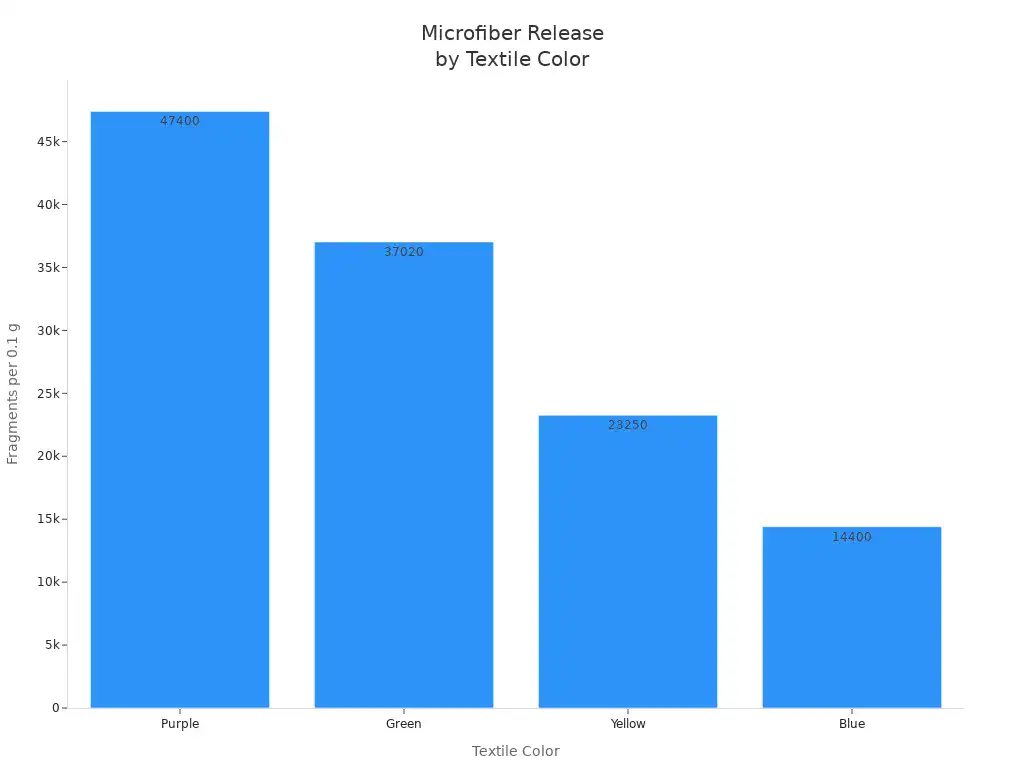
Note: Microfibers from synthetic sheets have been found in water, food, and even inside living things. These tiny fibers can harm fish and may affect your health.
Who Should Choose Microfiber Bed Sheet Sets
Best For Cold Sleepers
Do you often wake up feeling chilly? You might want a bed sheet that keeps you warm all night. Microfiber sheets work well for cold sleepers. The fabric holds your body heat close, almost like a gentle blanket that never slips off. You stay cozy from bedtime until morning.
The fabric traps your body heat.
You feel like you have a soft, snug layer over you.
You stay comfortable through the night.
If you live in a place with cold winters or just like to feel extra toasty, a microfiber bed sheet set could be your best friend. You won’t need to pile on extra blankets. Your bed will feel inviting every time you crawl in.
Tip: If you want to feel cozy without heavy layers, try microfiber sheets for a warm and snug sleep.
Best For Easy Care & Durability
Do you want sheets that make laundry day simple? Microfiber sheets are low maintenance and easy to care for. You can wash them in warm or cold water. They come out of the dryer wrinkle-free, so you don’t need to iron them. These sheets dry quickly and rarely shrink.
Microfiber sheets resist wrinkling.
They dry fast and keep their shape.
Stains come out easily, so your bed always looks fresh.
The fabric stays smooth and soft after many washes.
Busy families and anyone with a packed schedule love how easy these sheets are to clean. Microfiber bed sheets are also highly durable. They resist pilling and keep their color, even after lots of washes. You get sheets that last and look good for a long time.
Note: If you want bedding that stands up to daily use and still feels great, microfiber makes life easier.
Who Should Choose Cotton Bed Sheet Sets
Best For Hot Sleepers
Do you wake up feeling sweaty or too warm at night? You might want to try cotton bed sheets. Cotton lets your skin breathe and helps you stay cool. The fabric pulls sweat away from your body, so you feel dry and comfortable. Cotton fibers also move with the air in your room, which helps keep your body temperature steady.
Here’s a quick look at why cotton works so well for hot sleepers:
Feature | Benefit for Hot Sleepers |
|---|---|
Lets air move through, so you don’t overheat. | |
Moisture Management | Pulls sweat away, keeping you dry all night. |
Temperature Regulation | Fibers adjust with humidity, helping airflow and comfort. |
You can use cotton sheets in summer or if you live in a warm place. Many people say they sleep better and wake up feeling fresh when they use cotton. If you want a cool and crisp bed, cotton is a smart pick.
Tip: Choose percale cotton for the coolest, most breathable feel.
Best For Sensitive Skin
If your skin gets itchy or red easily, cotton sheets can help. Cotton comes from plants, so it feels gentle and natural. You won’t find harsh chemicals or rough textures in good cotton sheets, especially if you pick organic ones. Dermatologists often recommend cotton for people with sensitive skin.
Here’s why cotton is a top choice for sensitive skin:
Natural fibers, like organic cotton, help you avoid irritation and inflammation.
Synthetic sheets can make skin problems worse because of the chemicals used.
Organic cotton rarely causes itchiness or redness since it skips harsh pesticides.
Lightweight, smooth, and breathable cotton fabrics feel soft and reduce friction.
White or ivory cotton sheets usually have fewer dyes, which means less chance of irritation.
High thread count cotton or flannel feels extra soft and gentle on your skin.
You can sleep peacefully knowing your sheets won’t bother your skin. If you want comfort and care, cotton bed sheets are a great match.
Quick Decision Guide
Simple Rules
You want to make a quick choice? Here are some easy rules to help you decide between microfiber and cotton bed sheet sets:
Sleep hot or live where it’s warm? Go with cotton.
Hate ironing and want easy laundry? Microfiber is your friend.
Shopping on a tight budget? Microfiber usually costs less.
Want sheets that get softer every year? Pick cotton.
Need sheets that keep their color and shape? Microfiber holds up well.
Care about natural or eco-friendly materials? Cotton is the better pick.
Tip: If you want a fast answer, just match your top need to the rule above!
You can also check out this table to see how experts compare the most important factors:
Factor | Microfiber | Cotton |
|---|---|---|
Budget constraints | Often favored | Generally more expensive |
Skin sensitivities | Not ideal for sensitive skin | Organic cotton is preferable |
Temperature regulation | Generally less effective | Better breathability |
Maintenance | Easy care and wrinkle resistant | Requires more care |
Environmental concerns | Less eco-friendly | Typically more sustainable |
Grip for adjustable beds | Superior grip | Less secure fit |
Softness | Soft and silky feel immediately | Classic, crisp feel |
Stain resistance | High stain resistance | Lower stain resistance |
Ideal for children/pets | Yes, due to durability | Not specifically advantageous |
Buyer Checklist
Before you buy, run through this checklist to make sure you get the best bed sheet set for your needs:
Material: Think about cotton (like Egyptian, Pima, or American upland), flannel, or silk for softness and breathability.
Weave: Decide if you want percale (crisp and cool) or sateen (silky and smooth).
Thread Count: Higher numbers can mean softer sheets, but don’t rely on this alone.
Personal Preferences: Pick colors, patterns, and textures that make you happy.
Special Needs: Need hypoallergenic or moisture-wicking sheets? Look for organic cotton, bamboo, or Tencel.
Hypoallergenic: If you have sensitive skin, choose materials like organic cotton or bamboo.
Moisture-Wicking: Want to stay dry? Bamboo or Tencel sheets help pull moisture away.
Remember: The best sheets are the ones that help you sleep well and fit your lifestyle.
Choosing between a microfiber bed sheet set and cotton sheets comes down to what you need for a good night’s sleep. Here’s a quick look at how they compare:
Feature | Microfiber | Cotton |
|---|---|---|
Comfort | Soft, silky feel | Crisp, breathable, softens |
Durability | Resists pilling/shrinking | Lasts decades with care |
Price | More affordable | Higher for premium |
Slip-Resistance | Stays put | Slides more easily |
Environmental Impact | Less eco-friendly | Natural, better for planet |
Microfiber gives you instant softness and saves money.
Cotton keeps you cool and lasts longer.
Think about your sleep style, skin needs, and budget before you decide.
You know your sleep best—use the quick guide above to pick the sheets that fit your life.
FAQ
What is the main difference between microfiber and cotton sheets?
You will notice that microfiber sheets feel silky and warm. Cotton sheets feel crisp and cool. Microfiber comes from synthetic fibers. Cotton comes from plants. Your sleep style decides which one works best for you.
Can you use microfiber sheets if you have allergies?
You can use microfiber sheets if you have mild allergies. They resist dust mites and mold. If you have sensitive skin or strong allergies, you may want to try organic cotton instead.
How do you keep cotton sheets soft?
You can keep cotton sheets soft by washing them with gentle detergent. Skip fabric softeners. Dry them on low heat. Over time, cotton gets softer with each wash.
Do microfiber sheets pill or tear easily?
High-quality microfiber sheets resist pilling and tearing. Low-quality sets may pill or rip after a few washes. Always check the fabric weight and reviews before you buy.
See Also
Choosing Between Microfiber And Polyester Sheets For Comfort
 English
 Arabic
 Spanish
 French
 Italian
 Portuguese
 Vietnamese