
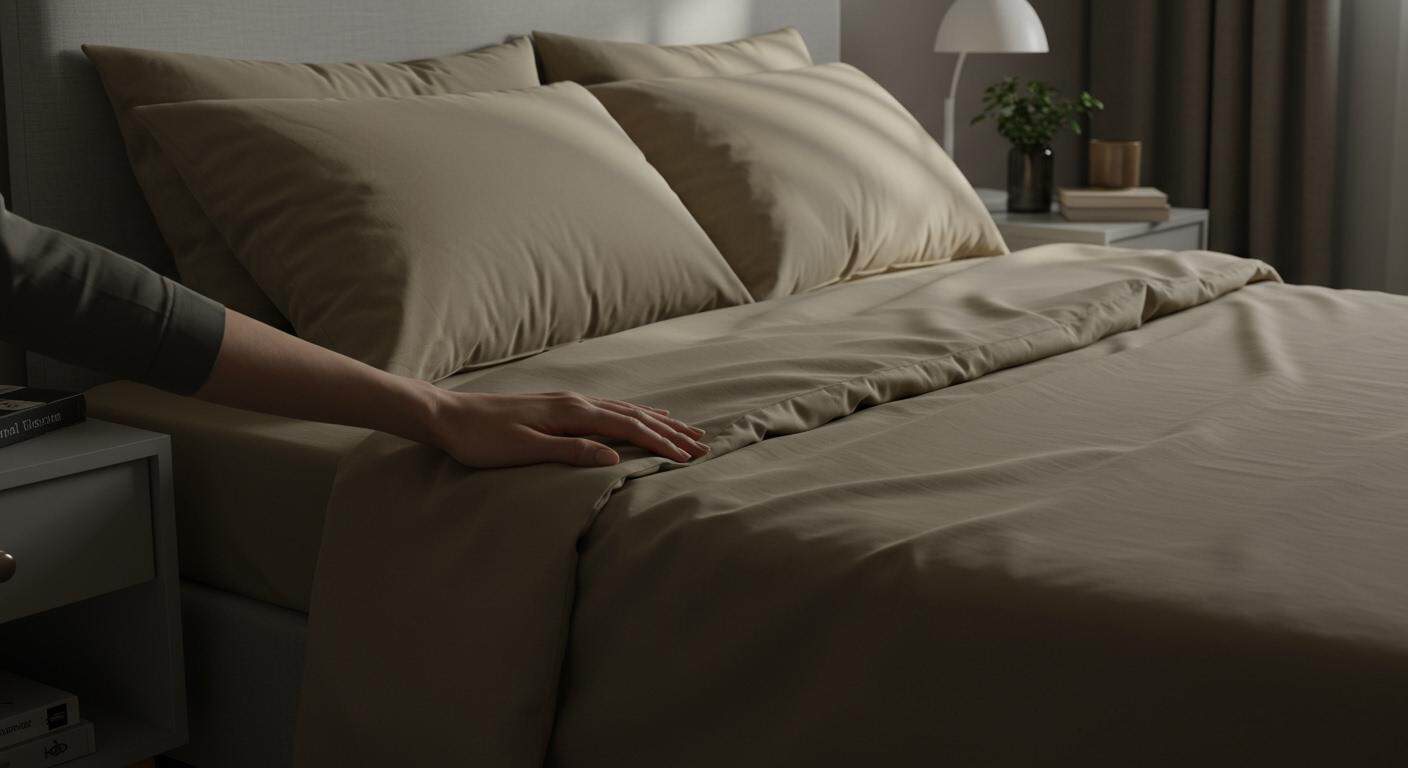
Ever wondered why you toss and turn at night? Maybe your bedding just doesn’t feel right. You deserve a solid bedding fabric that feels soft and looks great. The fabric you choose can change how well you sleep and how your room feels. Imagine sinking into bed and feeling calm, comfortable, and happy with your choice.
Key Takeaways
Pick soft fabrics like cotton or bamboo for comfort. These fabrics feel nice on your skin and help you rest.
Choose bedding that lets air move so you stay cool. Linen and bamboo let air flow and stop you from getting too hot.
Think about how long the bedding will last. Strong fabrics like cotton and polyester blends stay good longer and save money.
Read the care instructions before you buy. Some fabrics need special washing, but some are easy to clean.
Match the color and texture of your bedding to your room. This makes your room feel warm and welcoming.
What Makes Solid Bedding Fabric Best
Comfort and Softness
You want your bedding to feel nice on your skin. Soft sheets help you relax and sleep better. When you touch your sheets, they should feel smooth and cozy. Cotton and bamboo are good choices because they stay soft after washing. Sheets with a high thread count feel smoother and more fancy.
Tip: If your skin is sensitive, pick bedding made from cotton or bamboo. These natural fibers are less likely to bother your skin.
Moisture-wicking fabrics help keep you dry and cool. This is important for good sleep. Here’s how moisture-wicking can help you sleep:
Bedding affects your skin and body temperature, which matters for sleep.
Different fibers like cotton, polyester, and wool change how comfy your bed feels.
Wool sleepwear helps you fall asleep faster when it’s cool. Linen sheets help you sleep better when it’s warm.
Bamboo bedding keeps you cool and dry by wicking moisture.
Linen sheets let air flow and help you stay comfy on hot nights.
Breathability
Breathable bedding keeps you comfy all night. If your sheets trap heat, you might get sweaty or wake up. Cotton, linen, and bamboo let air move through, keeping you cool. Studies show that breathable fabrics like wool, cotton, and polyester help control temperature while you sleep. Wool soaks up moisture and keeps you warm. Polyester can make you sweat more when it’s hot. Picking breathable sheets stops you from getting too hot and helps you sleep better.
Labs use special tests to check how well fabric breathes. Here’s a quick look at how they test breathability:
Step | Description |
|---|---|
10.3 | Put the fabric under the tester and start the test. |
10.4 | Find the pressure difference or use 125 Pa if not given. |
10.5 | Write down results in cm³/s/cm² or ft³/min/ft², using 3 digits. |
12.1 | Say the standard method D 737 used for the breathability test. |
12.2.1 | Air permeability must be reported. |
Note: Breathable bedding is extra important if you live somewhere hot or get warm at night.
Durability
You want your bedding to last a long time and look nice. Durable sheets don’t rip or fade quickly. Cotton and poly-cotton blends are strong. Linen is tough too, but needs gentle care. How you wash and care for your bedding changes how long it lasts. Use gentle soap and cool water to keep sheets soft and strong. A gentle wash cycle protects delicate sheets. Air drying linen stops wrinkles.
Here’s a table showing how long popular bedding fabrics last:
Fabric Type | Average Lifespan (Wash Cycles) | Typical Lifespan (Months) |
|---|---|---|
Cotton | 150–200 | 12–18 |
Poly-Cotton Blend | Over 250 | N/A |
Linen | 100–150 | N/A |
Percale | Over 200 | N/A |
Sateen | 100–150 | N/A |
A gentle cycle keeps delicate sheets safe.
Cotton sheets can handle warm water, but cool water keeps them soft.
Linen does best with cool washes and air drying.
When you pick bedding, think about how often you wash it and how you care for it. Durable and breathable sheets save money and keep your bed looking nice.
Types of Solid Bedding Fabric

Cotton
Cotton is one of the most popular choices for bedding. You might love it because it feels soft and gentle on your skin. It lets air flow, so you stay cool at night. If you have allergies or sensitive skin, cotton is a safe pick. You can wash it in hot water to get rid of dust and germs.
Here’s a quick look at the pros and cons:
Benefit/Drawback | Description |
|---|---|
Natural and Eco-Friendly | |
Breathability | Lets air move through, keeping you cool. |
Softness | Feels gentle, even for sensitive skin. |
Durability | Gets softer with each wash. |
Hypoallergenic | Good for allergy sufferers. |
Wrinkling | Needs ironing to look crisp. |
Shrinkage | Can shrink after washing. |
Fading | Colors may fade over time. |
Tip: If you want the best bedding materials for comfort and easy care, cotton is a great place to start.
Linen
Linen bedding feels cool and smooth. It’s perfect if you get hot at night. Linen is strong and lasts a long time. It also resists bacteria, which helps if you have allergies. Over time, linen gets softer and more comfortable. It does wrinkle easily, so your bed might look a bit messy.
Advantages | Disadvantages |
|---|---|
Eco-friendly | Prone to wrinkling |
Durable | Fading |
Bacteria-resistant | Not very stain-resistant |
Feels cool | Weakened by sunlight |
Bamboo
Bamboo bedding is soft and smooth. It keeps you cool by letting air move and wicking away sweat. Bamboo grows fast and doesn’t need chemicals, so it’s good for the planet. If you have sensitive skin, bamboo sheets feel gentle and help you stay dry.
Bamboo matures quickly and needs no pesticides.
It uses much less water than cotton.
Bamboo sheets are breathable and wick moisture away.
Microfiber
Microfiber bedding feels soft and cozy. It costs less than natural fabrics and is easy to care for. Microfiber sheets resist wrinkles and stains, so you spend less time cleaning. The tightly woven fibers help keep dust mites away, which is good for allergies. Microfiber does not breathe as well as cotton or linen, so you might feel warmer at night.
Soft and affordable
Wrinkle- and stain-resistant
Less breathable, may trap heat
Can cause skin irritation for some people
Silk
Silk bedding feels smooth and cool. It helps your skin keep its natural moisture. Silk is hypoallergenic, so it blocks dust and pet dander. You stay comfortable in both hot and cold weather because silk controls temperature well. The fabric is gentle on your skin and can even help prevent wrinkles. Silk sheets look shiny and feel fancy, but they need gentle care.
Keeps skin moist and healthy
Hypoallergenic and good for allergies
Regulates body temperature
Soft and smooth, reduces friction
Needs gentle washing
Polyester Blends
Polyester blends mix polyester with cotton or other fibers. These sheets last longer and resist wrinkles. They cost less than pure cotton or silk. Polyester blends wick away sweat, but they don’t breathe as well as natural fabrics. You might feel warmer in these sheets. They are easy to wash and keep their color.
Benefit/Drawback | Description |
|---|---|
Enhanced Durability | Lasts longer than pure cotton |
Wrinkle Resistance | Stays smooth after washing |
Moisture Management | Wicks sweat, but less absorbent |
Cost-Efficiency | More affordable |
Heat Retention | Can feel warm in hot weather |
How to Choose Bedding Fabric
Picking the right bedding can feel tricky, but you can make it simple by following a few easy steps. Let’s break down what you need to look for when you want to pick the right material for your bedroom.
Consider Comfort
Start with comfort. You want your bedding to feel soft and cozy every night. Think about how the fabric feels against your skin. Some people love the smooth touch of silk, while others prefer the crispness of cotton. If you like a gentle, cool feel, silk sheets might be your favorite. For a classic, soft touch, cotton works well. Velvet can add a plush, warm feeling, perfect for winter. Always check the thread count, because higher numbers usually mean softer sheets.
Tip: If you have sensitive skin, look for hypoallergenic options like bamboo or silk. These fabrics help you avoid irritation and sleep better.
Check Breathability
Breathable bedding helps you stay cool and dry. You don’t want to wake up sweaty or uncomfortable. Cotton, linen, and bamboo are great choices because they let air move through the fabric. Silk also feels cool and helps your skin keep its natural moisture. Polyester and velvet can trap heat, so you might feel warmer under these materials.
Here’s a quick guide to help you choose for each season:
For summer:
Cotton: Lightweight and breathable.
Linen: Moisture-wicking and perfect for hot nights.
Bamboo: Breathable and keeps you cool.
For winter:
Flannel: Warm and cozy.
Microfiber: Soft and holds heat.
Cotton blend: Warm but still lets air flow.
Note: Fabric weight matters. Heavy or non-breathable fabrics can trap heat and make you uncomfortable. Natural fibers like cotton and silk help control temperature and keep you comfy all year.
Assess Durability
You want your bedding to last. Durable fabrics save you money and keep your bed looking nice. Cotton and polyester blends are strong and can handle lots of washes. Linen is tough but needs gentle care. Silk feels fancy but can snag or tear if you’re not careful. Velvet looks rich but may wear out faster if you wash it often. Always check the care label before you buy.
Fabric | Durability | Care Level |
|---|---|---|
Cotton | High | Easy |
Polyester | Very High | Very Easy |
Linen | High | Moderate |
Silk | Moderate | Gentle |
Velvet | Low | Gentle |
Review Care Needs
Think about how much time you want to spend caring for your bedding. Some fabrics need special washing or drying. Cotton and polyester are easy to wash and dry. Silk and velvet need gentle care, like hand washing or air drying. If you want low-maintenance bedding, go for cotton or polyester blends. If you love the feel of silk or velvet, be ready to spend more time on care.
Tip: Always read the care instructions before you buy new sheets. This helps you avoid surprises later.
Think About Budget
Your budget matters when choosing the right bedding. Cotton and polyester blends are usually affordable and easy to find. Silk and velvet cost more but feel luxurious. Linen sits in the middle, offering both comfort and durability. Decide what matters most to you—price, feel, or style—and pick the best option for your wallet.
Cotton: Budget-friendly and high quality.
Polyester: Very affordable and durable.
Silk: Expensive but luxurious.
Velvet: Can be pricey and needs extra care.
Factor in Allergies
If you have allergies, you need to be careful with your bedding. Hypoallergenic fabrics like bamboo, silk, and some cotton sheets help keep dust mites and pet dander away. Polyester can also work, but it may not feel as gentle on sensitive skin. Velvet can collect dust, so it’s not the best choice for allergy sufferers.
Note: Always wash your bedding often to keep allergens away, no matter which fabric you choose.
Fabric Weight and Seasonal Comfort
Fabric weight changes how your bedding feels in different seasons. Lightweight, breathable fabrics like cotton, linen, and bamboo keep you cool in summer. Heavy fabrics like velvet or flannel add warmth in winter. You can also layer your bedding with quilts or blankets to adjust for the weather. The gentle weight of your bedding can help you relax and sleep better.
Lightweight bedding: Best for hot weather.
Heavy bedding: Great for cold nights.
Layering: Lets you adjust comfort all year.
Choosing the right bedding means thinking about comfort, breathability, durability, care, budget, and allergies. When you follow these steps, you’ll find the perfect solid bedding fabric for your bedroom.
Match Fabric with Bedroom Style

Pick the Right Color
Color sets the mood in your bedroom. Soft, neutral tones like beige, gray, or white make your space feel calm and peaceful. These shades work well with almost any decor. If you want more energy, try bold colors like navy, emerald, or mustard. Just remember, too many colors can make your room feel busy. Stick to one or two main colors for your bedding. This helps your space look neat and relaxing. You can always add a pop of color with a throw pillow or blanket.
Tip: Neutral bedding makes it easy to change your room’s look with new accessories.
Choose Texture
Texture adds depth and comfort to your bedroom. You can mix smooth, breathable cotton sheets with a chunky knit throw or a soft wool blanket. If you want a touch of luxury, add a velvet pillow or a quilted coverlet. Velvet feels rich and cozy, perfect for a stylish look. Mixing textures, like pairing a smooth linen duvet with a plush velvet cushion, makes your bedding more interesting. Breathable fabrics like linen and cotton keep you cool and comfy, while velvet adds warmth and elegance.
Here’s what interior designers say matters most:
Factor | Description |
|---|---|
Textures | Textures can change the comfort and look of your bedroom. |
Patterns | Use small patterns in small rooms, big patterns in large rooms. |
Colors | Too many colors can feel chaotic. Stick to a few and mix textures instead. |
Comfort | Always pick bedding that feels good to you. |
Cohesion | Match your bedding with your room’s style for a pulled-together look. |
Elegance | For a classy vibe, try luxurious fabrics like silk or velvet. |
Coordinate with Decor
Your bedding should match your room’s style. Look at your furniture, wall color, and rugs. Choose bedding that fits with these pieces. If your room has lots of wood or natural materials, earthy colors and breathable fabrics look great. For a modern space, crisp white or gray bedding works well. Add layers, like a soft wool throw or velvet cushions, to finish the look. Mixing textures and keeping colors simple helps your bedroom feel cozy and stylish.
Try delicate embroidery or frilled edges for a unique touch.
Layer plush cushions in different textures, like velvet and bouclé.
Use a soft wool throw to complete your bedding’s look.
Note: When you match your bedding with your bedroom style, you create a space that feels just right for you.
Tips for Buying Solid Bedding Fabric
Test Samples
You want to know how bedding feels before you buy it. Touching fabric samples helps you decide if the sheets are soft, breathable, or rough. Stores often let you feel swatches, so take your time. You can check for comfort, thickness, and texture. Some shops offer small samples you can wash at home. This lets you see how the fabric holds up after cleaning.
Here’s a table showing common ways to test bedding fabric:
Testing Method | Description | Common Units |
|---|---|---|
Moisture Absorption | Measures how much moisture the fabric can absorb. | N/A |
Air Permeability | Assesses how well air can pass through the fabric. | N/A |
Formaldehyde Content | Tests the amount of formaldehyde in a sample. | Parts per million (PPM) |
pH Value | Tests the acidity or alkalinity of the fabric extract. | None |
Forbidden Azo Dyes | Determines the presence of harmful azo dyes in the fabric. | Parts per million (PPM) |
Heavy Metals and Ecological Testing | Tests for heavy metals and other regulated substances. | Parts per million (PPM) |
Tip: Always check care instructions for bedding. Proper washing and gentle drying help keep cotton, silk, and velvet sheets soft and strong.
Prioritize Needs
Think about what matters most to you. Do you want bedding that feels cool and breathable? Cotton and bamboo sheets work well for hot sleepers. If you love luxury, silk and velvet add a fancy touch. Hypoallergenic bedding helps if you have allergies. You might want sheets that last a long time. Cotton can last up to 15 years with good care. Linen stays strong for over 20 years. Silk needs gentle care but feels smooth and cool. Polyester blends offer durability and easy cleaning.
Regular washing keeps bedding fresh and safe.
Gentle drying protects fibers and extends the life of sheets.
Hypoallergenic options like bamboo and silk help you sleep better.
Where to Shop
You can find bedding in many places. Local stores let you touch and compare fabrics. Online shops offer more choices and reviews from other buyers. Look for stores that share details about fabric quality and care. Some brands send free samples, so you can test comfort and breathability at home. Always read product descriptions and care labels before you buy. Ask questions if you need help picking the best sheets for your bedroom.
Note: Choose bedding that matches your comfort, style, and care needs. This helps you enjoy better sleep and a cozy room.
Choosing the right solid bedding fabric starts with knowing what feels good to you. Think about your sleep temperature and pick sheets that match your needs. Don’t fall for thread count hype—look for a range between 200 and 600. Check the weave style and always read care labels so your bedding lasts longer. Go for wrinkle- and pill-resistant sheets for a neat look. Want to share your favorite sheets or have questions? Drop a comment below!
FAQ
What is the softest bedding fabric for sensitive skin?
You might love cotton or bamboo sheets. Both feel gentle and smooth. They rarely cause irritation. If you have allergies, these fabrics help you sleep better and wake up feeling fresh.
How often should you wash your bedding?
You should wash your bedding every one to two weeks. Clean sheets help you stay healthy and comfortable. If you sweat a lot or have allergies, wash them more often.
Can you mix different bedding fabrics on one bed?
Yes, you can! Try using a cotton sheet with a velvet throw or a linen duvet. Mixing textures makes your bed look stylish and feel cozy. Just pick what feels best for you.
What is the best way to choose a solid bedding fabric?
Start by thinking about comfort, breathability, and how easy it is to care for. Touch samples if you can. Pick a fabric that matches your style and feels good every night.
See Also
Choosing Between Microfiber And Polyester Sheets For Comfort
 English
 Arabic
 Spanish
 French
 Italian
 Portuguese
 Vietnamese