
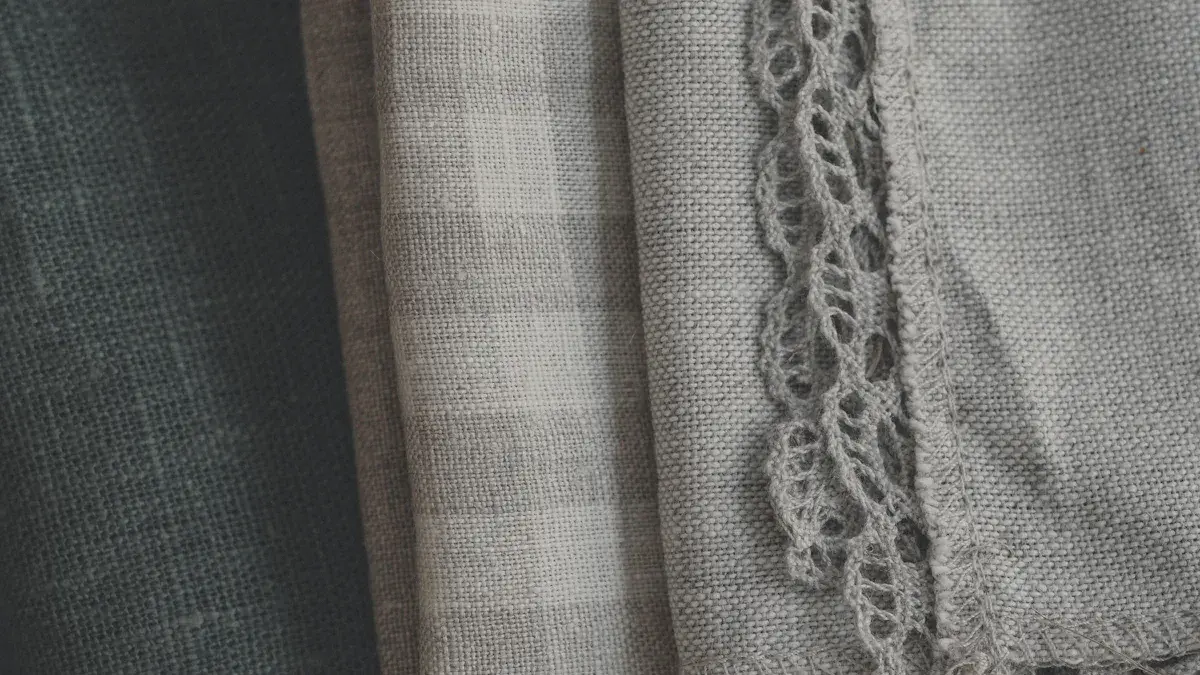
You see linen everywhere, from breezy summer shirts to soft bedding. The main types of linen include plain woven linen, loosely woven linen, sheeting linen, and damask linen. Each offers a special feel and look. You might choose linen for its cool breathability in clothing or its elegance in home textiles like curtains. Understanding the types of linen helps you pick the right fabric for your style and comfort.
Key Takeaways
Linen is a natural fabric made from flax, known for its breathability and durability. It keeps you cool in hot weather.
Different types of linen, like plain-woven and damask, serve various purposes. Choose based on your needs for comfort and style.
Linen is eco-friendly, requiring less water and chemicals than cotton. Opt for linen to support sustainability.
Care for linen by washing gently and storing it properly. This helps maintain its beauty and strength over time.
When buying linen, check for quality indicators like weave consistency and certifications to ensure durability and comfort.
What Is Linen?
Definition & Origins
Linen is a natural fabric made from the fibers of the flax plant. You can trace its story back thousands of years. People in ancient Egypt valued linen for its cool feel and used it for clothing and even mummification. As trade grew, linen spread to Greece and Rome, where it became a symbol of status. In medieval Europe, linen was common for undergarments and household items. Families in the American colonies grew flax and made their own linen for clothing. The Industrial Revolution changed how linen was produced, making it easier to create but also bringing competition from cotton. Today, linen is popular again because it is eco-friendly and looks beautiful.
Linen’s origins trace back to ancient Egypt, prized for quality and used in mummification.
Linen spread to Greeks and Romans, becoming a symbol of status.
In Europe, linen was a staple for undergarments and household items.
American colonies produced linen from homegrown flax.
The Industrial Revolution mechanized linen production, but cotton became more common.
Modern linen is valued for sustainability and style.
How Linen Is Made
You get linen from flax plants through a careful process. Farmers plant flax seeds in early spring. The plants grow quickly and bloom with blue flowers. When the lower part turns yellow, farmers harvest the flax. The stalks soak in water to loosen the fibers. After drying, workers separate the fibers from the woody parts. They remove the woody bits and comb the fibers to make them smooth. Finally, the fibers are spun into thread and woven into fabric.
Grow flax plants and watch for blue flowers.
Harvest when stalks turn yellow.
Soak stalks to loosen fibers.
Dry and separate fibers from woody parts.
Remove woody bits.
Comb fibers to smooth them.
Spin fibers into thread for weaving.
Why Linen Stands Out
You might wonder why linen feels so special compared to other fabrics. Linen breathes well and keeps you cool. It lasts a long time and resists wear. Many people choose linen because it is hypoallergenic and gentle on skin. Linen uses fewer resources than cotton, making it better for the environment. The rustic look adds charm to clothing and home textiles. When you compare types of linen to cotton and synthetics, you see clear differences:
Property | Linen | Cotton | Synthetic Fabrics |
|---|---|---|---|
Breathability | Excellent | Good | Varies |
Durability | High | Moderate | High |
Hypoallergenic | Yes | Yes | Varies |
Eco-friendliness | High | Moderate | Low |
Temperature Control | Excellent | Moderate | Poor |
Aesthetic Appeal | Rustic and charming | Soft and smooth | Varies |
Water Absorption | High | Moderate | Varies |
Wrinkle Resistance | Natural resistance | Prone to wrinkles | Varies |
Tip: If you want a fabric that feels cool, lasts long, and looks unique, linen is a smart choice.
Types of Linen by Weave
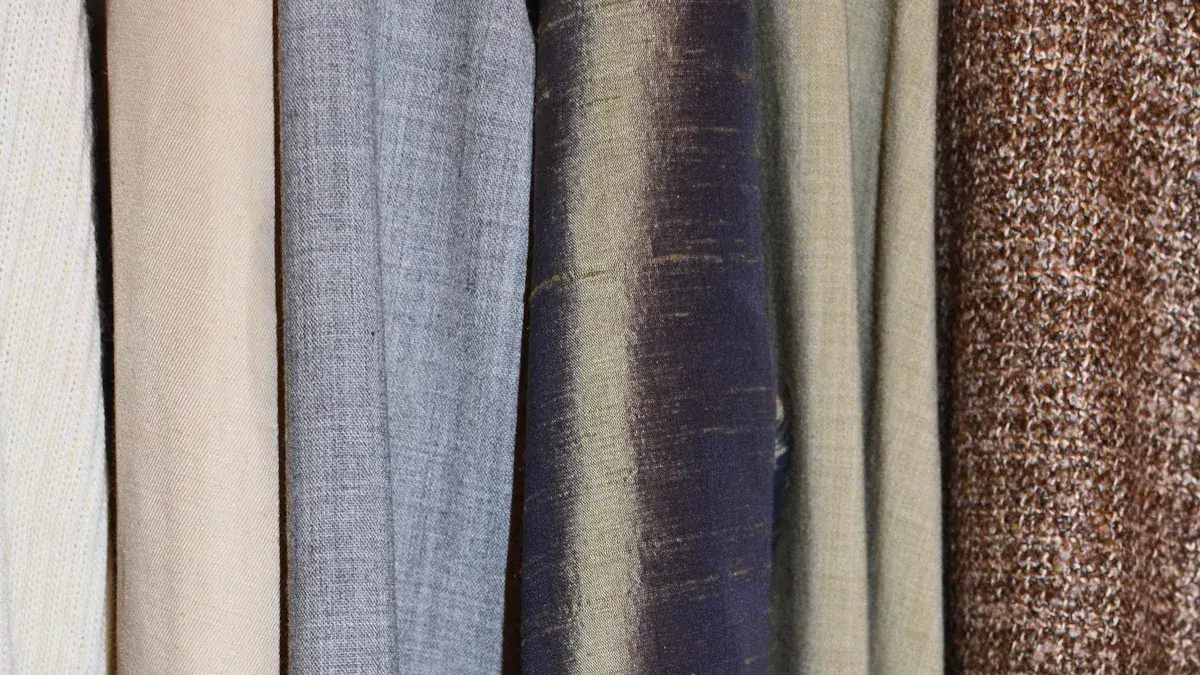
You can find many types of linen, each with a special weave and purpose. When you learn about these types of linen, you make better choices for your home and wardrobe.
Plain-Woven Linen
Plain-woven linen uses a simple weave that gives it strength and durability. You see this type in items that need frequent washing and everyday use. The weave stands up to wear and tear, so you can rely on it for kitchen and bathroom textiles.
Characteristics | Applications |
|---|---|
Dish towels | |
Suitable for frequent washing | Hand towels |
Everyday durability | Cotton towels |
Tip: Choose plain-woven linen for dish towels and hand towels. You get a fabric that lasts and stays fresh after many washes.
Damask Linen
Damask linen stands out because of its elegant patterns woven into the fabric. You notice a smooth texture and a luxurious feel. The patterns often look raised, which adds beauty and interest. You often see damask linen in formal settings.
Smooth and pleasant texture
Luxurious feel
Used for luxury tablecloths, napkins, and bed linens
Damask linen works well for special occasions. You add a touch of class to your dining room or bedroom with this type.
Loosely-Woven Linen
Loosely-woven linen feels soft and absorbs moisture quickly. You find it in products that need to dry fast, like bath towels and reusable diapers. The weave lets air flow, so you stay cool in summer clothing.
Advantage | Description |
|---|---|
Great for reusable diapers and bath towels | |
Softness | Comfortable for household items |
Breathable nature | Ideal for lightweight clothing and summer garments |
Quick-drying | Bath towels dry quickly and stay fresh |
Loosely-woven linen is perfect for summer. You enjoy comfort and freshness in hot weather.
Sheeting Linen
Sheeting linen uses a tighter weave, making it sturdy and long-lasting. You sleep better with sheeting linen because it regulates temperature and wicks away moisture. The fabric gets softer over time, so you enjoy more comfort with each wash.
Made from flax fibers with a unique texture
Moisture-wicking and temperature regulating
Softer with age, yet durable
Tighter weave for sturdiness
Sheeting linen is a smart choice for bedding. You stay cool in summer and warm in winter.
Linen Twill
Linen twill feels heavier and more structured than plain-woven linen. You notice its durability and resistance to wrinkles and stains. This type works well for colder weather clothing and luxury shirts. Upholstery often uses linen twill because it looks refined and lasts a long time.
Heavier and more structured
Resistant to wrinkles and stains
Used for luxury shirts and upholstery
Linen twill gives you style and strength. You can trust it for both fashion and furniture.
Linen Scrim
Linen scrim has a very open and loose weave. You see it in theater backdrops, window treatments, and craft projects. The fabric lets light pass through, so you get a soft, airy effect. Linen scrim does not offer much strength, but it works well for decorative uses.
Open, loose weave
Lightweight and sheer
Used for stage backdrops, curtains, and crafts
Linen scrim helps you create a light and dreamy look in your space.
Bird’s Eye Linen
Bird’s eye linen features a diamond pattern with a dot in the center. You feel a subtle raised texture when you touch it. This type appears in suiting, towels, and linens. You also find it in summer suits, dress shirts, and kitchen textiles.
Feature | Description |
|---|---|
Pattern | |
Texture | Subtle raised texture |
Common Uses | Suiting, towels, linens |
Bird’s eye linen adds visual interest and breathability. You get style and comfort in both clothing and home textiles.
Towel Linen
Towel linen absorbs water quickly because of its special weave and natural fibers. The waffle weave increases the surface area, so towels dry fast and stay fresh. You use towel linen for bath towels, hand towels, and kitchen towels.
Towel linen keeps you dry and comfortable. You enjoy quick-drying towels that last.
Handkerchief Linen
Handkerchief linen feels lightweight and soft. You use it for delicate items like handkerchiefs and lingerie. The fabric stays durable, even with regular use. Its gentle texture makes it safe for sensitive skin.
Lightweight and easy to handle
Durable for regular use
Soft texture for delicate fabrics
Handkerchief linen is ideal for items that touch your skin. You get comfort and strength in one fabric.
Suiting Linen
Suiting linen uses a tighter weave for structure and shape. You see it in tailored clothing like suits, blazers, and trousers. The fabric breathes well, so you stay cool while looking sharp. Suiting linen resists wrinkles better than lighter types of linen.
Tighter weave for structure
Breathable and comfortable
Used for suits, blazers, and trousers
Suiting linen helps you look professional and feel comfortable. You choose it for style and practicality.
When you explore the types of linen by weave, you discover fabrics for every need. You find options for clothing, bedding, towels, and decor. Each type offers unique qualities, so you can match the right linen to your lifestyle.
Linen Blends & Regional Types
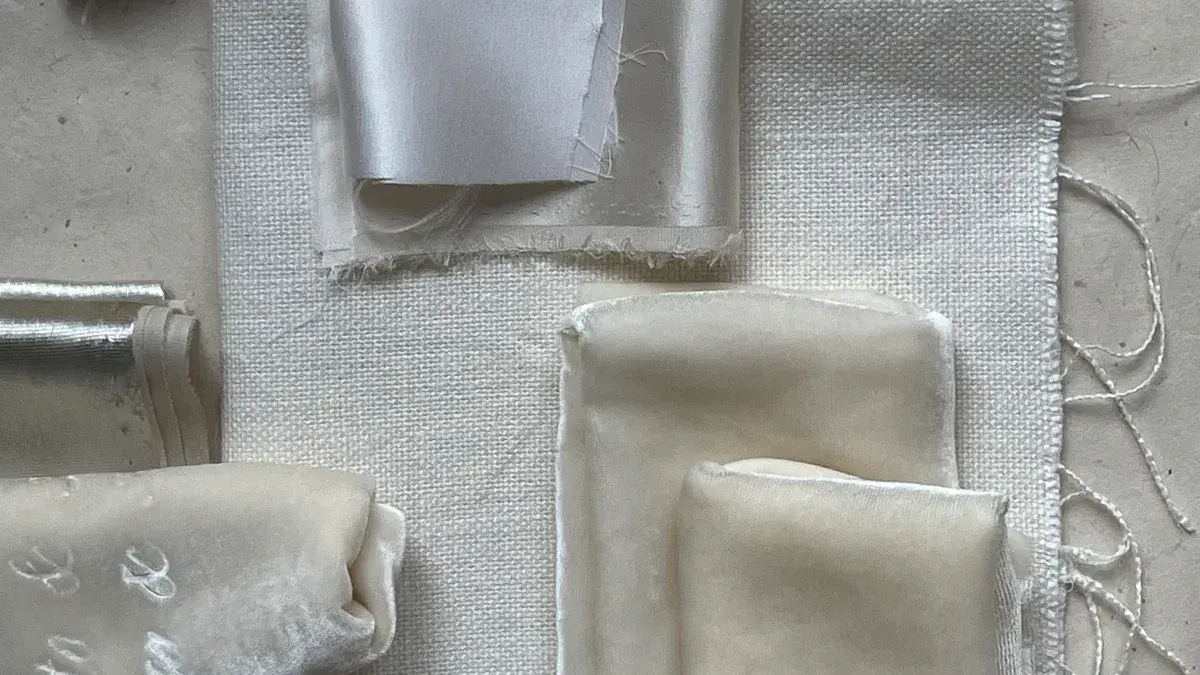
Linen-Cotton Blends
You often see linen-cotton blends in clothing and home textiles. These blends combine the best qualities of both fibers. Linen brings breathability and strength, while cotton adds softness and flexibility. You get a fabric that feels gentle on your skin and lasts longer than pure linen. The table below shows how linen-cotton blends compare to pure linen:
Feature | Pure Linen | Linen-Cotton Blend |
|---|---|---|
Softness | Less soft compared to blends | Enhanced softness, gentler on skin |
Flexibility | More stiff | Improved flexibility, less stiffness |
Durability | Prone to wear over time | More durable due to cotton fibers |
Longevity | Fragile with frequent use | Increased longevity and shape retention |
Tip: Choose linen-cotton blends for everyday shirts, dresses, and sheets. You enjoy comfort and durability.
Linen-Silk & Other Blends
You find linen-silk blends in summer clothing and special occasion outfits. Linen gives you a relaxed drape, while silk adds smoothness and shine. This blend feels soft and cool, making it perfect for warm weather. You often see linen-silk blends in casual dresses and relaxed formal wear.
Combines linen’s breathability with silk’s sheen
Softens linen’s rough texture
Ideal for summer clothing and special events
Linen-silk blends help you stay comfortable and stylish when temperatures rise.
Belgian Linen
Belgian linen stands out for its high quality and craftsmanship. You get fabric made from flax grown, processed, spun, and woven in Belgium. The climate and soil in Western Europe help produce strong and beautiful fibers. Belgian Linen™ carries a label that guarantees at least 85% EU-origin flax and strict standards for quality and sustainability. You receive a certificate and unique number for traceability.
Feature | Belgian Linen | Other Linen Types |
|---|---|---|
Production Location | Entirely made in Belgium or Western Europe | May be processed outside Europe |
Flax Source | Flax grown, processed, spun & woven in Europe | Flax may be grown in Europe but processed elsewhere |
Quality Standards | Governed by Masters of Linen for high standards | Varies, less stringent standards |
Durability and Comfort | High level of durability and comfort | Varies, generally lower durability |
Belgian linen is a top choice for luxury bedding, curtains, and upholstery.
Irish Linen
Irish linen is famous for its strength and luxury. You get fibers that resist wear and last for decades. The fabric grows softer and shinier with each wash. Irish linen absorbs moisture quickly and dries fast, so you stay comfortable. It also resists bacteria, making it hypoallergenic. Irish linen has a long history of quality and is seen as a luxury textile worldwide.
Feature | Description |
|---|---|
Tensile Strength | Irish linen fibers are stronger than cotton, maintaining integrity under stress. |
Durability | Resistant to abrasion, minimal breakdown, and lasts decades without significant degradation. |
Natural Luster | The fabric grows softer and more lustrous with successive washings. |
Breathability | High moisture absorption and rapid drying, preventing mildew accumulation. |
Antibacterial Properties | The natural composition resists microbial growth, making it hypoallergenic. |
Historical Reputation | Known for quality and craftsmanship, with rigorous quality controls ensuring excellence. |
Luxury Fabric | Regarded as a luxury textile in the global market, appealing to high-end segments. |
Niche Appeal | Focused on high-end apparel and home furnishings, maintaining prestige despite competition. |
Irish linen is a smart pick for high-end shirts, tablecloths, and fine bedding.
French Linen
French linen is known for its finesse and softness. You feel a gentle touch and see a smooth finish. French linen follows Belgian linen in reputation and quality. You often choose French linen for elegant clothing and home textiles. Eastern European linen is more affordable and ranges from coarse to medium in texture, but French linen stands out for its comfort.
French linen offers finesse and softness.
Belgian linen is the gold standard for quality.
Eastern European linen is cost-effective and varies in texture.
French linen helps you create a refined look in your wardrobe and home.
Linen Characteristics & Benefits
Breathability & Comfort
You feel cool and comfortable when you wear linen. The natural flax fibers create a loose weave that lets air move freely. Linen absorbs moisture quickly and dries faster than cotton or synthetic fabrics. This makes linen a smart choice for hot and humid weather. You stay dry and fresh, even on warm days.
Linen’s loose weave allows air to circulate.
The fabric absorbs sweat and dries quickly.
Linen keeps you cool and comfortable in hot climates.
You can wear linen in summer and feel less sticky than with other fabrics.
Durability & Longevity
Linen stands out for its strength and long life. You can wash linen many times without it wearing out. Laboratory tests show that linen tolerates 120 to 150 or more wash cycles, while cotton usually lasts for only 60 to 90 cycles. Linen also shrinks less and resists fraying better than cotton.
Fabric Type | Wash Cycles Tolerance | Shrinkage Rate (Post-Wash) | Fraying Resistance |
|---|---|---|---|
Linen | 120–150+ | 2–4% | High |
Cotton | 60–90 | 5–10% | Moderate |
You can trust linen for items that need to last, like bedding and towels.
Sustainability
You help the planet when you choose linen. Flax, the plant used to make linen, needs much less water than cotton. Linen production uses fewer chemicals and creates less pollution. Linen also breaks down quickly in landfills, so it does not harm the environment for long. You support a cleaner world by picking linen for your clothes and home.
Care & Maintenance
You can keep your linen looking great with simple care. Use gentle washing methods and avoid harsh chemicals. Dry linen at lower temperatures to protect the fibers. Store your linens in dry, well-ventilated spaces to prevent mildew. Fold them neatly to avoid creases. Rotate your linens so they wear evenly. Regularly check for stains and treat them quickly to keep your fabric strong.
Wash with gentle cycles and mild detergents.
Dry at moderate heat and avoid over-drying.
Store in clean, dry, and ventilated areas.
Fold properly and rotate use for even wear.
Inspect often for stains or damage and address them right away.
Tip: Follow the care instructions on your linen items to enjoy their beauty and strength for years.
Choosing the Right Linen
Factors to Consider
You want linen that fits your needs and lasts. Look at several factors before you buy. The table below shows what matters most when you choose linen for clothing, upholstery, or other uses:
Factor | Details |
|---|---|
Performance | Check for at least 15,000 double rubs for durability and look at pilling resistance ratings. |
Compliance | Make sure the fabric meets ISO standards for colorfastness, chemical safety, and fire safety. |
Cost Efficiency | Compare the price per square meter and think about how long the fabric will last. |
Integration Capabilities | See if the linen works with your machines and matches your design needs. |
After-Sales Support | Pick suppliers who offer free samples and warranties for defects. |
Linen-Specific Criteria | Look for 100% natural linen or blends with clear ratios. Check GSM for upholstery. |
Tip: Always ask for samples and check the label for blend ratios and certifications.
Best Linen for Clothing
You want comfort and breathability in your clothes. Linen comes in different weights for different seasons and styles. The table below helps you pick the right linen for your wardrobe:
Type of Linen | Weight (gsm) | Best For | Characteristics |
|---|---|---|---|
Lightweight Linen | 135-150 | Hot weather, delicate designs | Very breathable, soft, airy, perfect for summer shirts and dresses. |
Medium Weight Linen | 170-200 | All-season wear | Good balance of comfort and strength, fits many styles and climates. |
Heavyweight Linen | 230-300 | Cooler weather, structured wear | Warm, sturdy, still breathable, used for jackets and trousers. |
Note: Lightweight linen keeps you cool in summer. Medium weight works for most outfits. Heavyweight linen gives warmth and structure.
Best Linen for Home Textiles
You want linen that feels good and lasts in your home. Choose the right type for bedding, curtains, and upholstery:
Sheeting linen gives a heavier feel and tight weave, making it great for bedding.
Plain-woven linen offers durability and works well for curtains and upholstery.
Tip: Use sheeting linen for sheets and pillowcases. Pick plain-woven linen for window treatments and furniture covers.
Tips for Buying Linen
You can spot high-quality linen with a few simple checks. Use the table below to guide your choice:
Test Type | Metric | High Quality Benchmark |
|---|---|---|
Martindale Abrasion | Rub cycles | 20,000+ (upholstery grade) |
Pilling Resistance | ASTM D3511 (Grade 5) | 4.0+ |
Shrinkage (After Wash) | % Dimension Loss | Less than 4% |
Tensile Strength | Newtons | 200N+ (warp), 150N+ (weft) |
You should also look for trusted certifications:
Certification Name | Scope | Issued By | Buyer Benefit |
|---|---|---|---|
OEKO-TEX Standard 100 | Chemical safety | OEKO-TEX Association | Free from harmful substances |
GOTS (Organic Linen) | Organic fiber processing | Textile Exchange | Sustainability and traceability |
Masters of Linen | 100% European flax, EU-made | CELC (France) | Quality and traceable origin |
Watch out for these signs of poor quality:
Off-grain weave: Threads do not line up at right angles.
Uneven slubbing: Large lumps make rough spots.
Color inconsistency: Uneven color shows poor dye control.
Tip: Always check the weave, feel the fabric, and look for certifications. High-quality linen lasts longer and feels better.
You have many linen options, each with special qualities. See the table below for a quick guide:
Type of Linen | Unique Qualities | Common Uses |
|---|---|---|
Plain Woven Linen | Breathable, softens with washing | Table linens |
Loose Weave Linen | Open, highly absorbent | Towels, diapers |
Sheeting Linen | Soft, heavier, breathable | Bed linens |
Damask Linen | Elegant patterns, smooth, stain-resistant | Tablecloths, napkins |
Twill Weave Linen | Durable, less wrinkling | Clothing, home textiles |
When you know these differences, you can:
Pick linen that keeps you cool in hot weather.
Choose fabrics that dry fast and feel comfortable.
Find the best linen for clothing, bedding, or special events.
“Linen suits are a game-changer for tropical weddings—light, airy, and surprisingly stylish.”
You can match linen to your needs and enjoy its comfort and style every day.
FAQ
What makes linen different from cotton?
Linen comes from flax. Cotton comes from cotton plants. Linen feels cooler and dries faster. You notice linen lasts longer and resists bacteria. Cotton feels softer at first, but linen gets softer with each wash.
Can you wash linen in a washing machine?
Yes, you can wash linen in a machine. Use cold or warm water and gentle detergent. Avoid bleach. Dry on low heat or hang to air dry. Linen gets softer after each wash.
Does linen wrinkle easily?
Linen wrinkles more than synthetic fabrics. You see natural creases because of the fiber structure. Many people like the relaxed look. You can iron linen for a smoother finish.
Which type of linen is best for bedding?
Type | Benefit |
|---|---|
Sheeting Linen | Soft, breathable |
Belgian Linen | Durable, luxurious |
French Linen | Smooth, elegant |
You get comfort and style with these options.
See Also
Choosing Between Microfiber And Polyester Sheets For Comfort
Selecting The Best Printing Method For Your Home Textiles
 English
 Arabic
 Spanish
 French
 Italian
 Portuguese
 Vietnamese