
You might see tiny balls on your brushed microfiber fabric after using it. This happens when the soft, raised fibers rub and break. The special surface makes loose fibers twist into pills more easily. You can stop pilling if you know why it happens and take care of the fabric the right way.
Key Takeaways
Pilling happens when loose fibers twist into tiny balls. This can happen from rubbing or washing microfiber. Friction from using and washing breaks fibers. These broken fibers turn into pills. Washing gently and drying on low heat helps stop pilling. The brushing process makes microfiber soft. But it also makes pilling more likely if you do not care for it right. Do not use fabric softeners or hot water. Use a mild detergent to keep microfiber strong. This also helps stop pilling. Pick high-quality microfiber with a tight weave. Follow good care steps to keep fabric soft. This will help it look new for a longer time.
What Is Pilling?
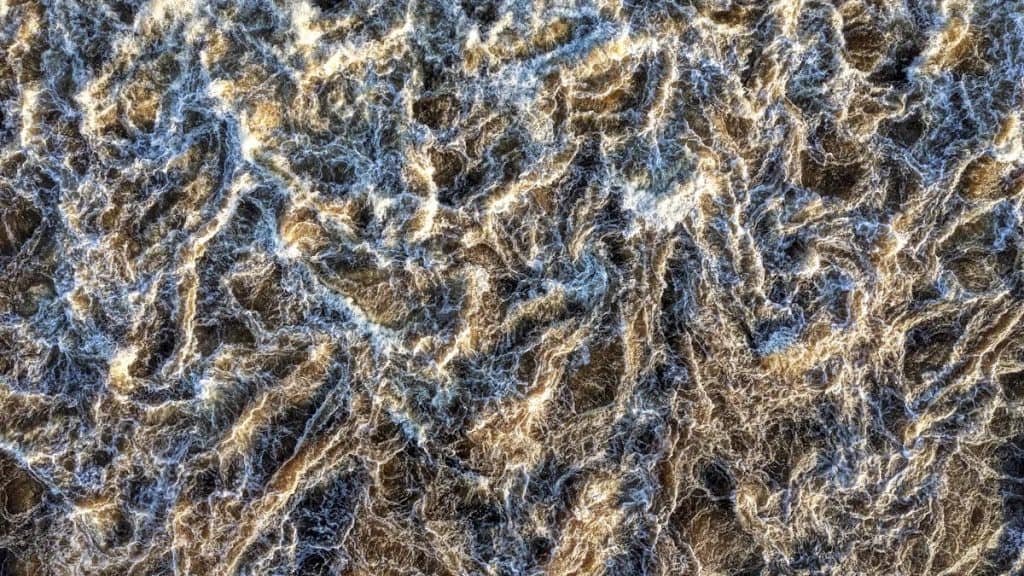
Pilling Defined
Pilling happens when small balls of fibers form on the surface of your fabric. In textile science, experts call this a surface defect. You see pilling when loose fibers work their way out of the fabric and twist together into tiny, round bundles. These little balls stay attached because some fibers remain anchored in the fabric. Pilling usually starts with fuzz forming on the surface. Then, the fuzz gets tangled, grows into pills, and sometimes wears off if the anchor fibers break. You often notice pilling in places that get a lot of rubbing, like the edges of sheets or the arms of a sofa.
Tip: Pilling is a normal part of fabric wear. It does not mean your fabric is low quality.
Appearance on Microfiber
On brushed microfiber fabric, pilling looks like tiny, soft balls sitting on top of the smooth, raised surface. The brushing process gives this fabric a cozy, velvety feel, but it also lifts fibers that can become pills over time. You might spot these pills in areas that get the most use, such as where you sit or sleep. Unlike some other fabrics, brushed microfiber fabric resists pilling better, so you may see fewer pills than on cotton or wool. However, if pills do appear, they can change the look and feel of the fabric. The surface may look less smooth and feel less soft in those spots.
Common Misconceptions:
- Some people think microfiber always pills easily. In reality, high-quality brushed microfiber fabric is designed to resist pilling if you care for it properly.
- Thread count does not measure microfiber quality. Instead, look for fabric weight (GSM) and finishing.
- If you follow the right care steps, you can keep your brushed microfiber fabric looking smooth and feeling soft for a long time.
Causes of Pilling
Friction and Abrasion
Pilling happens on brushed microfiber fabric mostly from friction. When you use sheets or clothes, the fibers rub together. This rubbing happens when you sit, sleep, or touch the fabric. Over time, the fibers on top break or get loose. These loose fibers twist and make small balls called pills.
Washing also causes friction. The washing machine spins and tumbles the fabric. This makes the fibers move and rub more. Hot water and rough washing cycles make pilling worse. The fibers get weaker, and more pills show up. To keep your fabric smooth, wash gently and use low heat to dry. This helps protect the fibers and stops pilling.
Tip: Wash brushed microfiber fabric with similar items on a gentle cycle. This helps stop extra rubbing.
Brushed Microfiber Fabric Structure
How brushed microfiber fabric is made also matters. Machines brush the fabric to lift the fiber ends. This makes the fabric soft and fuzzy. But the raised fibers tangle and break easily. When you use or wash it, these fibers catch and form pills.
Brushing does not take away loose fibers. It brings more fiber ends to the top. This gives a soft feel but also more chances for pilling. The fuzzy layer feels nice but can pill if you do not care for it.
Synthetic fibers in microfiber hold onto pills more than natural fibers. Microfiber is strong and tightly woven. But when pills form, they stay stuck to the surface. Cotton, a natural fiber, sheds pills more easily, especially if it is high quality. Microfiber with a flat weave pills less than loose weaves. The way your fabric is made changes how much pilling you see.
Care and Washing
How you care for brushed microfiber fabric is important. Hot water, rough washing, or fabric softeners make pilling worse. Fabric softeners leave a sticky layer on the fabric. This layer attracts loose fibers and makes them clump. The residue also weakens the surface, so fibers break and pill.
Note: Do not use fabric softeners on microfiber. Use a little white vinegar in the rinse to keep fabric soft and strong.
Drying on high heat can hurt the fibers. High heat melts or breaks the fine fibers, causing more pilling. Use low or no heat and dryer balls to keep fabric smooth.
The quality of brushed microfiber fabric changes how fast pilling starts. High-quality microfiber with tight weave and strong stitching lasts longer and pills less. Heavy use can cause pilling in six months. Careful use and good care can keep fabric looking new for years.
| Fabric Quality | Usage Frequency | Lifespan Before Pilling |
| Low-Quality | Frequent/Daily | 6 months to 1 year |
| Mid-Range | Moderate | 1 to 2 years |
| High-Quality | Light/Moderate | 2 to 3 years or more |
Humidity in your home can also cause pilling. When the air is humid, fibers get softer and break more easily. Keep your fabric dry and follow good care steps to stop pilling.
Preventing Pilling on Brushed Microfiber Fabric
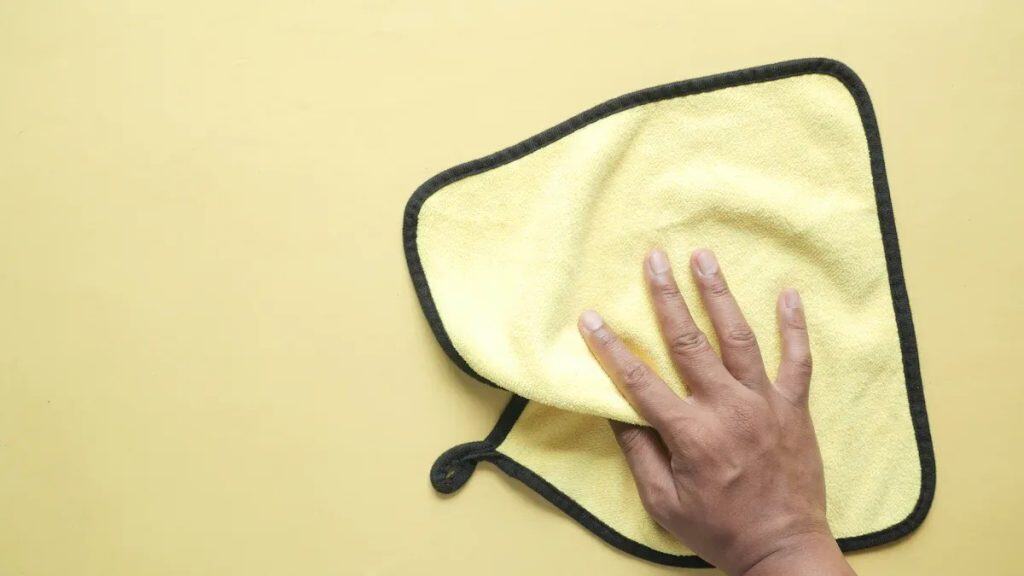
Washing Tips
You can keep your brushed microfiber fabric looking nice with good washing habits. Always pick the gentle or delicate cycle on your washing machine. This helps stop too much rubbing and keeps the fibers safe. Wash your fabric in cold water. Hot water can make the fibers puff up and cause more fuzz. This fuzz can turn into pilling. Turn your sheets or clothes inside out before you wash them. This keeps the soft side from rubbing on other things. Use liquid detergent, not powder. Liquid detergent is softer and helps stop fiber damage. Do not use bleach or strong chemicals. These can hurt the fibers and make pilling worse. Do not put too many things in the washer at once. Give your fabric room to move so pills do not form.
Tip: Wash brushed microfiber fabric by itself, not with rough things like towels or jeans. This helps stop extra rubbing.
Drying and Handling
How you dry and handle your fabric is important. Air drying is best for microfiber. Hang up your items or lay them flat to dry. This keeps the fibers strong and smooth. If you use a dryer, pick a low heat setting. Take the fabric out as soon as it is dry. High heat can hurt the fibers and cause more pilling. Keep delicate things away from heavy laundry to stop extra rubbing. Be gentle when you fold or store your fabric. Do not pull or stretch it. Pulling or stretching can break fibers and start pilling.
Product Quality
Picking high-quality microfiber is very important. Look for fabric with a tight weave and very fine fibers. These things help the fabric fight pilling. High-quality brushed microfiber fabric feels softer and lasts longer. Some products have certifications like ISO 12947, which checks for pilling resistance. Certifications like OEKO-TEX Standard 100 or Bluesign show the fabric is safe and good quality. When you choose better microfiber, your fabric stays smooth and looks nice for a long time.
You can keep your fabric smooth if you know why pilling happens. Friction, brushing, and how you care for fabric all matter. Use gentle wash cycles or wash delicate things by hand. Turn items inside out before washing them. Wash delicate fabrics by themselves. Use mild detergent to clean them. Do not use bleach or strong cleaners. These steps help your fabric last longer and look nice.
FAQ
What causes pilling on brushed microfiber fabric?
Pilling happens when loose fibers on the fabric surface twist together after rubbing or washing. The brushing process lifts fibers, making them more likely to form pills. You can reduce pilling by handling your fabric gently.
Can you remove pills from microfiber fabric?
Yes, you can remove pills with a fabric shaver or a lint roller. Gently run the tool over the surface. Avoid pulling pills off by hand. This can damage the fabric.
Does washing microfiber fabric in hot water cause more pilling?
Hot water weakens fibers and increases pilling. Always use cold water and a gentle cycle. This keeps the fibers strong and helps your fabric last longer.
How do you keep microfiber fabric soft and pill-free?
Wash your fabric alone or with similar items. Use liquid detergent and avoid fabric softeners. Dry on low heat or air dry. Handle your fabric gently to keep it smooth and soft.
Is pilling a sign of poor quality?
Pilling does not always mean poor quality. Even high-quality microfiber can pill if you use or wash it often. Proper care helps reduce pilling and keeps your fabric looking new.
 English
 Arabic
 Spanish
 French
 Italian
 Portuguese
 Vietnamese