
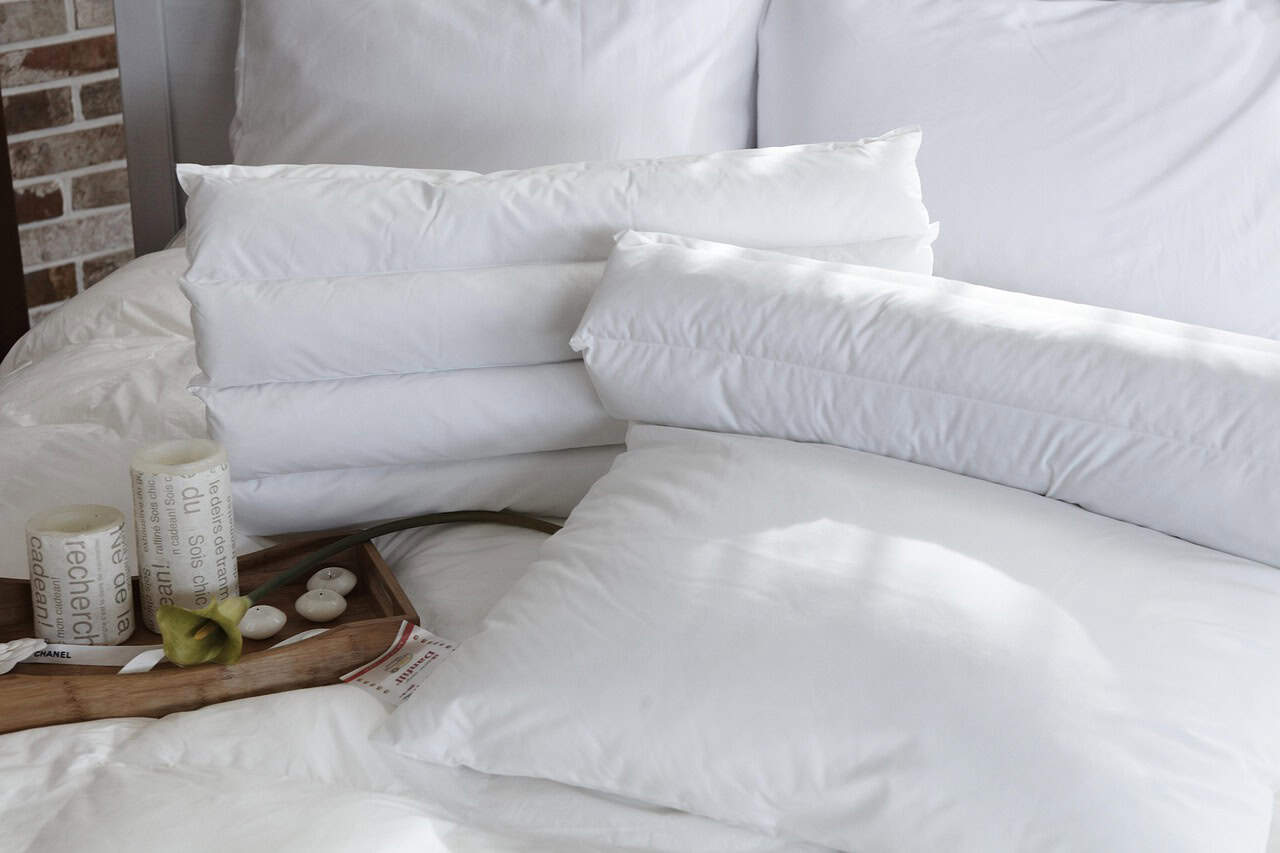
Recycled bedding fabric is made by transforming materials such as old clothes, plastic bottles, or other discarded items into new bedding products. Many people are choosing bedding made from recycled bedding fabric because it’s environmentally friendly and supports a healthier lifestyle. By selecting eco-friendly options like recycled bedding fabric, you help conserve natural resources, as these materials typically require less water and energy to produce. As demand for sustainable choices continues to grow, you can make a positive impact by choosing bedding crafted from recycled bedding fabric.
Key Takeaways
Recycled bedding fabric comes from old clothes and plastic trash. This helps cut down on landfill waste and pollution.
Picking bedding made from recycled stuff saves water and energy. It is a good choice for the environment.
Check for certifications like OEKO-TEX and GRS. These show the bedding is safe and really made from recycled materials.
Recycled fabrics like polyester and cotton are comfy and strong. They do not lose quality.
When you choose sustainable bedding, you help the planet stay healthy. You also support the circular economy.
Recycled Bedding Fabric Overview
What It Means
You might ask what recycled bedding fabric is. In the textile world, recycled bedding fabric comes from old clothes and plastic trash. Making it helps cut down on landfill waste. It also helps the planet stay healthy. To be called recycled, a yarn needs at least 20% recycled fibers. This rule keeps the fabric strong and reduces waste.
Recycled bedding fabric is important in making bedding. When you pick bedding made from recycled stuff, you help the earth. These fabrics are made from things like old clothes, factory scraps, plastic bottles, ocean trash, and even coffee grounds. Using these things helps keep waste out of landfills and oceans. It also supports a system where things get reused.
There are different kinds of recycled fabrics for bedding. Some examples are recycled cotton, recycled polyester, and recycled nylon. Each one has its own good points. They make your bedding comfy and better for the planet.
Key Features
If you want eco-friendly bedding, you should know what makes recycled fabrics special. Here are some reasons why recycled bedding fabric is a good pick:
Recycled materials save resources and energy.
They help stop waste and pollution from making new stuff.
Using recycled fabrics cuts down greenhouse gases.
These fabrics keep plastic out of landfills and oceans.
You get a green choice without losing quality.
Let’s look at how recycled polyester and new polyester are different:
Feature | Recycled Polyester (rPET) | Virgin Polyester |
|---|---|---|
Source | Comes from plastic bottles and old textiles | Made from new oil-based stuff |
Environmental Impact | Cuts landfill waste and lowers carbon by 60% | Makes more carbon from new resources |
Performance | Lasts as long as new polyester | Very strong and lasts long |
Cost | Often costs less because of cheaper materials | Usually costs more for new materials |
Sustainability | More eco-friendly because it gets recycled | Less green, uses new resources |
You can also see how recycled polyester and recycled nylon are different in bedding:
Feature | Recycled Polyester | Recycled Nylon |
|---|---|---|
Moisture-Wicking | Very good | Good, but soaks up more water |
Stretch & Recovery | Good, better with Spandex | Great, best with Spandex |
Durability | Good, fights pilling and shrinking | Great, hard to tear or wear out |
Sustainability | Recycled (rPET), GRS Certified | Recycled, GRS Certified |
Tip: If you pick bedding made from recycled polyester, you help save water, energy, and raw materials. You also help the earth by making less greenhouse gas.
Eco-friendly bedding uses recycled stuff to make products that are kind to the earth. You get comfort and strong bedding. You also feel good knowing your choice helps the planet. By choosing bedding made from recycled fabrics, you help make the world greener and still get great bedding for your home.
Types and Sources
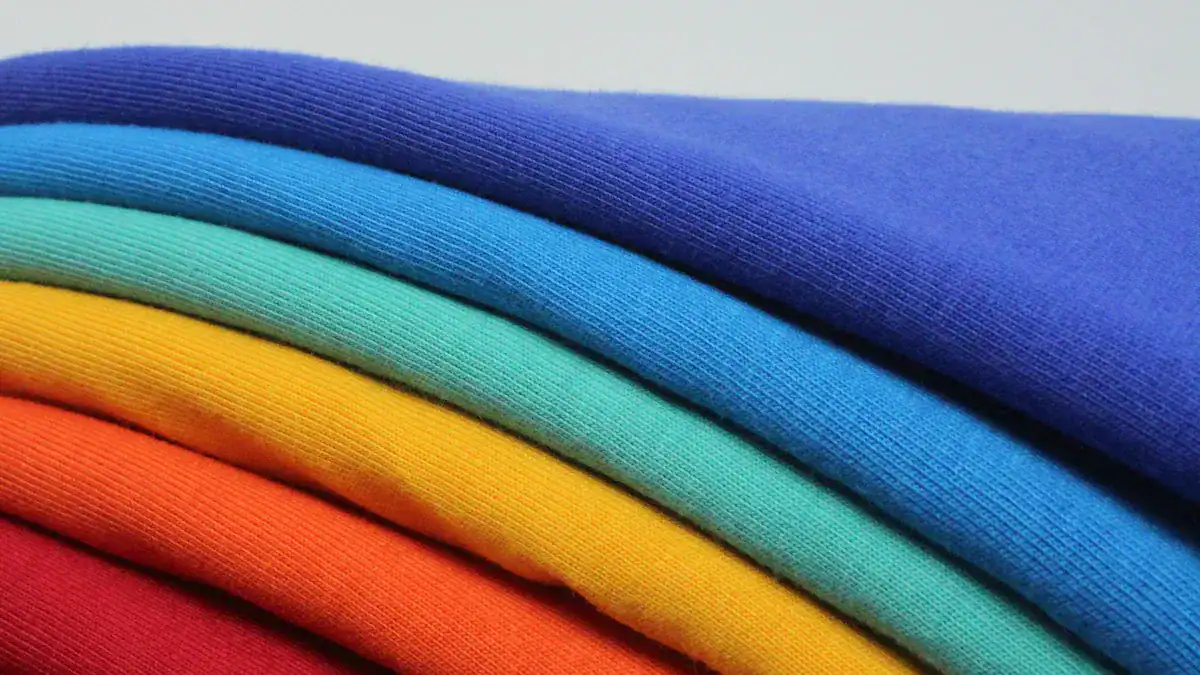
Cotton, Polyester, Nylon
Bedding can be made from different recycled fibers. Recycled cotton is very popular. Growing cotton uses lots of water and energy. Using recycled cotton saves these resources. You still get soft and cozy bedding. This helps the earth at the same time.
Recycled polyester is also used a lot. It is made from old plastic bottles and textiles. This keeps plastic out of landfills and oceans. Bedding made from recycled polyester is strong and lasts long. It feels just as nice as new bedding. Perfectextile.com makes recycled polyester bedding fabrics. They use PET bottles and textiles to make good products. These products help the planet by being sustainable.
Recycled nylon is used in eco-friendly bedding too. Companies collect old fishing nets and nylon waste from the ocean. They turn this waste into new fibers for bedding. This helps clean up the ocean. It also gives you bedding that is smooth and tough.
Note: Picking bedding with recycled fibers helps cut waste. It also protects natural resources.
Blends and Materials
Many bedding fabrics mix recycled and new fibers. Blending makes the fabric stronger and softer. For example, mixing recycled polyester with new polyester helps the fabric last longer. You get the good parts of recycled materials. You also get the comfort you want.
Here is a table that shows some common blends and their good points:
Type of Fiber Blend | Advantages |
|---|---|
Recycled Polyester + Virgin Polyester | Stronger fabric and better texture |
Recycled Cotton + Virgin Cotton | Works better for bedding |
Recycled Spandex + Virgin Spandex | Good balance of green and useful features |
Perfectextile.com uses recycled polyester in their bedding fabrics. They collect PET bottles and textiles to make new fibers. This saves energy and cuts down on waste. Their products are high quality and good for the planet.
Tip: Choose bedding with recycled polyester for a strong and green choice. This helps keep the world cleaner.
How It’s Made
Collection and Sorting
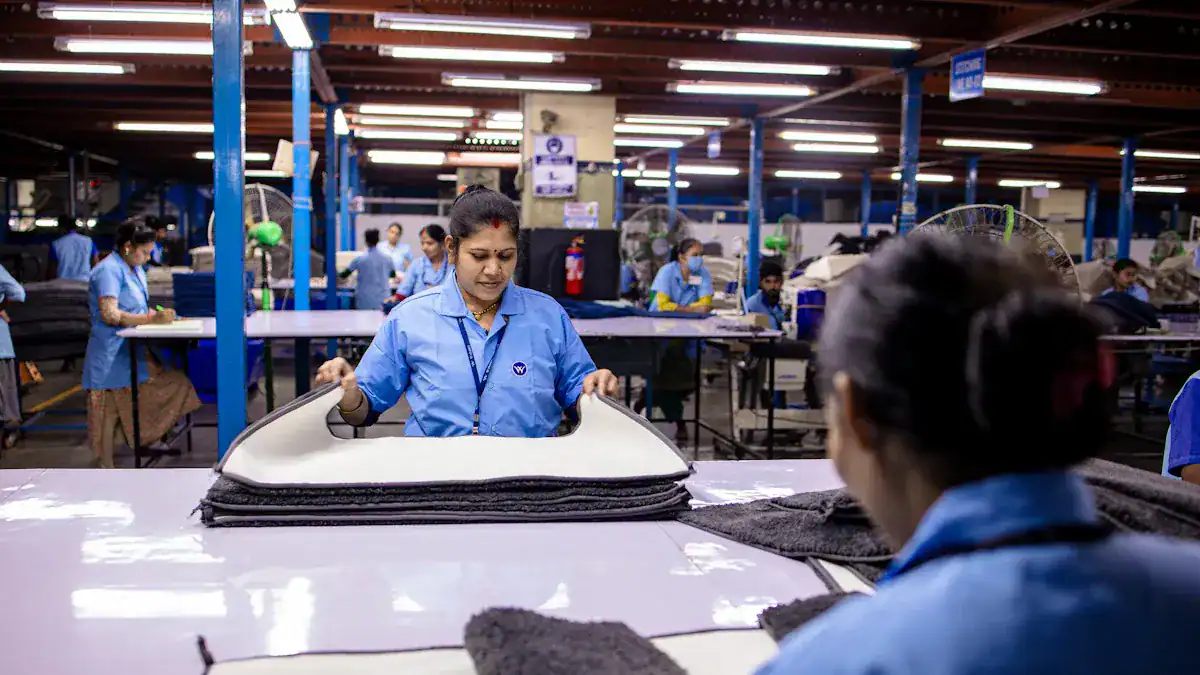
The first step is collecting and sorting old textiles. Workers gather used fabrics from donation centers and bins. They also use recycling programs to get more materials. Next, workers sort the textiles by what they are made of and their condition. Good clothes are sold or given away. Items that cannot be used go to recycling. Workers take off things like buttons and zippers. Only the fabric is left. The fabric gets shredded into small fibers. These fibers are used to make new things. Some become recycled polyester bedding. Others are used for insulation or other recycled fabrics.
Tip: Sorting carefully keeps recycled bedding good. It also helps cut down on waste and keeps the earth cleaner.
Recycling Methods
There are two main ways to recycle textiles. One way is called mechanical recycling. This breaks down fabric into fibers using machines. It works best with one type of material. Sometimes, new fibers are mixed in to make the fabric stronger. Mechanical recycling can make lower-quality fibers. These are often used for things like stuffing. The other way is chemical recycling. This method breaks fabric into its basic parts. It can handle mixed fabrics, like cotton and polyester together. Chemical recycling makes fibers that are as strong as new ones. These fibers can be recycled many times and still stay good.
Note: Chemical recycling is a new way to recycle mixed fabrics. It helps make high-quality recycled polyester for bedding.
Manufacturing Process
After recycling, the fibers are ready to be made into bedding. First, the fibers are spun into yarn. This yarn is used to make recycled polyester and other fabrics. Next, the yarn is woven or knitted into fabric. This makes the soft and strong material for bedding. The fabric then goes through finishing steps. These steps can include dyeing, printing, or adding special features. Some features are moisture-wicking or anti-pilling. The finished fabric is used to make sheets, duvet covers, and comforters.
It is important to check for certifications when buying recycled bedding. Certifications like OEKO-TEX 100 and the Global Recycled Standard (GRS) show the bedding is safe and eco-friendly. Perfectextile.com follows these rules to make sure their bedding is high quality and good for the planet.
Requirement | Description |
|---|---|
Recycled Content | At least 20% of the main textile must be recycled. |
Source Information | You can see where the recycled materials come from. |
Quality Management | The company must show it has a good quality system. |
Testing Frequency | Recycled fabrics are tested more often than new ones. |
Virgin Material Certificate | A special certificate is needed for any new material used. |
Blends | Mixing recycled and new materials is allowed if needed. |
The Global Recycled Standard (GRS) also checks for rules about the environment, workers, and tracking materials. Outside groups check the process to make sure the bedding meets high standards.
If you buy bedding from perfectextile.com, you get products made with certified recycled polyester and other recycled materials. You help the planet and get good bedding too.
Sustainable Bedding Benefits
Environmental Impact
When you pick sustainable bedding, you help the earth. Recycled bedding fabric uses old textiles and plastic to make new bedding. This keeps trash out of landfills and gives old things a new use. Many fast fashion clothes get thrown away in less than a year. In New York City, $20 million is spent each year to throw away unwanted textiles. Every second, a garbage truck full of textiles is dumped or burned. Choosing sustainable bedding helps cut down on this waste and keeps the world cleaner.
Your bedding choices really matter for the planet. Cotton bedding needs a lot of water, about 1,300 liters for each kilogram. Polyester bedding needs much less water, only about 70 liters per kilogram. How bedding is made can also create more or less waste. Picking sustainable bedding helps lower harm to the environment.
Recycled bedding fabrics help the circular economy. They let us use materials again and again. New recycling methods mix old and new fibers to make strong bedding. This means we need fewer new resources and keep more textiles out of landfills.
Resource Savings
Sustainable bedding helps save important resources. When you buy bedding made from recycled materials, you use less water and energy. Here are some ways sustainable bedding helps:
Sustainable bedding uses less water and makes less pollution.
These products last longer, so you buy less and save resources.
Making bedding from recycled materials uses less energy than using new stuff.
Using less energy means fewer greenhouse gases go into the air.
You also help save raw materials. For example, making aluminum from recycled stuff uses 95% less energy than starting with new. The same thing happens with textiles. Using recycled fabrics in bedding saves energy and helps protect the earth.
Challenges
It is not always easy to make sustainable bedding for everyone. Companies face some problems:
They need more time and space to collect and store fabric waste.
They rely on brands to buy recycled materials, but this is not always sure.
Some bedding has mixed fabrics, which are harder to recycle.
Keeping track of fabric waste can be hard.
Even with these problems, you can still find many good choices for sustainable bedding. When you pick bedding made from eco-friendly and recycled fabrics, you help the planet and the textile industry.
Choosing Recycled Bedding
Identifying Certifications
When you buy sustainable bedding, look for trusted certifications. These labels tell you if bedding uses recycled polyester or other recycled fabrics. Certifications also show bedding meets safety and environmental rules. You can find these marks on product tags or packaging. Here is a table that explains the most well-known certifications for bedding and textiles:
Certification Name | Description | Verification Method |
|---|---|---|
Global Organic Textile Standard (GOTS) | Top standard for organic fibers, with eco and social rules. | Look for the GOTS logo and license number. You can check certification status in a public database. |
OEKO-TEX Standard 100 | Makes sure textiles do not have harmful substances. | Find the OEKO-TEX label on bedding. This shows the product meets health safety standards. |
Global Recycled Standard (GRS) | Supports using recycled content and checks social rules. | GRS certification is checked by third-party audits and looks for recycled content. |
Perfecttextile.com uses OEKO-TEX and GRS certifications for its recycled polyester bedding. These certifications show the bedding is safe and sustainable. You can trust bedding with these marks to be high-quality and eco-friendly.
Shopping Tips
You want to make smart choices when buying sustainable bedding. Here are some tips to help you find real recycled polyester and other green products:
Check the materials. Look for bedding made from recycled polyester, organic cotton, or other eco-friendly materials. Do not pick blends with too much non-recycled polyester.
Look for certifications. Search for OEKO-TEX Standard 100, GOTS, or GRS labels. These show the bedding meets strict rules for recycled fabrics and green production.
Research the brand. Brands like perfecttextile.com share details about their sourcing and making process. Being open helps you trust their sustainable bedding.
Check the packaging. Sustainable bedding often comes in packaging with less plastic or more recycled content.
Think about durability. Pick bedding that lasts longer. Durable green products help cut waste and support a sustainable lifestyle.
You can find many kinds of sustainable bedding at perfecttextile.com. Their recycled polyester sheets and duvet covers use eco-friendly materials and certified recycled fabrics. When you pick sustainable bedding, you help protect the planet and enjoy comfort at home.
Recycled bedding fabric uses old things to make new bedding. Picking sustainable bedding helps the earth and keeps the future clean. If you choose certified brands, you help your home and nature.
Read the label to find eco-friendly materials.
Search for trusted certifications on the product.
Learn about the brand’s background.
Look at the packaging for green choices.
Think about how long the bedding will last.
Aspect | Virgin PET (v-PET) | Recycled PET (r-PET) |
|---|---|---|
Main Raw Material | Uses oil and other non-renewable stuff | Uses old plastic bottles and other PET waste |
Energy Consumption | Needs a lot of energy from oil and gas | Uses less energy when recycling |
Greenhouse Gas Emissions | Makes much fewer greenhouse gases | |
Environmental Impact | Uses up fossil fuels and adds pollution | Keeps waste out of landfills and helps recycling |
If you buy sustainable bedding from certified brands like perfectextile.com, you get comfort and help the planet.
FAQ
What are the main benefits of recycled bedding fabrics?
When you pick recycled bedding, you help the earth. These fabrics use less water and energy. They also stop waste from filling up landfills. You still get soft and good bedding that is better for nature.
How can you tell if bedding is truly recycled?
Check the label for marks like OEKO-TEX 100 or GRS. These show the bedding is made with real recycled materials. They also mean the bedding is safe to use.
Do recycled bedding fabrics feel different from regular bedding?
Recycled bedding feels soft and nice to touch. It is just as comfy as regular bedding. Some people even think it feels better.
Can you wash recycled bedding like normal bedding?
You can wash recycled bedding in your washing machine. Make sure to read and follow the care label for best results.
Where can you buy certified recycled bedding?
You can find certified recycled bedding at perfectextile.com. They have many eco-friendly bedding choices with trusted marks.
See Also
Comparing Panel And Digital Printing For Polyester Bedding In 2025
Choosing Between Microfiber And Pure Polyester Sheets For You
 English
 Arabic
 Spanish
 French
 Italian
 Portuguese
 Vietnamese