
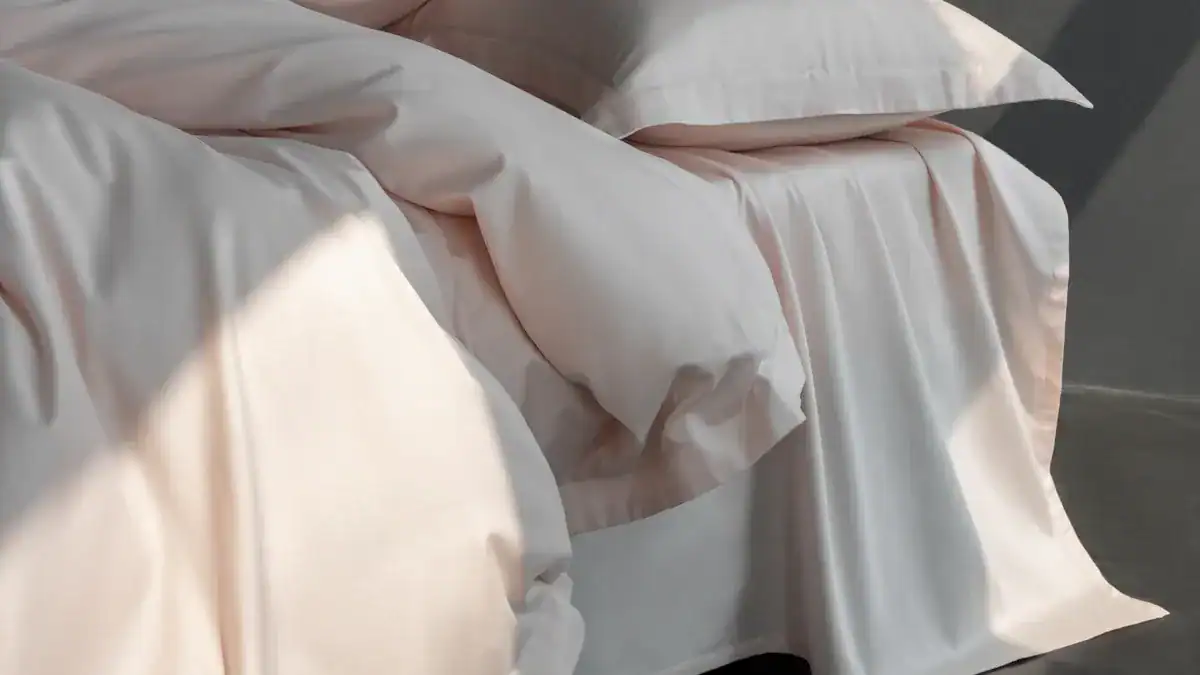
When you ask what are satin sheets made of, you will find several answers. Satin sheets use a special weave, not a specific fiber. You might see satin sheets made from silk, polyester, nylon, rayon, viscose, modal, tencel, lyocell, or cotton. Most often, manufacturers use polyester or silk because these fibers create a smooth, glossy finish. The table below shows some common materials for satin sheets:
Material | Description |
|---|---|
Silk | Traditional and luxurious option |
Cotton | Soft and breathable alternative |
Wool | Warm and insulating fabric |
Rayon | Smooth and affordable choice |
Polyester | Durable and easy to care for |
Key Takeaways
Satin sheets can be made from various materials, including silk, polyester, nylon, rayon, and cotton. Each material offers unique benefits and feels.
Silk satin sheets provide a luxurious feel and breathability but require careful washing and are more expensive.
Polyester satin sheets are affordable, durable, and easy to care for, but they may feel warmer and less breathable than natural fibers.
Choosing satin sheets made from natural fibers like cotton or modal is better for the environment, as they are biodegradable and use fewer chemicals.
The satin weave creates a smooth, glossy finish, making satin sheets a popular choice for those seeking comfort and elegance in their bedding.
What Are Satin Sheets Made Of?

When you wonder what are satin sheets made of, you discover a wide range of materials. Satin sheets do not come from just one type of fiber. Instead, the satin weave gives the fabric its smooth, shiny surface. This special weave floats yarns over others, creating a glossy finish. You can find satin sheets made from silk, polyester, nylon, rayon, viscose, cotton, modal, and tencel or lyocell. Each material brings its own feel, look, and benefits.
Note: Satin describes the way the threads are woven, not the fiber itself. This means you can enjoy the satin look and feel from many different materials.
Silk
Silk is the oldest and most luxurious answer to what are satin sheets made of. People have used silk for satin since the Middle Ages. Silk satin sheets feel soft, cool, and smooth against your skin. They drape beautifully and add a touch of elegance to your bedroom. Silk comes from silkworms, making it a natural fiber. It is also biodegradable and gentle on the environment when produced responsibly. However, silk satin sheets cost more and need careful washing.
Time Period | Material Used | Notes |
|---|---|---|
Middle Ages | Silk | Originated in China, used as a luxury item traded along the Silk Road. |
12th Century | Silk | First western production in Italy, marking the spread of satin in Europe. |
14th Century | Silk | Gained popularity in royal garments and upholstery across Europe. |
Modern Era | Synthetic fibers | Predominantly made from polyester and rayon, moving away from silk. |
Polyester
Polyester is the most common answer to what are satin sheets made of today. You find polyester satin sheets in many stores because they are affordable and easy to care for. Polyester is a synthetic fiber made from petroleum. It creates a shiny, smooth surface that looks like silk but costs much less. Polyester satin sheets resist wrinkles and last a long time. They do not breathe as well as natural fibers, so they may feel warmer at night.
Polyester satin is durable and budget-friendly.
It is easy to wash and dries quickly.
The fabric can feel less breathable than silk or cotton.
Nylon
Nylon is another synthetic fiber used for satin sheets. It feels smooth and strong. Nylon satin sheets are lightweight and resist wrinkles. They can look very shiny and feel slippery. Nylon does not absorb moisture well, so it may not feel as cool as silk or cotton. You might choose nylon satin sheets if you want a glossy look and easy care.
Rayon and Viscose
Rayon and viscose are semi-synthetic fibers made from plant pulp. They offer a soft, silky feel at a lower price than real silk. Rayon satin sheets drape well and feel cool to the touch. They can mimic the look of silk but are easier to care for. However, rayon and viscose can wrinkle and may not last as long as polyester or nylon.
Rayon and viscose are smooth and affordable.
They come from renewable plant sources.
These sheets may need gentle washing to avoid damage.
Cotton, Modal, and Tencel/Lyocell
Cotton, modal, and tencel or lyocell are natural or plant-based fibers. When you use cotton in a satin weave, the fabric is called sateen. Sateen sheets feel soft and breathable. Modal and tencel come from wood pulp and offer a silky touch with better moisture control. These materials are more eco-friendly than synthetics. They break down naturally and use fewer chemicals in production.
Type of Fiber | Environmental Impact |
|---|---|
Natural (e.g., silk, cotton) | More sustainable, biodegradable, requires less mechanical processing, and fewer chemicals. |
Synthetic (e.g., polyester) | Derived from non-renewable resources, involves harmful chemical processes, and contributes to greenhouse gas emissions. |
🌱 Tip: If you care about the environment, choose satin sheets made from natural fibers like cotton, modal, or tencel. These materials are renewable and break down safely in nature.
How the Satin Weave Works
The satin weave sets these sheets apart from others. Here is how it works:
The satin weave floats warp yarns over several weft yarns.
This creates a smooth, shiny surface.
The pattern of floats and interlacings gives satin its unique look and feel.
Characteristic | Satin Weave | Other Weaves (Plain/Twill) |
|---|---|---|
Yarn Floats | Long floats of yarn | Shorter floats, more interlacing |
Surface Appearance | Smooth and lustrous | More visible patterns and textures |
Interlacing Points | Minimal interlacing | More interlacing points |
Durability | Less durable, prone to snagging | Generally more durable |
Common Uses | Evening wear, sarees, high-end furnishings | Everyday garments, workwear |
The choice of fiber changes how your satin sheets feel and perform. Silk and polyester give you the smoothest, shiniest finish. Cotton, modal, and tencel offer more breathability and softness. Now you know what are satin sheets made of and how each material affects your comfort and the environment.
Satin Weave Explained
Satin vs. Other Weaves
You might wonder how the satin weave stands out from other common weaves. The satin weave uses a special pattern that floats yarns over several others before going under one. This method creates fewer points where threads cross, which gives the fabric its smooth and shiny surface. In contrast, plain and twill weaves have more interlacing points, so they feel rougher and look less glossy.
Here is a table that compares different types of satin weaves and their features:
Satin Weave Type | Description | Characteristics |
|---|---|---|
4 harness satin weave | Weft goes over three warp threads and under one, resulting in a smooth, glossy surface. | Good for apparel and furniture. |
5 harness satin weave | Weft goes over four warp threads and under one, giving a slightly rough surface. | Best for clothes and drapes. |
8 harness satin weave | Weft goes over seven warp threads and under one, providing a very smooth, glossy surface. | High-end fabric for upholstery and apparel. |
When you compare satin to other weaves like sateen, you see clear differences in both look and performance:
Feature | Sateen | Satin |
|---|---|---|
Material | Cotton | Silk, polyester, or nylon |
Appearance | Soft sheen, matte glow | High gloss, reflective shine |
Durability | Strong, resists pilling and wrinkling | Delicate (silk), wrinkle-resistant (polyester) |
Care | Easy to machine wash and dry cleaning | Gentle clean; may need air-drying |
Best Uses | Everyday bedding, casual wear, upholstery | Evening gowns, lingerie, formal decor |
Tip: If you want a fabric with a high-gloss finish, choose satin. If you prefer a softer glow and easy care, sateen might suit you better.
Glossy Finish and Texture
The satin weave gives the fabric its famous shine and smoothness. When you touch satin, you notice how little friction there is. Scientists have studied this effect using a method called TriboTouch. They found that satin weave fabrics produce less vibration when you run your hand across them. This means satin feels smoother than other weaves.
Researchers also tested how people feel about different fabrics. They learned that satin weave fabrics often score highest for softness and smooth touch. The unique weave pattern creates a surface that reflects light, making satin sheets look glossy and feel luxurious.
If you ask what are satin sheets made of, remember that the weave plays a big role in their texture and shine. The type of fiber—like silk, polyester, or cotton—also affects how glossy and soft the sheets feel. Satin sheets made from silk or polyester usually have the brightest shine, while cotton satin (sateen) feels softer and less slippery.
🌟 Note: The satin weave not only changes how sheets look but also how they feel against your skin. This makes satin a popular choice for anyone who loves a smooth, cool sleeping surface.
Material Pros and Cons
Feel and Comfort
You want your sheets to feel soft and comfortable. Satin sheets made from different fibers offer unique sensations. Silk feels luxurious and warm. Polyester satin feels smooth but less breathable. Nylon satin can feel slippery and cool. Modal and rayon give you a silky touch and absorb moisture well. Cotton sateen feels soft and cozy.
Material | Comfort Level | Breathability |
|---|---|---|
Silk | High | |
Smooth, less luxurious | Moderate | |
Nylon Satin | Slippery, less luxurious | Moderate to Low |
If you want a cool and soft sheet, silk or modal might suit you best. Polyester and nylon work well if you prefer a smooth surface and easy care.
Durability and Care
Durability matters when you choose satin sheets. Silk sheets last a long time if you care for them properly. Polyester and nylon resist wrinkles and wear. Cotton and modal can fade or lose shape over time. Rayon feels soft but needs gentle washing.
Quality silk pillowcases can last over 10 years with proper care. Silk handles abrasion and is stronger than cotton, making it more durable than polyester and other fibers.
To keep your satin sheets looking good, follow these steps:
Read the care label before washing.
Pretreat stains with an enzyme-based remover.
Wash on a delicate cycle with cool water or hand-wash gently.
Air-dry or tumble dry on low heat.
Iron on low heat using a pressing cloth.
Store sheets in cotton bags or pillowcases.
Price and Accessibility
Price and availability depend on the fiber. Silk costs more because it is rare and luxurious. Polyester and nylon are affordable and easy to find. Modal, rayon, and cotton offer a middle ground in price. You see more choices in stores for polyester and cotton sheets.
Fabric | Advantages | Disadvantages |
|---|---|---|
Modal | Thinner, less warmth | |
Cotton | Breathable, warm, many weaves | Fades, may retain odor |
Polyester | Durable, wrinkle-resistant, affordable | Less breathable, can feel hot |
Nylon | Lightweight, durable | Not breathable, traps heat |
Rayon | Soft, moisture-absorbent | Weaker when wet, needs gentle care |
High-quality fibers, tight weaves, and eco-friendly finishes make sheets more appealing. Certifications like OEKO-TEX and GOTS help you find sustainable options.
Satin vs. Silk vs. Sateen
Material Differences
You might think satin, silk, and sateen are the same, but they are not. Silk comes from silkworms and is a natural protein fiber. Satin is not a fiber at all. Instead, satin describes a special weave that can use silk, polyester, nylon, or other fibers. Sateen uses cotton or a cotton blend as its main fiber. This difference in material changes how each sheet feels and looks. Satin can feel slippery and shiny because it uses long, smooth fibers. Sateen feels softer and warmer because it uses short cotton fibers.
Note: Many people believe satin is always made from silk, but satin can use many types of fibers. Sateen always uses cotton.
Weave Differences
The weave makes a big difference in how these sheets look and feel. Satin uses a warp-faced weave. This means the threads on the surface run lengthwise and float over several other threads. This creates a glossy, smooth finish. Sateen uses a weft-faced weave. The surface threads run across the width and float over other threads. This gives sateen a soft feel and a gentle shine, but not as much gloss as satin. Silk sheets can use a satin weave, but not all silk sheets are satin.
Satin Weave (warp-faced) | Sateen Weave (weft-faced) | |
|---|---|---|
Main Fibers | Silk, polyester, nylon | Cotton, cotton blends |
Surface Look | High gloss, smooth | Soft sheen, less shiny |
Texture | Slippery, cool | Soft, cozy |
Performance Comparison
You want your sheets to feel good, last long, and look nice. Satin sheets often feel cool and smooth, but they can trap heat and may not breathe well. Silk sheets feel luxurious and help keep you cool because they breathe and wick away moisture. Sateen sheets feel soft and warm, but they do not shine as much as satin. Sateen is usually more durable and easier to care for than satin.
Feature | Satin Sheets | Silk Sheets | Sateen Sheets |
|---|---|---|---|
Comfort | Can cause overheating, less breathable | Highly breathable, moisture-wicking | Soft, but less luxurious than silk |
Durability | Varies, often less durable | Long-lasting, retains quality | Prone to pilling and snagging |
Appearance | Smooth texture, glossy finish | Luxurious feel | Mimics silk, but not as rich |
Moisture Handling | Retains moisture, can promote bacteria | Regulates moisture, stays dry | Absorbs moisture, can lead to issues |
🧐 Tip: If you want a shiny, smooth sheet, choose satin. If you want something soft and easy to care for, sateen is a good pick. For the most luxury and breathability, silk is the best choice.
You have many choices when picking satin sheets. Silk feels cool and luxurious but costs more and needs gentle care. Polyester and microfiber offer durability and easy washing at a lower price. Cotton and modal give you breathability and softness. Remember, satin is a weave, not a fiber. Your best pick depends on your comfort, budget, and style.
Factor | What to Consider |
|---|---|
Feel | Silk for luxury, microfiber for smoothness |
Durability | Microfiber and polyester last longer |
Price | Polyester and cotton are affordable |
FAQ
What is the difference between satin and sateen sheets?
You find satin sheets made with a satin weave, often using silk or polyester. Sateen sheets use a similar weave but always use cotton. Satin feels slippery and shiny. Sateen feels soft and has a gentle sheen.
Are satin sheets good for your skin and hair?
You may notice fewer tangles in your hair and less friction on your skin with satin sheets. The smooth surface helps reduce breakage and keeps your skin feeling soft.
How do you wash satin sheets?
You should wash satin sheets in cold water on a gentle cycle. Use mild detergent. Air-dry or tumble dry on low heat. Always check the care label for best results.
Do satin sheets make you hot at night?
Satin sheets made from polyester or nylon can trap heat. If you want a cooler sleep, choose satin sheets made from silk or cotton. These breathe better and help you stay comfortable.
What are satin sheets made of?
You find satin sheets made from silk, polyester, nylon, rayon, viscose, modal, tencel, lyocell, or cotton. The satin weave gives them a smooth, glossy finish, no matter which fiber you choose.
See Also
Choosing Between Microfiber And Polyester Sheets For Comfort
 English
 Arabic
 Spanish
 French
 Italian
 Portuguese
 Vietnamese