

If you want to know what are the warmest sheets for cold winter nights, you’re not alone. Staying cozy makes all the difference when the temperature drops. Many people reach for flannel or fleece, but other materials like linen or silk can help you stay comfortable, too. Take a look at how different sheets stack up:
Sheet Material | Pros | Cons |
|---|---|---|
Cotton | Breathable, Soft, Durable | Wrinkling |
Linen | Temperature Regulation, Hypoallergenic, Durable | Rough Texture, Cost |
Silk | Softness, Hypoallergenic, Temperature Regulation | Maintenance, Cost |
Bamboo | Eco-Friendly, Soft, Temperature Regulation | Durability |
Microfiber | Affordability, Softness, Durability | Breathability, Synthetic Feel |
Choosing the right sheets can help you sleep better, stay warm, and wake up refreshed.
Key Takeaways
Flannel sheets are the top choice for winter warmth. Their double-napped surface traps heat effectively, making them cozy right away.
Fleece and brushed cotton offer excellent insulation. Fleece feels plush and warm, while brushed cotton adds thickness for chilly nights.
Linen sheets provide a unique balance of warmth and breathability. They regulate temperature, keeping you warm without overheating.
When choosing sheets, consider both warmth and breathability. Materials like bamboo and percale cotton allow air circulation, enhancing comfort.
Layering your bedding is key for winter comfort. Start with a warm sheet and add blankets to adjust your warmth as needed.
What Are the Warmest Sheets for Winter?

When you ask what are the warmest sheets for winter, you probably want something that feels cozy the moment you slip into bed. Let’s look at how flannel, fleece, brushed cotton, and linen compare for warmth and comfort.
Flannel Sheets: Double-Napped Warmth
Flannel sheets are a classic choice for cold nights. You might love them because they feel warm right away. The secret is in their double-napped surface. This means both sides of the fabric have tiny raised fibers. These fibers create small air pockets that trap your body heat.
Tip: If you want sheets that feel toasty as soon as you get in, flannel is a great pick.
Here’s how flannel compares to microfiber sheets:
Feature | Flannel Sheets | Microfiber Sheets |
|---|---|---|
Heat Retention | Lighter insulation, less effective | |
Insulation Design | Raised fibers trap warm air | Smooth surface, less air trapping |
Best Use Conditions | Ideal for cold environments | Suitable for warmer conditions |
Many people ask what are the warmest sheets, and flannel often tops the list. Scientific studies show that flannel’s napped texture traps heat better than other types. You’ll notice that flannel sheets give you instant warmth, while cotton sheets can feel cool at first and take longer to heat up.
Fleece & Brushed Cotton: Insulation Benefits
Fleece sheets are another popular option for winter. They feel soft and plush, almost like a cozy blanket. Fleece works well because it holds in heat, but it doesn’t breathe as much as cotton. If you get cold easily, you might enjoy the superior warmth of teddy fleece.
Brushed cotton is a little different. It’s cotton that has been gently brushed to make it thicker and softer. This process adds warmth, making brushed cotton a good choice for chilly nights. Here’s a quick look at how these materials compare:
Material | Insulation Effectiveness | Breathability | Ideal For |
|---|---|---|---|
Teddy Fleece | Superior warmth | Low | Cold climates, chilly sleepers |
Cotton (Percale) | Moderate warmth | High | Warm climates, hot sleepers |
You might wonder about the difference between brushed cotton and regular cotton. Brushed cotton feels thicker and warmer, so it’s better for winter. Regular cotton works for all seasons and lets your skin breathe.
Type of Cotton | Warmth Characteristics |
|---|---|
Brushed Cotton | Slightly thicker and warmer, suitable for colder temperatures. |
Regular Cotton | Suitable for all seasons, providing breathability and comfort year-round. |
Sleep experts often recommend cotton sheets for warmth in winter. High thread count cotton sheets, like 800 or 1000, can keep you warm and wick away moisture. Some experts say flannel sheets made from synthetic fibers don’t breathe as well, so look for natural fibers if you want the best comfort.
Linen Sheets: Temperature Regulation
Linen sheets might surprise you. You may think they’re only for summer, but linen actually works year-round. Linen has natural thermoregulating properties. This means it traps warmth on cold nights and releases heat when your room gets warmer. You stay comfortable all night.
Many users say linen sheets give a comforting, warm embrace in winter. They also last a long time and get softer with every wash. Linen lets air move freely, so you won’t overheat. Some people notice that linen costs more than cotton and wrinkles easily, but the comfort and warmth can make it worth it.
Note: If you want sheets that keep you warm but don’t make you sweat, linen is a smart choice.
So, what are the warmest sheets for winter? Flannel, fleece, brushed cotton, and linen all have their strengths. Flannel gives you instant warmth. Fleece and brushed cotton offer great insulation. Linen balances warmth and breathability. Your best pick depends on how warm you like to feel and how much you value breathability.
Material Warmth & Comfort
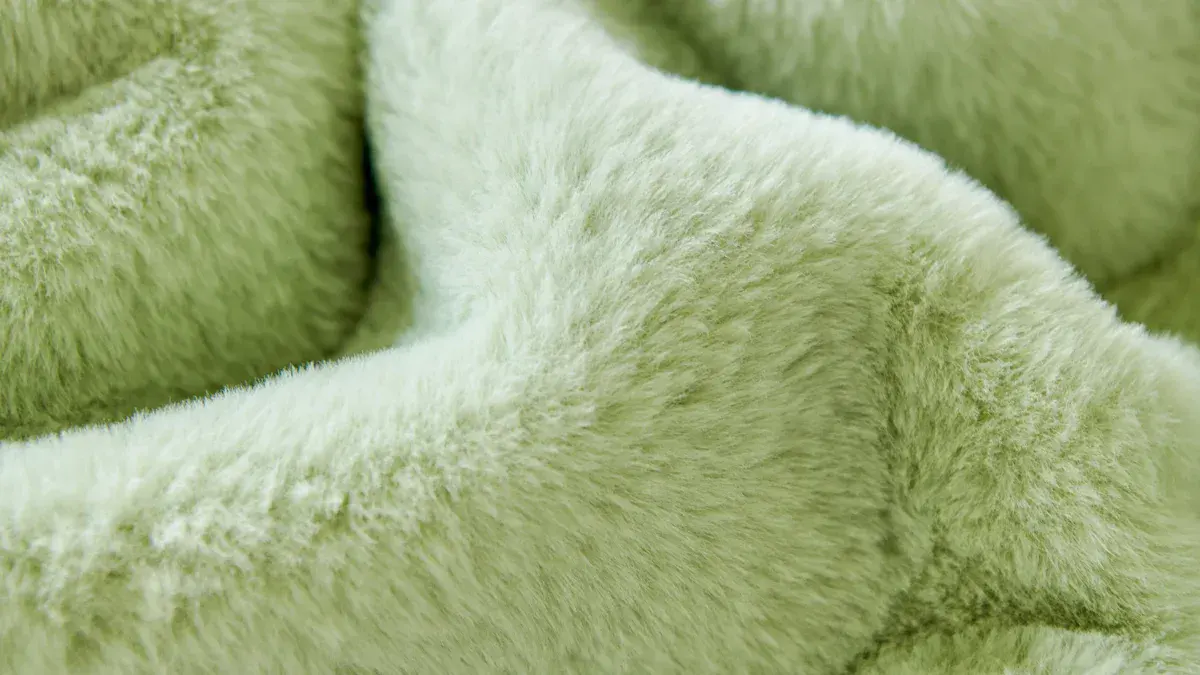
Heat Retention vs. Breathability
When you look for cozy sheets, you want something that keeps you warm but doesn’t make you sweat. Some materials trap heat better than others. Flannel and fleece hold warmth close to your body. These sheets feel great when it’s cold, but they don’t let much air move through. If you get hot at night, you might wake up feeling sticky.
Let’s compare how different sheet materials handle heat and airflow:
Material | Key Features |
|---|---|
Bamboo | Breathable and moisture-wicking |
Eucalyptus (Tencel) | Silky texture with natural cooling effect |
Cotton (Percale) | Lightweight, crisp, and allows air circulation |
Polyester Blends | Often enhanced with cooling technology |
Sheets like percale cotton and bamboo let air move around you. This helps your skin stay dry and cool. Research shows that sleeping in a cooler room helps you get deeper sleep. So, sheets that breathe well can help you rest better, even in winter.
Comfort for Winter Nights
You want to feel snug but not overheated. Breathability matters because it stops you from getting too hot under the covers. If your sheets trap too much heat, you might toss and turn. Materials like linen and percale cotton release moisture and let air flow. This keeps your sleep surface dry and comfortable.
Here’s a quick look at how breathability affects comfort:
Sheet Material | Breathability | Humidity Trapping Risk | Best For |
|---|---|---|---|
Percale Cotton | High | Low | Hot sleepers who want airflow and a dry sleep surface |
Linen | High | Low | Very hot sleepers and humid climates |
Microfiber | Low | High | Not recommended for hot sleepers |
Wool stands out for winter nights. It gives you warmth and breathability at the same time. Wool sheets keep you cozy but also manage moisture, so you don’t overheat. If you wonder what are the warmest sheets that won’t make you sweat, wool is a top choice.
Tip: Choose sheets that balance warmth and breathability. You’ll sleep better and wake up feeling refreshed.
Thread Count & Warmth
Does Thread Count Matter?
You might hear people say that higher thread count means better sheets. That’s not always true. Thread count tells you how many threads fit into one square inch of fabric. Many shoppers think more threads mean softer, warmer sheets. The truth is a bit different.
Thread count isn’t everything for bedsheets. It often confuses shoppers.
A high thread count doesn’t always mean more comfort. Sometimes, it just means thinner threads packed tightly together. This can trap heat and make you feel sweaty.
Fabric quality, weave, and breathability matter more for warmth and comfort.
If you want sheets that keep you warm in winter, look for a thread count between 400 and 800. Double-ply sheets in this range feel thicker and hold in heat better. These sheets work well for cold nights because they trap warmth without making you overheat.
A thread count of 300 to 500 gives you a nice balance of softness and breathability.
Higher thread counts can actually make sheets less durable and less comfy.
Comfort depends on what you like best.
You should also pay attention to the quality of the threads. Single-ply yarns feel softer than multi-ply yarns. Some brands use tricks to make their thread count look higher, but that doesn’t always mean better sheets.
Myths About Thread Count
Many people believe some common myths about thread count and warmth:
Myth: Thread count alone decides how comfortable your sheets feel. In reality, comfort depends on many things, like fabric type and weave.
High thread count does not guarantee comfort. What feels good to you might not feel good to someone else.
The type of fabric, how it’s woven, and the finishing process all play a big role in how warm and cozy your sheets feel.
Tip: Don’t get caught up in the numbers. Focus on the fabric, weave, and how the sheets feel to you. That’s the best way to find sheets that keep you warm and comfortable all winter long.
Choosing & Layering for Winter
Flannel vs. Cotton: Which Is Warmer?
You might wonder if flannel or cotton sheets will keep you warmer on cold nights. Flannel sheets feel soft and cozy. They trap heat with tiny air pockets, so you stay warm. Cotton sheets feel smooth and crisp. They let air move around, so they feel cooler. If you want extra warmth, flannel is the better choice. Cotton works well if you like a cooler sleep or tend to get hot at night.
Here’s a quick comparison to help you decide:
Factor | Flannel Sheets | Cotton Sheets |
|---|---|---|
Comfort | Soft and cozy | Smooth and crisp |
Warmth | Very warm, traps heat | Cooler, less insulating |
Durability | Can wear out faster | Usually lasts longer |
Maintenance | Easy to care for | Needs careful washing |
Wrinkling | Resists wrinkles | May wrinkle easily |
Breathability | Breathable but warmer | Breathable and moisture-wicking |
Tip: Choose flannel if you want to feel toasty. Pick cotton if you want sheets that breathe and feel cool.
Layering Sheets and Blankets
Layering your bedding is a smart way to stay warm. You can start with a base layer like wool or cotton. This traps heat close to your body. Add a cozy blanket or comforter for more insulation. Try different fabrics and layers to see what feels best for you. You can also add a mattress pad for extra warmth.
Start with a wool or cotton sheet as your base.
Add one or two blankets or a comforter.
Use throws for extra warmth.
Adjust layers if you get too hot or cold during the night.
Note: Layers work better than one thick blanket. You can add or remove them to stay comfortable.
Pros and Cons of Each Material
Every sheet material has good and bad points. Here’s a quick look:
Type of Sheets | Advantages | Disadvantages |
|---|---|---|
Flannel | Very warm, soft, durable | Can be too hot, may pill, slow to dry |
Fleece | Super warm, lightweight, dries fast | Can overheat, may pill, less breathable |
Brushed Cotton | Warm, soft, breathable | Not as warm as flannel, can wrinkle |
Linen | Regulates temperature, breathable, durable | Feels rough at first, wrinkles easily |
Think about what matters most to you—warmth, breathability, or easy care. That will help you pick the best sheets for winter nights.
When you ask what are the warmest sheets for winter, you want comfort and the right material. Flannelette, linen, and cotton stand out for warmth and breathability:
Material | Key Features |
|---|---|
Flannelette | Insulating, traps air, soft and fluffy |
Linen | Regulates temperature, absorbs moisture, keeps you warm |
Cotton | Breathable, soft, snug |
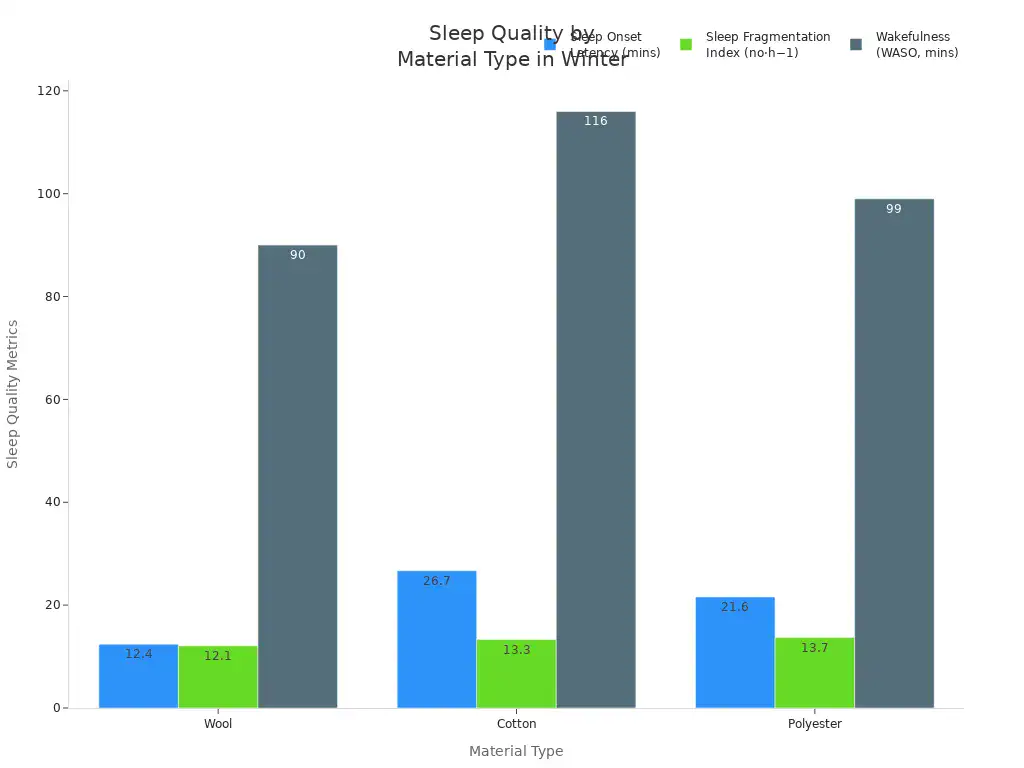
Cotton sheets get top marks for breathability and comfort, especially for hot sleepers. Wool also helps you fall asleep faster and wake up less during the night.
Choose sheets that fit your needs. You’ll enjoy cozy, restful winter nights every time you slip into bed.
FAQ
What sheets keep you warmest in winter?
Flannel sheets give you the most warmth. Their fuzzy texture traps heat and feels cozy right away. Fleece sheets also work well if you want extra insulation.
Can you use linen sheets in cold weather?
Yes, you can use linen sheets in winter. Linen helps regulate temperature. You stay warm without overheating. The fabric gets softer after each wash.
How do you layer bedding for extra warmth?
Start with a warm sheet like flannel or brushed cotton. Add a blanket or comforter. You can use a throw for more heat. Adjust layers to match your comfort.
Do higher thread counts mean warmer sheets?
Not always. A higher thread count can trap heat, but the material matters more. Flannel and brushed cotton keep you warmer than high-thread-count cotton.
Are microfiber sheets good for winter?
Microfiber sheets feel soft and cost less. They hold some heat, but they do not breathe well. You might get too warm or sweaty if you use them in winter.
See Also
Choosing Between Microfiber And Polyester Sheets For Comfort
 English
 Arabic
 Spanish
 French
 Italian
 Portuguese
 Vietnamese