

You may wonder what 100 polyester bedding fabric is. This material comes from synthetic fibers and offers a strong, smooth texture. You often find it in sheets, pillowcases, and comforters. Its unique qualities make it stand out in your home. You get a fabric that is easy to care for, keeps its shape, and dries quickly. Many people choose it because it resists stains, does not wrinkle, and lasts a long time.
Soft feel for comfort during sleep
Maintains a neat appearance
Practical for busy households
Principais Conclusões
100 percent polyester bedding is durable and can last 5 to 10 years with proper care, making it a cost-effective choice.
This fabric is easy to maintain; it resists stains and wrinkles, allowing for quick clean-up and less ironing.
Polyester bedding dries quickly, which is ideal for busy households that need to wash and reuse bedding often.
While affordable, polyester may not be suitable for those with sensitive skin or who sleep hot due to its lower breathability.
Consider the environmental impact of polyester, as it is not biodegradable and can contribute to pollution.
100 Polyester Bedding Fabric
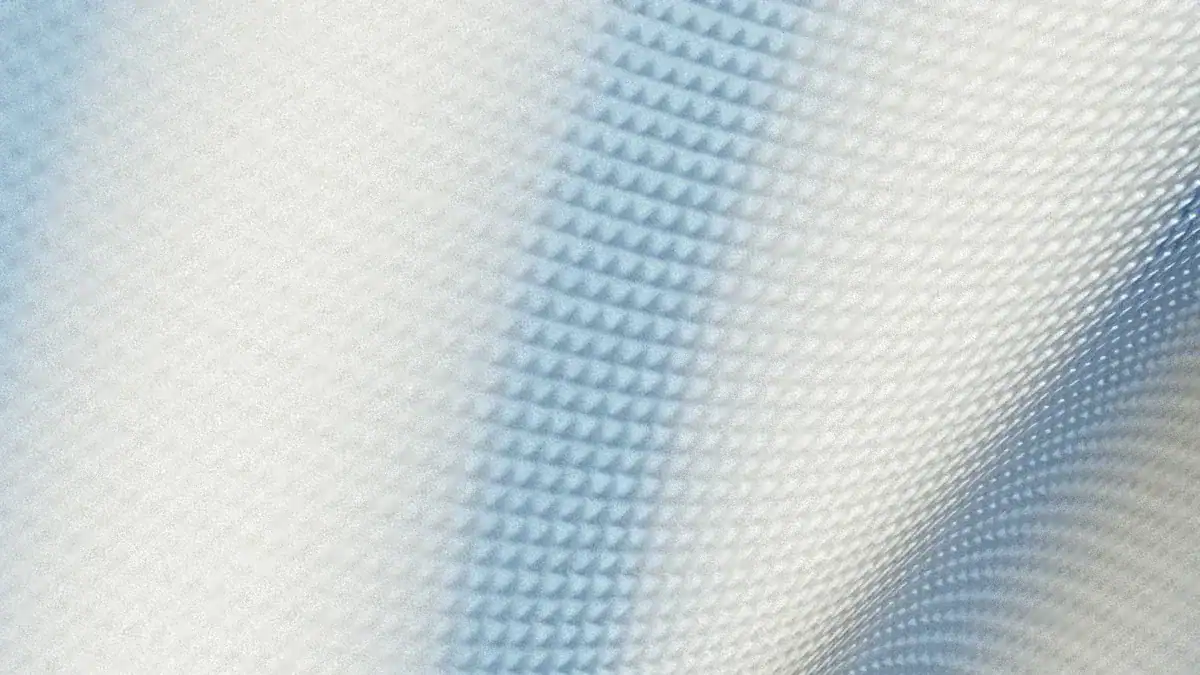
Definition
You may see 100 polyester bedding fabric labeled on many sheets and pillowcases. This term means the fabric is made only from polyester fibers, with no other materials mixed in. In the textile industry, you get this fabric by turning crude oil and natural gas into special chemicals. These chemicals form a plastic called PET resin. Factories then spin this resin into long, strong threads. You sleep on bedding that feels smooth and keeps its shape because of this process.
Composição
The main ingredients in 100 polyester bedding fabric come from a chemical reaction. Two important chemicals, terephthalic acid and ethylene glycol, join together to make the polyester fibers. You can see their roles in the table below:
Chemical Component | Descrição |
|---|---|
Terephthalic Acid | A dicarboxylic acid that reacts with ethylene glycol to form polymer chains through ester linkage. |
Ethylene Glycol | An alcohol that serves as a reactant with terephthalic acid to create polyethylene terephthalate (PET). |
These chemicals help create a fabric that is strong, lightweight, and easy to care for. You notice that 100 polyester bedding fabric often feels smooth and resists shrinking.
Manufacturing
You might wonder how factories make 100 polyester bedding fabric. The process starts with crude oil and natural gas. Workers turn these into purified terephthalic acid and monoethylene glycol. These chemicals mix and form PET resin. Machines melt the resin and push it through tiny holes to make long, thin threads. These threads become the fabric you use on your bed.
Note: The manufacturing process for polyester bedding has some environmental impacts. Factories can release microfibers into water, and dyeing the fabric can pollute rivers. Workers may face health risks, and the process uses a lot of energy from oil. Polyester bedding can last a long time in landfills, sometimes over 200 years.
Here is a table that shows some of the main environmental impacts:
Impacto Ambiental | Descrição |
|---|---|
Microfiber Pollution | About 0.5 million tonnes of plastic microfibers are shed yearly during washing. |
Worker Health Risks | Workers face poor conditions, long hours, and exposure to hazardous substances. |
Local Pollution | Factories discharge untreated wastewater, polluting local rivers. |
Water Usage Issues | The textile industry faces challenges in water-scarce regions. |
Use of Hazardous Materials | Antimony trioxide, used in production, is suspected of causing cancer. |
Non-renewable Resource | Polyester is derived from oil, contributing to pollution and energy consumption. |
Longevity in Landfills | Polyester products can take over 200 years to degrade, contributing to landfill waste. |
CO2 Emissions from Dyeing | Dyeing processes emit 2.31–4.14 kg CO2 eq/kg of finished textile. |
Global Water Pollution | 20% of global water pollution is attributed to dyeing and finishing of textiles. |
When you choose 100 polyester bedding fabric, you get a product that is strong and easy to care for, but you should also think about its impact on the environment.
Features and Benefits
Durabilidade
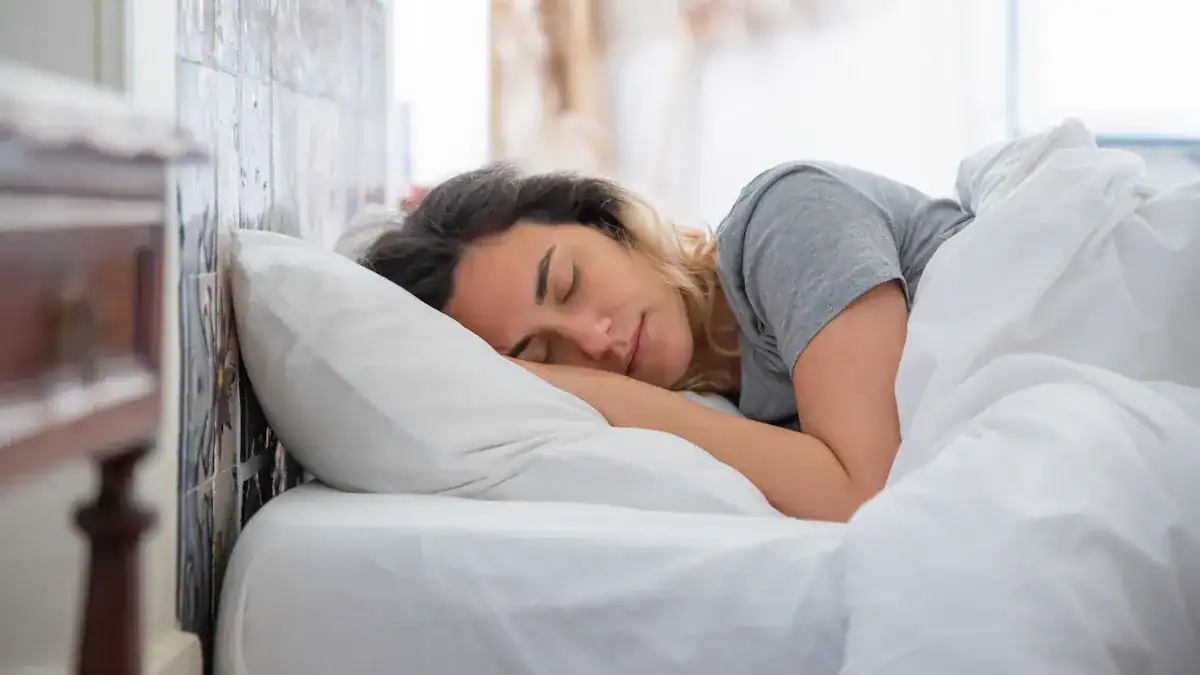
You want bedding that lasts through many washes and daily use. 100 Poliéster bedding fabric stands out for its strength and long life. You can wash it often, and it keeps looking new. The fabric does not stretch or shrink, so your sheets and pillowcases keep their shape. You can expect this bedding to last between 5 to 10 years, depending on how you care for it. If you wash it gently and avoid harsh chemicals, you help it last longer.
Polyester bedding can handle machine washing up to 60 °C.
It keeps at least 90% of its strength after 50 wash cycles.
You get a service life of 5–7 years in busy homes.
Cotton bedding needs gentler washes and lasts only 2–4 years under similar use.
Resistência a Manchas
You may worry about spills and stains, especially if you have kids or pets. 100 polyester bedding fabric resists stains better than cotton or polycotton. The fibers do not absorb liquids quickly, so you can clean up messes before they set. Polyester bedding is easy to maintain and does not need special treatments to stay clean.
Stains do not soak in as fast as with cotton or polycotton.
Spot cleaning works well if you act quickly.
Spot cleaning is most effective when stains are addressed immediately. Pre-treat stains by gently blotting with a clean cloth and a mild detergent solution. Avoid hot water to prevent setting stains.
Resistência a Rugas
You want your bed to look neat without spending time ironing. 100 polyester bedding fabric resists wrinkles, so your sheets stay smooth. The fabric keeps its shape and color, even after many washes. You do not need to iron it, which saves you time and effort.
Polyester bedding keeps its shape and color over time.
Wrinkle-resistant properties reduce the need for ironing.
The fabric is easy to care for and stays smooth.
Acessibilidade
You may look for bedding that fits your budget. 100 polyester bedding fabric costs less than cotton and is more affordable than many polycotton options. You get good quality without spending a lot of money.
Tipo de Tecido | Price Range (Queen Size) |
|---|---|
Poliéster | $20 – $50 |
Algodão | $50 – $150 |
Polycotton | More affordable than cotton (specific range not provided) |
You save money when you choose polyester bedding, and you still get a product that lasts and looks good.
Cuidados e Manutenção
You want bedding that is easy to clean and care for. 100 polyester bedding fabric makes this simple. You can wash it in warm water, up to 120° F, using mild detergent. You do not need bleach or fabric softeners. Dry your bedding at the lowest heat setting and remove it from the dryer right away to avoid wrinkles. If you follow these steps, your bedding stays soft and keeps its color.
Aspecto de Cuidado | Instructions |
|---|---|
Instruções de Lavagem | Wash in warm water, never exceeding 120° F. Use mild detergent, no bleach/chlorine, no fabric softeners. Do not overload or under-load machine. Do not mix with other textiles. |
Instruções de Secagem | Tumble dry at lowest heat setting, never exceeding 120° F. Remove from dryer immediately to avoid wrinkling. For best results, remove while slightly damp. Do not use fabric softeners. |
Use gentle soaps to keep the fabric soft.
Avoid fabric softeners, which can block airflow.
Wash regularly at moderate temperatures to keep colors bright and prevent shrinking.
You notice that 100 polyester bedding fabric feels smooth and slightly stiff. It is not as soft as cotton or linen, but it is lightweight and dries quickly. You get bedding that is practical for busy households and easy to maintain.
Comparison With Other Fabrics
Algodão
When you look for bedding, cotton stands out as a popular choice. Cotton bedding feels soft and cool against your skin. It lets air flow easily, which helps you stay comfortable during warm nights. Cotton absorbs moisture, so you do not wake up feeling sweaty. Many people with allergies choose cotton because it is hypoallergenic and gentle on sensitive skin.
Cotton is highly breathable and regulates temperature well.
It absorbs moisture and provides a cooling sensation.
Cotton feels soft and natural, making it a favorite for comfort.
You may need to wash cotton bedding carefully in cold water and dry it on low heat to prevent shrinking.
Cotton often needs ironing to look smooth.
Tip: If you sleep hot or have sensitive skin, cotton bedding may help you rest better.
Polycotton
Polycotton blends polyester and cotton fibers. You get the best of both worlds with this fabric. Polycotton bedding is more durable than pure cotton and resists wrinkles better. It keeps its shape after many washes and dries faster than cotton. You can wash polycotton in warm water and dry it on high heat without much worry.
Polycotton is less likely to wrinkle and does not require ironing.
It retains smoothness straight from the dryer.
You can wash and dry polycotton on normal cycles, making it easy to care for.
The polyester in polycotton adds strength, so it lasts longer in busy homes.
Note: Polycotton is a good choice if you want bedding that is easy to maintain and still feels soft.
Comfort and Longevity
When you compare comfort, you notice clear differences between these fabrics.
Cotton feels soft, cool, and breathable. It helps regulate your body temperature and wicks away moisture.
Polyester feels smooth but less breathable. It traps heat and can cause sweating, especially in warm weather.
Polycotton offers a balance. It feels softer than polyester but is easier to care for than cotton.
Studies show that natural fibers like cotton and linen provide better comfort than synthetic fabrics. They help you sleep cooler and feel softer on your skin. Polyester bedding, while durable and quick to dry, may not suit you if you sleep hot or want a plush feel.
When you think about longevity, polyester bedding stands out. It resists shrinking and tearing, so it lasts longer than cotton or polycotton. Polycotton also lasts a long time, especially in places like hotels where bedding gets washed often. Cotton, while comfortable, may wear out faster with frequent washing.
Tipo de Tecido | Nível de conforto | Manutenção | Longevidade |
|---|---|---|---|
Algodão | Very soft, cool, breathable | Needs careful washing, may need ironing | Wears out faster |
Poliéster | Smooth, less breathable, traps heat | Very easy, wrinkle-resistant | Lasts longest |
Polycotton | Soft, balanced feel | Easy, low wrinkle, quick dry | Durable, good for heavy use |
Choosing the right bedding depends on what matters most to you—comfort, easy care, or long-lasting use.
Pros and Cons
Vantagens
You get many benefits when you choose 100 percent polyester bedding. The fabric stands out for its strength and long-lasting quality. You can wash it often, and it keeps its shape and color. Polyester bedding dries quickly, so you do not have to wait long to make your bed again. You also save money because polyester costs less than cotton or linen. The fabric resists stains and wrinkles, which means your bed looks neat with little effort.
Easy to care for and machine washable
Dries fast and resists shrinking
Keeps colors bright after many washes
Affordable for most budgets
Stays smooth without ironing
Tip: Polyester bedding works well for busy families, students, or anyone who wants low-maintenance sheets.
Desvantagens
You may notice some drawbacks with polyester bedding. The fabric does not breathe as well as natural fibers. You might feel hot or sweaty, especially in warm weather or if you sleep hot. Some people with sensitive skin can feel itchy or uncomfortable. Polyester can also cause static electricity, which may attract dust or hair.
Here is a table that shows the most common disadvantages:
Disadvantage | Descrição |
|---|---|
Polyester bedding traps heat and sweat, leading to discomfort, especially in warm climates. | |
Skin Irritation | Can cause allergic reactions and skin irritation, particularly in individuals with sensitive skin. |
Uncomfortable for Hot Sleepers | The non-breathable nature can lead to sweating and chafing, making it unsuitable for hot sleepers. |
Note: If you have allergies or sensitive skin, you may want to test polyester bedding before buying a full set.
Preocupações Comuns
You might worry about how polyester affects your health or the environment. Some people ask if the fabric is safe for children or pets. Polyester comes from oil, so it is not a natural material. The fabric can shed microfibers during washing, which may end up in rivers and oceans. You may also wonder if polyester bedding feels as soft as cotton. While it feels smooth, it does not match the plushness of natural fibers.
Some users report static cling or pilling over time
Polyester is not biodegradable and can last for decades in landfills
The fabric may not suit people who sleep hot or have sensitive skin
If you care about the environment or want the softest bedding, you may want to explore other options.
Who Should Choose Polyester Bedding
Melhores Usos
You may find 100 percent polyester bedding fabric especially useful in places where bedding needs to look neat and last a long time. Hotels, hospitals, and care facilities often choose polyester bedding for several reasons:
Wrinkle-Resistance: You get sheets that stay smooth and tidy, even after many washes. This helps hotel rooms and hospital beds always look ready for guests or patients.
Fade-Resistance: Polyester holds color well. You do not see fading, even after repeated washing. This saves money because you replace bedding less often.
Quick Drying: Polyester dries faster than cotton. You can wash and reuse bedding quickly, which saves time, water, and energy.
Durabilidade: The fabric resists tearing and fraying. You do not need to replace it as often, which lowers maintenance costs.
Hipoalergênico: Polyester resists bacteria and mold. This helps keep bedding clean and safe, which is important in healthcare settings.
Tip: If you run a hotel or manage a healthcare facility, polyester bedding can help you save money and keep your rooms looking fresh.
You may also like polyester bedding if you have a busy home. The fabric stands up to frequent washing and keeps its shape. Students, families with children, and anyone who wants easy-care bedding often choose polyester.
Who Should Avoid
Polyester bedding does not work for everyone. Some people have skin conditions or sensitivities that make polyester uncomfortable. You should avoid polyester bedding if you have:
Eczema, because polyester can cause allergic reactions or make your skin feel itchy.
Allergic Contact Dermatitis (ACD), since each contact with polyester may increase your skin’s sensitivity.
If you have sensitive skin, you may want to try natural fibers like cotton or linen. These fabrics feel softer and allow your skin to breathe better.
Note: Always check how your skin reacts to new bedding. If you notice itching or redness, consider switching to a different fabric.
You get many benefits from 100 percent polyester bedding fabric. It stands out for durability, easy care, and affordability. The table below shows what makes it unique:
Quality | Descrição |
|---|---|
Durabilidade | Lasts long and keeps its shape |
Fácil Cuidado | Resists wrinkles and stains |
Acessibilidade | Costs less than many other fabrics |
Fade Resistance | Keeps colors bright after many washes |
Think about your comfort, budget, and care needs. Weigh the pros and cons to find the best bedding for you!
Perguntas Frequentes
Is 100 percent polyester bedding safe for sensitive skin?
You may experience irritation if you have sensitive skin. Polyester does not breathe as well as cotton. If you notice itching or redness, try switching to natural fibers. Always test new bedding before using it regularly.
How do you wash polyester bedding to keep it looking new?
Wash polyester bedding in warm water with mild detergent. Avoid bleach and fabric softeners. Tumble dry on low heat. Remove promptly to prevent wrinkles. You keep colors bright and fabric smooth by following these steps.
Does polyester bedding pill or shed fibers?
Polyester bedding can pill over time, especially after many washes. You may also notice microfiber shedding during laundry. Use gentle cycles and avoid harsh detergents to reduce pilling and shedding.
Can you use polyester bedding year-round?
You can use polyester bedding in any season. The fabric traps heat, so you may feel warm in summer. If you sleep hot, choose lighter sheets or switch to cotton during warmer months.
What makes polyester bedding different from cotton?
Recurso | Poliéster | Algodão |
|---|---|---|
Respirabilidade | Baixo | Alto |
Wrinkle-Free | Sim | Não |
Preço | Baixo | Mais alto |
Cuidado | Fácil | Needs attention |
You get easy care and affordability with polyester. Cotton offers softness and breathability.
Ver também
Escolhendo Entre Lençóis de Microfibra e Poliéster Para Conforto
Comparando Impressão em Painel e Impressão Digital para Tecidos de Cama
 Portuguese
 English
 Arabic
 Spanish
 French
 Italian
 Vietnamese