
Quality Control for Microfiber Bedding Fabric
Fabric quality control is essential for bedding fabric buyers because many quality issues only become visible after production. Perfectextile applies systematic inspection from yarn, weaving, dyeing, printing and final inspection to reduce defects, color risks and shipment issues for global buyers.
At Perfectextile, we check these risks step by step from yarn and weaving to brushing preparation, dyeing, printing, final inspection, and packing. Our goal is simple: help buyers receive fabric that is stable, usable, and easier to sell in their own market.
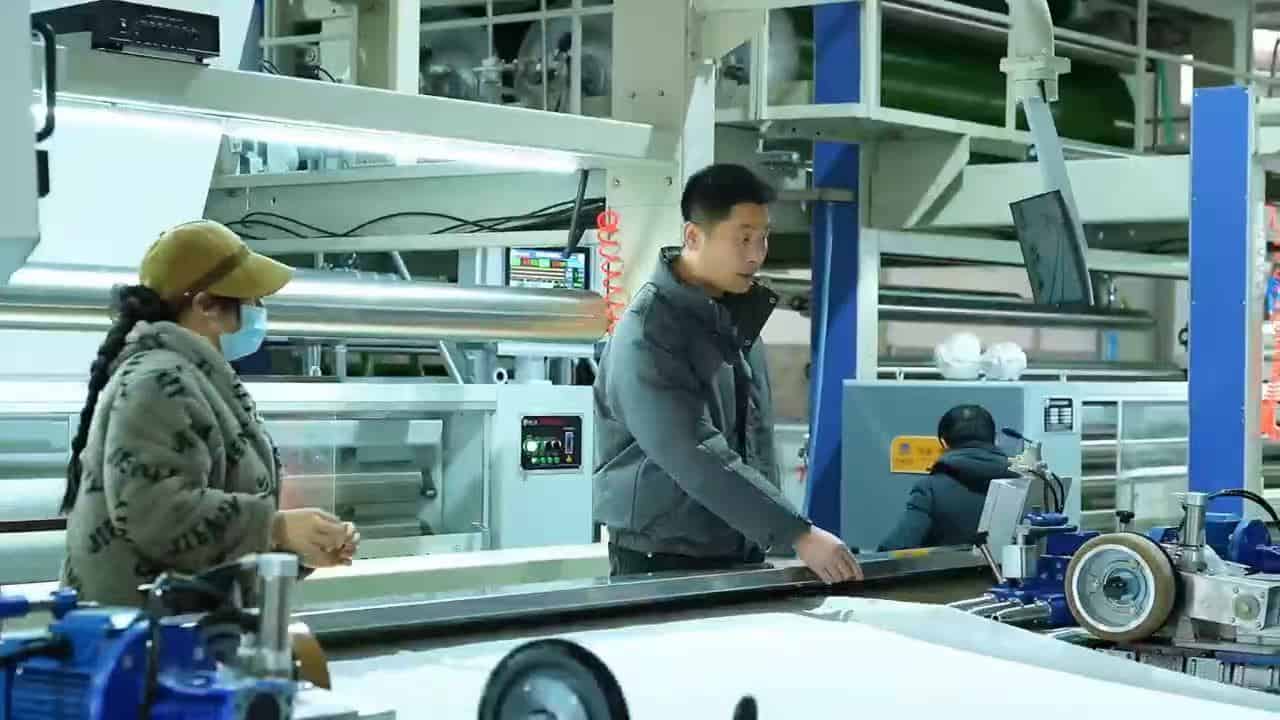
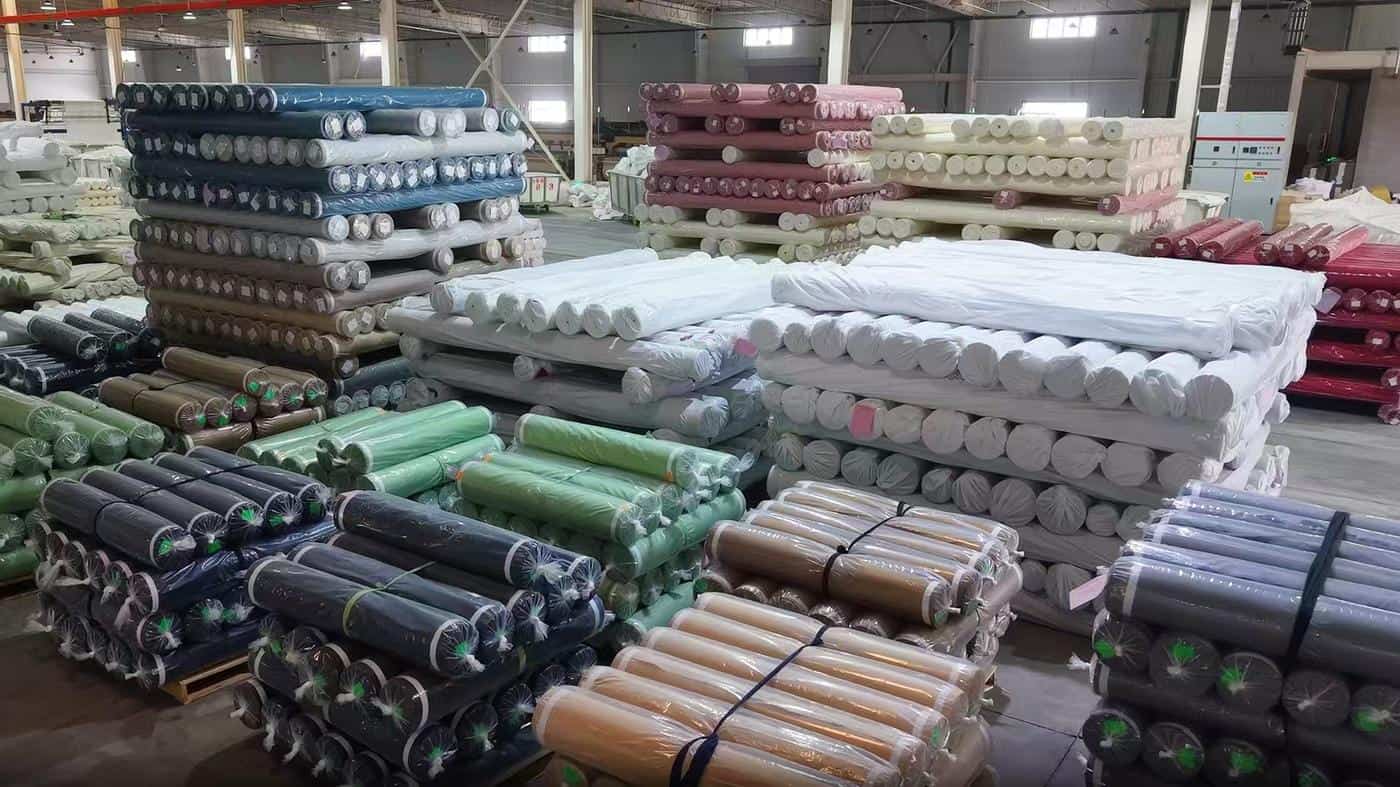
Why Quality Control Matters for Bedding Fabric Buyers
For bedding fabric buyers, quality problems often become visible after the fabric arrives at the warehouse, cutting room or sewing factory. Shade difference, color transfer, surface defects, pilling, printing issues or fabric deformation can all lead to claims, fabric loss and delivery delays.
At Perfectextile, we use these real production risks as our QC checklist. Our goal is to find problems earlier, control them during production, and help buyers receive fabric that is stable, usable and easier to sell in their own market. Explore Our Bedding Fabric Range.
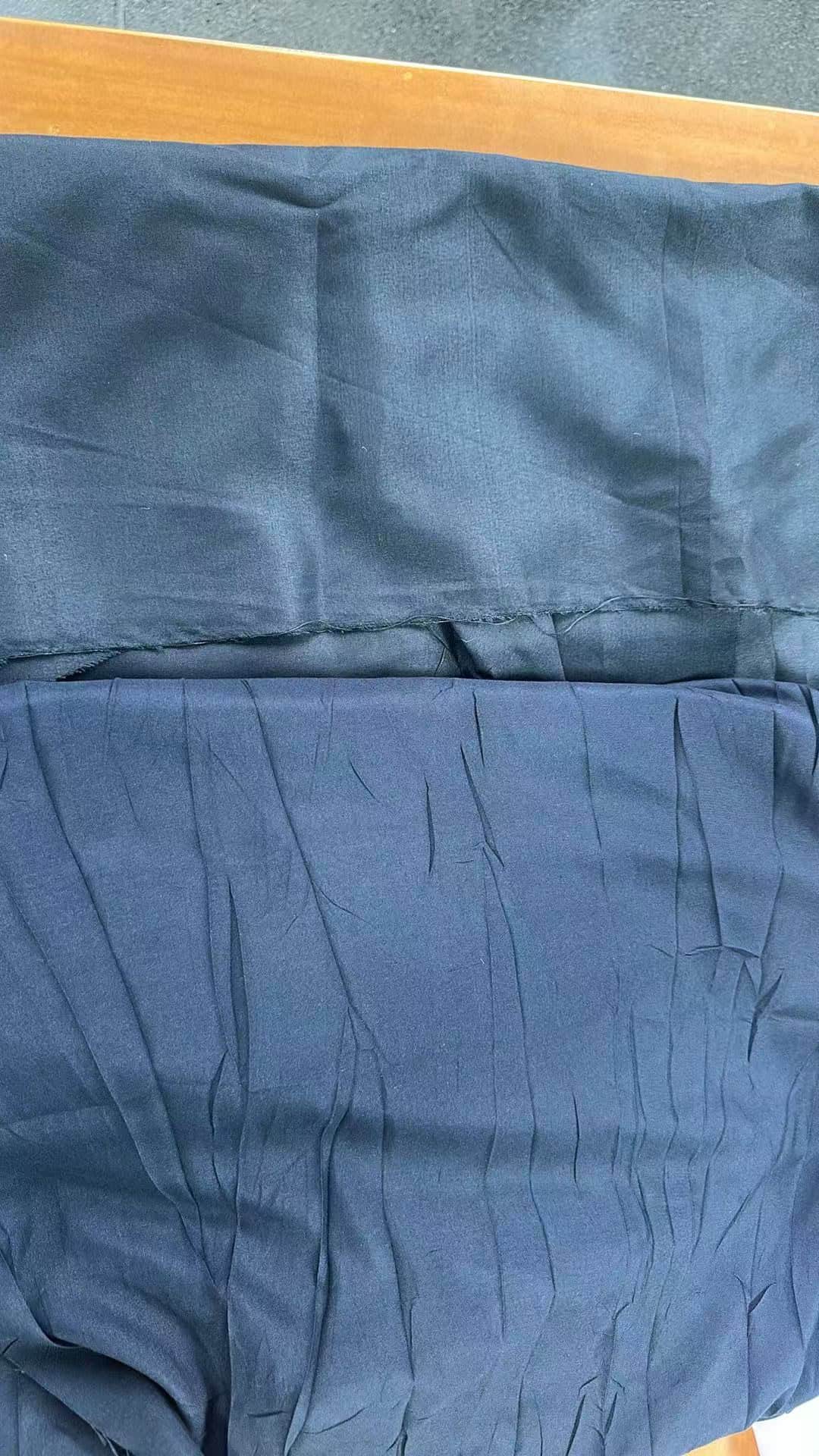
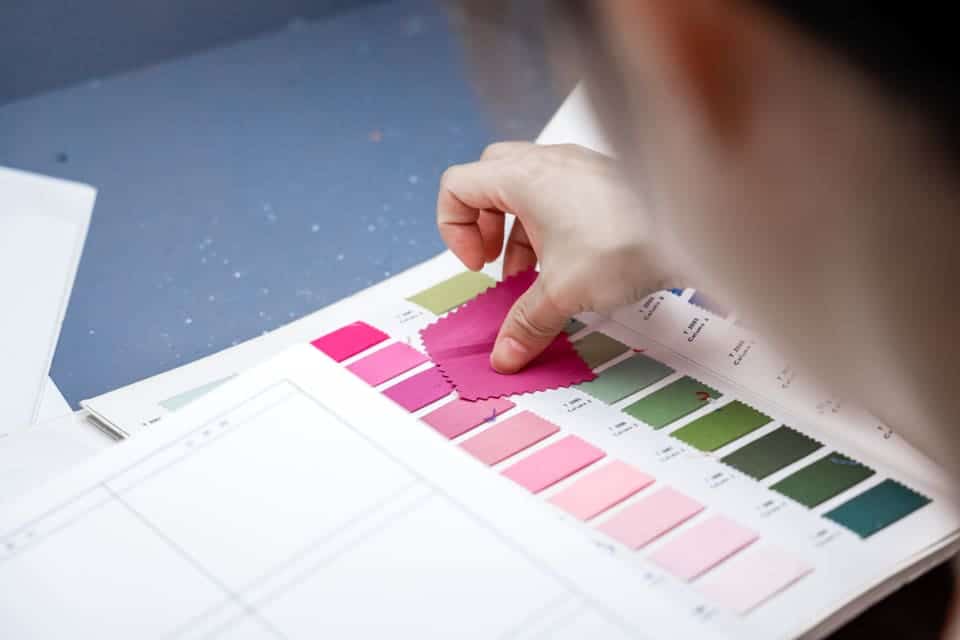
Shade Difference
Shade difference may happen between lab dip, sample, bulk production or different rolls in the same batch. We compare shade during production and before packing to reduce roll-to-roll color variation.
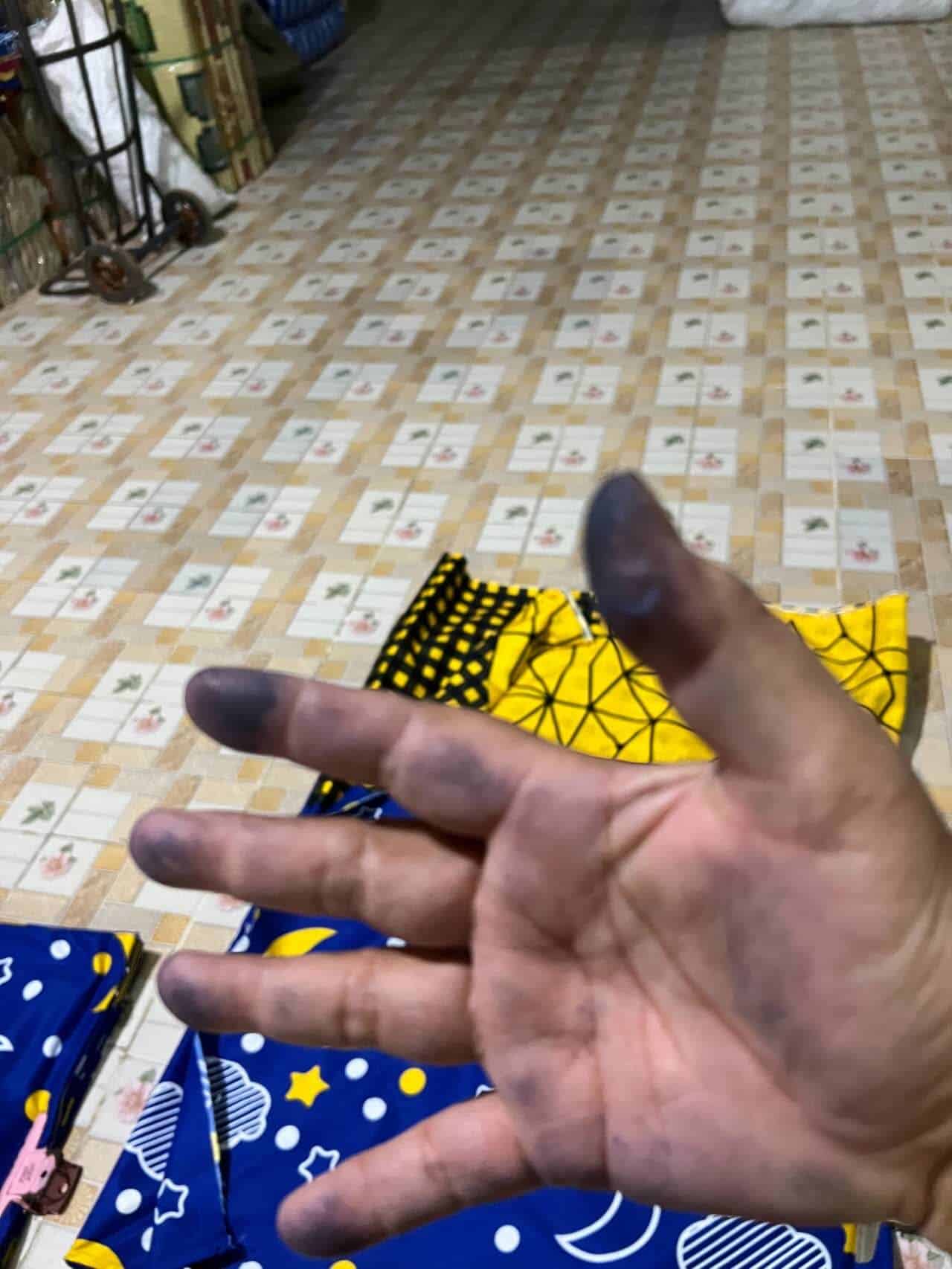
Poor Color Fastness & Color Transfer
Dark dyed or printed fabric may cause color transfer if the dyeing or printing process is not suitable. We check rubbing fastness, washing performance, surface floating color and post-treatment before recommending the final dyeing or printing method.
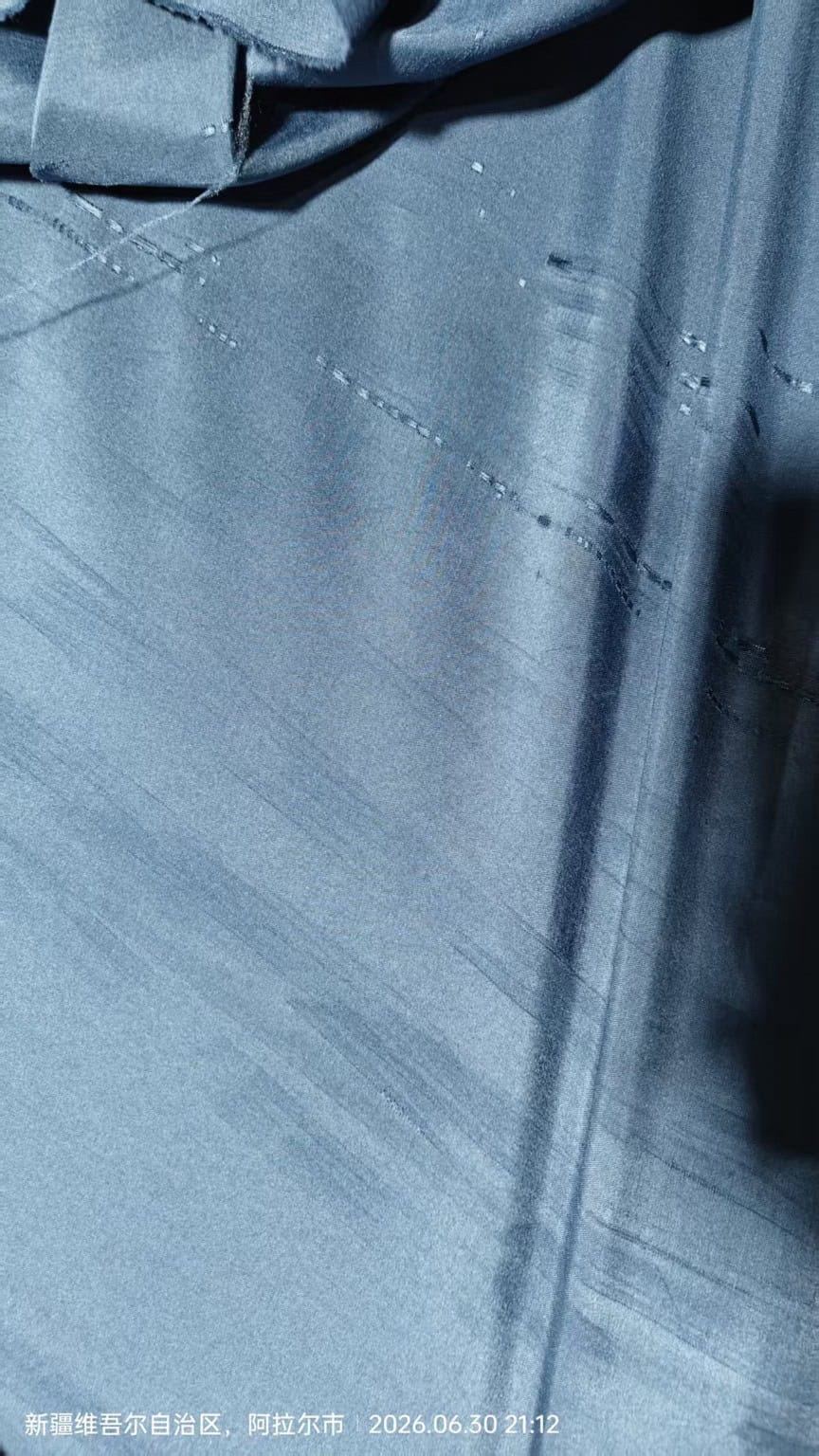
Surface Defects
Holes, broken yarns, oil stains, weaving lines or visible surface defects can reduce cutting efficiency for bedding factories. We check greige fabric and finished fabric to remove obvious defects before shipment.
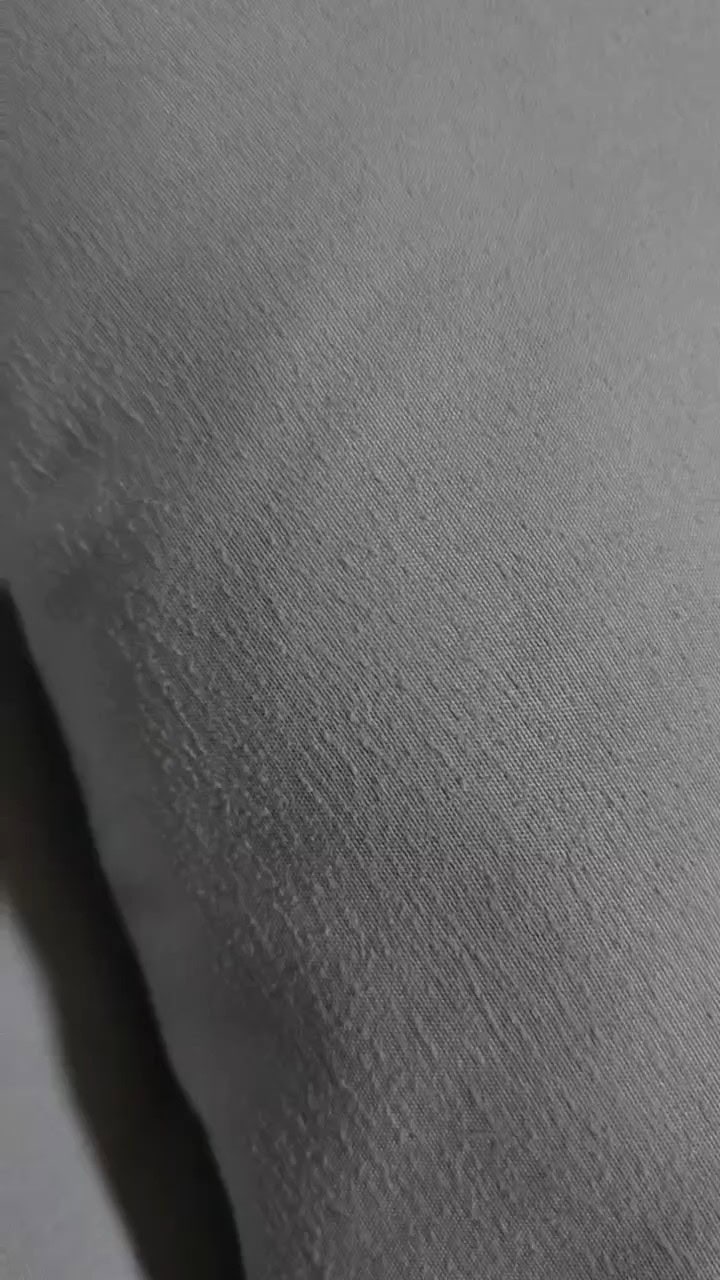
Over-Brushing & Pilling Risk
If brushing is too heavy, the fabric surface may feel rough, loose or easy to pill after use. For brushed microfiber fabric, we control brushing depth, fabric tension and surface condition before dyeing or printing.
Quality Control Across the Whole Production Process
We do not wait until the final inspection to find problems. Each stage has different risks, so the checking method also needs to be different. Explore Our Fabric Manufacturing Process.
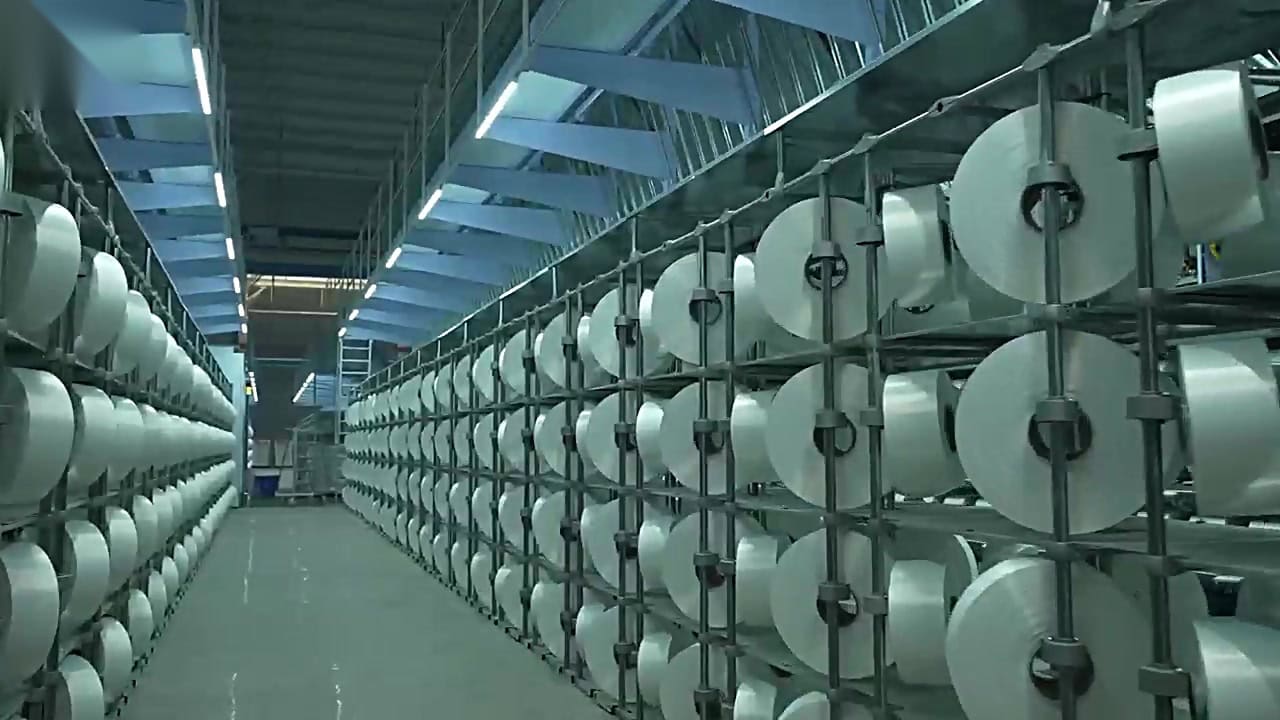
Yarn & DTY Control
We check yarn stability, denier consistency and tension performance before weaving. This helps reduce uneven fabric structure, broken yarns and production instability.
Weaving Control
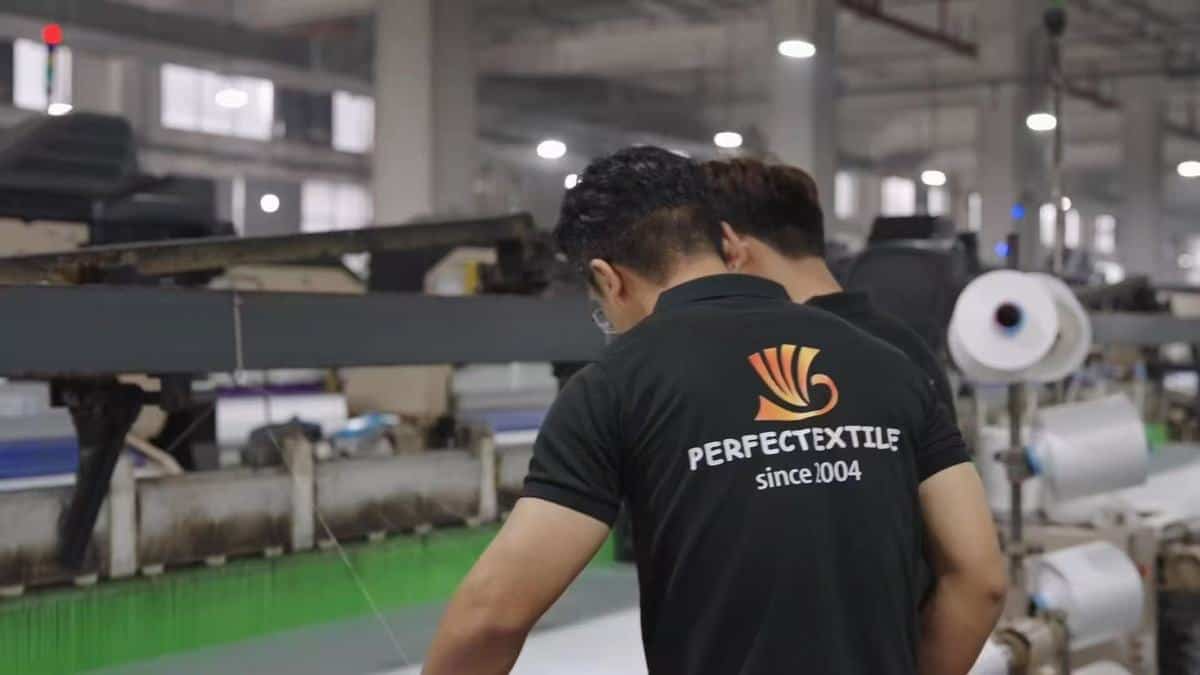
During weaving, we pay attention to fabric width, density, surface condition and machine stability. Problems such as weaving lines or holes are easier to handle before the fabric enters finishing.
Greige Fabric Inspection
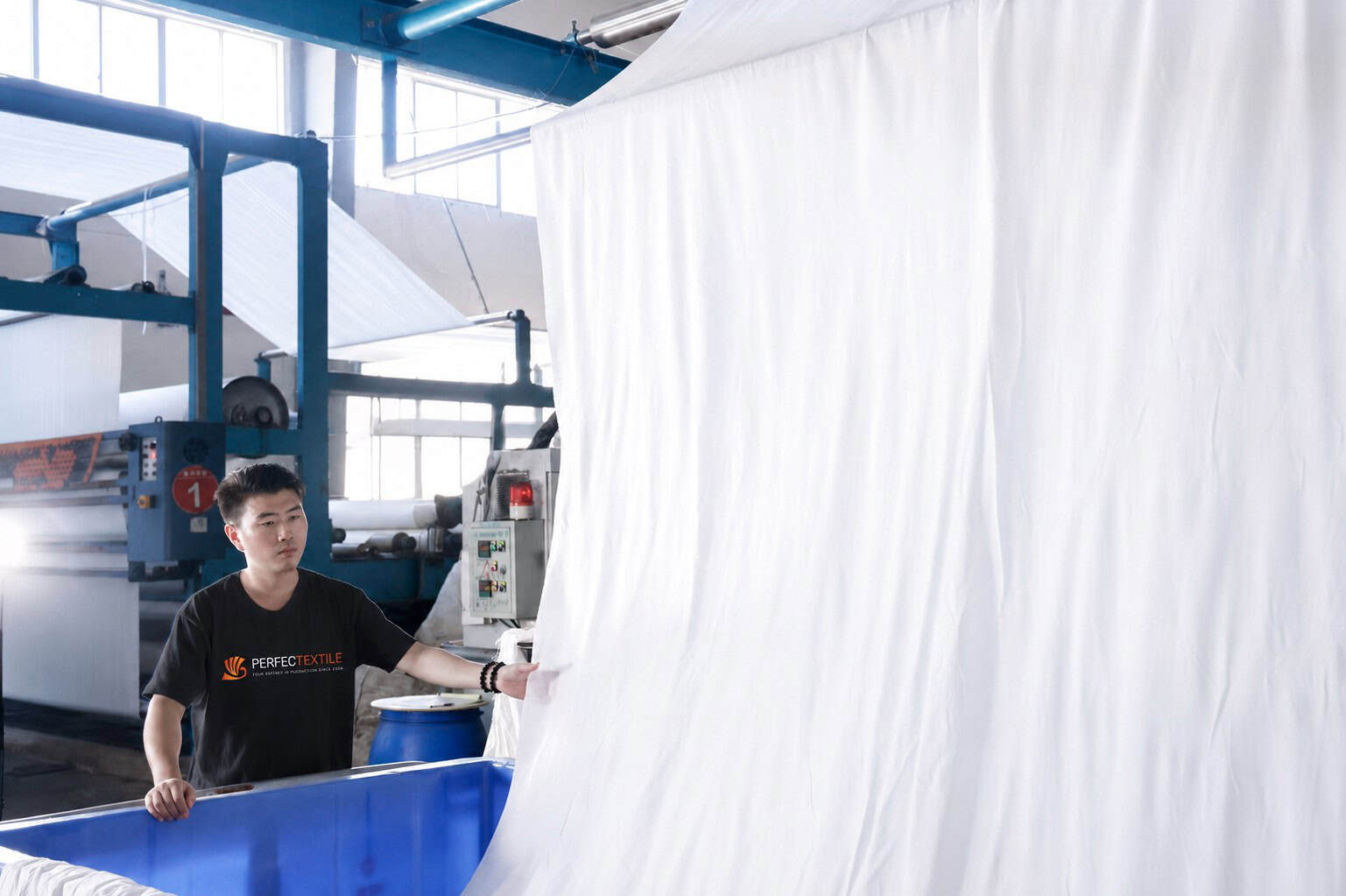
Greige fabric is checked for stains, broken yarns, oil marks, holes, weaving lines and other visible defects before brushing, dyeing or printing.
Brushing / Peach Finishing Preparation
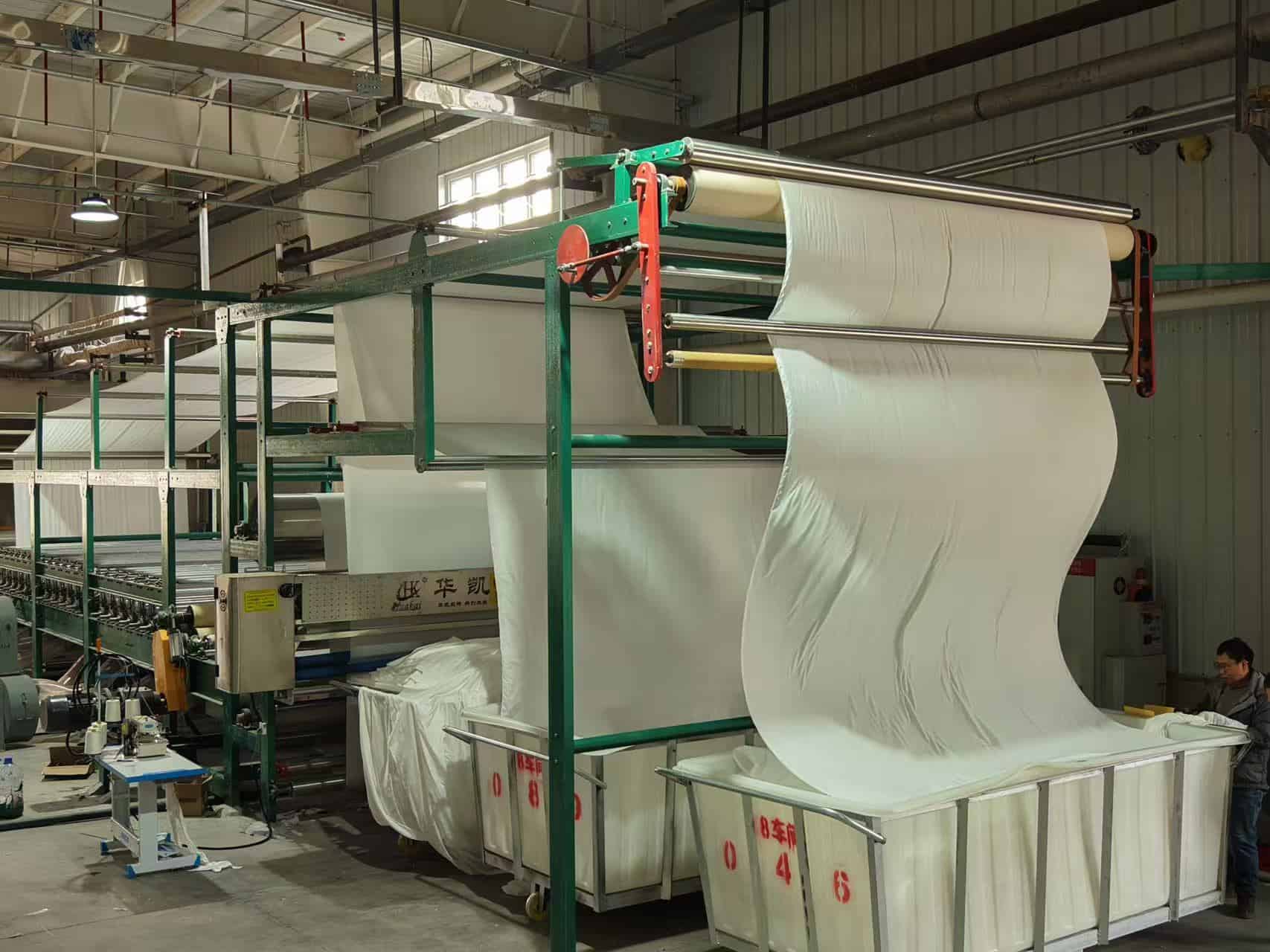
For brushed microfiber fabric and peach skin fabric, brushing quality is controlled before dyeing or printing. We focus on brushing marks, surface smoothness, handfeel and fabric tension.
Dyeing & Printing Control
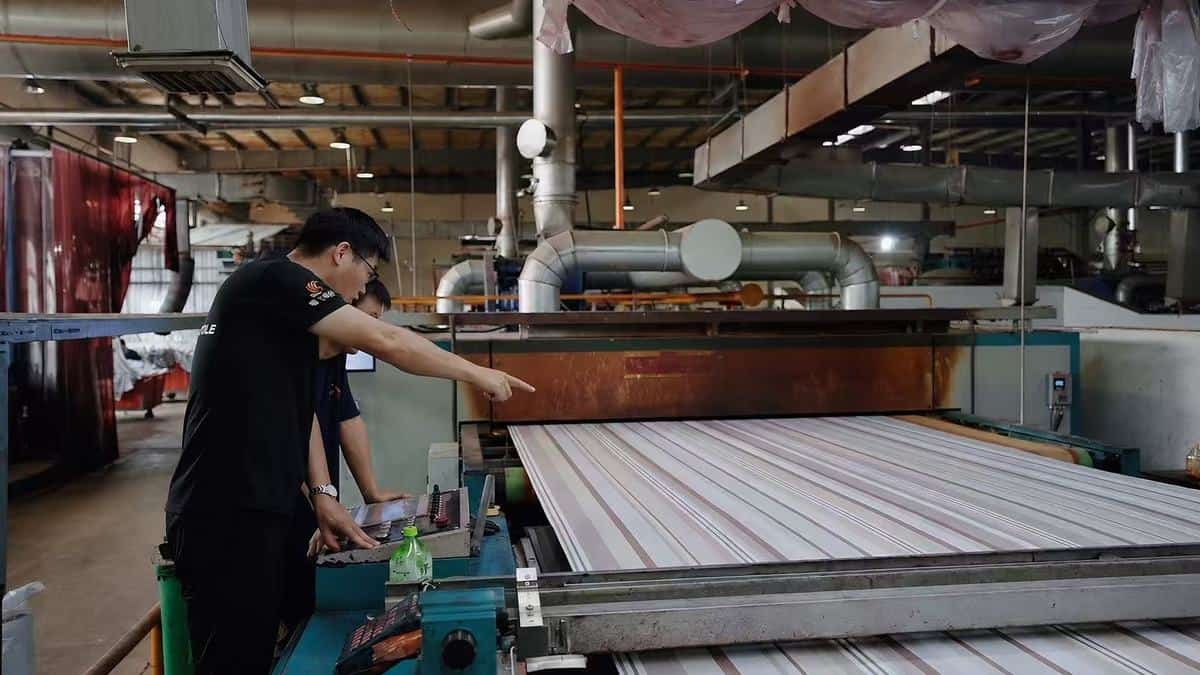
For dyed fabric, we check shade matching, temperature control and batch consistency. For printed fabric, we pay attention to printing alignment, surface floating color, color penetration and washing performance.
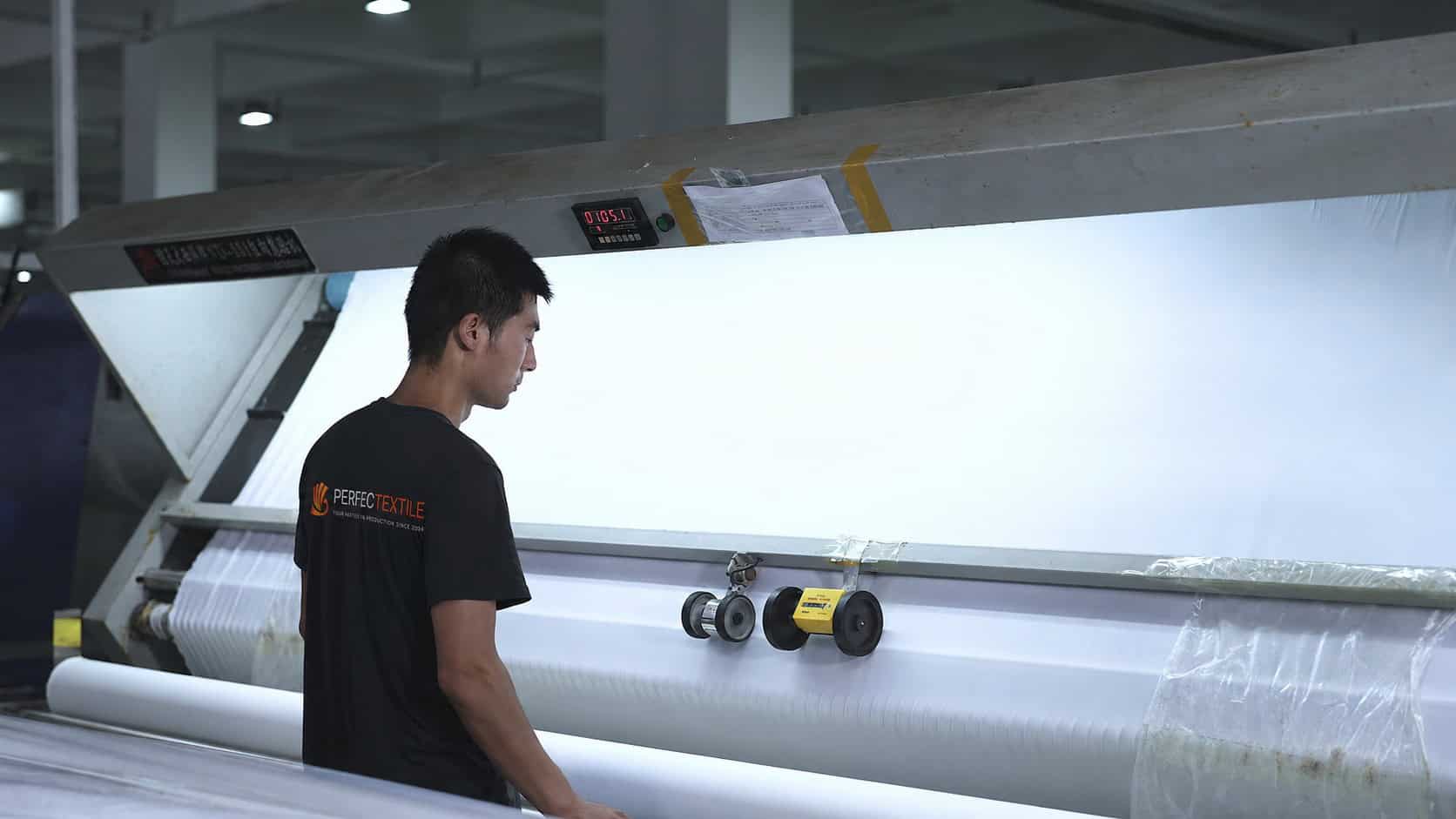
Final Inspection & Packing
Before shipment, we check width, GSM, shade, handfeel, surface defects, roll length, labels and packing condition. These details help reduce claims after the fabric reaches the buyer's warehouse.
Scroll to see all six stages →
Common Fabric Quality Risks We Check Before Shipment
Most fabric claims are not caused by one single problem. They often come from small details that were not controlled early enough. Before shipment, we check the quality points that matter most for fabric importers, wholesalers and bedding manufacturers.
Shade Difference
Lab dip, sample-to-bulk shade, batch shade, and roll-to-roll color variation before packing.
Poor Color Fastness & Color Transfer
Rubbing fastness, washing performance, surface floating color, dyeing process, printing process and post-treatment.
Surface Defects
Holes, broken yarns, oil stains, weaving lines, stains, brushing marks and other visible defects on greige fabric and finished fabric.
Over-Brushing & Pilling Risk
Brushing depth, fabric tension, loose fibers, uneven nap, rough surface, handfeel stability and pilling risk.
Printing Misalignment
Print registration, pattern alignment, screen adjustment, printing accuracy and sample-to-bulk comparison.
Color Bleeding / Color Staining
Color paste stability, bleeding between printed areas, staining on the fabric surface, color contamination and surface floating color.
Poor Heat Setting & Fabric Deformation
If the heat setting is not stable enough, the fabric may shrink, twist, curl or lose its original shape after finishing, washing or cutting. We check fabric tension, width setting, temperature and finishing stability to reduce deformation risk before shipment.
These are the types of problems that usually create claims after fabric reaches the buyer's warehouse. Our QC work focuses on finding them earlier, before they become full-roll or full-batch issues.
Printing Quality Control for Different Customer Requirements
Not every printed microfiber fabric order needs the same printing method. We recommend the process according to the buyer's target market, price level, color depth and washing requirement.
Pigment Printing
Pigment printing is usually used for lighter color designs and more cost-sensitive orders. The process is simpler, but rubbing fastness and washing performance are weaker, especially for darker colors.
Nano Printing
Nano printing is one of our professional printing options. Compared with normal pigment printing, it includes high-temperature steaming, so it can support deeper colors with better washing performance and less obvious fading.
Disperse Printing
Disperse printing gives the best color fastness among these options. After high-temperature steaming and washing, surface floating color is removed, the handfeel becomes softer, and the printed color is more stable.
Not sure which printing method fits your market? Send us your fabric requirement and target price range. We can help compare the suitable options.
Ask About Printing QualityWhat We Check Before Shipment
Before shipment, we check both the physical specifications and the fabric appearance. For bedding fabric buyers, stable width, GSM, color and handfeel are just as important as price and delivery time.
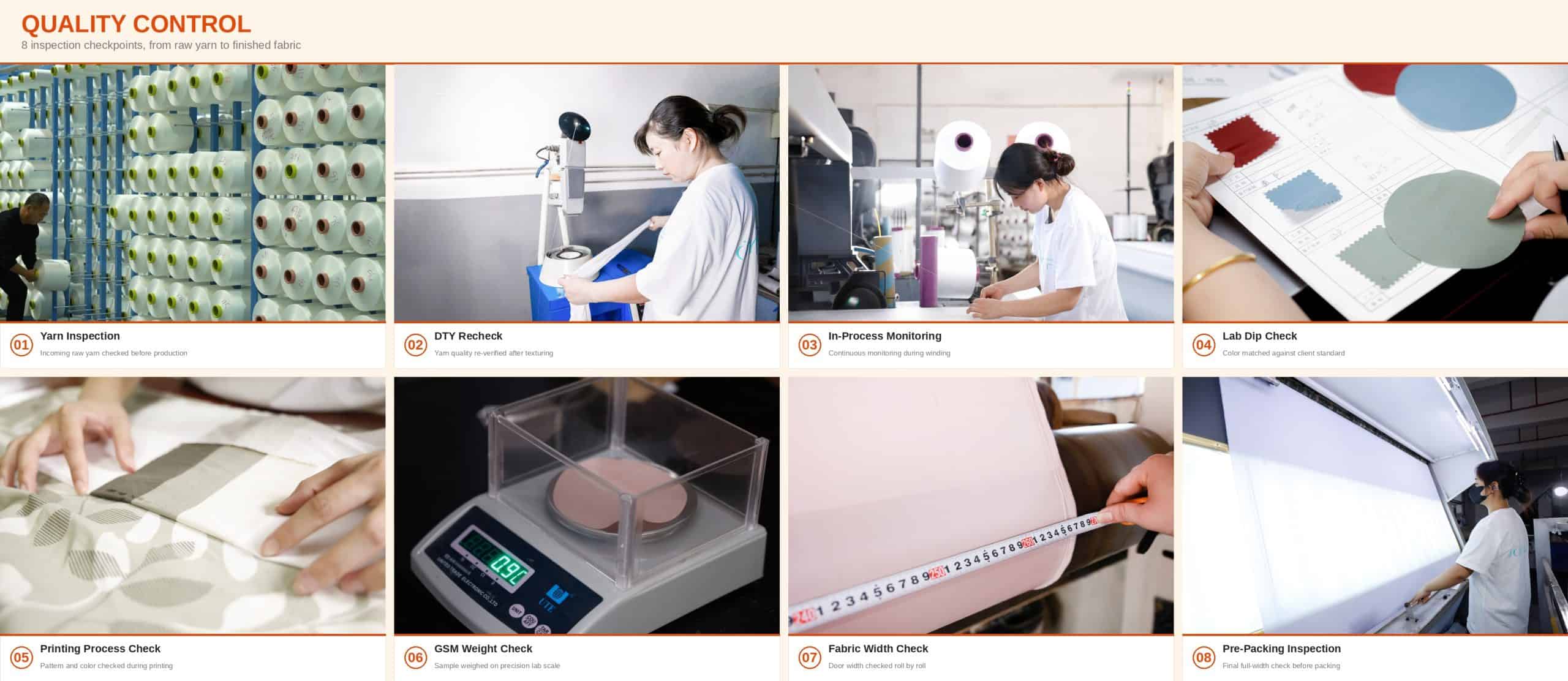
Inspection From Yarn to Finished Fabric
We do not rely on a single check at the end of production. Fabric is checked at the yarn stage, again after weaving as greige fabric, during brushing, dyeing or printing, and once more before packing. Each stage has a different risk, so checking only at the end would miss problems that are easier to catch earlier.
For repeat orders, we compare shade, handfeel and specifications against the previous shipment using the same checkpoints. This is how we keep quality consistent from one production run to the next.
Quality Support for Global B2B Buyers
Different markets may require different quality documents, testing items or packing standards. We can support sample confirmation, pre-shipment checking and quality documents according to the order requirement.
Available quality documents and testing support can be provided according to order requirements.
Sourcing an OEM program? OEM Quality Requirements Support
Need Stable Quality for Your Bedding Fabric Orders?
Tell us your fabric type, width, GSM, color, printing method, packing requirement and target market. Our team can help you choose a suitable production process and quality standard before bulk order.
 Portuguese
 English
 Arabic
 Spanish
 French
 Italian
 Vietnamese