

You see pigment dyeing work by applying color pigments to the surface of bedding fabrics. Binders hold these pigments in place, so the color stays on top rather than soaking into the fibers. Pigment dyed bedding often stands out for its bold colors and unique faded look. Many people choose this bedding because it keeps colors bright after washing, offers many patterns, and uses less water and energy. Some brands focus on eco-friendly practices and safe materials for your peace of mind.
Principais Conclusões
Pigment dyeing applies color to the surface of fabrics, keeping colors bright and vibrant after washing.
This method uses less water and energy compared to traditional dyeing, making it an eco-friendly choice.
Proper fabric preparation is crucial for achieving even color and a soft feel in pigment dyed bedding.
To maintain the color and quality of your bedding, always wash in cold water and use gentle detergents.
Pigment dyed bedding offers unique patterns and a vintage look, perfect for adding style to any bedroom.
Pigment Dyed Bedding Overview

What Is Pigment Dyeing
Pigment dyeing is a process where you add color to fabric by placing pigments on the surface. You do not let the color soak deep into the fibers. Instead, you use binders, which are special film-forming polymers, to hold the pigment in place. These binders act like glue, sticking the color to the fabric and making sure it stays put even after washing. The binder forms a thin film over the fabric, which helps the color last longer and look brighter.
When you choose pigment dyed bedding, you often notice bold colors and a soft, vintage look. The color sits on top of the fabric, so you may feel a slight difference in texture where the dye is applied. This happens because the binder creates a thin layer on the fabric. Many people like pigment dyed bedding because it can create unique patterns and effects that you cannot get with other dyeing methods.
Dica: Pigment dyed bedding often keeps its color well after washing, thanks to the curing process that sets the pigment and binder.
Surface vs. Fiber Dyeing
You might wonder how pigment dyeing compares to other methods. The main difference is where the color goes. In pigment dyeing, the color stays on the surface. In fiber dyeing, the color goes deep into the fibers before the fabric is even made. This leads to different looks and textures.
Here is a table to help you see the differences:
Característica | Pigment Dyed Bedding | Fiber Dyed Bedding |
|---|---|---|
Dyeing Method | Dyes sit on top of the fibers and are cured with heat. | Color is added to fibers before spinning into yarns. |
Resistência da Cor | Wash and lightfast due to curing process. | Varies based on fiber and dye used. |
Visual Effect | Colors are more uniform and can be vibrant. | Creates soft heathered effects due to varied color distribution. |
You will also notice a difference in how the bedding feels. Pigment dyed bedding may feel a bit different where the dye sits on the surface. Fiber dyed bedding feels the same all over because the color is inside the fibers.
Another way to compare pigment dyeing and traditional dyeing is by looking at the process and results:
Aspecto | Pigment Dyeing | Traditional Dyeing |
|---|---|---|
Dye Penetration | Only on the surface | Deep penetration into the fabric |
Resulting Appearance | Distressed and vintage look | Uniform coloring and durability |
Color Longevity | Fades over time, easy to remove | Long-lasting color saturation |
Process Complexity | Simpler, involves ionic bonding | More complex, requires thorough absorption |
Temperature Requirement | High temperature for dye setting | Varies, often lower than pigment dyeing |
When you pick pigment dyed bedding, you get a product with a special look and feel. The process uses less water and energy, and you can enjoy unique colors and patterns that stand out in your bedroom.
Pigment Dyeing Process

Fabric Preparation
You start the pigment dyeing process by choosing the right fabric. For the best results, select 100% cotton or viscose, including rayon and bamboo. These natural fabrics absorb pigment well and create a soft, comfortable feel for bedding.
Before you apply any pigment, you must prepare the fabric carefully. This step removes unwanted colors and impurities that can affect how the dye sticks. Here is a common sequence for preparing bedding fabrics:
Remove the natural yellow or grey color from the fabric.
Eliminate added impurities like knitting oil, spinning oil, rust, and dirt.
Get rid of natural impurities such as mineral matter, pectins, proteins, wax, and fat.
Make sure all hydroxyl groups are available for the dye reaction by maximizing impurity removal.
Stabilize harmful inorganic salts.
Demineralize mineral salts.
Improve absorbency and ensure the fabric takes up dye evenly.
Give the fabric proper whiteness if needed.
You may also see steps like singing, desizing, scouring, and bleaching. These treatments help the fabric become clean and ready for pigment dyeing. Neutralization, which uses acetic acid, prevents uneven dyeing and keeps the color consistent from batch to batch.
Nota: Proper preparation ensures that pigment dyed bedding has even color and a soft touch.
Pigment and Binder Application
Once the fabric is ready, you move on to applying the pigment and binder. The binder acts like glue, holding the pigment on the surface of the fabric. This is different from water-soluble dyes, which soak deep into the fibers. In pigment dyeing, the color stays on top, giving bedding its unique look.
You mix the pigment with a binder to get the right color and consistency. Some traditional methods use fresh soy milk as a binder. You stretch the fabric using special tools, then brush soy milk across it to stop the pigment from spreading. After that, you mix the pigment with more soy milk to make a thin paint and apply it to the fabric. This careful process helps you create crisp lines and vibrant colors.
Here is a simple step-by-step list for applying pigment and binder:
Prepare fresh soy milk by soaking and grinding soybeans.
Stretch the cloth using clamps and bamboo sticks.
Brush soy milk onto the fabric to control pigment flow.
Mix pigments with soy milk and apply to the fabric.
Let the fabric cure for at least three weeks before washing.
Modern factories often use advanced machines to apply pigments and binders evenly. They use strict quality control to make sure every batch of pigment dyed bedding looks and feels the same. New technologies, like digital pigment printing, help create sharp patterns and match colors perfectly.
Dica: The binder is key to making sure the color stays bright and does not wash out easily.
Fixing and Finishing
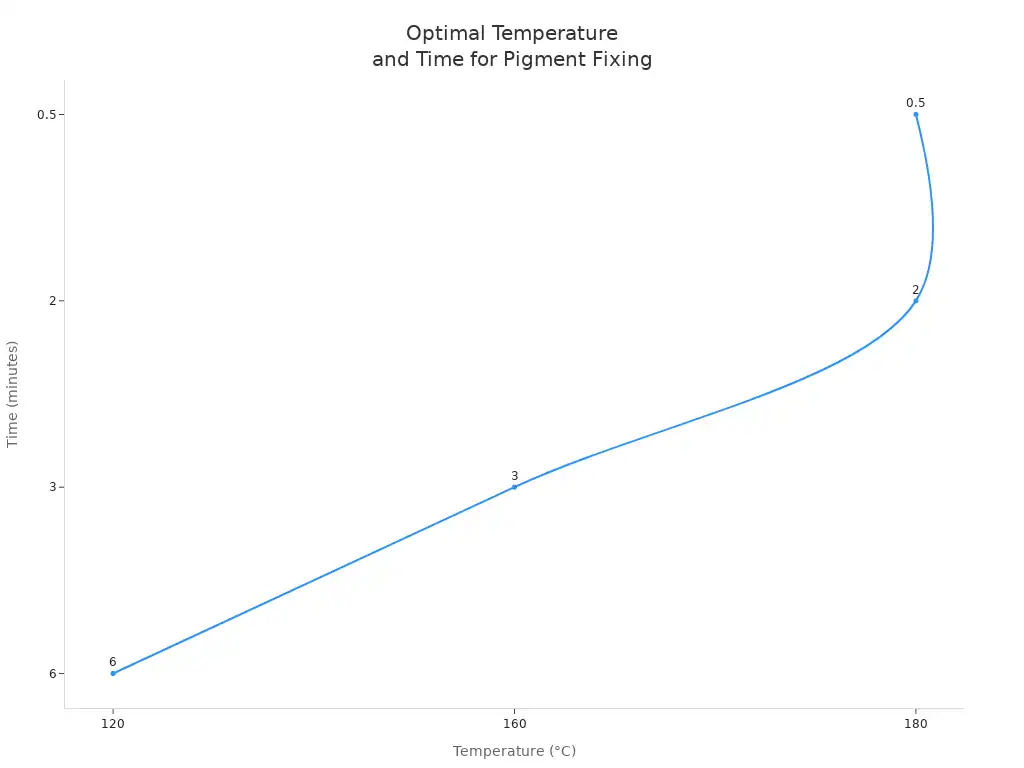
After you apply the pigment and binder, you need to fix the color so it lasts. This step uses heat or air to cure the pigment and make it stick firmly to the fabric. You can use different methods, depending on the tools you have:
Temperature (°C) | Time | |
|---|---|---|
Household Iron | Highest setting | 15-25 seconds/sq ft |
Fabric Ink Setting Heat Press | 180 | 30 seconds |
Commercial Tunnel Dryer | 120 | 6 minutes |
160 | 3 minutes | |
180 | 2 minutes |
You can also let the fabric air dry for 2-3 days or even up to two weeks for the best results. Commercial dryers should be set at a minimum of 250° for 45 minutes to ensure the pigment bonds well.
The finishing process makes a big difference in how your bedding feels and lasts. Special treatments can make the fabric softer, more durable, and resistant to wrinkles and stains. Softeners may add a thin film to the surface, which can make colors look deeper and improve the feel of the bedding.
Dyeing and finishing techniques also affect how long pigment dyed bedding keeps its color and how it handles daily use. Innovations like biological dyeing, hybrid pigments, and nano-engineered dyes help reduce water use, improve colorfastness, and make bedding more eco-friendly. Some new methods even use microalgae pigments for bright colors and extra benefits like UV protection.
Manufacturers use advanced technology and strict quality checks to make sure every piece of pigment dyed bedding has the same color and texture. This attention to detail gives you bedding that looks great and lasts a long time.
Nota: The right fixing and finishing steps help your bedding stay soft, colorful, and comfortable for years.
Pros and Cons
Benefits for Bedding
When you choose pigment dyed bedding, you get many advantages that make your bedding stand out. This method gives you a wide range of color choices. You can find soft pastels, deep blues, or even bold reds. The process lets you create unique shades and patterns that you might not see with other dyeing methods.
You enjoy versatility in color effects. Pigment dyeing helps you achieve special looks, like faded or vintage styles.
Your bedding stays bright and fresh after many washes. The color does not fade easily, so your sheets look new for longer.
You can find bedding with creative patterns and designs. The surface dyeing process makes it easy to add prints or artistic touches.
You help the environment. Pigment dyeing uses less water and energy than traditional dyeing methods.
Dica: If you want bedding that keeps its color and offers unique style, pigment dyed bedding is a smart choice.
Drawbacks and Colorfastness
You should also know about some drawbacks before you buy. Pigment dyeing puts color on the surface, so the fabric may feel a bit different where the dye sits. Sometimes, the color can rub off or fade in spots, especially if you wash the bedding often or use strong detergents.
The color may not last as long as fiber-dyed fabrics. Over time, you might see some fading or uneven spots.
The surface can feel less soft where the pigment and binder sit.
You need to follow care instructions closely. Gentle washing and mild detergents help keep the color bright.
Issue | What You Might Notice | How to Prevent It |
|---|---|---|
Desbotando | Lighter color after washes | Wash in cold water |
Texture Change | Slightly rougher surface | Use fabric softener |
Color Rub-Off | Color transfers to other items | Wash separately at first |
Nota: Always check the care label to keep your bedding looking its best.
Care and Uses
Caring for Pigment Dyed Bedding
You want your bedding to stay bright and soft for as long as possible. To do this, you should follow a few simple steps when washing and drying. Always wash your bedding in cold water. Cold water helps keep the color from fading or bleeding. Choose a gentle or delicate cycle on your washing machine. This reduces friction and protects the surface color. Use a mild detergent made for colors or delicate fabrics. Harsh detergents can strip away the pigment and make your bedding look dull.
Before you wash, sort your laundry to keep colors from mixing. Turn your sheets inside out to protect the outer fibers. Wash colored bedding separately from whites and heavy items. After washing, air-dry your bedding in the shade. Sunlight can cause colors to fade, so avoid drying in direct sun. If you use a dryer, pick a low heat setting to prevent damage.
Here is a quick checklist for caring for your bedding:
Use gentle, color-safe detergent.
Wash in cold or lukewarm water (under 30°C/86°F).
Select a gentle cycle.
Wash separately from heavy or white items.
Air-dry in the shade or use low heat in the dryer.
Dica: Following these steps helps your bedding keep its color and feel soft after every wash.
Common Applications
You see pigment dyed bedding in many places because of its style and practicality. Hotels often use warm colors to make family suites feel cozy. Spa resorts choose cool colors to help guests relax. Youth hostels pick bright colors to create an energetic space. Many hotels use bedding with rich colors to match their brand and make rooms look inviting. This helps guests remember their stay and feel the quality of the hotel.
At home, you can use this bedding to add a vintage or modern look to your bedroom. The wide range of colors and patterns lets you match any style. You can also find this bedding in vacation rentals, dorm rooms, and guest rooms. The easy care and bold colors make it a favorite for busy families and anyone who wants bedding that stands out.
You learned how pigment dyed bedding uses pigments and binders to create bright, long-lasting colors. The process includes mixing pigments, applying them to fabric, and fixing with heat. You get bedding that is soft, durable, and easy to care for. Colorfastness matters because it keeps your bedding looking fresh and prevents fading. Remember to wash in cool water and use gentle soap. If you want bedding with vibrant designs and simple care, this option fits your needs.
Perguntas Frequentes
Is pigment dyed bedding safe for sensitive skin?
You can use pigment dyed bedding safely. Most brands use non-toxic pigments and binders. Always check for certifications like OEKO-TEX. If you have allergies, wash new bedding before use.
Will the color fade after several washes?
You may notice some fading over time. Pigment dyed bedding holds color well if you wash it in cold water and use gentle detergent. Avoid harsh chemicals to keep colors bright.
Does pigment dyeing make bedding feel rough?
You might feel a slight difference where the pigment sits. Most bedding stays soft because manufacturers add special softeners during finishing. If you want extra softness, use a fabric softener when washing.
Is pigment dyed bedding eco-friendly?
You help the environment by choosing pigment dyed bedding. This process uses less water and energy than traditional dyeing. Many brands also use safe, low-impact pigments.
Dica: Always read care labels to keep your bedding looking and feeling its best.
Ver também
Comparando a Impressão em Painel e Digital para Roupa de Cama de Poliéster
 Portuguese
 English
 Arabic
 Spanish
 French
 Italian
 Vietnamese