
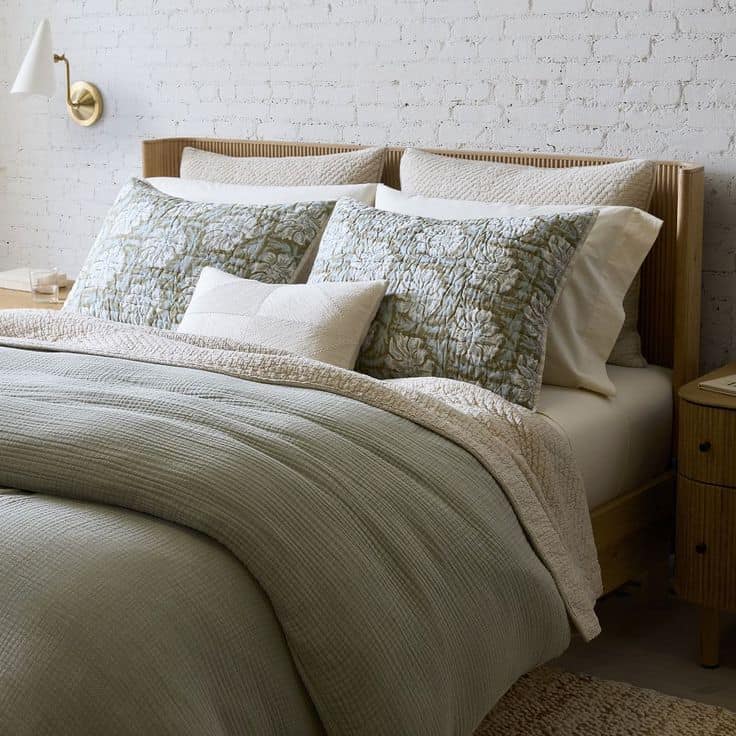
You may ask if microfiber polyester is safe for your family. New studies show eating polyester microfibers can harm animals. It can cause swelling and hurt their organs. Microplastics and chemicals are a big worry. If you want safer bedding, pick certified products. Buy from trusted brands like perfectextile.com.
Principais Conclusões
Poliéster de microfibra can let out tiny plastics and chemicals that might hurt your health. Pick certified products to lower these risks.
Washing microfiber things can make more tiny plastic pollution. Use liquid soap, wash with cold water, and try a microfiber filter.
Microfiber bedding feels soft and does not cause allergies for most people, but it can bother sensitive skin. Watch for any signs of allergies.
Escolha certified bedding from trusted brands like perfectextile.com. Certifications like OEKO-TEX show the bedding is safe from bad substances.
Natural fabrics like cotton and bamboo let air move better and might help stop skin problems more than synthetic microfiber.
Microfiber polyester overview
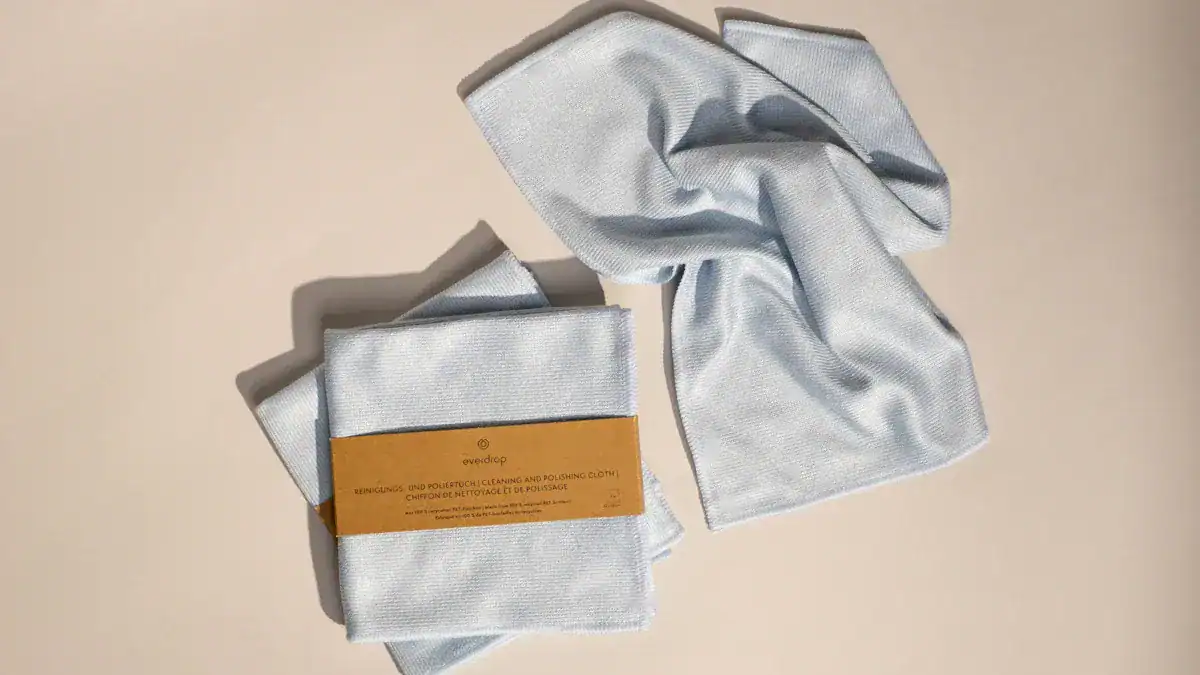
What is microfiber polyester?
You might ask how microfiber polyester is not like other fabrics. This material has very tiny fibers. Each fiber is thinner than silk. These fibers are less than one denier thick. That means they are much smaller than regular polyester fibers. Because of this, the fabric feels soft and smooth. Microfiber can be made from polyester, nylon, or both mixed together.
To make microfiber polyester, there are a few steps:
They heat the mix until it melts. Then, they push it through small holes called spinnerets to make filaments.
The filaments are put together and spun onto bobbins to store them.
Some ways use special spinning, like melt spinning or sheath-core spinning, to make the fibers even smaller.
Nota: The very fine fibers in microfiber polyester make the fabric soft, good at soaking up liquids, and great for cleaning.
Here is a table that shows how microfiber polyester and standard polyester are different:
Recurso | Poliéster Microfibra | Standard Polyester |
|---|---|---|
Fiber Size | Less than one denier | More than one denier |
Maciez | Extremely soft | Less soft |
Absorvência | Highly absorbent | Less absorbent |
Cleaning Effectiveness | Very effective | Menos eficaz |
Common uses
Polyester microfiber is in many things you use every day. Bedding like sheets and pillowcases often use this fabric. It feels soft and smooth on your skin. Many cleaning cloths use microfiber because it traps dust and dirt well. You also find it in clothes, towels, and furniture covers. Some sportswear brands use microfiber polyester because it pulls sweat away and dries fast. You might see this fabric in curtains and other home items because it is strong and easy to clean.
Microfiber health risks
Chemical exposure
You might worry about chemicals in microfiber polyester. Companies use different chemicals to make these fabrics soft and strong. Some of these chemicals can be bad for your health if you touch them a lot. Here is a table that lists some chemicals used in making microfiber and what they can do to your health:
Química | Use | Health Effects |
|---|---|---|
Antimony (Sb) | Flame retardants, biocides | Metal-estrogenic effects, breast cancer |
Aluminum (Al) | Stabilizers, pigments, flame retardants | Metal-estrogenic effects, breast cancer |
Zinc (Zn) | Heat stabilizers, pigments, anti-slip agents | Not available |
Bromine (Br) | Flame retardants | Apoptosis, genotoxicity |
Arsenic (As) | Biocides | Birth defects, cancer, gastrointestinal damage, death |
You use microfiber cloths and towels almost every day. These things can have small amounts of harmful chemicals. If your skin is sensitive, you could get itchy or red after using microfiber cleaning cloth or microfiber towels. Some chemicals, like PFAS, stay in the fabric and can get into your body through your skin. Polyester fabrics, including microfiber polyester, usually have more PFAS than nylon. Being around these chemicals for a long time can make you more likely to have health problems.
Microplastics and shedding
Microfiber cloths and towels lose tiny fibers when you wash or use them. These tiny fibers are called microplastics. Washing microfiber cleaning cloth or microfiber towels puts more microplastics into water and air. Studies say recycled polyester lets out more microplastics than new polyester. You might see more tiny fibers in your laundry if you use recycled fabrics.
Here are some things scientists found:
Polyester makes fewer microplastics than acrylic.
Recycled polyester lets out more microplastics than new polyester.
Polyester has more PFAS than nylon.
Many scientists have studied how washing at home causes microfiber pollution. They found that the size of your laundry, how much water you use, and what soap you use can change how many microfibers come out. Microfiber pollution does not only happen in the wash. You can also breathe in tiny fibers from microfiber cloths and towels. Breathing in these fibers can make your lungs swell. People who work with textiles and breathe in these fibers can get lung problems and scars. If you breathe in microplastics for a long time, you could get asthma, bronchitis, or even diseases where your body attacks itself.
“The dots are already there, and it doesn’t take much imagination to connect them,” says Sherri Mason, a chemistry professor who studies plastic pollution in water.
Microfiber cleaning cloth and towels add to microplastic pollution in rivers and oceans. Microfibers can soak up and release bad chemicals like BPA, which can hurt the brain and prostate in kids. You should think about the health risks of microfiber, especially if you use these products every day.
Allergies and sensitivities
You might wonder if microfiber polyester can cause allergies. Polyester is not known to cause allergies by itself. But the chemicals and dyes in microfiber cloths and towels can make some people have allergic reactions. You could get itchy skin, redness, or rashes after using microfiber cleaning cloth or towels. People with sensitive skin or skin problems are more likely to have allergies from microfiber.
Here is a table that shows how different bedding materials compare for allergies and sensitivities:
Material | Resistência a Ácaros | Propriedades hipoalergênicas | Additional Treatments Required |
|---|---|---|---|
Microfibra | Natural resistance | Superior | Não |
Poliéster | Basic resistance | Basic | Sim |
Microfiber cloths and towels are good at keeping away dust mites. They are often better for allergies than regular polyester. You do not need to add anything extra to make microfiber cleaning cloth hypoallergenic. If you have allergies, using microfiber towels and cloths at home can help you.
Microfiber health risks include chemical exposure, microplastics, and allergies. You should learn about how microfiber polyester and microfiber pollution can affect your health. Knowing about the dangers of breathing in microfibers and microplastic pollution helps you make safer choices for your family and your health.
Impact on human health
Inhalation and ingestion
You spend lots of time inside your house. Microfibers float in the air and land on things. When you breathe, you can take in these tiny fibers. Indoor air has more microfibers than outdoor air. Scientists in Chennai, India, found more microfibers inside than outside. This means you get more exposure at home, especially with microfiber bedding or cleaning cloths.
Scientists have checked how much microplastics are in indoor air. The amount you breathe is less than what lab tests use. Experts say we need more studies to know the real risks. Breathing in and swallowing are the main ways microfibers get into your body. Indoor dust has lots of microplastics. This is a bigger risk for babies. Babies put hands and things in their mouths, so they can swallow more microfibers from dust.
Here are some health problems linked to breathing in or eating microplastics and microfibers:
Microfibers can block your digestive system because of their shape.
Microplastics smaller than 20 micrometers can move into organs like your liver, brain, and placenta.
Eating fish or shellfish with microfibers inside may hurt your health.
Breathing in microfibers can cause swelling, asthma, and bronchitis.
Microfibers can soak up bad chemicals like BPA, which may affect brain and prostate growth in kids.
Being around microfibers for a long time can cause byssinosis and other lung diseases, especially for textile workers.
About 35.6% of textile workers get byssinosis from high microfiber exposure.
Microfibers can carry bad chemicals and germs, which may hurt your lungs and stomach.
Scientists have found microplastics in human poop and even in blood. This shows that microfibers from bedding, dust, and air can get into your body and may cause health problems over time.
Note: The amount of microfibers you breathe from the environment is less than what scientists use in lab tests. We still need more research to really know how microplastics affect people.
Skin reactions
You might see skin problems after using microfiber polyester bedding or cleaning items. Some people get irritation, redness, dryness, itching, swelling, or even blisters. You might notice rashes where your skin touches polyester, feel sore, or notice your skin feels hot. Sometimes, you may get red marks, hives, or bright red hands. Itching can be mild or very strong.
Itchy rash
Red bumps
Blisters
Red skin patches
Microfiber’s very smooth surface often feels gentle on sensitive skin. Fewer rough fibers mean less irritation for people with eczema or similar skin problems. But microfiber does not let air pass as well as cotton. This can trap skin oils and sweat, which may help acne bacteria grow.
Microfiber is a great choice because it is soft, light, hypoallergenic, and warm. All these things make a fabric that feels nice on your skin and does not cause irritation.
Most people think microfiber bedding feels comfy and soothing. If you have sensitive skin, watch for any signs of irritation and pick certified products to lower your risk.
Polyester microfiber vs. other fabrics
Natural vs. synthetic
Bedding can be made from natural or synthetic fabrics. Cotton and bamboo are natural fabrics. They feel soft and let air move through. You sweat less and stay cooler with them. Synthetic fabrics like microfiber polyester act differently. They hold in moisture and do not let air pass well. This can make you feel hot and sweaty at night.
Microfiber bedding feels smooth and light. It keeps away dust mites and allergens. This helps people with allergies. But synthetic fabrics can keep bacteria and moisture. This might cause skin problems or body odor. Microfibers can let out chemicals like phthalates and formaldehyde. These chemicals can make asthma and allergies worse for some people.
Natural fabrics let air pass and soak up sweat. This lowers your chance of rashes.
Synthetic fabrics like microfiber polyester hold moisture and bacteria. This can cause skin problems.
Microfiber can let out chemicals that may hurt your health, especially if you have asthma or allergies.
Health comparisons
You want bedding that feels nice and keeps you healthy. Microfiber sheets are soft and warm. But they do not let air pass as well as cotton or bamboo. Microfiber bedding can sometimes bother your skin. You might see redness or itching if your skin is sensitive. Cotton and bamboo bedding almost never cause these problems.
Here is a table that compares health risks for common bedding fabrics:
Tipo de Tecido | Cancer Risk | Skin Irritation | Respirabilidade | Chemical Additives Concerns |
|---|---|---|---|---|
Não | Sim | Baixo | Sim | |
Algodão | Não | Baixo | Alto | Baixo |
Bambu | Não | Baixo | Alto | Baixo |
Microfiber bedding sheds tiny fibers when you wash it. These fibers can get into the air and water. You might breathe in microfibers or touch them with your skin. Scientists say cotton sheds more fibers, but they break down faster and do less harm to nature. Synthetic microfibers last longer and can hurt fish and other animals.
The findings show that cotton sheds more fibers, but they break down much faster and do less harm to nature than polyester. Synthetic fibers last longer and can hurt animals in water.
If you want safe and eco-friendly bedding, buy from trusted brands. Perfectextile.com sells certified microfiber bedding and sheets. Their products meet OEKO-TEX 100 and GRS standards. You get good bedding that is safe for people and the planet.
Minimizing microfiber health risks
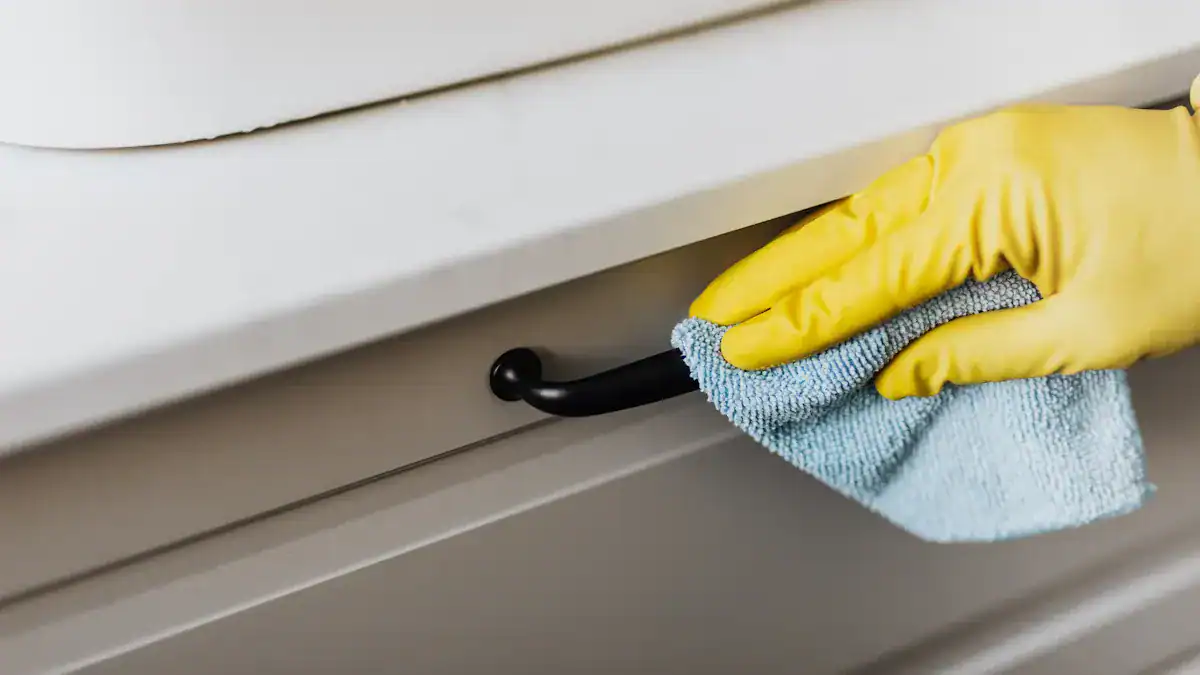
Washing and care tips
You can make microfiber bedding and clothes safer by washing them the right way. Experts say small changes in how you do laundry can help stop microplastic pollution. Use liquid nonionic detergents, not powders or salts. Wash your items in cold or cool water to keep fibers from coming off. Set your washing machine to a slow speed and do not use strong spinning. Do not put too many clothes in the washer at once. Washing too many things together makes more microfibers come out.
Here is a table with some easy washing tips:
Washing Parameter | Recommendation |
|---|---|
Detergent Type | Use liquid nonionic detergents |
Washing Temperature | Wash at lower temperatures |
Washing Speed | Reduce rotational speed and agitation |
Garment Volume | Do not overload the washing machine |
Finishing Techniques | Choose fabrics with special finishing to limit microfiber shedding |
You can add a filter to your washing machine to catch microfibers before they go into the water. Filters like Filtrol Filter and Lint LUV-R Filter can trap up to 74% of microfibers. The Guppyfriend Bag helps microfibers stick together so you can throw them away. Dryers can make more microfibers, so it is better to let your bedding and clothes air-dry.
Tip: Always read and follow the care labels on your microfiber bedding and clothes. This keeps them safe and helps you avoid more microfibers.
Choosing certified products
When you buy microfiber bedding or clothes, look for certified products. Certifications mean the fabric is tested and does not have harmful chemicals. OEKO-TEX means the fabric is safe for people and does not have dangerous chemicals. GOTS means the product is made with care for the environment and workers.
Certificação | Descrição |
|---|---|
OEKO-TEX | Textiles are free from harmful substances and safe for human health |
GOTS | Organic textiles meet environmental and social criteria |
Certified products help keep you safe from bad chemicals and microfibers. You can trust these items are better for your family.
perfectextile.com solutions
Perfectextile.com has safe and easy-to-care-for microfiber bedding. Their bleached polyester microfiber bedding is hypoallergenic, so it helps keep away dust mites and allergens. This is good for people with allergies. The fabric dries fast and is simple to take care of. Perfectextile.com uses recycled microfiber to help cut down on waste. They also make new bio-based synthetic fibers and use ways of making fabric that are better for the planet. Better ways of making the bedding help stop microplastic shedding when you wash it.
Hypoallergenic bedding keeps away dust mites and allergens.
The fabric is easy to care for and dries quickly.
Using recycled materials helps stop waste and microplastic pollution.
New ways of making bedding help the environment and lower microfiber exposure.
You can pick perfectextile.com if you want safe, high-quality microfiber bedding that is good for your health and the earth.
Microfiber polyester bedding can let out tiny fibers. It may also have chemicals that you touch or breathe in. Health experts say breathing or eating these fibers can hurt your lungs and organs.
The tiniest microplastic pieces can get into your blood, brain, and other important organs.
You can lower your risk by doing these things:
Wash your bedding less often and use a filter that catches microfibers.
Pick bedding made from natural fibers when you can.
Clean your house often to get rid of dust and fibers.
Aspecto | Poliéster Microfibra | Natural Bedding |
|---|---|---|
Conforto | Keeps heat in | Lets air move through |
Durabilidade | Lasts a long time | Can last shorter or longer |
Makes microplastic pollution | Better for the planet |
Buy certified bedding from brands you trust, like perfectextile.com, to keep your family safe and comfy. Microfiber polyester is useful, but good habits and smart choices help a lot.
Perguntas Frequentes
Is microfiber polyester safe for children?
You can use microfiber polyester for kids. Certified products from perfectextile.com are safe. Always look for OEKO-TEX or similar labels. These labels mean the fabric does not have bad chemicals.
Can microfiber bedding cause allergies?
Most people are not allergic to microfiber. If your skin is sensitive, dyes or chemicals might bother you. Pick hypoallergenic and certified bedding to lower your risk.
How do I reduce microplastic pollution from washing microfiber?
You can use a filter in your washing machine or a Guppyfriend bag. Wash with cold water and use liquid soap. Let your bedding air-dry if you can. These steps help keep microfibers out of water and air.
Does microfiber polyester feel hot at night?
Microfiber polyester holds in heat. You might feel warm when you sleep. If you want to feel cooler, try cotton or bamboo.
What certifications should I look for in safe microfiber products?
Look for OEKO-TEX 100 and GRS labels. These show the product is tested for bad substances and meets safety rules.
Ver também
Escolhendo Entre Lençóis de Microfibra e Poliéster Para Conforto
Comparando Impressão em Painel e Impressão Digital para Tecidos de Cama
 Portuguese
 English
 Arabic
 Spanish
 French
 Italian
 Vietnamese