
As a textile merchant, you know that the bedding market is constantly evolving, with customers becoming increasingly discerning about their sleep experiences. One material that’s revolutionizing the bedding industry is microfiber, and its exceptional softness is more than just a luxury—it’s a game-changer in the world of bedding. Today, I’m diving deep into why the softness of microfiber matters and how it can benefit both your business and your customers.
The Science Behind Microfiber’s Remarkable Softness
When I first encountered microfiber bedding, I was amazed by its silk-like touch. But what exactly creates this incredible softness? Microfiber is crafted from incredibly fine synthetic fibers, each thinner than one denier—that’s finer than a strand of silk. These ultra-thin fibers are woven together to create a fabric that’s not just soft but also remarkably durable.
Picture this: while a human hair is about 100 micrometers in diameter, a microfiber strand is typically less than 10 micrometers thick. This microscopic size allows manufacturers to pack more fibers into each square inch of fabric, creating a surface that’s exceptionally smooth and gentle against the skin.
Microfiber vs. Cotton: A Textile Merchant’s Perspective
Let’s address one of the most common questions I hear from retailers: How does microfiber compare to traditional cotton? Here’s a detailed breakdown:
| Recurso | Microfibra | Algodão |
|---|---|---|
| Initial Softness | Immediate plush feel | Becomes softer with washing |
| Durabilidade | Highly resistant to wear | Can thin over time |
| Manutenção | Easy care, quick drying | Requires more careful handling |
| Custo | Generally more affordable | Varies by quality grade |
| Peso | Leve | Medium to heavy |
| Absorção de Umidade | Excelente | Good to excellent |
The Hidden Benefits of Microfiber’s Softness
Beyond the obvious comfort factor, microfiber’s softness contributes to several practical benefits that your customers will appreciate:
1. Superior Sleep Experience
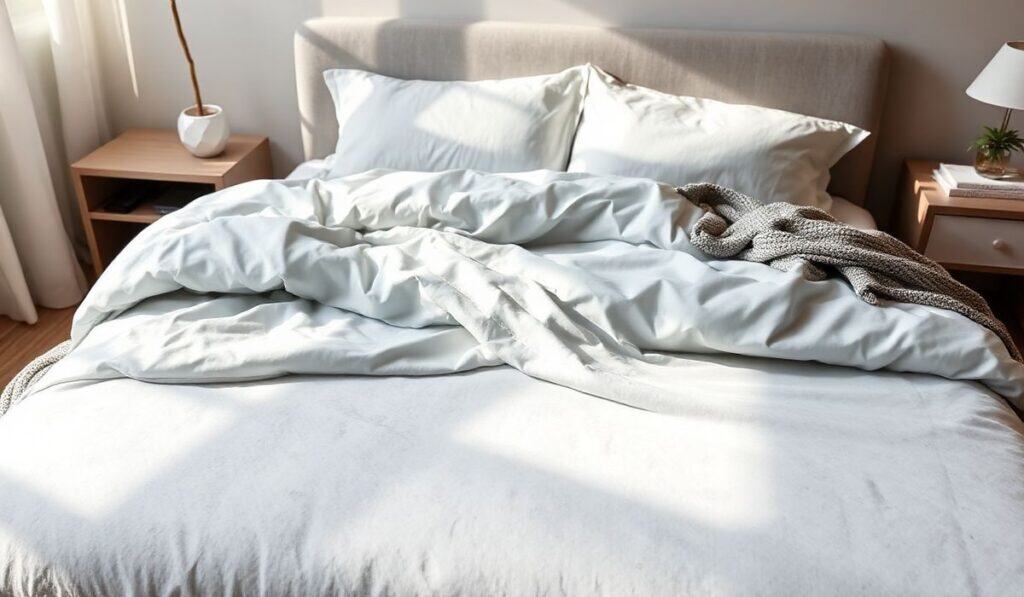
The ultra-soft surface of microfiber bedding reduces friction against the skin, helping prevent those annoying sleep wrinkles we sometimes wake up with. I’ve found that customers report feeling less disturbed by fabric texture when tossing and turning at night.
2. Hypoallergenic Properties
The tight weave of microfiber’s soft fibers creates a barrier that dust mites and allergens struggle to penetrate. This makes it an excellent choice for customers with sensitive skin or allergies. In my experience, this is often a deciding factor for health-conscious buyers.
3. Temperature Regulation
Despite its plush feel, quality microfiber bedding is surprisingly breathable. The fine fibers allow air to circulate while wicking away moisture, helping regulate body temperature throughout the night.
Caring for Microfiber: Maintaining that Cloud-Like Softness
One of microfiber’s most appealing qualities for merchants and consumers alike is its easy care routine. Here’s what I recommend to customers to maintain that signature softness:
- Wash in warm (not hot) water
- Avoid fabric softeners, which can create buildup
- Dry on low heat to prevent static
- Separate from items with hooks or rough surfaces
- Store in a cool, dry place
The Cost-Benefit Analysis
As a textile merchant, you’ll appreciate that microfiber offers an excellent value proposition. While premium cotton bedding can command high prices, microfiber provides comparable comfort at a more accessible price point. This allows you to:
- Offer competitive pricing
- Maintain healthy profit margins
- Appeal to budget-conscious consumers
- Provide luxury-feel products at mid-range prices
Environmental Considerations and Modern Solutions
While traditional microfiber has faced some environmental scrutiny, the industry has responded with innovative eco-friendly options. I’ve seen remarkable advances in:
- Recycled microfiber materials
- Bio-based synthetic fibers
- Low-impact manufacturing processes
- Reduced microplastic shedding through improved construction
Making the Sale: Highlighting Microfiber’s Unique Selling Points
When presenting microfiber bedding to customers, focus on these key aspects:
Immediate Gratification
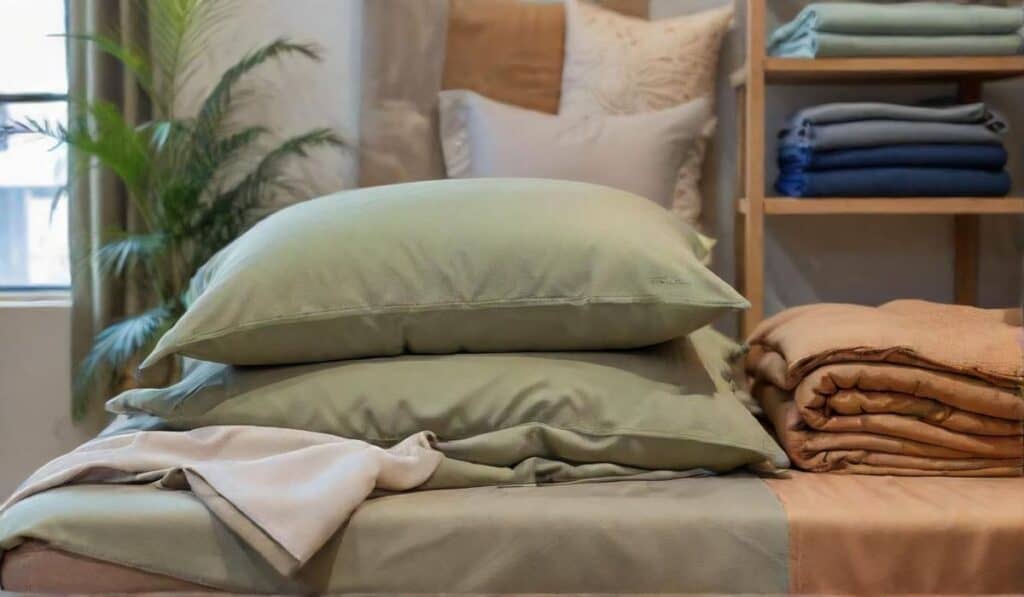
Unlike cotton, which often requires multiple washes to reach peak softness, microfiber offers instant comfort. Let customers feel the difference in your showroom—the tactile experience often seals the deal.
Practical Benefits
Emphasize the practical advantages: stain resistance, wrinkle resistance, and quick drying time. These features resonate with busy consumers looking for low-maintenance solutions.
Value Proposition
Position microfiber as a smart investment, offering luxury-level comfort with superior durability and easier maintenance at a competitive price point.
The Future of Microfiber Bedding
The microfiber industry continues to innovate, with new developments emerging regularly. Keep an eye on:
- Advanced fiber technologies
- Sustainable manufacturing processes
- Enhanced durability features
- Smart fabric integrations
Conclusion: The Soft Sell
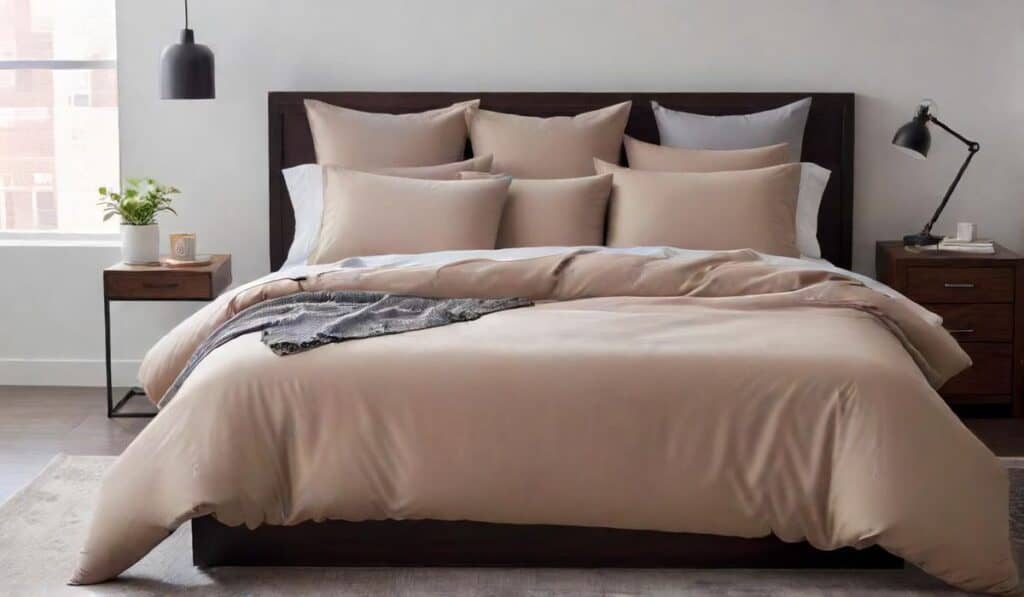
The softness of microfiber isn’t just a feature—it’s a gateway to better sleep, easier care, and satisfied customers. As a textile merchant, understanding and effectively communicating these benefits can help you build a loyal customer base and grow your bedding business.
Ready to expand your bedding inventory with high-quality microfiber options? Consider starting with a diverse range of products that showcase microfiber’s versatility, from basic sheet sets to luxury duvet covers. Your customers will thank you for introducing them to the cloud-like comfort of modern microfiber bedding.
 Portuguese
 English
 Arabic
 Spanish
 French
 Italian
 Vietnamese