
Printed Microfiber Fabric for Bedding Production
Custom printed microfiber fabric for bed sheets, duvet covers, pillowcases, comforter shells and bedding set production.
Perfectextile supplies printed microfiber fabric rolls in pigment, nano, disperse, digital and 5D digital printing options. We help bedding buyers choose the right printing method based on color depth, color fastness requirement, hand feel, MOQ and target market.
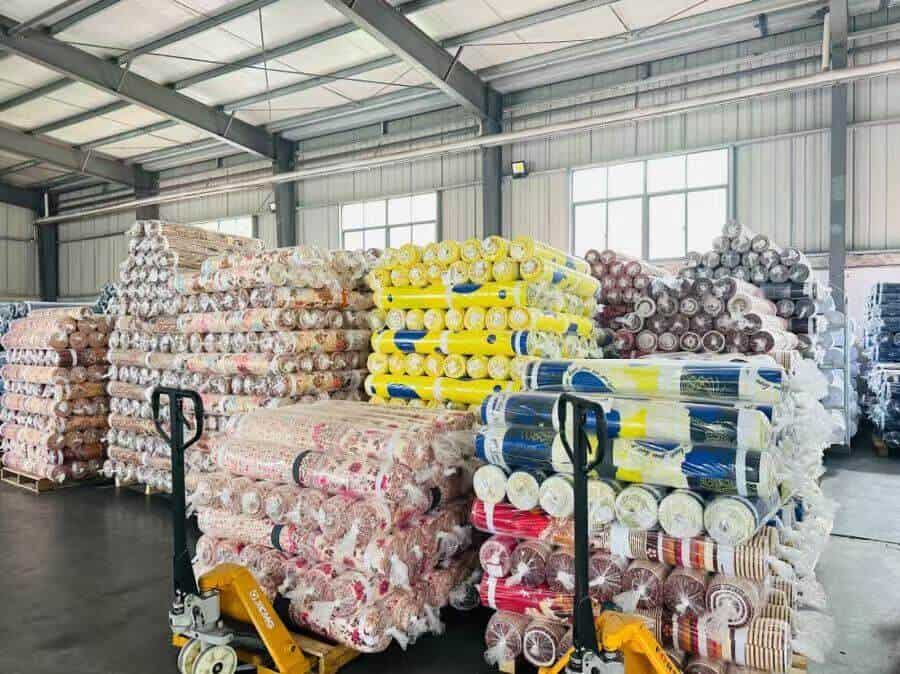
What Is Printed Microfiber Fabric?
Printed microfiber fabric is a 100% polyester microfiber fabric with printed patterns developed for bedding and home textile production. It is commonly used for sheets, duvet covers, pillowcases, comforter shells and bedding sets.
For fabric importers and bedding manufacturers, the key is not only the pattern. Buyers also need stable fabric width, GSM, hand feel, pattern clarity, color fastness and repeatable bulk production. With years of production experience, we know that a good-looking strike-off sample is not enough — the real test is whether bulk rolls can repeat the same color, pattern clarity and hand feel batch after batch.
If you're comparing printed fabric to other finishes, our dyed microfiber fabric, vải da đào, embossed microfiber fabric và jacquard microfiber fabric pages cover the other construction options in our microfiber bedding fabric collection.
We supply printed microfiber fabric in rolls for bedding manufacturers, wholesalers, importers, and home textile factories. This is a fabric supply page, not a finished bedding retail page.
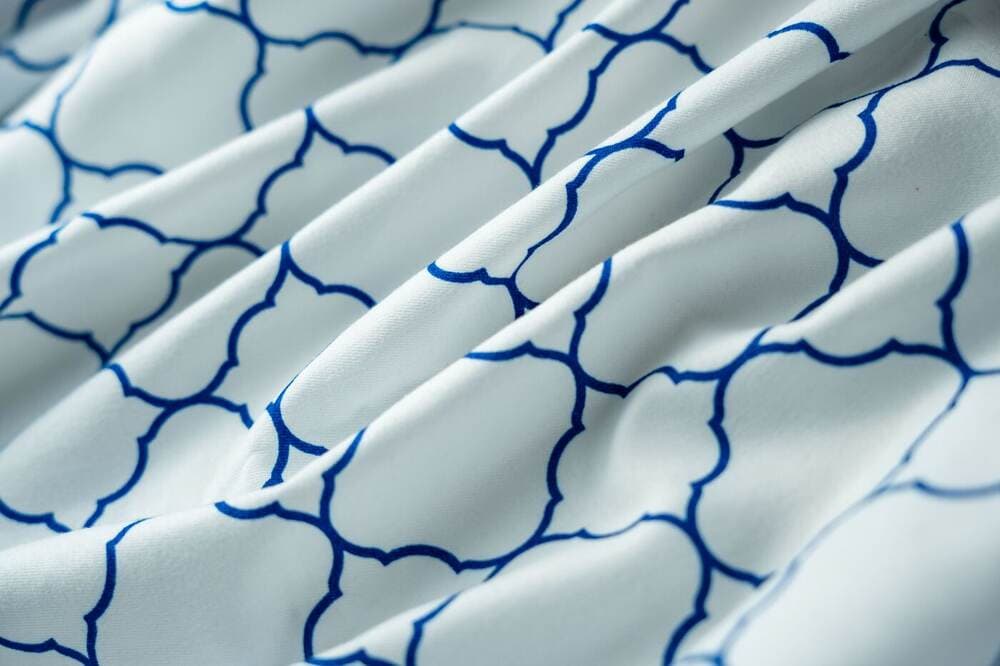
Printing Options for Printed Microfiber Fabric
Different printing methods perform differently in color fastness, hand feel, color depth, cost, MOQ and pattern flexibility. We help buyers choose a suitable printing process according to fabric quality level and target market.
| Printing Method | Độ bền màu | Hand Feel | Suitable Colors | Process Level | Tốt nhất cho |
|---|---|---|---|---|---|
| Pigment Printing | Basic | Slight surface coating feel | Light colors | Entry level | Cost-sensitive light-color prints |
| Nano Printing | Better than pigment printing | Softer than pigment printing | Light and deep colors | Upgraded process with high-temperature steaming | Deep-color printed bedding fabric |
| Disperse Printing | Mạnh | Soft after steaming and washing | Light and deep colors | Higher rotary screen printing process | Printed bedding fabric with higher color fastness requirement |
| Digital Printing | Tốt | Soft | Unlimited colors | Flexible custom process | No strict MOQ, custom patterns, bright colors |
| 5D Digital Printing | Tốt | Soft with stronger visual effect | Unlimited colors | Digital visual effect | Vivid and dimensional bedding patterns |
Pigment printing is suitable for light-color and economical printed fabric. Nano printing is Perfectextile's upgraded process with better color fastness than pigment printing, especially for deeper colors. Disperse printing includes steaming and washing, which helps remove floating color from the fabric surface and gives the fabric a softer hand feel.
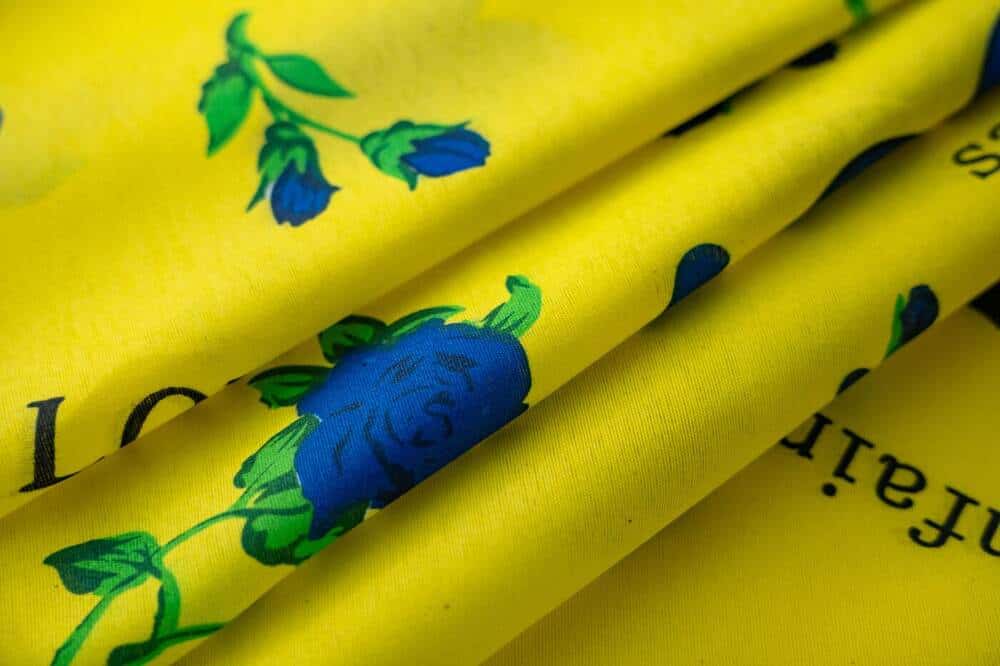
Pigment Printed Microfiber Fabric
Pigment printing is the entry-level printing method for polyester microfiber fabric. The pigment sits on the fabric surface rather than bonding into the fiber, which is why we always tell buyers upfront: this is the economical option, not the high color-fastness option.
It works well for light-color patterns and cost-sensitive bedding fabric programs. Surface color rubbing may be more noticeable, especially on deep colors. We normally explain this risk before production, especially when buyers request dark pigment prints.
- Economical printing option
- Suitable for light-color printed fabric
- Good for price-sensitive markets
- Suitable for simple repeated patterns
- Efficient for basic printed bedding fabric programs
- Light-color printed bedding fabric
- Economical printed microfiber fabric
- Promotional bedding fabric orders
- Cost-sensitive fabric programs
- Simple pattern programs
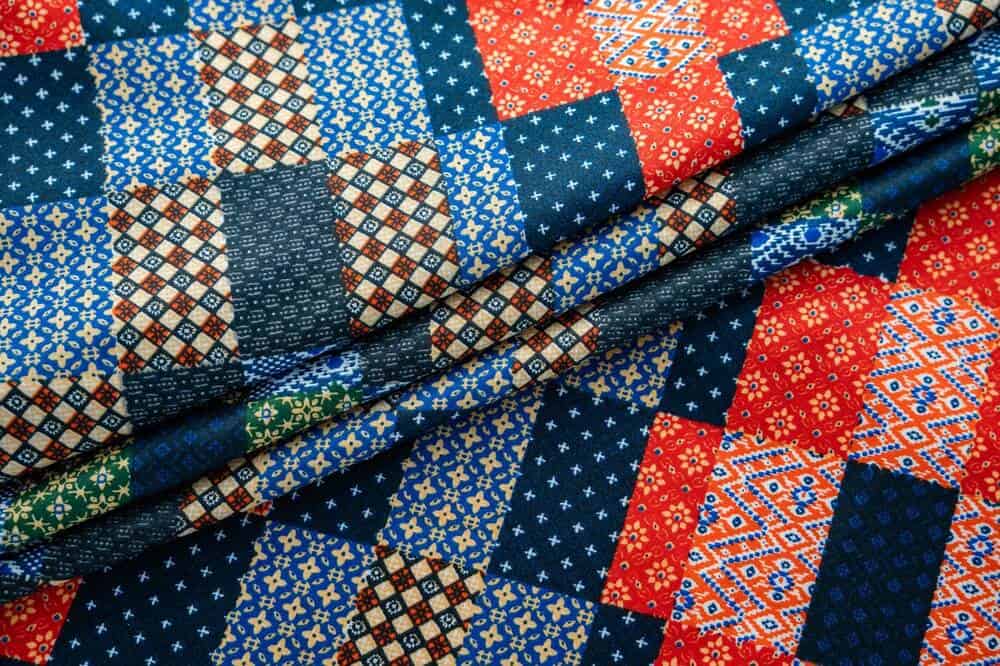
Nano Printed Microfiber Fabric
Nano printing is one of Perfectextile's key printing solutions for deep-color printed microfiber fabric. Compared with pigment printing, it includes an additional high-temperature steaming process, which helps improve color bonding and reduce surface color rubbing.
For many deep-color bedding fabric orders, we recommend nano printing instead of pigment printing. The fabric is less likely to fade under normal washing conditions, and buyers who've had trouble with pigment printing on navy, black or deep red patterns usually move to nano printing once they see the difference on a sample.
It sits in the middle of our printing lineup — better color fastness than pigment printing, without the extra steps that disperse printing adds.
- Better color fastness than pigment printing
- Suitable for deep-color printed fabric
- Less color rubbing on the fabric surface
- Better hot water washing performance
- Softer hand feel than normal pigment printing
- Good balance between cost and quality
- Suitable for export bedding fabric programs
- Deep-color printed microfiber fabric
- Printed bedding fabric with better color fastness
- Bedding sets and duvet covers
- Mid-to-high home textile fabric programs
- Buyers who need better quality than pigment printing
- Markets that require improved washing performance
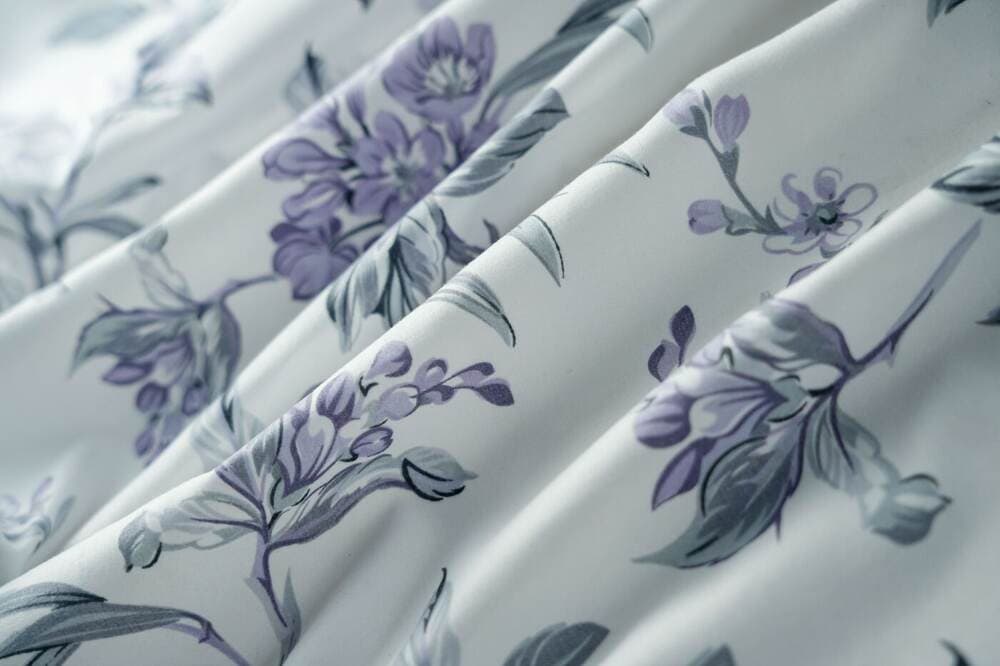
Disperse Printed Microfiber Fabric
Disperse printing is a higher-level rotary screen printing process for polyester microfiber fabric. It includes high-temperature steaming and washing, which helps remove floating color from the fabric surface and improve washing performance.
The washing step is the main difference. It helps remove loose surface color that can remain after lower-level printing processes. Less floating color means less rubbing and less risk of a customer complaint six months after the fabric ships.
The steaming and washing also leave the fabric noticeably softer to the hand. For buyers with a real color-fastness requirement written into their spec sheet, this is usually where we point them.
- Stronger color fastness than pigment and nano printing
- Additional steaming and washing process
- Surface floating color is washed away
- Very low risk of color rubbing
- Very soft hand feel after steaming and washing
- Suitable for both light and deep colors
- Ideal for high-quality printed bedding fabric orders
- High-quality printed microfiber fabric
- Higher-quality printed bedding fabric programs
- Deep-color printed bedding fabric
- Duvet covers, sheets, pillowcases, and bedding sets
- Buyers who care about color fastness and soft hand feel
- Long-term B2B fabric supply programs
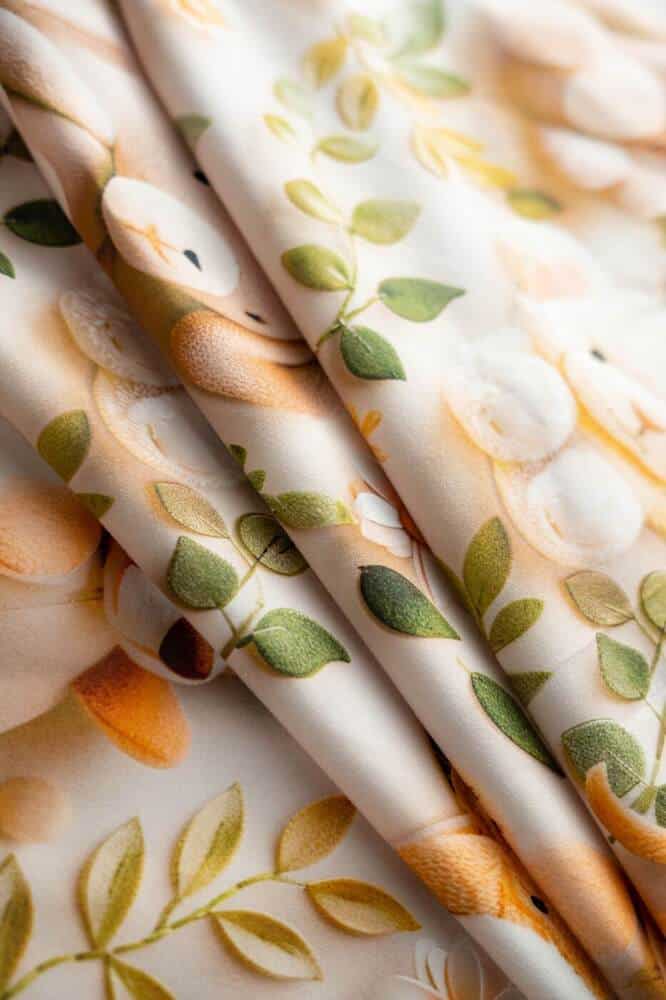
Digital Printed Microfiber Fabric
Digital printing skips the rotary screen development stage entirely, so there's no strict MOQ requirement. If a buyer wants to test a new pattern or run a small batch before committing to bulk, this is usually the fastest route.
Colors come out bright and patterns can be as complex as the artwork allows, since we're not limited by screen count. It's the option we recommend most often to bedding brands and wholesalers who are still testing which designs will actually sell.
- No strict MOQ requirement
- Bright and vivid colors
- Suitable for almost any pattern
- Good for small-batch customization
- Fast sampling and design development
- No need for screen opening
- Suitable for complex patterns
- Custom printed microfiber fabric
- New pattern development
- Small trial orders
- Seasonal bedding collections
- Floral, geometric, kids, abstract, and complex designs
- Buyers who need flexible design testing
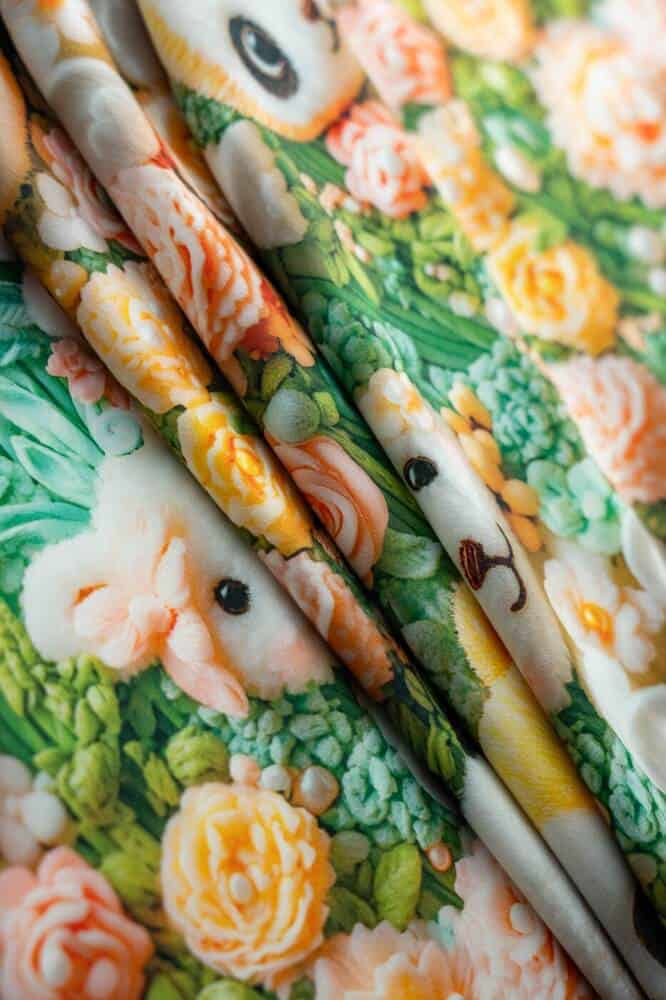
5D Digital Printed Microfiber Fabric
5D digital printing gives the pattern a stronger visual depth and more vivid appearance than standard digital printing. The layering effect makes floral and decorative patterns look more realistic up close.
It's suitable for buyers who want eye-catching printed bedding collections, such as floral, kids, decorative or seasonal designs, where the pattern itself is doing a lot of the selling on the shelf or online listing.
- More vivid visual effect
- Stronger three-dimensional pattern appearance
- Bright colors
- Suitable for complex and detailed designs
- Good for differentiated bedding collections
- No strict MOQ requirement
- Suitable for eye-catching visual presentation
- Eye-catching printed bedding fabric
- 3D / 5D visual pattern fabric
- Decorative bedding collections
- Floral and seasonal prints
- Custom home textile fabric programs
- Differentiated bedding fabric collections
How to Choose the Right Printing Method
For Light-Color and Cost-Sensitive Prints
Choose pigment printing if your order focuses on light colors, simple patterns, and economical pricing.
For Deep Colors and Better Color Fastness
Choose Perfectextile nano printing if you need deeper colors, better washing performance, and better color fastness than pigment printing.
For Higher Color Fastness and Softer Hand Feel
Choose disperse printing if you need stronger color fastness, a softer hand feel after steaming and washing, and stable long-term printed bedding fabric quality.
Not sure which printing method fits your project?
Send us your fabric width, gsm, pattern file, color requirement, and target market. Our team can recommend the most suitable printed microfiber fabric solution.
Ask for Printing RecommendationPrinted Microfiber Fabric Specifications
| Product Name | Printed Microfiber Fabric |
| Chất liệu | 100% Polyester Microfiber |
| Xây dựng | Plain / Twill |
| Loại vải | Brushed Microfiber / Peach Skin Feel |
| Chiều rộng | 220–280 cm |
| Cân nặng | 65–135 gsm |
| Printing Methods | Pigment, Nano, Disperse, Digital, 5D Digital Printing |
| Mẫu | Floral, Geometric, Stripe, Dot, Abstract, Kids, Seasonal, Custom Design |
| Color | Custom Color Matching Available |
| Finish | Soft Brushed, Smooth Touch, Bedding Fabric Finish |
| Ứng dụng | Sheets, Duvet Covers, Pillowcases, Comforter Shells, Bedding Sets |
| Supply Form | Fabric Rolls |
| Buyer Type | Importers, Wholesalers, Bedding Manufacturers, Home Textile Brands |
| Custom Service | OEM / ODM Printing Support |
| Sample | Lab Dip / Strike-Off Sample / Hand Sample Available |
Printed Fabric Patterns for Different Bedding Markets
We support a wide range of printed microfiber fabric patterns for different countries, seasons, customer groups, and bedding product lines.
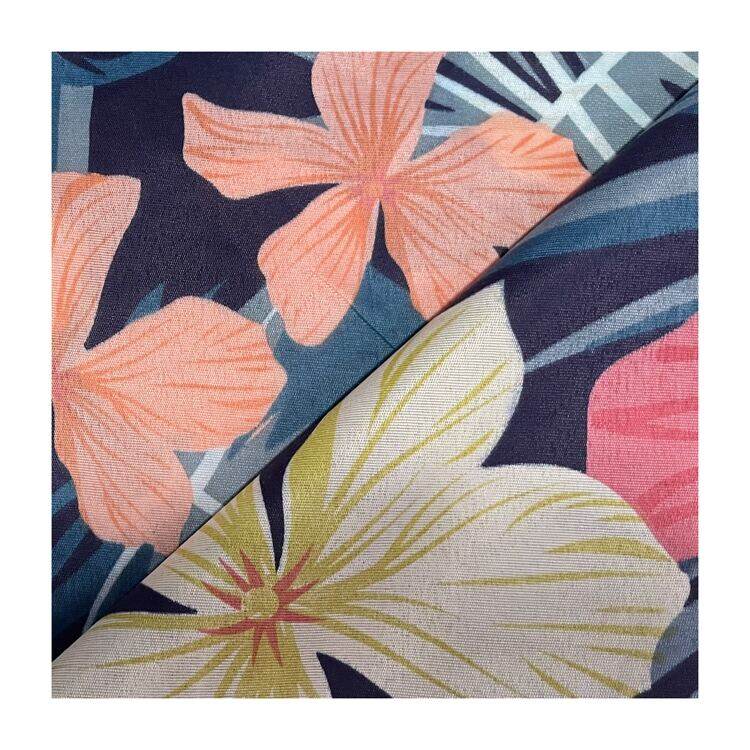
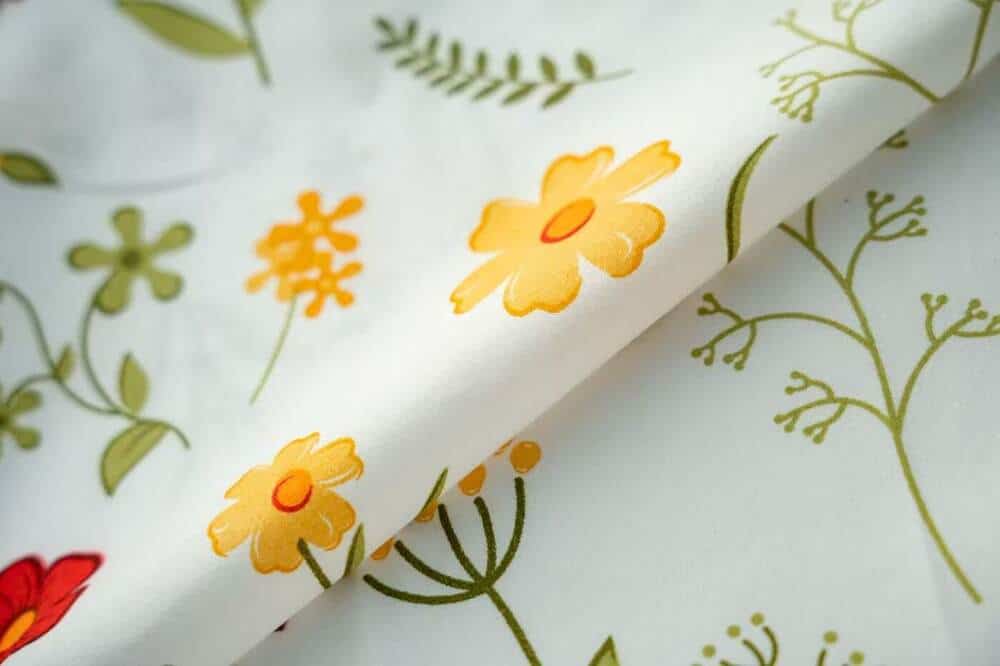
Floral Printed Fabric
Soft floral designs for bedding sets, duvet covers, pillowcases, and home textile collections.
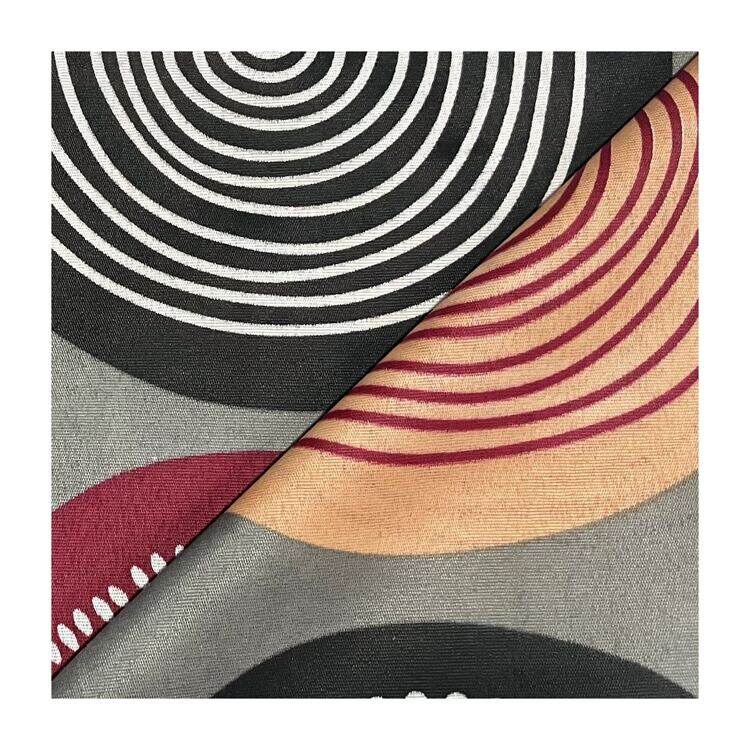
Geometric Printed Fabric
Modern geometric patterns for simple, clean, and contemporary bedding collections.
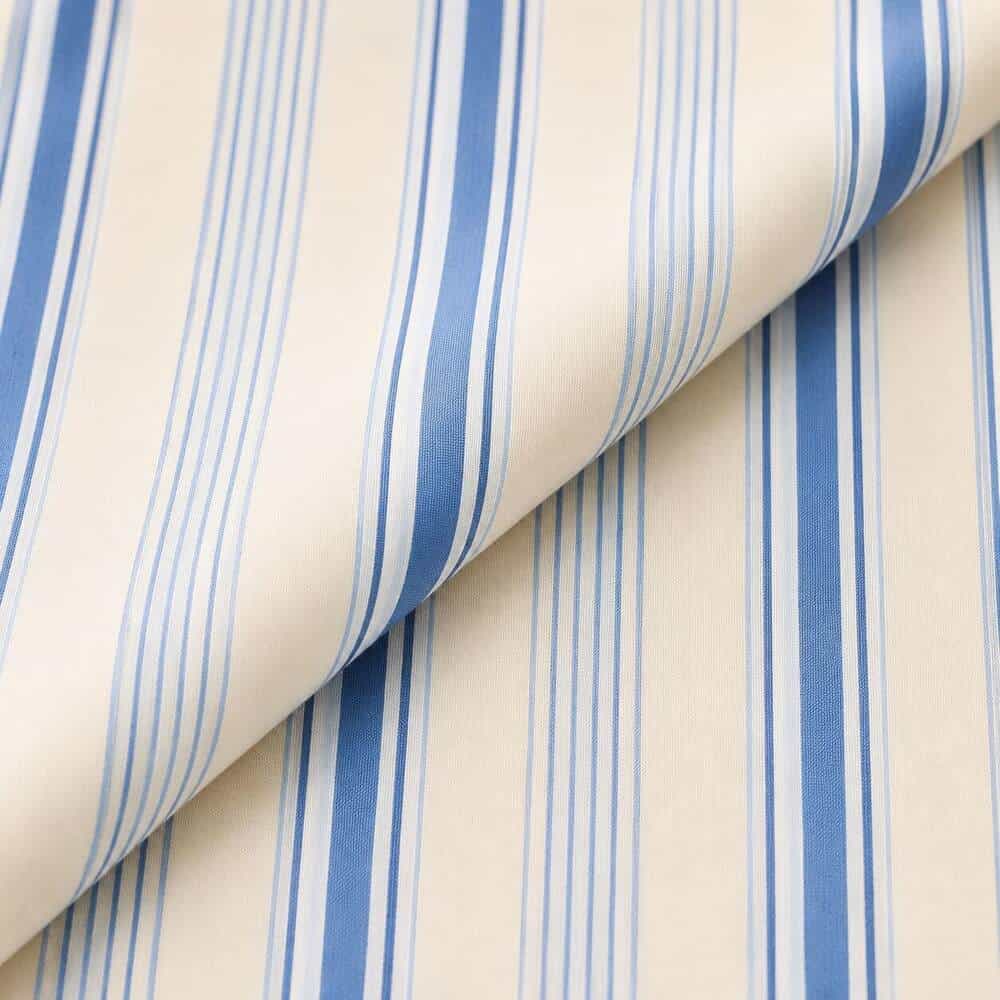
Stripe & Dot Printed Fabric
Classic stripe and dot designs for high-volume printed bedding fabric programs.
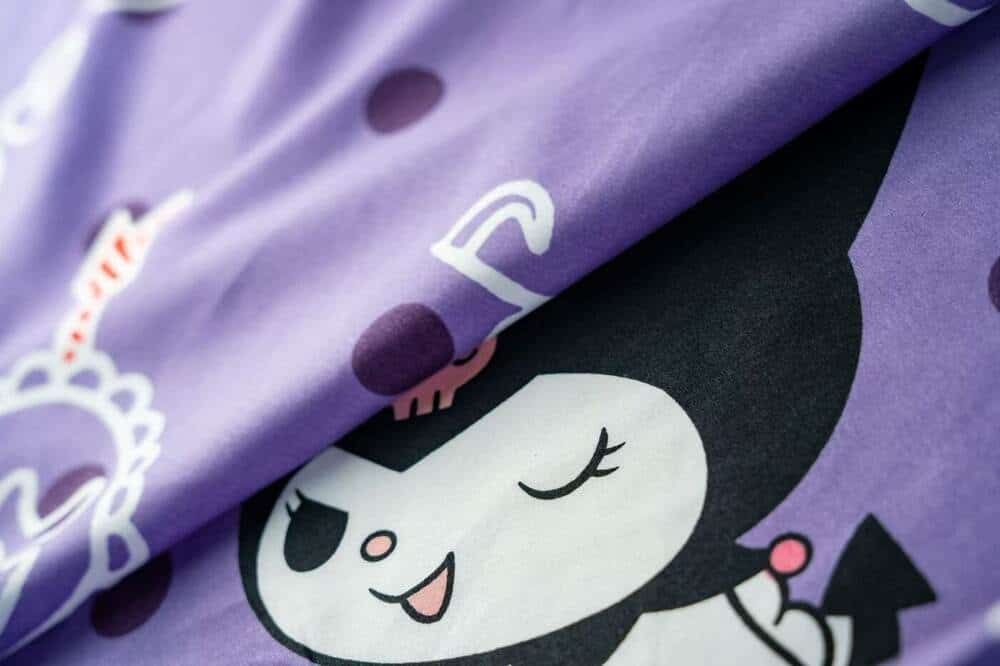
Kids Printed Fabric
Cartoon, animal, star, and playful printed fabric for children's bedding.
Seasonal Printed Fabric
Printed microfiber fabric for spring, summer, holiday, and promotional collections.
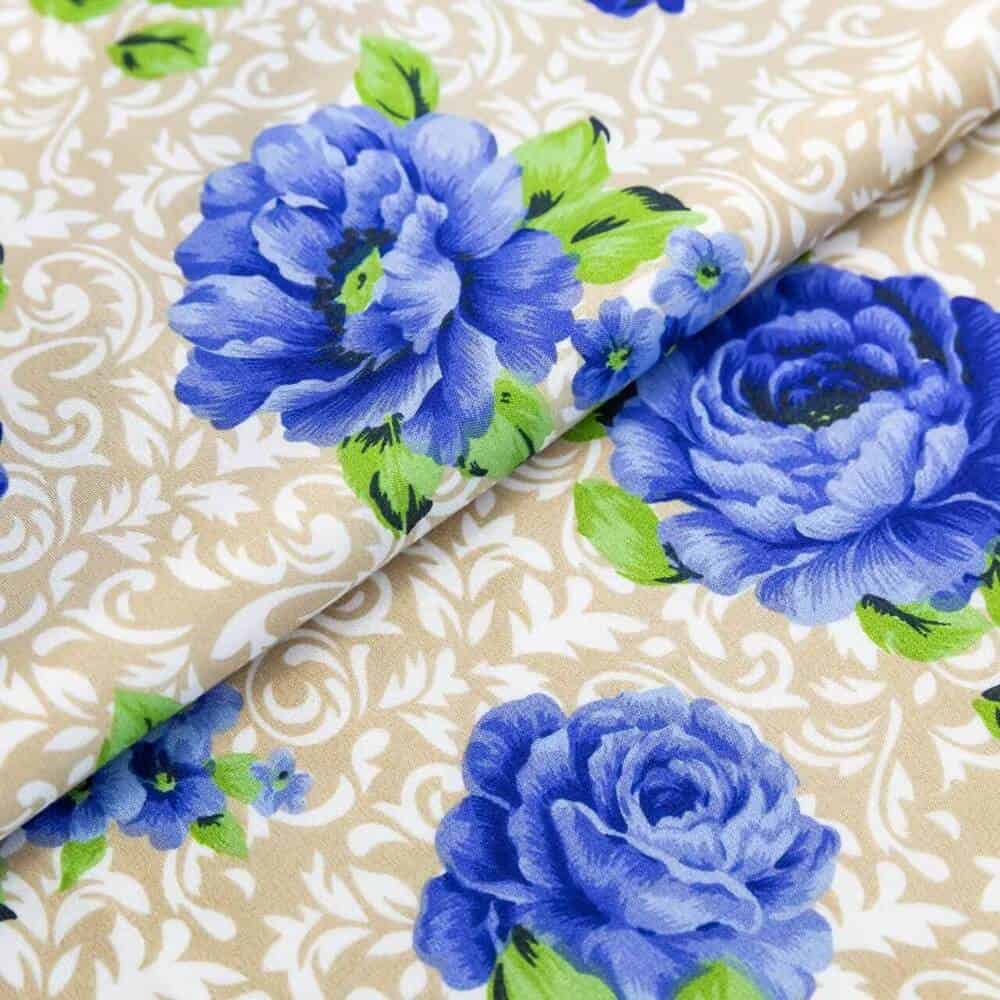
Custom Printed Fabric
Buyer-supplied artwork, color matching, and OEM pattern development.
Applications of Printed Microfiber Bedding Fabric
Our printed microfiber fabric is mainly used by bedding manufacturers and home textile factories for large-scale production. The fabric is soft, lightweight, easy to sew, and suitable for different bedding product lines.
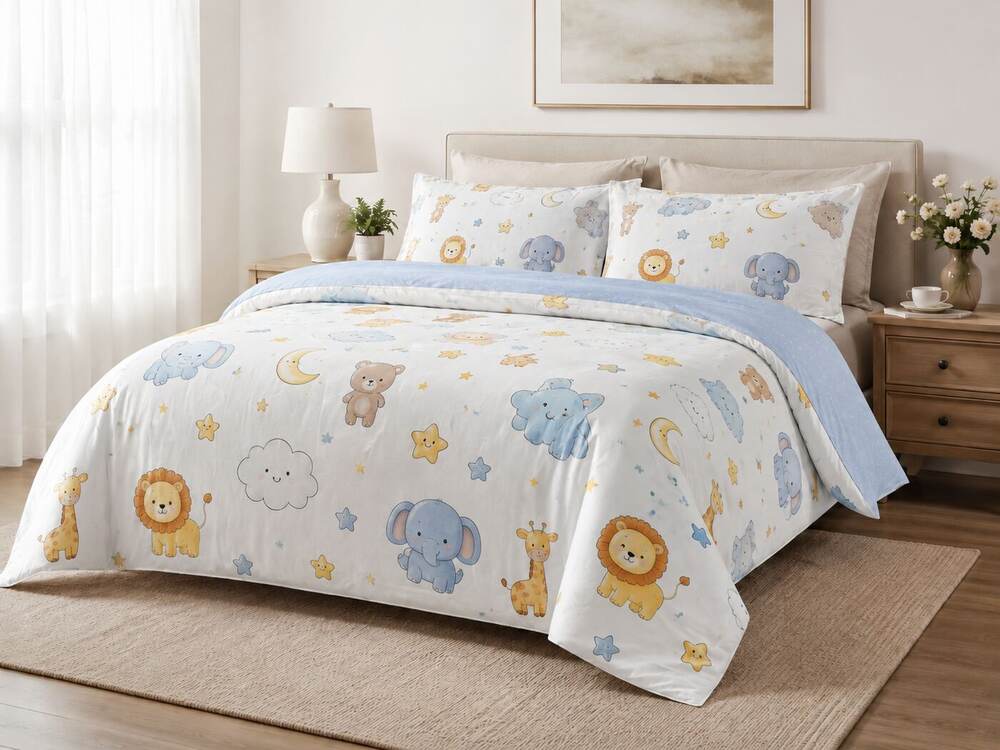
Printed Fabric for Bed Sheets
Suitable for flat sheets and fitted sheets with soft hand feel and stable printing effect.
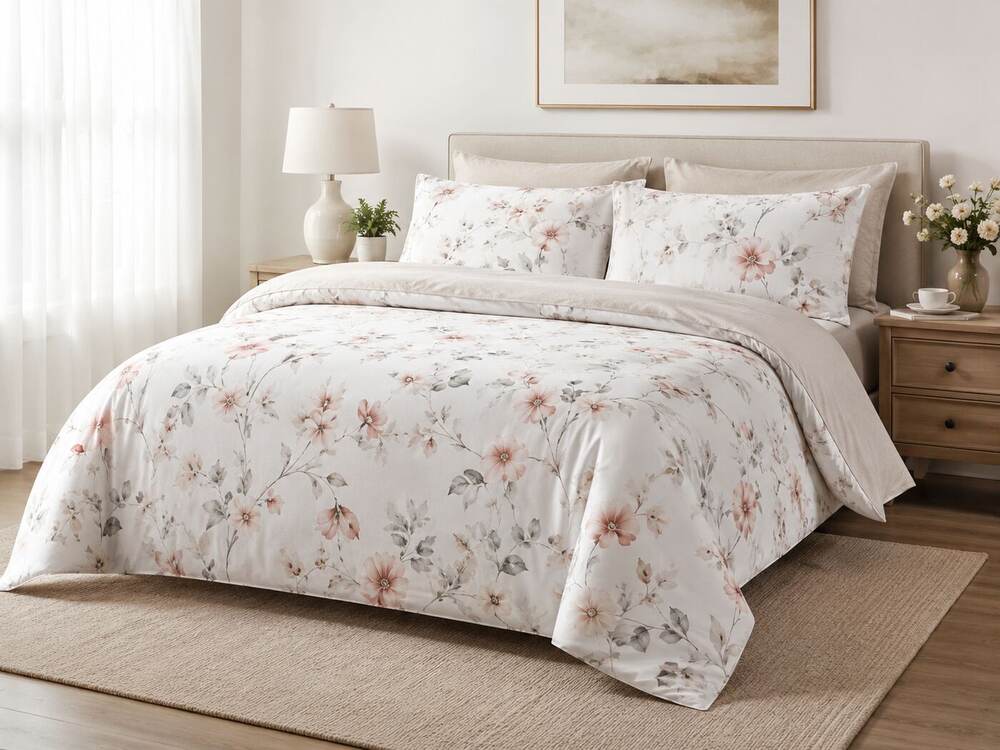
Printed Fabric for Duvet Covers
Wide-width printed microfiber fabric for duvet cover production and bedding sets.
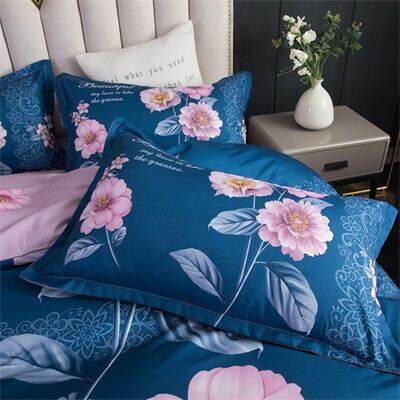
Printed Fabric for Pillowcases
Flexible printed fabric options for pillowcases, pillow shams, and bedding accessories.
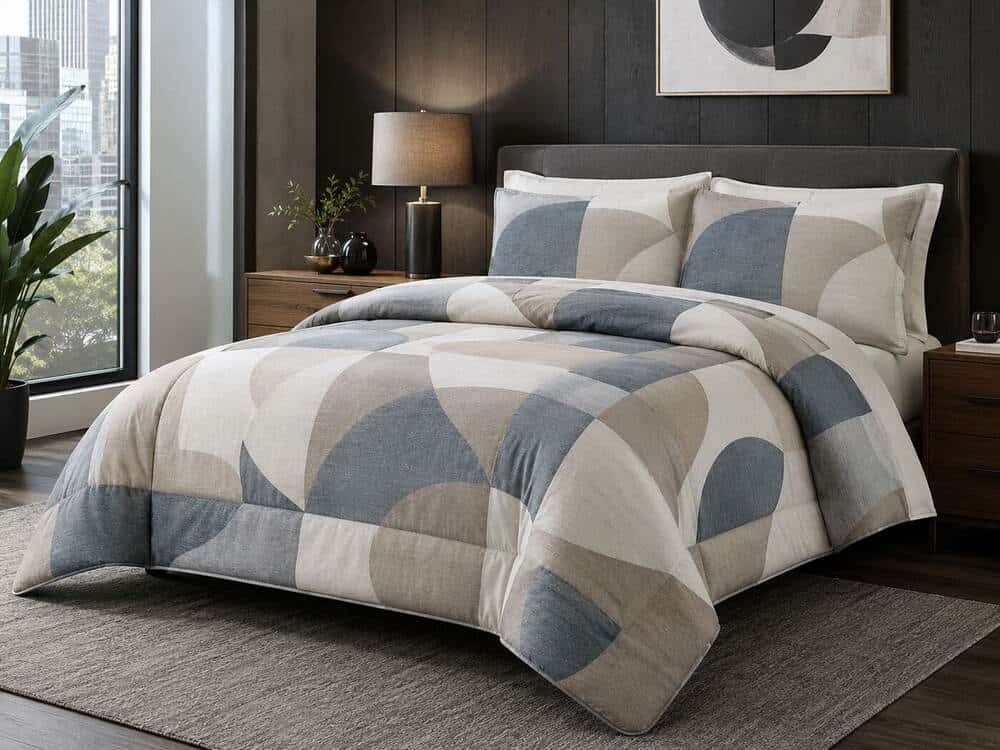
Printed Fabric for Comforter Shells
Printed microfiber fabric can be used as comforter shell fabric with soft surface and customized patterns.
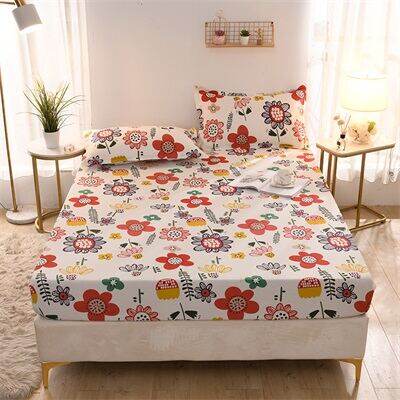
Printed Fabric for Flat Sheet Sets
Suitable for coordinated flat sheet set production, including flat sheet, fitted sheet, and pillowcase combinations.
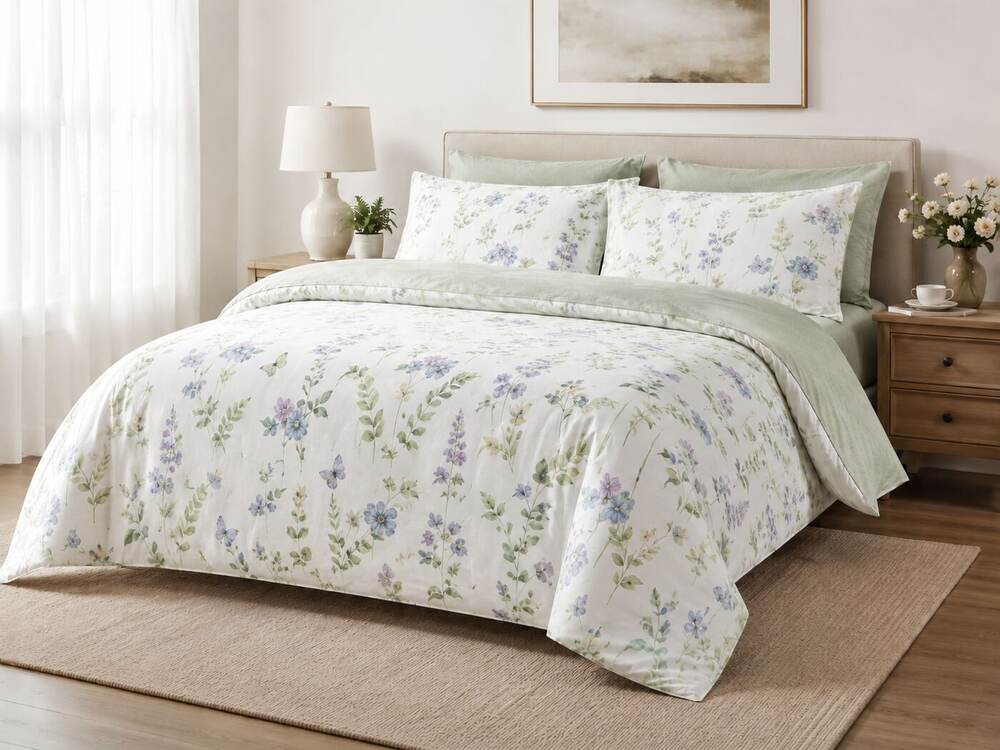
Printed Fabric for Home Textile Brands
Custom patterns and color matching for brand collections and seasonal product development.
How We Produce Printed Microfiber Fabric
Yarn / DTY Preparation
Polyester yarn is prepared for stable weaving quality.
Weaving / Greige Fabric
The microfiber greige fabric is woven according to the required width and construction.
Brushing / Fabric Preparation
The fabric surface is brushed or prepared before dyeing or printing to achieve the required soft hand feel.
Quy trình in ấn
Pigment, nano, disperse, digital, or 5D digital printing is selected according to the buyer's fabric requirements.
Finishing
Fabric finishing helps improve softness, surface effect, dimensional stability, and usability for bedding production.
Inspection & Packing
Bulk printed fabric is inspected for color consistency, printing defects, stains, hand feel, width, gsm, and roll packing quality.
Quality Control for Printed Microfiber Fabric
For printed bedding fabric, buyers care about color consistency, pattern clarity, rubbing fastness, washing performance, and stable bulk quality. Perfectextile controls every step from greige fabric preparation, brushing, printing method selection, color matching, inspection, and final roll packing.
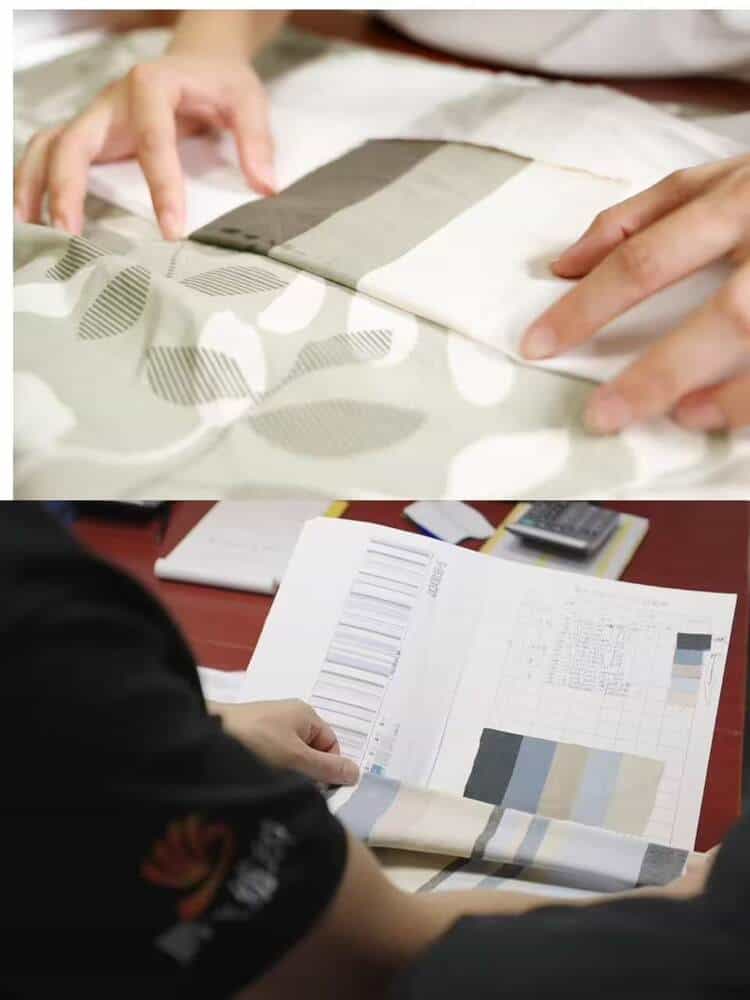
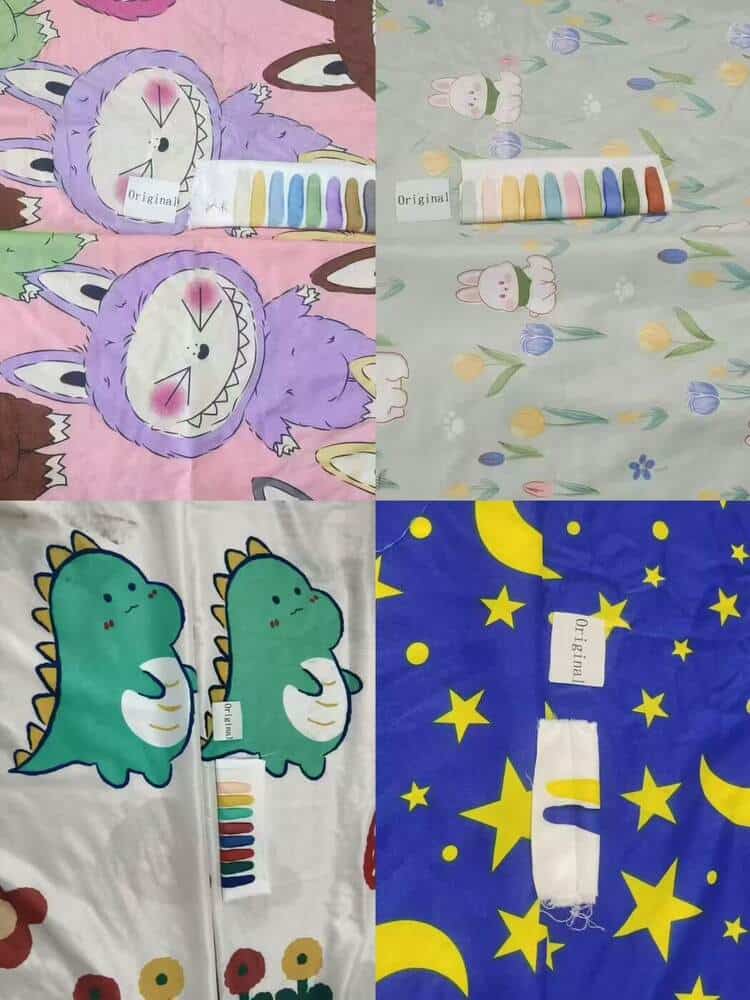
Strike-Off Sample Checking
Before bulk production starts, we confirm the strike-off sample against the buyer's pattern file and color target.
Pattern Clarity
Patterns are checked for sharpness, alignment, color depth, and repeat stability across the roll.
Color Matching
Bulk color is checked against the approved lab dip and strike-off sample to catch drift before it reaches the buyer.
Rubbing & Washing Performance
We test surface color rubbing and washing performance, since this is where printing method choice matters most.
Surface Defect Inspection
We inspect stains, spots, printing marks, white points, wrinkles, and other visible fabric defects.
Width, GSM & Roll Packing
Fabric width, weight, and roll packing are checked against the confirmed order specifications before shipment.
Common Problems Buyers Face with Printed Bedding Fabric
Color Difference Between Sample and Bulk
Many buyers worry that bulk printed fabric will not match the approved sample. We help reduce this risk through lab dips, strike-off confirmation, and bulk production control.
Surface Color Rubbing
Some printing methods, especially low-level pigment printing for deep colors, may have surface color rubbing issues. Perfectextile helps buyers choose the right printing method based on color depth and quality expectations.
Unclear or Blurred Printed Patterns
Poor printing control can cause unclear patterns or uneven color. Our team checks printing clarity and surface effect before shipment.
Fabric Feels Rough After Printing
Some printing methods may affect hand feel. Nano printing and disperse printing offer better fabric performance compared with basic pigment printing.
Unstable Width or Weight
For bedding manufacturers, unstable width or gsm can affect cutting and production efficiency. We control fabric specifications before packing.
Difficult Communication with Suppliers
Printed fabric orders require clear communication about pattern files, colors, sampling, printing methods, and production standards. Perfectextile supports OEM fabric development with clear order follow-up.
Why Choose Perfectextile as Your Printed Microfiber Fabric Supplier
Focused on Polyester Microfiber Bedding Fabric
We stick to polyester microfiber bedding fabric instead of spreading across unrelated textile categories. That focus is what lets us actually solve printing and quality problems instead of just quoting them.
Fabric Production Experience Since 2004
We've been running weaving and printing lines for microfiber bedding fabric since 2004 — long enough to know which printing methods actually hold up in real bulk orders, not just on a sample card.
Multiple Printing Options
Pigment, nano, disperse, digital and 5D digital printing are all available in-house, so we can match the process to the buyer's budget and quality requirement instead of pushing one option.
Nano Printing for Deep Colors
Nano printing is a process we've invested in specifically for deep-color printed fabric, where pigment printing tends to fall short on color fastness.
Wide Width and Flexible GSM
Printed microfiber fabric can be produced in 220–280 cm width and 65–135 gsm, which covers most bedding constructions without a special setup.
B2B Export Supply Experience
We work directly with fabric importers, wholesalers, bedding manufacturers and home textile brands across a range of export markets, and we understand the paperwork and shipping side too.
How to Start a Printed Fabric Order
Send Your Requirement
Share fabric width, gsm, printing method, pattern file, color target, and estimated quantity.
Confirm Fabric Base
We help confirm the suitable microfiber fabric base, brushing effect, hand feel, and weight.
Choose Printing Method
We recommend pigment, nano, disperse, digital, or 5D digital printing according to your color depth, quality level, MOQ, and target market.
Pattern & Color Development
We prepare lab dips or strike-off samples according to your design and color requirements.
Sample Approval
You check color, pattern clarity, fabric hand feel, and overall quality before bulk production.
Bulk Production & Shipment
After approval, we arrange weaving, brushing preparation, printing, finishing, inspection, packing, and shipment support.
Related Microfiber Bedding Fabric Categories
Dyed Microfiber Fabric
Solid-color polyester microfiber fabric for bedding production.
Vải da đào
Soft peach-skin-finish microfiber fabric for sheets and bedding sets.
Embossed Microfiber Fabric
Textured embossed patterns for comforters and bedding fabric programs.
Jacquard Microfiber Fabric
Woven jacquard microfiber fabric for higher-end bedding constructions.
Ultrasonic & Quilted Fabric
Ultrasonic bonded and quilted microfiber fabric for comforters and quilts.
Bedding Fabric Solutions
OEM and custom fabric development for bedding manufacturers and brands.
Sản xuất
See how Perfectextile produces microfiber bedding fabric from yarn to finished roll.
Quality Control
Our inspection process for color, pattern, hand feel and bulk consistency.
 Vietnamese
 English
 Arabic
 Spanish
 French
 Italian
 Portuguese
