
If you want bedding that is soft and lasts long, microfiber polyester fabric may be a better choice for you in 2025. Many people want comfort, breathability, and durability. They also want bedding that is easy to clean and a good value. Healthy sleep is important too. You might see trends like luxury, sustainability, and smart textiles. People care about how their bedding looks and feels.
Những điểm chính cần rút ra
Microfiber polyester bedding feels soft and smooth right away. It costs less money. It is simple to wash and dry. But it holds in heat. It may not feel as cool as cotton。
Cotton bedding is made from plants. It lets air move through. It is good for people who get hot at night. It is also better for people with sensitive skin. But it costs more. You must wash and iron it with care.
Microfiber bedding does not wrinkle easily. It can last a long time. But it might get little balls on it. It can also make static. Cotton bedding can last many years if you take care of it. But it might shrink or wrinkle.
Cotton bedding is good for the earth. It breaks down over time. Microfiber bedding is not as good for the earth. It can shed tiny plastic pieces. It stays in landfills for a long time.
Pick your bedding by thinking about how you sleep. Think about your skin, your money, and the earth. This will help you find what is best for you.
Quick Comparison
Những điểm khác biệt chính
You may ask how microfiber polyester fabric bedding is different from cotton bedding. The biggest differences are in the materials and how they work. Cotton bedding is made from natural fibers that come from the cotton plant. Microfiber polyester fabric bedding is made from man-made fibers that use oil-based materials. Both types have special features that can change how you sleep.
Here is a simple table to help you see the differences:
| Khía cạnh | Vải Cotton Giường | Microfiber Polyester Fabric Bedding |
| Chất liệu | Tự nhiên, có thể phân hủy sinh học | Synthetic, non-biodegradable |
| Thoải mái & Cảm giác | Soft, breathable, moisture-wicking | Silky, lightweight, less breathable |
| Độ bền | Can shrink and fade, softens over time | Wrinkle-resistant, durable, may pill |
| Kiểm soát nhiệt độ | Cool in summer, warm in winter | Traps heat, better for cold sleepers |
| Chăm sóc | Needs careful washing, can shrink | Easy to wash, dries quickly |
| Giá | Usually more expensive | Hợp lý hơn |
| Tác động môi trường | Eco-friendly, sustainable | Not eco-friendly, may cause microplastic waste |
Tip: Cotton bedding feels natural and keeps you cool. If you want bedding that is easy to wash and costs less, microfiber polyester fabric is a smart pick.
Ưu và nhược điểm
This list can help you think about the good and bad sides of each bedding type:
Vải Cotton Giường
Pros:
Made from natural fibers and lets air pass through
Good for people with allergies and soft on skin
Helps hot sleepers stay cool
Tốt hơn cho hành tinh
Cons:
Might shrink or lose color
Needs extra care when washing
Costs more money
Microfiber Polyester Fabric Bedding
Pros:
Strong and does not wrinkle easily
Dries fast and simple to clean
Costs less than cotton
Cons:
Does not let air pass as well, can feel hot
May cause static or bother your skin
Does not break down in nature
Now you can decide which bedding fits your sleep and daily needs best.
Sự thoải mái
Sự mềm mại
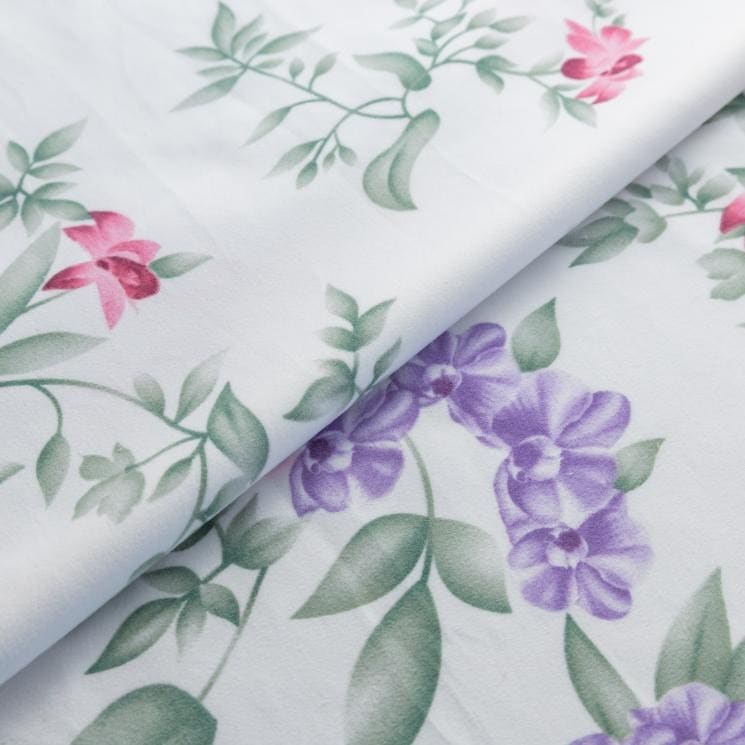
When picking bedding, most people care about softness first. Both cotton and microfiber sheets feel soft, but they are not the same. Cotton bedding, like Egyptian or Pima, starts soft and gets softer after washing. Microfiber sheets feel plush and velvety right away. This is because of the tiny synthetic fibers in the fabric.
Here is a table that shows how people rate softness and comfort:
| Khía cạnh | Bộ chăn ga gối bằng polyester sợi nhỏ | Vải Cotton Giường |
| Sự mềm mại | Soft, plush, velvety feel liked in cooler places | Gets softer with washing; feels fancy |
| Khả năng thoát khí | Not very breathable; holds heat, can bother hot sleepers | Very breathable; good for hot sleepers |
| Warmth Retention | Keeps warmth well, nice for cold weather | Not as warm; better for hot weather |
| Bảo trì | Easy to care for, does not wrinkle much | Wrinkles more; needs extra care |
| Khả năng chi trả | Usually costs less | Costs more, especially for fancy cotton |
| Comfort Issues | Can make static; may feel fake or clingy | Good for allergies; natural fabric liked by sensitive skin |
| User Preference | Liked by people who want cheap, warm, easy bedding | Liked for natural feel and breathability |
Microfiber sheets use special technology to make them dense and soft. The fibers are thinner than hair. This makes the sheets smooth and silky, almost like satin. Cotton sheets feel crisp and fresh, which many people enjoy. Cotton gets softer over time, but it can lose some of its first texture.
Cảm nhận
How bedding feels on your skin can affect your sleep. Microfiber bedding feels light, smooth, and silky. Many people say it feels fancy, especially if they have only used cotton before. One designer said:
“The first time I touched high-quality brushed microfiber bedding, I was shocked by how soft it was. It changed my mind about synthetic fibers.”
Microfiber sheets slide easily over your skin. They do not feel heavy or rough. Some people like this silky feeling, but others like the cozy feel of cotton. Cotton bedding feels crisp and lets air pass through. It stretches a bit and gently hugs your body. This makes cotton great for people who want a natural and cool feel.
Microfiber bedding is very light and smooth.
Cotton bedding feels cozy and stretchy, and gets better with washing.
Microfiber feels silkier at first, but cotton gives more natural comfort over time.
If you want bedding that feels soft and silky right away, try microfiber. If you want bedding that is natural and gets better with age, cotton is a good pick.
Khả năng thoát khí
Hot vs Cold Sleepers
Your bedding can change how warm or cool you feel. If you wake up sweaty, you might be a hot sleeper. Cotton bedding is good for you because air moves through it. The natural fibers in cotton help air flow and pull sweat away. This keeps you cool and comfy, even on hot nights.
Microfiber polyester fabric bedding feels soft and warm. But it does not let air pass as well as cotton. The tight weave and synthetic fibers hold in heat. You may feel too warm under microfiber sheets, especially in summer. If you already sleep hot, this can be a problem. Cold sleepers might like microfiber because it keeps warmth in and feels snug.
Here is a quick chart to help you choose:
| Tính năng | Vải Cotton Giường | Bộ chăn ga gối bằng polyester sợi nhỏ |
| Khả năng thoát khí | Naturally breathable, ideal for hot sleepers | Kém thoáng khí, giữ nhiệt |
| Kiểm soát nhiệt độ | Keeps you cool, prevents overheating | Retains warmth, better for cold sleepers |
Tip: If you get hot at night, cotton bedding helps you stay cool. If you want extra warmth, microfiber bedding may suit you better.
Kiểm soát độ ẩm
Moisture control helps you sleep well. Cotton bedding soaks up sweat and lets it dry fast. The fibers pull sweat off your skin and let it go into the air. This keeps your sheets dry, even if you sweat at night.
Microfiber polyester fabric bedding dries fast but does not soak up sweat like cotton. Sweat stays on top until it dries. This can make you feel sticky or damp, especially when it is hot. If you sweat a lot, you may feel wet under microfiber sheets.
| Tính năng | Vải Cotton Giường | Chăn ga microfiber |
| Hấp thụ độ ẩm | Absorbs and wicks away moisture, keeps you dry | Less absorbent, moisture stays on surface |
| Comfort Impact | Cool and dry feel | Can feel sticky or damp in warm conditions |
Pick cotton bedding if you want to stay cool and dry. Microfiber bedding is good if you want warmth and easy care. But it may not feel as comfy in hot or sticky weather.
Độ bền
Trường thọ
When you choose bedding, you want it to last. Cotton bedding, especially high-quality types like Egyptian cotton, can last from three to ten years. The actual lifespan depends on how well you care for it and the quality of the cotton. Many people replace their cotton sheets every two to three years because of wear and tear. Over time, cotton can lose its softness and may become rough after many washes. Fitted sheets sometimes lose their stretch and may tear at the seams.
Microfiber sheets stand out for their strength. The synthetic fibers resist ripping and tearing better than cotton. You can wash microfiber bedding often without seeing much damage. These sheets keep their shape and color longer. However, you might notice pilling after many washes, especially if the quality is low. Microfiber can also build up static, which some people find annoying. Even with these issues, microfiber bedding often lasts longer than lower-quality cotton sheets.
Note: High-quality cotton sheets can last up to ten years, but most people replace them sooner. Microfiber bedding usually stays strong and keeps its color, but pilling and static can be problems.
Bảo trì
You want bedding that is easy to care for. Microfiber bedding needs less work than cotton. It resists wrinkles, so you do not need to iron it. It does not shrink in the wash. You should wash microfiber on a gentle cycle and dry it on low heat or line dry. This helps prevent pilling and keeps the fabric smooth. Microfiber absorbs oils and dirt quickly, so you may need to wash it about once a week.
Cotton bedding needs a bit more attention. It can wrinkle easily and may need ironing or steaming. Cotton can shrink if you use hot water or high heat in the dryer. You should wash cotton sheets on a normal or delicate cycle, using the right water temperature for the color. Over time, frequent washing can make cotton rougher and may cause it to tear.
Here is a quick table to compare care needs:
| Khía cạnh | Chăn ga microfiber | Vải Cotton Giường |
| Chống nhăn | Wrinkle-resistant, low maintenance | Wrinkles easily, may need ironing |
| Co ngót | Does not shrink | May shrink in the wash |
| Xơ vải | Prone to pilling after many washes | Less prone to pilling |
| Giặt | Gentle cycle, low heat drying | Normal/delicate cycle, careful drying |
Tip: If you want bedding that is easy to care for and dries quickly, microfiber bedding is a smart choice. Cotton offers a natural feel but needs more care to keep it looking good.
Care and Cleaning Washing

You want bedding that is easy to wash and keeps its quality over time. Microfiber bedding and cotton bedding need different care routines. Microfiber bedding is simple to clean. You can put it in the washing machine with cool water and a gentle detergent. It dries quickly, and you can use a low heat setting in the dryer or hang it to dry. Fabric softener or dryer sheets help keep it soft.
Cotton bedding needs a bit more attention. You should wash it in warm water with a gentle detergent on a mild cycle. Avoid bleach and harsh chemicals. Cotton can shrink, so always dry it on low heat or line dry. If you want your cotton sheets to look smooth, you may need to iron them on low heat.
Here is a table to help you compare the care steps:
| Khía cạnh | Chăn ga microfiber | Vải Cotton Giường |
| Giặt | Machine wash, cool water, gentle detergent | Warm water, gentle detergent, mild cycle |
| Bleach | Avoid | Avoid |
| Sấy khô | Low heat or hang dry | Low heat or line dry |
| Ironing | Not needed | Low heat if needed |
| Fabric Softener | Optional | Not required |
Tip: Microfiber bedding is low maintenance and dries fast. Cotton bedding needs more care but rewards you with lasting softness.
Tác động môi trường
Bền vững
You might think about how your bedding affects the earth. Cotton and microfiber polyester bedding are very different for the environment. Cotton comes from plants, so it is a natural fiber. It needs a lot of land and water to grow. But cotton breaks down in nature. Microfiber polyester bedding is made from oil-based stuff. Factories use lots of energy and chemicals to make it.
Here is a table that shows how each bedding type affects the environment:
| Khía cạnh môi trường | Bộ chăn ga gối bằng polyester sợi nhỏ | Vải Cotton Giường |
| Energy Consumption (MJ/kg) | ~125 MJ/kg fiber, more than twice that of cotton | Lower energy consumption than polyester |
| Tác động Sản xuất | Energy-intensive, uses harmful chemicals and dyes | Less polluting manufacturing processes |
| Ô nhiễm và độc tính | Higher pollution and human health impacts | Lower pollution and toxicity |
| Ô nhiễm vi nhựa | Significant contributor due to fiber shedding | Không |
| Sử dụng Đất và Nước | Lower land and water use compared to cotton | High land and water use |
| Khả năng phân hủy sinh học | Not biodegradable; lasts hundreds of years | Biodegradable; decomposes in about 11 weeks |
| End-of-Life Environmental Impact | Long-term persistence, unsustainable | More sustainable due to biodegradability |
Cotton bedding is better for the planet because it is natural. It breaks down fast. Organic cotton is even safer for the earth. Microfiber bedding lasts longer and uses less water. But it makes more pollution and sheds tiny plastic pieces. These microplastics go into rivers and oceans.
If you want bedding that is good for the earth, pick organic cotton with GOTS certification. Microfiber bedding is easy to wash, but it is worse for the environment.
Microfiber Polyester Fabric vs Cotton
Which Is Better for You?
Picking between microfiber polyester fabric and cotton bedding depends on what you need. Think about how you sleep, your skin, your money, and if you care about the earth. Each fabric has good and bad points. You should choose bedding that fits your comfort and life.
Best for Hot Sleepers
If you get hot or sweat at night, cotton bedding is best. Cotton lets air move through the sheets. It soaks up sweat and helps you stay cool. Experts say cotton’s natural fibers help hot sleepers. Microfiber polyester fabric holds in heat and sweat. This can make you feel sticky or too warm if you sleep hot.
| Khía cạnh | Vải Cotton Giường | Bộ chăn ga gối bằng polyester sợi nhỏ |
| Khả năng thoát khí | Very breathable, keeps you cool | Holds heat, not as breathable |
| Moisture Handling | Soaks up sweat, keeps you dry | Sweat stays on top, can feel wet |
| Sự thoải mái | Soft, crisp, gets softer with washing | Smooth, silky, but can feel static |
Tip: Pick cotton bedding if you want to stay cool and dry.
Best for Sensitive Skin
If your skin is sensitive or you have allergies, you need gentle bedding. Cotton bedding is natural, lets skin breathe, and is hypoallergenic. It keeps your skin dry and comfy. Doctors often say cotton is good for people with eczema or allergies. Microfiber polyester fabric feels smooth and blocks dust mites. This helps with allergies. But it can trap oils and sweat, which may bother sensitive skin. Chemicals in microfiber can also make some people itch.
| Khía cạnh | Bộ chăn ga gối bằng polyester sợi nhỏ | Vải Cotton Giường |
| Skin Comfort | Very smooth, gentle, but may bother some skin | Soft, breathable, gets softer with washing |
| Khả năng thoát khí | Not very breathable, holds oils and sweat | Very breathable, pulls sweat away |
| Chemical Irritants | May have chemicals from making the fabric | Fewer chemicals, especially in organic cotton |
| Allergy Barrier | Blocks dust mites | Blocks dust mites, hypoallergenic |
Note: Cotton bedding is usually safer for sensitive or allergy-prone skin.
Best for Budget Shoppers
If you want to save money, microfiber polyester fabric bedding costs less. You can find it in many stores for a low price. It is strong, does not wrinkle much, and is easy to wash. Cotton bedding costs more, especially if you want the best sheets. Cheap cotton sheets may not last as long as microfiber.
| Tính năng | Bộ chăn ga gối bằng polyester sợi nhỏ | Vải Cotton Giường |
| Chi phí | Cheaper, good for small budgets | Costs more, especially fancy cotton |
| Bảo trì | Easy to care for, does not wrinkle much | Needs more care, wrinkles easily |
| Độ bền | Strong, does not shrink much | Can last long if it has high thread count |
| Sự thoải mái | Silky, but can feel hot | Soft, breathable, keeps you cool |
Tip: Microfiber polyester fabric is a smart pick if you want easy and cheap bedding.
Best for Eco-Conscious Shoppers
If you care about the earth, cotton bedding is better. Cotton is a natural fiber that breaks down in nature. It is biodegradable and better for the planet, especially if it is organic. Microfiber polyester fabric comes from oil. It does not break down and can shed tiny plastics into water when washed. People who care about the earth like cotton because it is less harmful.
Cotton is natural, breaks down, and is better for the earth.
Microfiber polyester fabric is man-made, does not break down, and can pollute water.
Pick organic cotton bedding if you want to help the planet.
Scenario-Based Recommendations
Here are some common situations and which bedding is best:
| Scenario | Best Choice | Why |
| You sleep hot or live in a warm place | Vải Cotton Giường | Lets air move, keeps you cool, soaks up sweat |
| You have sensitive or allergy-prone skin | Vải Cotton Giường | Gentle, hypoallergenic, fewer chemicals |
| You want to save money | Microfiber Polyester Fabric Bedding | Cheap, strong, easy to care for |
| You want bedding for guests or kids | Microfiber Polyester Fabric Bedding | Low price, easy to wash, does not wrinkle |
| You care about the earth | Cotton Bedding (organic if possible) | Natural, breaks down, less pollution |
| You want bedding for cold places | Microfiber Polyester Fabric Bedding | Holds heat, keeps you warm |
| You want easy-care bedding | Microfiber Polyester Fabric Bedding | Does not wrinkle, dries fast |
Remember: The best bedding for you depends on your needs. Think about how you sleep, your skin, your money, and what you care about.
Câu hỏi thường gặp
What is microfiber polyester fabric bedding?
Microfiber polyester fabric bedding uses very fine synthetic fibers. These fibers create soft, smooth sheets. You get bedding that feels light and dries quickly. Many people like microfiber because it resists wrinkles and stains.
Does microfiber bedding make you sweat at night?
You may feel warmer under microfiber bedding. The fabric traps heat and does not let air move as well as cotton. If you sleep hot, you might sweat more with microfiber sheets.but now all technial is develop lot and upgrade ,we can is control very with well of cooling process
Can you wash microfiber bedding in a washing machine?
Yes, you can wash microfiber bedding in your washing machine. Use cool water and a gentle detergent. Dry on low heat or hang to dry. Microfiber dries fast and does not wrinkle much.
Is microfiber bedding safe for sensitive skin?
We are pleased to confirm that our fabrics undergo specialized antimicrobial and anti-allergenic treatments, making them exceptionally suitable for sensitive skin
How long does microfiber bedding last?
Microfiber bedding lasts about three to five years with regular use. The fabric resists tearing and fading. You may notice pilling after many washes, but the sheets usually stay strong and soft.
 Vietnamese
 English
 Arabic
 Spanish
 French
 Italian
 Portuguese
